

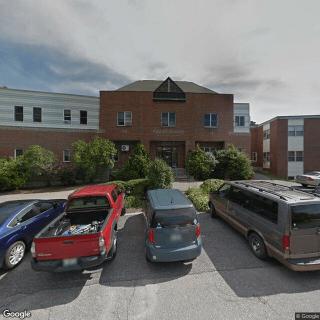
174 Main Street, Madison, ME 04950
For more information about senior living options: (866) 208-4318
Overall Review of Maplecrest Rehab And Living Ctr Adc Program
Pros
 She was treated very well during her stay at Maplecrest Rehab.
- The food was very good.
- The staff work hard to provide comfort to many loved ones.
Cons
 The nursing home is a poor excuse for a facility.
- There is no respect or love for the elderly living there.
- Residents are treated like herd cattle instead of being cared for like kings and queens.
- Residents should be living their golden years but are treated like just another paycheck for staff.
- The facility does not provide adequate help with physical therapy and residents are neglected, depressed, and left waiting.
- The staff are rude, stuck up, and treat residents like animals.
- The facility is understaffed and mistreats its employees.
- Items belonging to residents are frequently taken, and jewelry and electronics have reportedly been lost.
Review
Maplecrest Rehab And Living Ctr Adc Program is best suited for families facing limited options in the Madison area when a loved one needs rehabilitation or long-term care and persistent family oversight is feasible. In practice, the community appears to attract those who can tolerate substantial care-quality concerns while still prioritizing a local option over an ideal fit elsewhere. The facility will likely feel acceptable to households where proximity outweighs consistently strong care, and where families are prepared to intervene actively to address problems as they arise.
Those weighing alternatives should note that many families will want to look beyond Maplecrest. Residents who require dependable, respectful treatment, steady staffing, and transparent access to therapy services should seriously consider other communities. The consensus in the feedback points to a pattern of understaffing and staff behavior that undermines daily dignity and safety. For anyone prioritizing consistent, high-quality rehabilitation and long-term care, this facility merits careful comparison against options with stronger staffing norms and more predictable routines.
On the upside, a small number of reviewers highlighted favorable aspects that cannot be entirely dismissed. One account praised the cook and the quality of food, a reminder that meals and some caregiver interactions can still resonate positively even in facilities facing broader policy and staffing gaps. Another positive note indicated that a resident felt well-treated during a stay. Taken together, these isolated positives show that there are pockets of caregiver effort and culinary competence, but they do not erase the broader pattern of concern voiced by the majority of reviewers.
The core drawbacks are hard to ignore: persistent understaffing, reported rudeness, and a perception that residents are not treated with the dignity owed to elders. Allegations of neglect, waiting long for attention, inadequate personal care, and signs of emotional distress among residents, underscore a systemic issue rather than isolated incidents. Compounding these concerns are claims that personal belongings can go missing and that some family members experience barriers to coordinating care or transferring to facilities that might better meet needs. The combination of these operational weaknesses with a sense of disrespect for residents creates a climate that many families will find unacceptable.
In assessing whether any pros can offset the major cons, the math is unfavorable. A few positive notes about food and occasional kindness do not counterbalance the prevailing themes of understaffing, neglect, and disrespect. For families that value safety, consistent care, and respect as non-negotiables, the negatives far outweigh the limited positives. The risk of insufficient therapy, delayed responses to needs, and potential loss of personal items argues strongly against Maplecrest as a first-choice option.
The practical conclusion for decision-makers is clear: pursue other communities first, and only consider Maplecrest if no better option exists and a plan is in place to actively monitor care and enforce accountability. When evaluating alternatives, prioritize facilities with transparent staffing levels, documented therapy access, measurable response times, and a track record of resident dignity. If Maplecrest is still under consideration, insist on concrete, written care plans, require regular, documented updates from staff, and arrange frequent in-person checks by family or a trusted advocate. A transfer option should be arranged in advance in case care quality cannot be assured, and all potential compromises weighed against the decline in resident wellbeing suggested by the reviews.
 20 resident community capacity
 Assisted Living
 Board and Care Home
 Skilled Nursing Facility
 Beauty salon
 Cable or satellite TV
 Dining room
 Fully furnished
 Garden
 Housekeeping services
 Kitchenette
 Move-in coordination
 Outdoor space
 Telephone
 Wi-Fi/high-speed internet available
 24-hour call system
 Activities of daily living assistance
 Assistance with bathing
 Assistance with dressing
 Assistance with transfers
 Diabetes diet
 Meal preparation and service
 Medication management
 Mental wellness program
 Special dietary restrictions
 Transportation arrangement (medical)
 Transportation to doctors appointments



 Comprehensive Insights into Activities of Daily Living (ADLs) and Their Assessment
 Guiding Elderly Parents Who Refuse Assisted Living: 6 Practical Steps
 Your Comprehensive Guide to Luxury Assisted Living: Elevated Facilities, Amenities, and Costs