
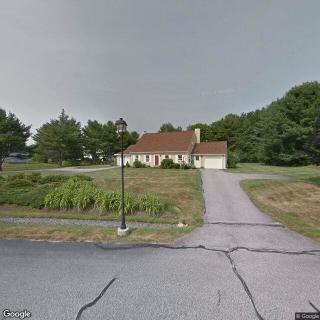
9 Potvin Lane, Kennebunk, ME 04043
For more information about senior living options: (866) 208-4318
Overall Review of Neurorestorative Kennebunk 1
Pros
 They have helped individuals regain their independence.
- The staff are nice and helpful.
- The therapists are very helpful.
- The therapies are useful in rehabilitation after brain injury.
Cons
 This place is a scam.
- They care nothing about the quality of life for the clients.
- The clients receive very little or no services.
- Anyone reading this that has a family member wasting away in one of their facilities should seek alternative care for their family member immediately.
- He is currently in jail, due in part to his low functioning.
Review
Neurorestorative Kennebunk 1 is best suited for adults pursuing brain-injury rehabilitation where hands-on therapy and a structured rehab routine are the focal points, and where families are willing to actively advocate to secure services. The strongest case for this community rests on the talent and dedication of the therapists and the observed usefulness of the rehabilitation modalities. For someone who values measurable progress in mobility, cognition, and daily functioning through targeted therapies, this setting can deliver tangible gains when engagement remains high and communication stays steady.
Those weighing alternatives should consider this community carefully if priorities include reliable intake processes, transparent communication, and consistent access to services. Several red flags emerge in the reviews that counsel caution for families that cannot tolerate delays, unanswered inquiries, or inconsistent placement coordination. For families with complex legal or logistical needs, such as court-ordered evaluations or urgent placement, the experience here may magnify frustrations if responsiveness and coordination are not dependable. In short, when trust and predictable, proactive outreach are nonnegotiable, alternatives deserve serious exploration.
On the upside, the favorable reports center on practical, recoverable gains. Therapists are described as helpful, with therapy programs that many participants find meaningful and directly linked to regaining independence. Staff are repeatedly characterized as courteous and supportive, contributing to a rehabilitative atmosphere where clients feel encouraged to push toward functional milestones. When progress is possible, these clinical strengths can translate into better daily functioning, increased participation in therapeutic activities, and a clearer pathway toward returning home or pursuing less restrictive living arrangements.
The most consequential drawbacks, however, are substantive and nontrivial. A persistent thread in the negative feedback portrays the operation as unreliable and, at times, emotionally costly for families. Specific criticisms mention scant services relative to needs, difficulty in obtaining timely responses, and a sense that critical communications are neglected. A particularly troubling portrayal has come from a court-appointed advocate describing repeated barriers to screening and placement, which undermines trust and can squander valuable time. Another reviewer directly questions the facility’s commitment to quality of life, alleging insufficient attention to client welfare and overall care coordination. Taken together, these issues raise serious questions about consistency, accountability, and the ability to sustain necessary care over time.
Ultimately, the positives and the risks do not cancel each other out; they reshape the decision. If the priority is aggressive neurorehabilitation delivered by skilled therapists, with a clear framework for progress, the potential upside remains compelling. Yet the credibility concerns, especially around communication, intake responsiveness, and reliability, can erode confidence, and may tilt the balance toward alternatives for families requiring airtight transparency and dependable access to services. In practice, this means a careful, hurdle-driven decision: verify intake timeliness, request a written care plan with specific milestones, and establish a fixed communication cadence before committing. A realistic plan should include an explicit trial window, a clear escalation path for unaddressed needs, and an exit strategy if the care standards or responsiveness fail to meet agreed expectations. For families willing to test the waters with rigorous oversight, Neurorestorative Kennebunk 1 can still be a viable option; for those prioritizing steadiness and unambiguous accountability, broader options demand serious consideration.
 8 resident community capacity
 Assisted Living
 Cable or satellite TV
 Dining room
 Fully furnished
 Garden
 Housekeeping services
 Move-in coordination
 Outdoor space
 Telephone
 Wi-Fi/high-speed internet available
 Portland International Jetport (23 miles away)
 24-hour supervision
 Activities of daily living assistance
 Assistance with bathing
 Assistance with dressing
 Assistance with transfers
 Diabetes diet
 Meal preparation and service
 Medication management
 Special dietary restrictions
 Transportation arrangement (medical)
 Transportation to doctors appointments






 Comprehensive Insights into Activities of Daily Living (ADLs) and Their Assessment
 Medicare Coverage for Assisted Living: An In-Depth Exploration
 Choosing the Right Senior Care: A Detailed Exploration of Assisted Living and Nursing Homes