1 Joseph Street, Houlton, ME 04730
For more information about senior living options: (866) 208-4318
4.9 from 114 reviews
East Side Home is an assisted living community in Houlton, ME.
Information last verified:
1 Joseph Street, Houlton, ME 04730
For more information about senior living options: (866) 208-4318
 6 resident community capacity
 Assisted Living
 Cable or satellite TV
 Dining room
 Fully furnished
 Garden
 Housekeeping services
 Move-in coordination
 Outdoor space
 Telephone
 Wi-Fi/high-speed internet available
 24-hour supervision
 Activities of daily living assistance
 Assistance with bathing
 Assistance with dressing
 Assistance with transfers Coordination with health care providers
 Diabetes diet
 Meal preparation and service
 Medication management
 Special dietary restrictions
 Transportation arrangement (medical)
 Transportation to doctors appointments Diabetes diet Special dietary restrictions Community-sponsored activities Scheduled daily activities
East Side Home is located at 1 Joseph Street, Houlton, ME 04730 in Aroostook County, Maine

Joseph Street Foster Home
Houlton, ME
 Small, fully furnished assisted living with comprehensive care and medical transport.
High Street Foster Home
Houlton, ME
Warm, home-like setting with personalized care, meals, and daily activities.
Pearce Brook Home
Houlton, ME
Small, intimate setting with personalized care and comprehensive services (ADL support, medication management, transportation).
Madigan Estates Nursing Home
Houlton, ME
Warm, welcoming atmosphere with convenient access to local healthcare and services.
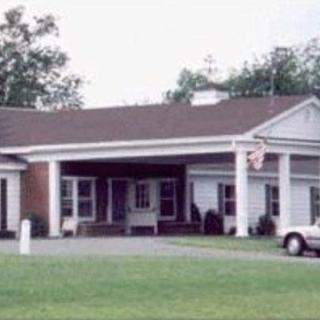
Madigan Health Care Facility
Houlton, ME
Well-laid-out, nicely decorated apartments with attentive staff and a strong sense of independence.
Gardiner Health Care Facility
Houlton, ME
Small, personalized care with 24/7 supervision and comprehensive daily living support.
 Beyond the Bingo Hall: 50+ Enriching Activities for Seniors in Assisted Living
Assisted living communities offer diverse activities beyond traditional games to enhance seniors' physical health, cognitive well-being, emotional enrichment, and social connections, including fitness classes, creative expression, and intergenerational interactions. These enriching programs foster community bonds and support residents' independence and happiness.
 Understanding the Distinctions: Assisted Living and Memory Care Explained
The article differentiates between assisted living and memory care, explaining that assisted living supports seniors with daily activities while promoting independence, whereas memory care provides specialized services for individuals with dementia, focusing on secure environments and cognitive support. It also addresses staff training, safety considerations, costs, family involvement, and transition strategies for families navigating these care options.
 Guiding Elderly Parents Who Refuse Assisted Living: 6 Practical Steps
Family caregivers face emotional, legal, and practical challenges when elderly parents refuse assisted living, often due to fears of losing autonomy. Open conversations and professional assessments can help address these concerns while exploring alternatives and ensuring safety, potentially leading to legal guardianship if necessary.