Residents describe staff as kind, compassionate, and professional.
Many reviews emphasize bedside manner—people say the team listens, answers questions, and treats them with empathy. Several comments also call out how friendly and helpful staff members are, alongside thorough explanations during visits. Across reviews, residents consistently describe an approach that feels attentive rather than rushed.
common8 reviews mention this
Care is described as responsive
Residents describe care that is prompt and easy to reach.
Several reviews mention short wait times, being able to get in when needed, and appointments that run close to schedule. Others note that residents can reach the office by phone and that follow-up is thorough. This aligns with the community’s support services that include coordination with health care providers and assistance with transportation for doctor visits.
differentiator3 reviews mention this
Medication support comes up often
Residents connect the experience with medication refills and guidance.
Some reviews focus on prescription handling, including getting help with medication concerns and needing refills. A few reviews raise problems when communication around refills or next steps breaks down, which matters because medication management is part of the care plan. Residents also describe referrals and next steps as a key part of their experience with ongoing care.
caveat4 reviews mention this
Communication issues are a recurring concern
Some residents report communication gaps around follow-up.
A recurring negative theme is difficulty getting timely updates, returning calls, or clarifying next steps. One review describes problems refilling a daily medication and waiting for an appointment, while another mentions missing or unclear information about test results. While many reviews are positive about responsiveness, these complaints point to variability in communication during care transitions.
common2 reviews mention this
Doctors and services are nearby
Nearby medical and pharmacy options are close.
Residents’ experiences with getting medical help and prescriptions connect to the presence of nearby physician and pharmacy options. For example, there are nearby physician and medical services around Hampden, plus multiple pharmacy choices. That convenience supports the community’s emphasis on care coordination and arranging transportation for appointments.
How we summarize
Counts show how many written reviews mention each theme; a review can touch several themes, and only frequently mentioned themes are displayed.
Features
Housing
2 resident community capacity
Types of Care
Assisted Living
Amenities
Cable or satellite TV
Dining room
Fully furnished
Garden
Housekeeping services
Move-in coordination
Outdoor space
Telephone
Wi-Fi/high-speed internet available
Transportation
Bangor International (6 miles away)
Care Services
24-hour supervision
Activities of daily living assistance
Assistance with bathing
Assistance with dressing
Assistance with transfers
Coordination with health care providers
Diabetes diet
Meal preparation and service
Medication management
Special dietary restrictions
Transportation arrangement (medical)
Transportation to doctors appointments
Dining
Diabetes diet
Special dietary restrictions
Activities
Community-sponsored activities
Scheduled daily activities
Nearby Places of Interest
Places of Worship
First United Methodist Church of Orrington (1.1 miles)
Calvary Apostolic Church (1.2 miles)
Orrington Centre Church (2.8 miles)
General Conference Of Seventh-Day Adventists (6.1 miles)
Clearwater Spiritualist Church (6.4 miles)
Pharmacies
Hannaford Pharmacy (1.4 miles)
Walgreens (1.5 miles)
Shaw's Pharmacy (6 miles)
Walgreens (6.2 miles)
Wellness Connection of Maine (6.3 miles)
Hermon Pharmacy (6.3 miles)
Community Pharmacies (6.3 miles)
Restaurants
Dysart's Restaurant & Truck Stop (3.7 miles)
McLaughlin's at the Marina (3.8 miles)
Chases Family Restaurant (5 miles)
Ground Round Restaurant (5 miles)
McLaughlin Seafood (5.1 miles)
Geaghan's Pub (5.5 miles)
Timber Kitchen & Bar (5.6 miles)
Physicians
Osteopathic Center for Family Medicine (3.9 miles)
Winterport Community Health Center (5.4 miles)
Sunbury Medical Associates (5.8 miles)
Bangor Family Medicine (5.8 miles)
Brewer Medical Center (6 miles)
Hermon Family Medicine (6.2 miles)
Brewer Family Medicine (6.2 miles)
Transportation
U-Haul Moving & Storage (4.6 miles)
Montreal Maine And Atlantic Railway - General Office Hermon (4.8 miles)
Central Maine & Quebec Railway (5.2 miles)
Dick's Taxi (6 miles)
Dl6219 Bgr-Lga (6 miles)
Bangor Airport baggage claim (6 miles)
Bangor International Airport (BGR) (6 miles)
Hospitals
Penobscot Community Health Center (5.7 miles)
Eastern Maine Healthcare Systems (6.5 miles)
Sleep Center of Maine (7.2 miles)
St Joseph CBO (7.2 miles)
Cafes
Old Port Cafe (5.9 miles)
West Market Square Artisan Coffeehouse (6.5 miles)
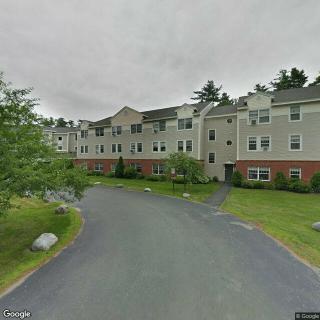
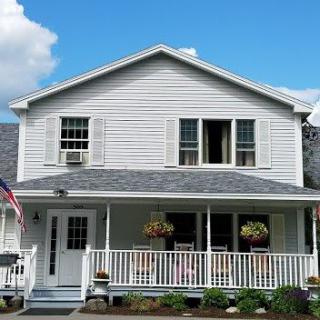
Eugene House is located at 249 Main Road S, Hampden, ME 04444 in Penobscot County, Maine
Nearby Communities
Canoe Club Road
Hampden, ME
Comprehensive care package: 24/7 supervision, ADL support, medication management, diabetes-friendly meals, transportation to appointments, and furnished apartments with dining and activities.
Coldbrook Road
Hampden, ME
Comprehensive care: 24/7 supervision, ADL support, meals, and medical coordination.
Back Winterport Road
Hampden, ME
24/7 supervision with medication management and diabetes-friendly dining.
Westbrook Terrace
Hampden, ME
Fully furnished apartments with comprehensive care and amenities.
Avalon Village
Hampden, ME
4.7 from 3 reviews
Diabetes-focused care with on-site activities and meals
Stoneybrook Road
Hampden, ME
Comprehensive services and amenities for assisted living.
Woodlands Senior Living of Brewer
Brewer, ME
4.2 from 47 reviews
Well-maintained facility with experienced staff and a strong commitment to resident care.
Ellen M. Leach Memorial Home
Brewer, ME
4.6 from 34 reviews
$2,241 to $2,688 / month
Clean, welcoming environment with engaging activities and included nursing services; affordable pricing.
The Country Villa
Bangor, ME
4.5 from 26 reviews
$2,700 to $6,175 / month
Warm, homelike atmosphere with dedicated staff and engaging activities.
Assisted living for adults with disabilities has transformed to provide personalized care and support services aimed at improving residents' quality of life while balancing independence and assistance. However, low-income individuals often face challenges in affording these services, requiring navigation of various financial resources and advocacy for better policies and solutions.
Assisted living facilities provide support for older adults needing help with daily activities without extensive medical care, but their costs can be high and vary by location and services offered. Families often seek various funding options and financial strategies to manage these expenses effectively while considering future needs and potential price increases.
The article discusses assisted living expenses, the importance of long-term care insurance in covering these costs, and various financing options, highlighting the need for careful policy review and early planning to address potential needs. It also clarifies common misconceptions about Medicare and private health insurance limitations regarding long-term care coverage.
Get PricingAsk A QuestionSchedule A TourContact Senior Advisor
By clicking submit, you agree to our Partner's Terms of Use. You
also consent to receive calls and texts, which may be autodialed, from our Partner. Your consent is not a condition to
using our Partner's service. Please visit our Partner's Privacy Policy for information about their privacy practices.



 2 resident community capacity
 Assisted Living
 Cable or satellite TV
 Dining room
 Fully furnished
 Garden
 Housekeeping services
 Move-in coordination
 Outdoor space
 Telephone
 Wi-Fi/high-speed internet available
 Bangor International (6 miles away)
 24-hour supervision
 Activities of daily living assistance
 Assistance with bathing
 Assistance with dressing
 Assistance with transfers
 Diabetes diet
 Meal preparation and service
 Medication management
 Special dietary restrictions
 Transportation arrangement (medical)
 Transportation to doctors appointments
 Comprehensive care package: 24/7 supervision, ADL support, medication management, diabetes-friendly meals, transportation to appointments, and furnished apartments with dining and activities.

 Comprehensive Supportive Living Arrangements for Adults with Disabilities
 Funding and Affording Assisted Living: A Thorough Overview
 Assisted Living Expenses and Long-Term Care Insurance: A Comprehensive Exploration