
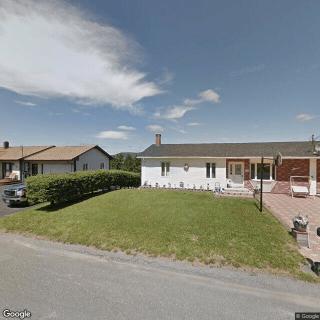
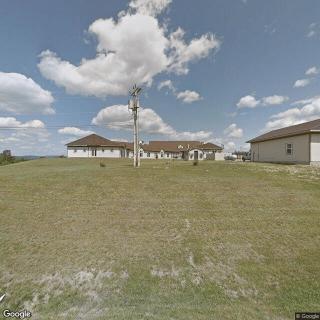
426 Us Route 1, Frenchville, ME 04745
For more information about senior living options: (866) 208-4318
Overall Review of St. Joseph Memory Care
Pros
 Everyone at St Joseph Nursing Home was wonderful and caring.
- The staff at St Joseph Nursing Home were wonderful and caring.
- The reviewer highly recommends St Joseph Nursing Home.
Review
St. Joseph Memory Care in Frenchville, ME is best suited for families seeking an intimate, resident-focused memory care environment where compassionate, attentive staff define the day-to-day experience. The testimonial available paints a picture of a small setting where residents are cared for with warmth, kindness, and steadiness, an arrangement that often yields a sense of safety and reassurance for people living with memory challenges. In practical terms, this facility appears to deliver the kind of consistently human-centered care that can make a meaningful difference in mood, agitation, and daily comfort for residents who value stable relationships with caregivers.
Those weighing options should consider whether a more expansive program or stronger clinical oversight is required. If the priority is highly structured dementia programming, broader campus resources, or rapid access to a wide array of medical services, alternatives with larger staff rosters or more diversified activity offerings may be a better fit. The available information does not demonstrate a wide breadth of reviews or long-term outcome data, so families pursuing one-stop assurance across multiple care dimensions may prefer facilities with a more robust public track record.
The principal strengths evident from the current feedback focus on staff dynamics. The praise that “everyone was wonderful and caring” points to a caregiving team that delivers individualized attention, a hallmark in memory care where routine, familiarity, and empathetic communication reduce anxiety for residents. In a memory-impaired population, such warmth translates into practical benefits: fewer conflicts at mealtimes, smoother transitions between activities, and a greater likelihood that residents remain engaged with familiar rituals. When staffing teams are cohesive and genuinely nurturing, the risk of resident distress can be mitigated even in settings with limited programming variety.
Conversely, the main drawback of relying on a single favorable testimonial is the inherent uncertainty about consistency and scalability. With only one data point, questions remain about how care quality holds across different shifts, weekends, or staff turnover, and whether the program can sustain individualized attention as resident needs evolve. Families should be careful to verify that the level of personal engagement described in one positive review is reproducible over time and across different caregivers. This is especially pertinent for memory care, where subtle changes in routines or caregiver familiarity can influence resident well-being.
When the positive caregiving dynamic is present, it can meaningfully offset the lack of broader corroboration. A intimate setting with consistently kind staff tends to foster trust, reduce agitation, and encourage meaningful engagement, the outcomes most families want for a memory-impaired loved one. The alignment of staff temperament with resident needs often translates into calmer days, improved safety, and easier family communication. In practical terms, this means families may experience fewer crisis moments and more predictable routines, which is a strong counterbalance to the uncertainty that accompanies a single-voice review.
The bottom-line recommendation is clear: St. Joseph Memory Care is a compelling option for families prioritizing genuine, compassionate caregiving in a smaller memory care environment. It is well-suited for residents who flourish with personal attention, predictable daily structures, and the reassurance that caregivers know their names and histories. Families considering alternatives should prioritize facilities with broader testimonial bases, more extensive programming, and demonstrable consistency across multiple staff teams. Before deciding, plan a visit to observe interactions firsthand, request to meet directly with caregiving staff, and review sample care plans, activity calendars, and safety protocols. This approach turns the available warmth into a reliable, evidence-based choice rather than a hopeful impression.
 40 resident community capacity
 Assisted Living
 Beauty salon
 Cable or satellite TV
 Dining room
 Fully furnished
 Garden
 Housekeeping services
 Kitchenette
 Move-in coordination
 Outdoor space
 Telephone
 Wi-Fi/high-speed internet available
 24-hour call system
 Activities of daily living assistance
 Assistance with bathing
 Assistance with dressing
 Assistance with transfers
 Diabetes diet
 Meal preparation and service
 Medication management
 Mental wellness program
 Special dietary restrictions
 Transportation arrangement (medical)
 Transportation to doctors appointments

 When to Transition from Assisted Living to Memory Care: Key Indicators, Steps, and Finding the Right Community
 Assisted Living and Memory Care: Understanding Their Core Differences
 Beyond the Bingo Hall: 50+ Enriching Activities for Seniors in Assisted Living