
1300 Main Road, Eddington, ME 04428
For more information about senior living options: (866) 208-4318
Overall Review of Commonsense Housing - Kountry Korner
Pros
 The caring group of people are professional and intelligent.
- The facilities are nice and the staff are good.
- Common Sense Housing is a great place for loved ones to live and be cared for.
- The members are wonderful.
- The house administrators are great to work with.
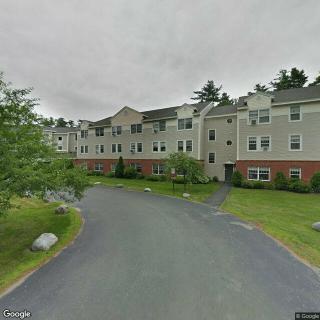
- It is a very pretty place.
Cons
 The family did not have a good experience with this company; their loved one’s care and communication was always a struggle.
- The staff were intimidated, threatened, and bullied by the two head administrators.
- Some staff were very unmotivated and would not wipe up spilled drinks and food from the floor, creating a hazard and being disgusting.
- Day shift seemed to think they did not have to clean up after the members or themselves.
- The main admins needed management training and showed a lack of appreciation and respect for the workers who keep the business running.
Review
This community in Eddington, ME is best suited for seniors who value a hands-on, caregiver-first environment and a homelike setting, and for families willing to tolerate some inconsistency in administrative communication while prioritizing day-to-day quality of care. The front-line staff and the overall atmosphere are the core strengths, making this a reasonable choice for residents who respond well to personal attention, regular routines, and a pleasant living space. Those who prize steady, proactive administrative follow-through and transparent, frequent family updates may find the balance more challenging here and should set clear expectations from the outset.
Those considering alternatives should weigh the potential gaps in leadership-based communication against the demonstrated strengths on the floor. For families needing highly structured oversight, predictable response times, and formalized care coordination, other options with centralized administration and more consistent family reporting may be a better fit. Larger operators or communities with explicit escalation protocols often deliver greater administrative visibility, even if the bedside care culture varies. In short, this facility rewards warmth and trust in frontline caregivers but can fall short on steady administrative accountability.
Pros cited by residents and families largely center on the human and environmental touchpoints. The staff are described as caring, professional, and intelligent, with several affirming that the team can be trusted with family members. The facilities themselves are praised for being pleasant and well-maintained, contributing to a calm, homelike feel that supports daily comfort and routine. In practice, this translates to reliable interpersonal care, with many caregivers delivering meaningful, if sometimes imperfect, support that residents and families can depend on day to day. These strengths provide a strong counterweight to organizational friction that occasionally surfaces in reviews.
Yet the main drawbacks revolve around administration and day-to-day consistency. Several accounts point to tension or discomfort between frontline staff and the two head administrators, with feedback suggesting that leadership dynamics can undermine morale and communication. There are explicit concerns about some staff lapses, particularly a perception that certain workers lack motivation to clean up spills or maintain floors, which poses safety and hygiene risks for residents. Day shift inconsistencies contrast with overnight performance, and the perception that administrative culture may not always recognize or reward frontline effort further complicates day-to-day reliability. Taken together, administrative climate and variable housekeeping become meaningful considerations for families.
In practical terms, the positives can offset some of the negatives if families plan proactively. Strong relationships with frontline caregivers and a welcoming environment can sustain high-quality daily care even when messages from above are less consistent. The care teams’ reliability, when combined with a pleasant physical setting, can produce a steady quality of life for residents who stay engaged and voice concerns directly to the bedside staff. The upside is real: compassionate care, personal attention, and a comfortable living space can deliver meaningful daily value that balances the administrative shortcomings observed in some reviews. Careful observation and clear, ongoing dialogue with staff help ensure that expectations align with lived experience.
For families evaluating this community, the practical path is to tour with a structured checklist and to press for concrete points of contact and escalation paths. Ask who updates families regarding care plans, how often updates are provided, and who responds to concerns after business hours. Shadow a typical day, talk to both overnight and day staff, and inquire about turnover and training focused on hygiene and safety. Request recent references from families with similar needs and demand transparency about administrative roles and decision-making. If possible, arrange a short trial period to observe whether care consistency improves with explicit expectations and stronger direct communication with front-line teams.
Bottom line: this community is not a one-size-fits-all solution. It offers a compassionate caregiving core and a welcoming environment that can significantly enhance daily life for residents who respond to personal attention and stable routines. However, families with a high premium on administrative clarity, formalized updates, and uniform housekeeping across shifts may prefer alternatives with more centralized oversight and demonstrable systems for accountability. The prudent choice involves aligning expectations with the realities of leadership dynamics and frontline care, then instituting clear communication protocols and a defined evaluation period to determine fit.
 6 resident community capacity
 Assisted Living
 Cable or satellite TV
 Dining room
 Fully furnished
 Garden
 Housekeeping services
 Move-in coordination
 Outdoor space
 Telephone
 Wi-Fi/high-speed internet available
 Bangor International (12 miles away)
 24-hour supervision
 Activities of daily living assistance
 Assistance with bathing
 Assistance with dressing
 Assistance with transfers
 Diabetes diet
 Meal preparation and service
 Medication management
 Special dietary restrictions
 Transportation arrangement (medical)
 Transportation to doctors appointments


 Exploring the Contrasts Between Assisted Living and Skilled Nursing
 8 Key Indicators That Suggest It May Be Time to Transition from Assisted Living to Skilled Nursing Care
 Vibrant Senior Living: A Comprehensive Guide for Active Older Adults