
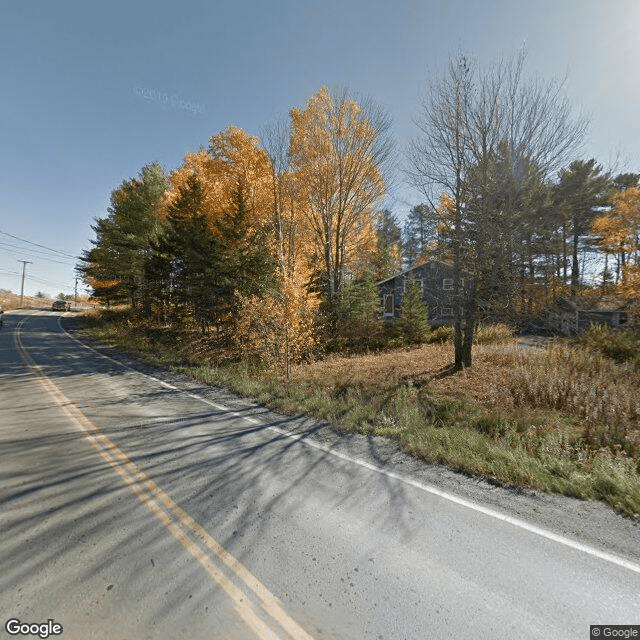
924 Odlin Rd, Bangor, ME 04401
To contact a resident: (207) 945-4821
For more information about senior living options: (866) 208-4318
Overall Review of Residential Options
Pros
 The staff are described as great guys.
- The presence of a video camera is credited with encouraging drivers to slow down.
- The videos are being forwarded to Maine DOT and the Registry.
Cons
 The driver speeds everywhere, including through school zones, putting pedestrians at risk.
- The driver is aggressive and violent; when asked to slow down, he pulled over, jumped out of his truck, swore, and chased the person.
- The driver is a danger and should be off the road.
- The company hired a dangerous driver who tailgated, blocked, and terrorized a couple; the company ignored reports and is not safe to use.
- The driver went over 60 mph all day and nearly hit a stop sign.
- There is video evidence of the dangerous driving, with 25 videos being forwarded to Maine DOT and the Registry.
Review
Residential Options in Bangor is best suited for families and residents who are highly cost-conscious and willing to supervise or supplement daily care and transportation themselves. This community presents as an affordable option, but the price comes with a heavy caveat: reliability and safety are not consistently demonstrated in the reviews. For families prioritizing a lower price above all else, and who are prepared to accept a more hands-on role in coordinating transport and monitoring staff, this option warrants careful consideration. Those needing steady, safety-forward oversight or dependable, predictable transport should look to stronger alternatives.
The strongest signal across the six reviews is a troubling pattern around transportation safety and staff responsiveness. One account portrays a driver who speeds through city streets, ignores posted warnings, and reacts with aggression when challenged. Another review accuses a driver of tailgating and unsafe maneuvering, accusing the company of ignoring safety complaints. A separate note mentions near-miss behavior at a stop sign and continued high speeds. Taken together, these anecdotes suggest a transportation framework where resident safety hinges on the temperament of individual drivers and the organization’s willingness to address concerns rather than on a standardized, proactive safety culture.
There are a couple of five-star ratings, which imply that some experiences are acceptable or even positive. Yet these positives are hard to reconcile with the gravity of the transportation issues described in the majority of reviews. A minor nod about helpful staff interactions or vendor cooperation shows in some comments, but it does little to offset the central danger highlighted around driving reliability. In a setting where residents rely on routine, safe transport to appointments and activities, the existence of volatile driving behavior and a slow or nonresponsive complaint process undermines the overall value proposition and erodes trust in daily operations.
Anyone who cannot tolerate uncertain transport safety should actively consider alternatives. There are Bangor options with clearer transportation policies, stronger safety training, and more transparent incident-response mechanisms. Look for communities that publish safety metrics, require thorough, ongoing driver background checks, and show a consistent track record of promptly addressing concerns. For residents with mobility or cognitive needs who require reliable scheduling and predictable service, greener pastures with a proven safety-forward approach will far better protect wellbeing and independence.
To evaluate this option rigorously, ask for specifics before committing. Request a formal transportation policy detailing driver qualifications, ongoing training, and how incidents are reported and resolved. Obtain the latest safety metrics, confirm whether transport is handled in-house or by third parties, and learn how performance is monitored. If possible, request to shadow a ride or observe a trip to assess driving behavior, communication, and adherence to safety rules. Speak directly with current residents and families about how safety concerns were handled and resolved, and check state licensing and any safety-related regulatory actions to gauge the facility’s true commitments.
In sum, the prudent conclusion is practical and uncompromising: safety and dependable transport are non-negotiable for a meaningful assisted-living arrangement. Residential Options may deliver on cost, but the documented concerns about transportation safety and inconsistent service quality weigh heavily against it. For families weighing next steps, prioritize communities with transparent safety records, proven transport reliability, and responsive governance. If those assurances cannot be obtained, it is wiser to pursue stronger alternatives first, ensuring that a loved one’s daily life remains safe, predictable, and supported.
 Board and Care Home
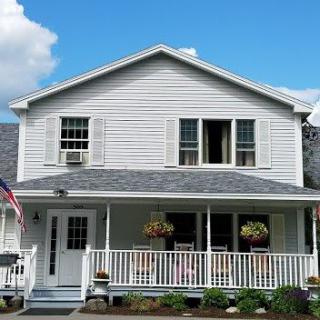
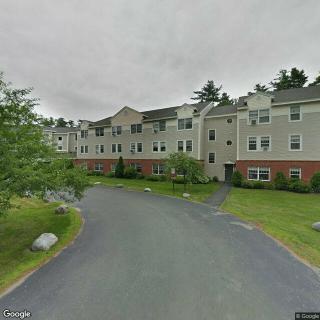
 Bangor International (2 miles away)

 Comprehensive Insights into Palliative Home Care: What It Is and What to Expect
 Skilled Nursing Facilities vs. Nursing Homes: Making Sense of the Differences
 A Detailed Examination of Nursing Home Costs Across the U.S.