
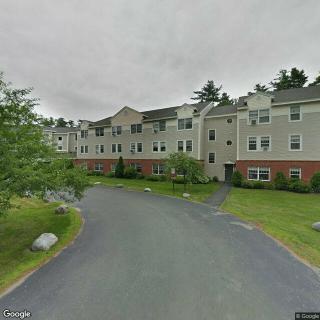
546 Pinetree Road, Hermon, ME 04401
For more information about senior living options: (866) 208-4318
Overall Review of Ohi - 546 Pine Tree Road
Pros
 OHI is a much-needed organization helping so many people.
- OHI is a great organization that helps people in need every day.
- The staff are the most caring and compassionate individuals.
- They go above and beyond for all their clients.
- Your loved ones are truly loved.
- OHI is awesome.
Cons
 They were not impressed with the care provided to their family member; care was refused for four days and she was made to do things she did not want to do; things looked grim.
- Someone answered and hung up on them.
Review
OHI at 546 Pine Tree Road in Hermon, ME is best suited for families seeking a warm, community-focused supportive housing environment where staff are expected to form real relationships with residents and provide daily living assistance. The model appears to reward stability and continuity, with at least one resident noting eight-plus years in supportive housing and another praising staff for going above and beyond in care situations. This setting works best for residents who prioritize interpersonal connection, a home-like routine, and accessible assistance over formal, round-the-clock medical oversight. It is not pitched as a high-medical, high-supervision option, and those whose loved ones require constant nursing attention may outgrow its scope.
Those considering alternatives should note who may be better served elsewhere. Families needing reliable, immediate medical response or strict 24/7 nursing supervision should look beyond this community. Residents with significant cognitive impairment or complex health needs requiring continuous medical management may require a setting with on-site nurses and more structured clinical oversight. In addition, reviews highlight variability in responsiveness and care coordination, so households that demand rigorous, transparent communication and escalation processes should compare multiple options before committing.
The strongest, most tangible pros are the staff’s evident compassion and the sense that residents are genuinely cared for. Positive observations describe care teams going “above and beyond” and families feeling that loved ones are loved and supported. This relational warmth can be a decisive offset for families who prioritize daily kindness, meaningful social contact, and a stable, predictable living environment. However, these strengths are not a substitute for reliable medical management or proactive care coordination; when medical needs spike, the absence of consistent oversight can become a major risk if plans aren’t clearly defined and monitored.
Conversely, there are clear red flags in the care and communication arena. A reviewer reports a family member being refused medical care for four days, which raises serious questions about clinical oversight, emergency responsiveness, and the protection of resident rights. Other accounts mention poor intake experiences, being told someone would call back, then receiving a rushed or dismissive response, and a general sense of uneven communication. Although one staff-only praise exists, the mixed reviews suggest that experiences may vary by shift, by unit, or by individual staff, making consistent quality harder to guarantee.
From a decision-making standpoint, prospective families should conduct a thorough pre-admission assessment focused on medical oversight and care planning. Key steps include a candid tour with questions about medication management, physician access, and emergency procedures; a clear review of what “supportive housing” covers versus any extra paid services; and direct conversations with current residents or families about communication reliability and care responsiveness. Request current staffing ratios, case-management practices, and the facility’s escalation protocol for concerns. Demand written care plans that specify who manages medical decisions, how often they are reviewed, and how concerns are communicated to families.
In sum, OHI holds promise for households that prize warmth, stability, and a strong sense of community, with staff who appear genuinely invested in residents’ well-being. Its weaknesses center on medical oversight gaps and inconsistent communication, issues that can materially affect safety and satisfaction for residents with higher care needs. If the choice is narrowed to this community, approach with disciplined due diligence: verify medical oversight, demand transparent communication channels, and insist on concrete care plans. If these assurances cannot be secured, or if medical acuity is higher, alternatives offering more robust clinical staffing are advisable to prevent avoidable risk and ensure that daily care aligns with resident needs.
 4 resident community capacity
 Assisted Living
 Cable or satellite TV
 Dining room
 Fully furnished
 Garden
 Housekeeping services
 Move-in coordination
 Outdoor space
 Telephone
 Wi-Fi/high-speed internet available
 Bangor International (7 miles away)
 24-hour supervision
 Activities of daily living assistance
 Assistance with bathing
 Assistance with dressing
 Assistance with transfers
 Diabetes diet
 Meal preparation and service
 Medication management
 Special dietary restrictions
 Transportation arrangement (medical)
 Transportation to doctors appointments



 Comprehensive Residential Support and Assisted Living Solutions for Individuals with Disabilities
 Comprehensive Supportive Living Arrangements for Adults with Disabilities
 Funding and Affording Assisted Living: A Thorough Overview