
2967 Carmen Dr, Baton Rouge, LA 70809
To contact a resident: (225) 776-0135
For more information about senior living options: (866) 208-4318
Overall Review of Our House for Respite
Pros
 The staff at Our House for Respite are compassionate, professional, and truly dedicated to their residents.
- They take excellent care of loved ones and treat them with love in a family environment.
- Verly Polk and Hamah Young are devoted leaders who create a welcoming, home-like setting.
- Families experience peace of mind knowing their loved ones are well cared for and attended to.
- The home is clean, well-maintained, and feels like a true family member’s residence, with home-cooked meals and thoughtful spaces.
- The staff view residents as family and go above and beyond to provide tender, personalized care.
- The facility is described as a blessing and a gift to families, reflecting heartfelt care and support.
Review
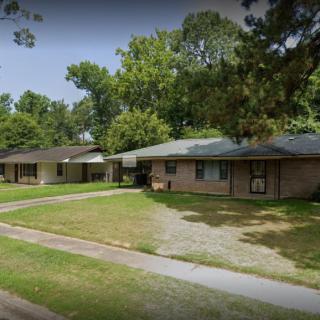
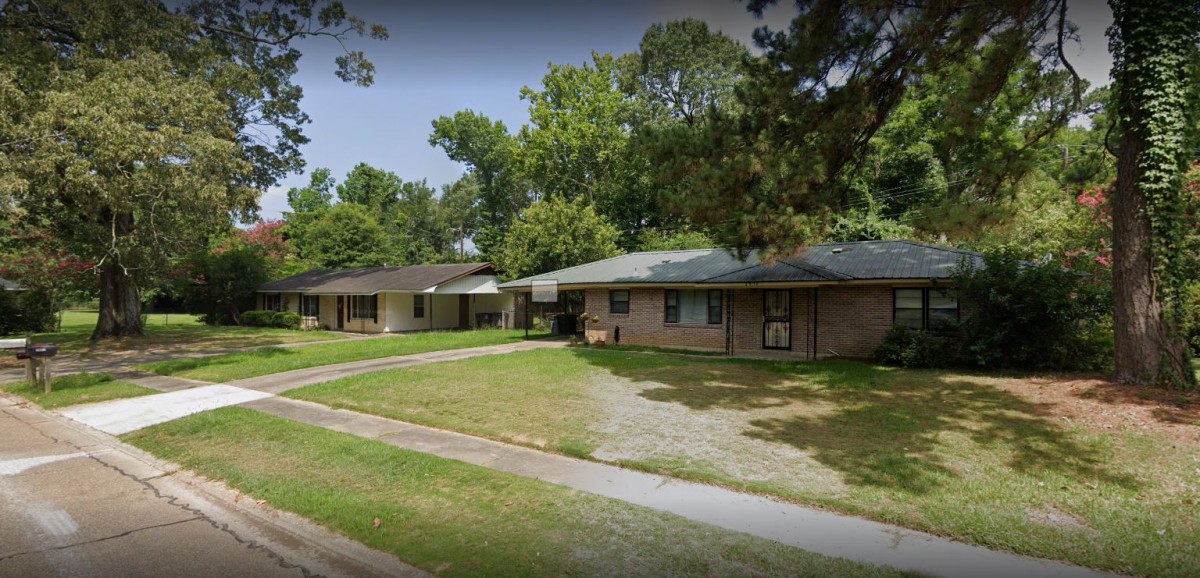
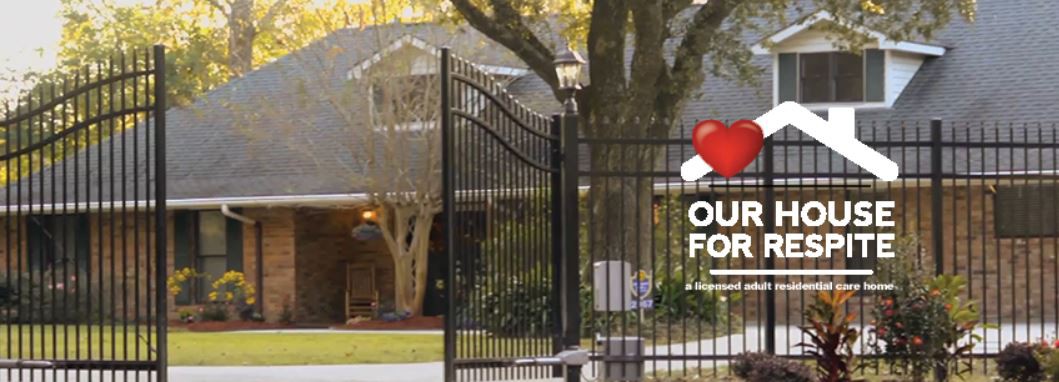
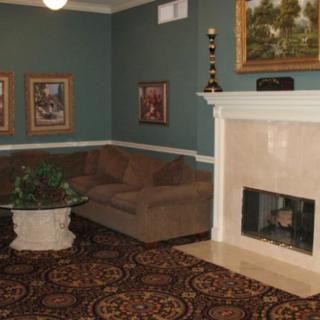
Our House for Respite in Baton Rouge is best suited for families seeking a small, home-like setting where an elderly loved one can receive intensely personal, loving care, especially when memory challenges are involved and respite support is needed. The community is a quiet, gated residence with spacious common areas, a kitchen that turns out home-cooked meals, and a climate of warmth that makes visits feel natural rather than clinical. The owners, Verly Polk and Hamah Young, are hands-on, and their team operates with a family ethos that translates into daily interactions that feel more like a extended family caring for a parent than a traditional facility caring for a patient. For families prioritizing peace of mind, this is the core value delivered.
There are clear boundaries where alternatives may be more suitable. Families needing high-acuity medical oversight, hospital-level monitoring, or a structured, hospital-like program will likely find a larger assisted living or dedicated memory-care campus a better match. Long-term, ongoing residential care with stringent regulatory or therapy requirements may outgrow the capacity of a small, residential caregiving model. Those who insist on a formal, clinical atmosphere, frequent on-site physicians, or extensive on-site therapies may crave options with broader staffing and more standardized programming. In short, when acuity exceeds the scope of a home-style operation, it’s prudent to explore other facilities.
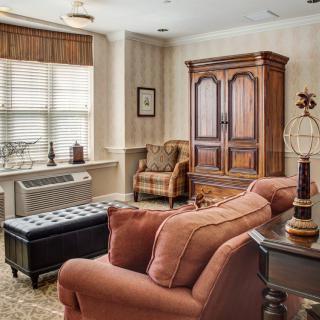
What stands out as strong pros are not merely pleasant descriptions but clear, experience-backed advantages. The intimate setting enables highly individualized attention; residents are treated with continuity and genuine warmth, reducing the sense of transition that often accompanies care changes. Families repeatedly note the staff’s compassion, patience, and personal investment, which translates into fewer moments of stress for caregivers and more consistent routines for residents. The home-like environment, complete with a cozy living room, dining area, and accessible outdoor space, supports a dignified daily rhythm, while cleanliness and a well-maintained property reinforce trust. Most important, the staff’s approach often makes family visits feel natural and welcomed, reinforcing a sense that the resident is cherished.
Those same strengths help offset the most plausible drawbacks of a small, private-care setting. The absence of a large medical team can be a concern for families that require aggressive clinical management or a wide array of on-site therapies. However, the trade-off is substantial: a smaller operation can deliver far more attentive, individualized care, with staff who know the resident’s routines, preferences, and evolving needs in real time. The resulting peace of mind, knowing a loved one is in a place where caregivers see them as family, not as a chart, can outweigh the need for a hospital-like environment. In dementia care and incontinence management, this personalized, patient-centric approach often yields better day-to-day functioning and mood than more impersonal settings.
Practical decision guidance follows naturally. For families in the Baton Rouge area with a loved one who benefits from a home-styled, relationship-driven care model, particularly those seeking respite relief or short-to-mid-term memory care, Our House for Respite should be at the top of the shortlist. Prospective residents should confirm how care plans are tailored to dementia stages, how medications are managed, and how emergencies are coordinated with external medical providers. It’s essential to discuss visitation flexibility, daily schedules, and the degree of family involvement that the home fosters, since those factors almost always determine satisfaction. If a family needs a facility that feels like a comfortable extension of home, OHFR delivers with extraordinary sincerity.
In sum, this community excels at delivering warmth, trust, and practical, compassionate care in a small, residential setting. It is a standout choice for families seeking a nurturing, family-like environment where a loved one can thrive with attentive companionship and routine. The strongest caveat is the absence of a large clinical footprint; for families prioritizing clinical intensity and expansive programming, alternatives should be pursued. For those prioritizing peace of mind, personal connections, and a genuine sense of being cared for as family, Our House for Respite is an exceptionally sound decision.
 Board and Care Home
 Baton Rouge Metropolitan (8 miles away)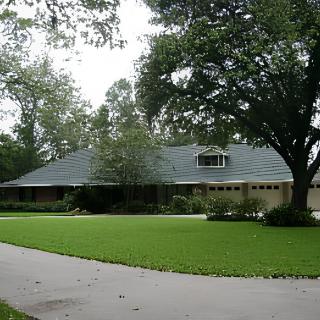




 Home Health Care Aides: Understanding Their Role and Supporting Your Family
 Urinary Tract Infections in Older Adults: Comprehensive Insights on Symptoms, Treatment, and Prevention
 California's Form 602A: An In-Depth Examination of Senior Care Assessment