

6543 East Anchord, Baton Rouge, LA 70816
To contact a resident: (225) 771-8569
For more information about senior living options: (866) 208-4318
Fidelis Care V Costs & Pricing
Fidelis Care V offers competitive pricing for assisted living in East Baton Rouge Parish, Louisiana. For a semi-private room, the monthly cost is set at $3,800, which is slightly below the local average of $3,915 and also lower than the state average of $3,598. In contrast, the cost for a private room at Fidelis Care V stands at $4,200; this rate remains more economical than the parish's average of $4,435 and is notably less than the state average of $4,521. These figures reflect Fidelis Care V's commitment to providing accessible care while maintaining quality support within a vibrant community setting.
| Floor plans | Fidelis Care V | East Baton Rouge Parish | Louisiana |
|---|---|---|---|
| Semi-Private | $3,800 | $3,915 | $3,598 |
| Private | $4,200 | $4,435 | $4,521 |
Senior living communities with a similar price nearby
-
About the same

Homewatch CareGivers
$3,700 to $5,500 / month6.3 miles away -
from +$300 / mo
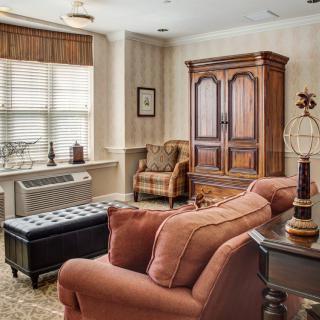
Sunrise Second Baton Rouge Assisted Living
$4,100 to $5,190 / month6.8 miles away -
from +$400 / mo
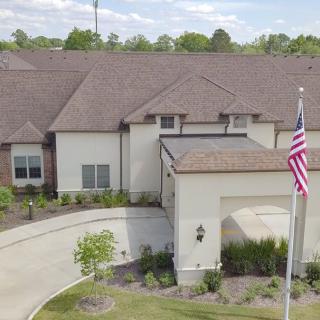
The Pearl at Jamestown
$4,200 / month4.7 miles away -
from +$246 / mo
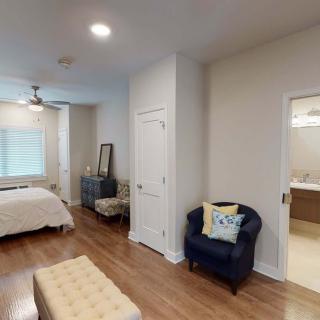
Magnolia Brook On Siegen
$4,046 to $5,695 / month5.7 miles away -
from +$150 / mo
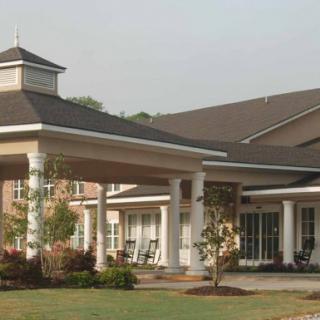
Garden View Assisted Living
$3,950 to $5,500 / month2.6 miles away
Overall Review of Fidelis Care V
Pros
 She is much more alert since being at Fidelis.
- She is being mentally challenged and stimulated.
- They are helping her feel like somebody.
- It has been a great experience for her so far.
Cons
 She was very unresponsive.
- They are "fixing" her up to feel like somebody.
Review
Fidelis Care V in Baton Rouge is best suited for seniors whose families are prioritizing clear cognitive engagement and daily social interaction as a path to renewed responsiveness. This community appears especially fitting for residents who previously drifted toward disengagement at home and who respond to structured routines, attentive staff, and activities designed to stimulate mind and conversation. It is a practical fit for families seeking an assisted living option that emphasizes personal attention, a sense of dignity, and purposeful daily contact rather than a purely custodial experience.
Those weighing alternatives should consider residents with higher medical complexity or a need for extensive skilled nursing, complex wound care, or specialized dementia programming beyond routine cognitive stimulation. If medical oversight needs are constant, or if the preference is for a setting with a broader array of therapy modalities, larger campus resources, or more intensive memory-care interventions, other communities may deliver a closer match. Likewise, families seeking greater independence, a more liberal activity calendar, or a less regimented environment may prefer options that emphasize autonomy over daily structured engagement.
The standout advantages in this case center on a dramatic shift in the resident’s alertness and mental engagement. The review describes a former at-home, relatively unresponsive senior becoming noticeably more alert, engaged, and challenged in a positive, purposeful way since moving to Fidelis Care V. The staff’s approach, framing care in terms of “fixing” the person up to feel like somebody, reads as a deliberate emphasis on dignity, self-worth, and personal connection. That kind of intentional cognitive stimulation and social interaction is not only commendable; it’s the core factor that can meaningfully alter daily quality of life for someone who was slipping into apathy.
There are caveats to weigh, chiefly the limited evidentiary base. A single positive testimonial cannot guarantee uniform results across all residents, and there is no detail here about cost, long-term satisfaction, or how the facility handles varying levels of care needs as conditions change. Without broader corroboration, the extent to which this model consistently sustains improved engagement remains an open question. Nevertheless, the described outcome provides a compelling signal for families whose priority is cognitive vitality and personal relevance for a loved one.
In weighing pros against the unknowns, the potential gains in cognitive vitality and personal dignity are persuasive enough to consider Fidelis Care V a strong option for the right resident. The improvement in alertness and social engagement suggests a program that actively combats isolation and withdrawal, which are common risk factors in aging. For families screening options, this facility offers a concrete demonstration of how purposeful programming and attentive care can translate into meaningful daily outcomes, not just generic care measures. The key is to verify fit through a thorough visit, detailed conversations about daily activities, and a clear plan for ongoing assessment of cognitive and emotional well-being.
The practical next steps are straightforward. Schedule a tour, observe how activities are run, and ask about individualized care plans that target cognitive stimulation, social interaction, and mood support. Inquire about staff consistency, turnover, and the availability of personalized routines that align with a loved one’s history and preferences. Discuss pricing, what’s included in daily care, and whether there are trial periods or interim assessments to gauge real-world impact. If the goal is to reawaken alertness and a sense of personhood, Fidelis Care V presents a credible path, one that families should take seriously and test through direct experience.
 Board and Care Home
 Private
 Baton Rouge Metropolitan (14 miles away)
 Ambulatory care
 Diabetic care
 High acuity care
 Incontinence care
 Meals provided

 Comprehensive Insights and Practical Strategies to Help Older Adults Avoid Falls
 6 Crucial Ways an Elder Law Attorney Assists Families
 Navigating the Tax Landscape of Caregiving: Credits, Deductions, and Beyond