
1025 Robert L Telford Drive, Richmond, KY 40475
For more information about senior living options: (866) 208-4318
Telford Terrace Costs & Pricing
Telford Terrace offers competitive pricing for its residential options, positioning itself thoughtfully within the local and state landscape. The monthly cost for a semi-private room at Telford Terrace is $3,600, which is significantly lower than the average of $4,650 in Madison County, while also remaining slightly more expensive than the state average of $3,681 in Kentucky. For those seeking a studio layout, Telford Terrace's rate of $5,400 stands out as higher than both Madison County's average of $3,644 and Kentucky's lower state average of $3,357. This pricing structure suggests that while Telford Terrace may be on the higher end for studios, it provides a more appealing option for semi-private accommodations compared to the surrounding market.
| Floor plans | Telford Terrace | Madison County | Kentucky |
|---|---|---|---|
| Semi-Private | $3,600 | $4,650 | $3,681 |
| Studio | $5,400 | $3,644 | $3,357 |
Skilled Nursing Facilities with a similar price nearby
-
About the same

Stanford Care And Rehabilitation
$3,583 / month24.9 miles away -
About the same

Clark Regional Medical Center
$3,500 / month19.1 miles away -
About the same

Signature HealthCARE at Tanbark
$3,566 to $3,920 / month19.0 miles away
Overall Review of Telford Terrace
Pros
 The place is amazing.
- The nursing staff and management take an active role in ensuring that all patients receive the best care possible.
- Nursing management continually strives to maintain an excellent rating with state inspections and aims to exceed expectations.
- The home is highly recommended.
- The staff is nice and very helpful.
- There are regular opportunities to engage in activities and socialize.
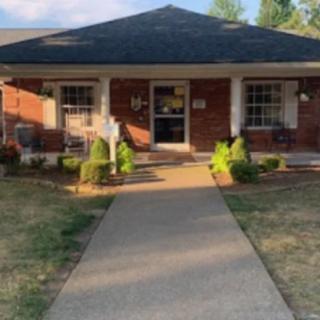
- The standards of cleanliness are high and the atmosphere is warm and welcoming.
Cons
 The DON and several nurses were described as unprofessional.
- Issues were addressed publicly on the floor rather than privately.
- They did not take initiative to come out of the office during meal times to assist the floor.
- They waited until after the meal to make an appearance, while a resident was still finishing.
- Trays were set up in the dining room in front of residents unable to feed themselves, with plates left unsupervised.
- Management refused to pay staff and refused to send them home after accusing them of not working.
- The DON and a subset of nurses were said to have an attitude problem; she allegedly prevented staff from taking breaks.
- A resident was held against her will with no competency evaluation, described as illegal and a violation of protections.
Review
Telford Terrace in Richmond, KY is best suited for families seeking a hands-on nursing presence and a lively, structured daily routine for an active senior. The community earns trust from those who value direct access to nursing leadership, regular interaction with care teams, and a robust calendar of activities that keep residents connected and engaged. It works especially well for residents who thrive on predictable schedules, meaningful social opportunities, and a climate where caregiving is actively prioritized. Families prioritizing unwavering day-to-day leadership consistency or strict resident-rights protections may want to consider alternatives.
On the positive side, the strongest selling points center on nursing oversight and programmatic energy. Nursing leadership is repeatedly described as proactive, with management aiming to exceed expectations and maintain solid state-inspection performance. The environment is noted for cleanliness, with roomy, comfortable accommodations and a sense of warmth. Activity programming appears rich, offering frequent engagement that helps residents stay connected and mentally stimulated. Staff are consistently characterized as nice and helpful, and the program director is perceived as polite and professional. For families prioritizing care quality and an active social life, these factors often carry substantial weight.
Yet these strengths cannot be viewed in isolation from the more troubling patterns surfaced in several accounts. A number of reviewers raise concerns about the day shift leadership, citing unprofessional behavior by the DON and some nurses, including public admonitions and a perceived attitude problem. The concerns extend to operational details that touch safety and dignity, such as meals being left unattended and trays placed in dining rooms for residents who may be unable to feed themselves. Worries about staffing practices, pay disputes, break management, and how agency staff are treated, also surface alongside a alarming claim that a resident was held against her will without a proper competency evaluation. Taken together, these reports are serious enough to demand careful scrutiny.
Do the positive aspects offset the drawbacks? They may for families prioritizing clinical excellence and social engagement, provided there is credible reform and transparent governance that directly addresses the day-shift concerns. The potential to deliver dependable care, driven by engaged nursing leadership and a bustling activity calendar, remains a meaningful upside. However, the reported governance and rights issues represent a fundamental risk to resident autonomy and safety. Until those concerns are visibly resolved and ongoing oversight is demonstrated, the balance tilts away from full confidence.
This is a facility that warrants thorough due diligence from families considering alternatives. Residents who require unwavering, consistent day-to-day leadership and unambiguous adherence to resident-rights protections should likely look elsewhere. Prospective movers should request meetings with the DON and nursing leadership, review the latest state survey outcomes, and observe operations across shifts to gauge how issues are handled in real time. Ask about meal-service coverage, staff breaks, and the procedures in place to honor POA decisions and protect resident autonomy. If gaps persist, it is prudent to explore other communities with stronger continuity of care and governance.
In sum, Telford Terrace offers a practical, hands-on option for those who prize active programming and solid nursing oversight, so long as the facility demonstrates meaningful improvements in day-shift leadership and resident-rights protections. For residents who demand unwavering consistency and privacy, or for families unwilling to accept potential governance irregularities, alternatives should be the default starting point. The prudent approach is a rigorous onsite assessment: engage frontline staff, inspect dining and supervision practices, review complaint resolutions, and verify current staffing patterns. With the right resident profile and a disciplined oversight plan, this community can deliver a solid quality of life.
 26 resident community capacity
 Assisted Living
 Continuing Care Retirement Community (CCRC)
 Skilled Nursing Facility
 Beauty salon
 Cable or satellite TV
 Dining room
 Fully furnished
 Garden
 Housekeeping services
 Kitchenette
 Move-in coordination
 Outdoor space
 Restaurant-style dining
 Small library
 Telephone
 Wi-Fi/high-speed internet available
 24-hour call system
 Activities of daily living assistance
 Assistance with bathing
 Assistance with dressing
 Assistance with transfers
 Diabetes diet
 Medication management
 Mental wellness program
 Special dietary restrictions






 Assisted Living and Memory Care: Understanding Their Core Differences
 Beyond the Bingo Hall: 50+ Enriching Activities for Seniors in Assisted Living
 Understanding the Distinctions: Assisted Living and Memory Care Explained