
111 Coconut Grove Drive, Nicholasville, KY 40356
For more information about senior living options: (866) 208-4318
Overall Review of Council Oaks Assisted Living Home Of Nicholasville
Pros
 The facility feels homey, small, and intimate.
- The staff are friendly, kind, and helpful.
- The meals are home-cooked and very good.
- Residents and staff feel like family.
- The staff are compassionate, loving, and caring.
- The facility provides Alzheimer's and dementia care with 24-hour skilled nurses.
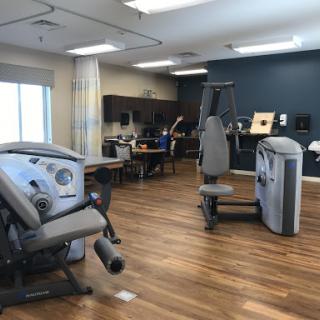
- There are many activities for residents, including exercise programs, a salon, and physical therapy.
- Musical entertainment is provided several times a week.
Cons
 The facility was very small.
- Everything was close together.
- The hallways were wide, which made it hard for a wheelchair to travel.
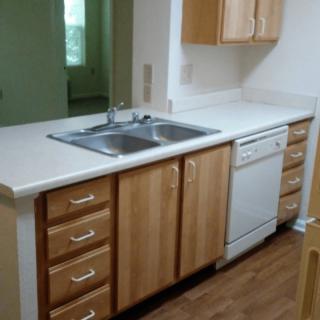
- The rooms were very small.
- The facility had only a half bath in a room and a community shower, which was not liked.
- The community was so small and did not offer a lot.
Review
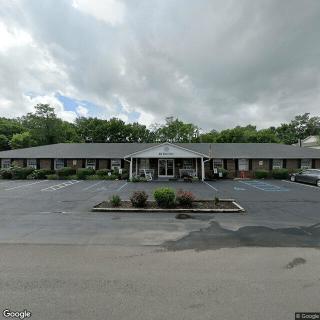
Council Oaks Assisted Living Home of Nicholasville is a strong fit for seniors who want a warm, home-like setting with a tightly knit staff that treats residents like family. It excels for those who can thrive in an intimate, low-traffic environment where caregiving is personal and consistent, and for families prioritizing devoted dementia and memory-support care integrated with general assisted-living services. The small footprint can feel comforting to residents who value familiarity, predictable routines, and direct access to caregivers who know their preferences. The location adds a practical edge, placing essential services, shops, and medical access within easy reach for daily needs and short trips.
But this community may not meet every senior’s ideal profile. Alternatives deserve consideration for families seeking larger campuses, more private living space, or a broader, more varied activity calendar. Those who prize expansive common areas, multiple recreation options, or a modern, resort-like atmosphere may find the atmosphere at Council Oaks too intimate or basic. If privacy concerns or the availability of private apartments with en-suites, a robust on-site amenities slate, and a wide array of daily programming are non-negotiable, it’s prudent to compare with larger facilities or dedicated dementia-care communities.
The strongest points align closely with the staff culture and clinical capabilities. Residents benefit from genuinely caring, approachable staff and an atmosphere described as familial by families who placed loved ones there for years. The facility emphasizes 24-hour nursing presence and specialized dementia care, which offers reassurance to families dealing with memory-related needs. Food plays a meaningful role here, described as home-cooked and of solid quality, with a rotating menu and vegetarian options; the small-scale dining experience reinforces the sense of community. On-site services like daily exercise, a salon, physical therapy, and regular musical entertainment contribute to a meaningful, routine-paced day that many families value in a long-term care setting.
However, the practical downsides are real and weigh heavily in decision-making. The building’s small size translates into very compact rooms, some with only a half bath in-room and a shared community shower, limiting privacy and personal space. While the environment feels cozy, it also channels a skilled-nursing vibe rather than the autonomy some seniors seek in assisted living. The activity slate, while containing exercise programs and regular performances, appears limited beyond crafts, potentially leaving residents needing more diverse enrichment opportunities unfulfilled. For mobility and independence, the tight corridors and close quarters can be a challenge for wheelchair users or anyone who requires extra maneuvering space.
From a decision standpoint, the pros, compassionate, long-tenured staff; strong dementia-capable care; home-style meals; meaningful daily activities; and a highly walkable, service-rich location, do offset several of the most notable cons, but not all. Families should weigh the comfort and safety of a small, family-like setting against the potential frustration of limited private space and a narrower activity lineup. For residents whose priority is being known by name and supported by a consistently devoted team, Council Oaks delivers exceptional value. For those who require larger private living areas, more varied daily programming, or a more modern campus feel, alternatives should be seriously explored.
In practical terms, families evaluating Council Oaks should visit with a detailed checklist: review room configurations and bath access, observe how staff interact with residents, ask about the depth of dementia care and daily activity options, and request a glimpse at the monthly calendar to gauge consistency and variety. Clarify the exact costs, what is included versus add-ons, and whether private-pay or long-term care coverage applies. Also assess the neighborhood context: proximity to emergency services, grocery stores, and social opportunities matters for long-term quality of life. If the goal is a deeply nurturing, family-forward environment with reliable clinical support, Council Oaks is a compelling choice; if a larger, more expansive campus with broader amenities is desired, other options in the area deserve to be part of the comparison.
 19 resident community capacity
 Studio apartments
 Assisted Living
 Board and Care Home
 Memory Care
 Beautician on-site
 Cable or satellite TV
 Dining room
 Financial aid
 Fully furnished
 Garden
 General store
 Housekeeping services
 Laundry
 Move-in coordination
 Outdoor space
 Party space
 Respite or short term stays offered
 Telephone
 Wi-Fi/high-speed internet available
 Blue Grass (10 miles away)
 24-hour supervision
 Activities of daily living assistance
 Assistance with bathing
 Assistance with dressing
 Assistance with transfers
 Diabetes diet
 Meal preparation and service
 Medication management
 Physical therapy
 Special dietary restrictions
 Transportation arrangement (medical)
 Transportation to doctors appointments
 Arts and crafts
 Educational speakers / life long learning
 Fitness programs
 Games
Games Live musical performances
 Religious services
 Stories
 English


 Dementia-Related Hallucinations: Causes, Experiences, and Practical Approaches
 Illuminating Insights About Alzheimer's Disease: Ten Crucial Realities
 A Thorough Discussion of Medications Potentially Linked to Dementia Risk