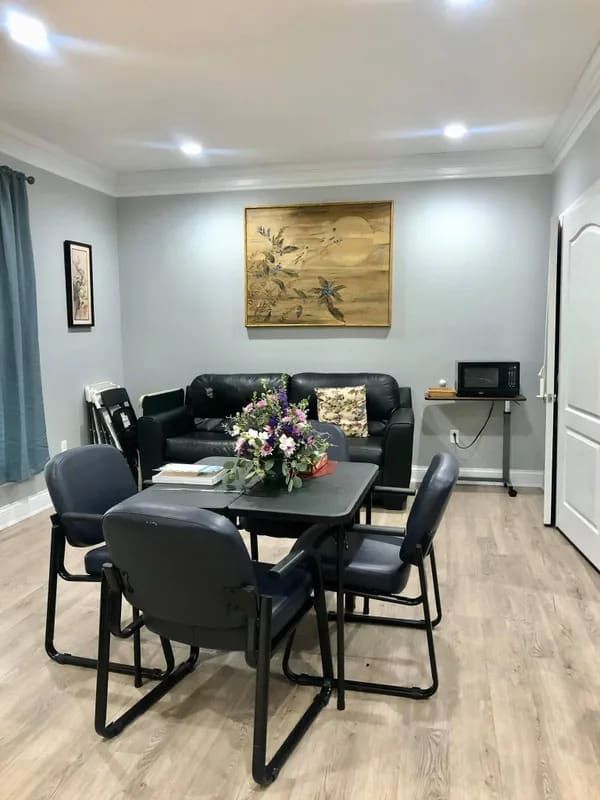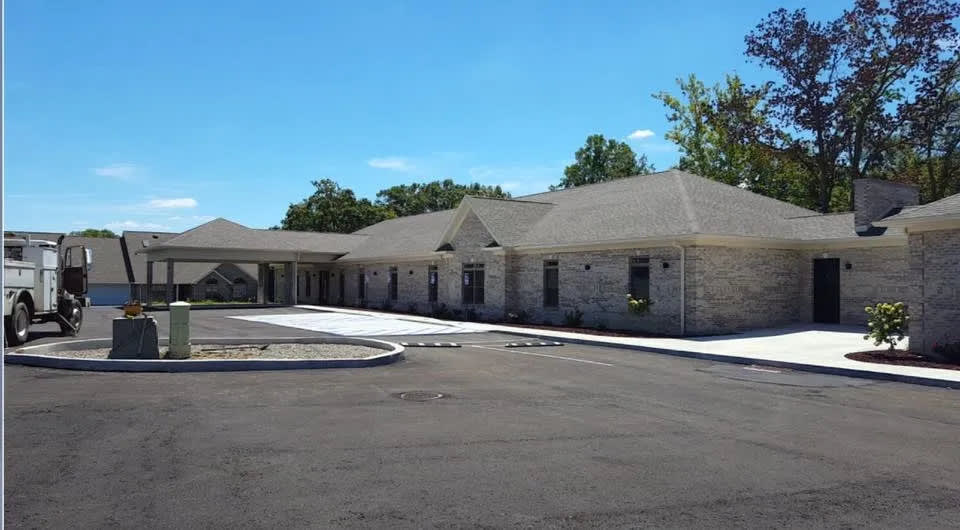
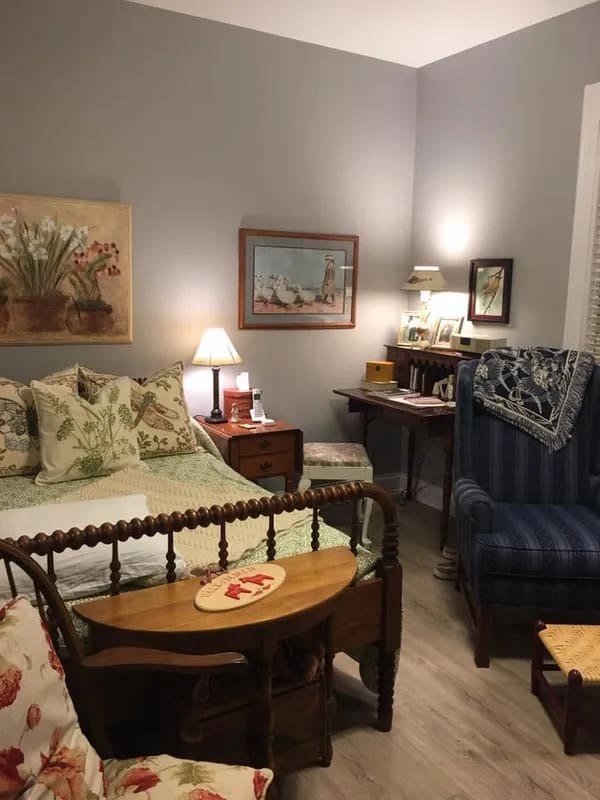
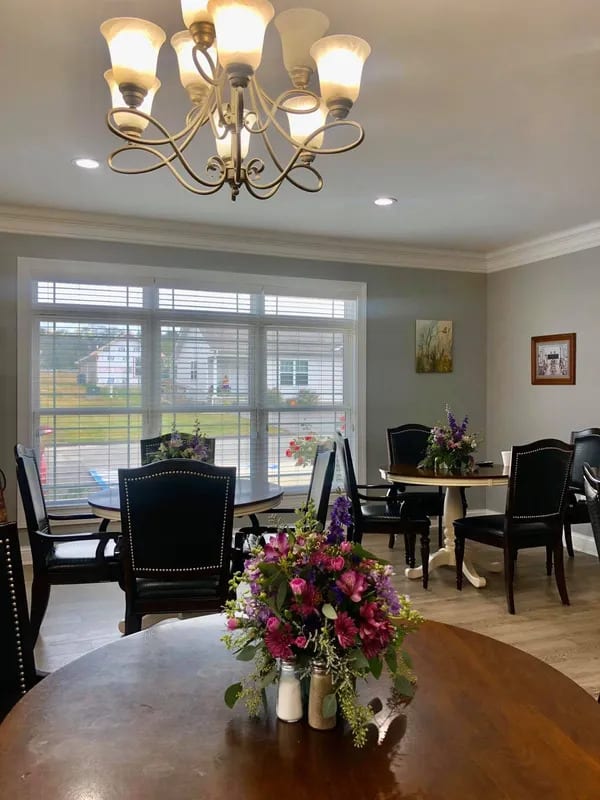
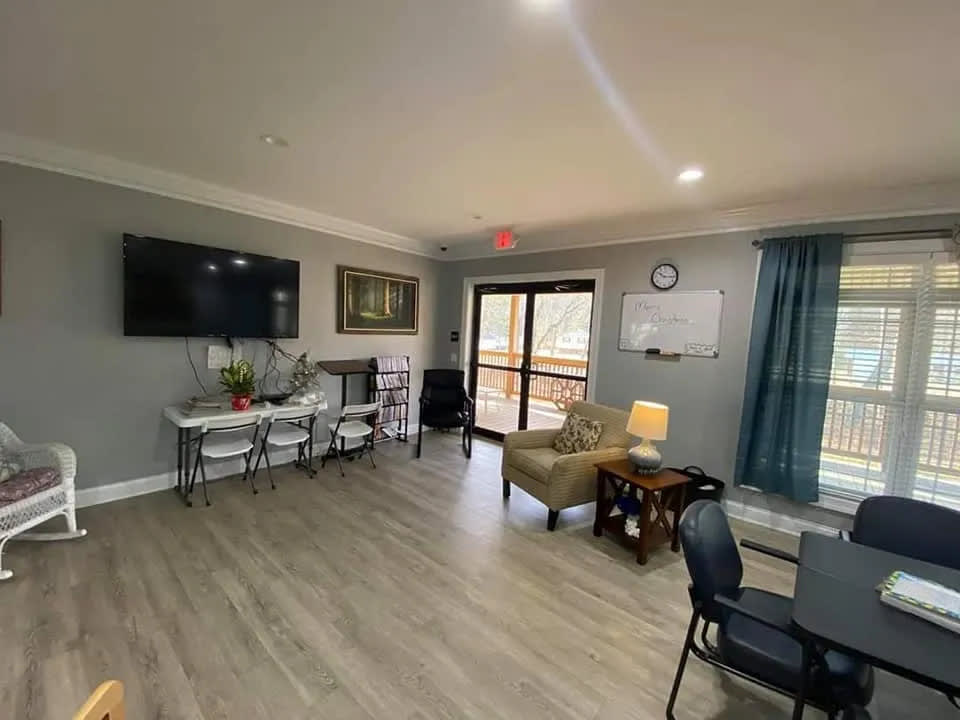
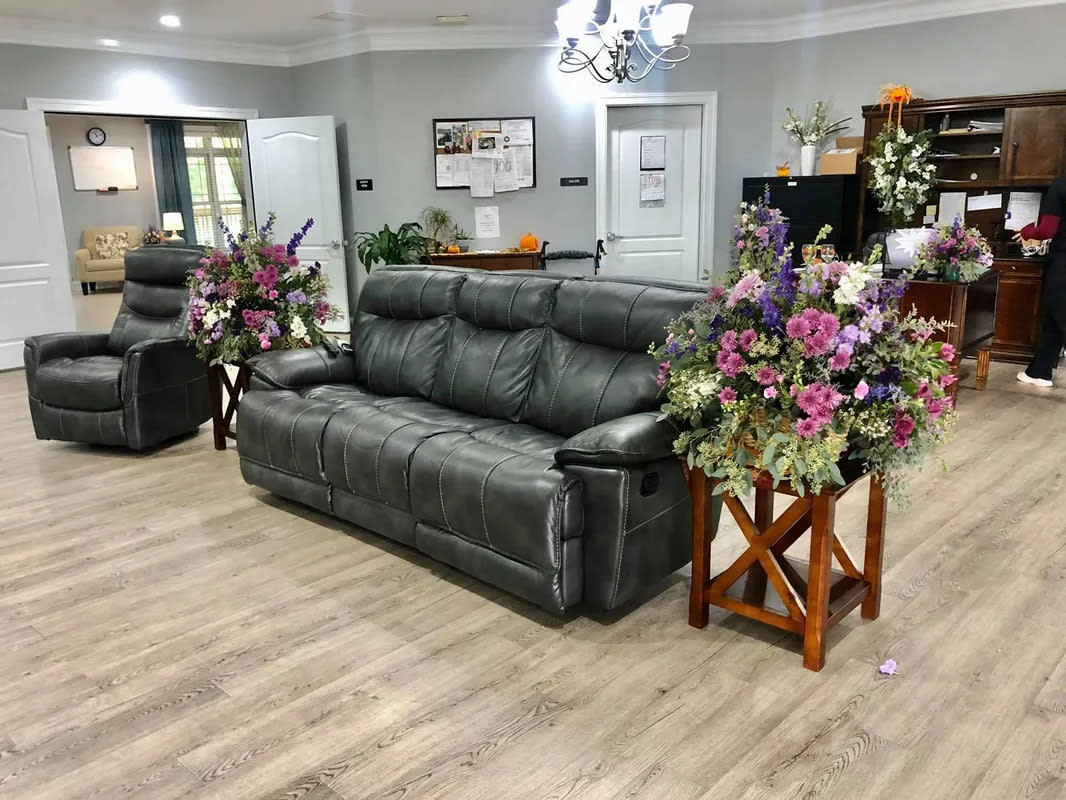
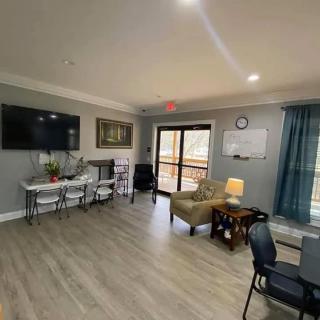
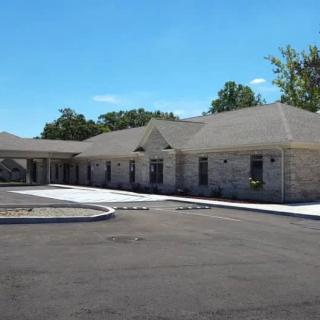
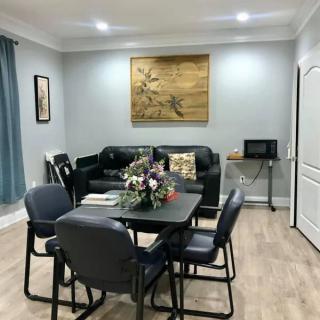

200 Northfork Drive, Morehead, KY 40351
For more information about senior living options: (866) 208-4318
Northfork Senior Living Costs & Pricing
Northfork Senior Living offers competitive pricing for its studio accommodations at $2,300 per month, which positions it slightly above the average cost in Rowan County of $2,250. This pricing strategy may reflect the quality of services and amenities provided at Northfork. In comparison to the broader state average in Kentucky, which stands at $3,357 for similar living arrangements, Northfork presents a more accessible option for seniors seeking supportive living environments while maintaining a high standard of care. This balance of affordability and quality makes Northfork Senior Living an appealing choice for residents looking to enjoy their later years with comfort and community support.
| Floor plans | Northfork Senior Living | Rowan County | Kentucky |
|---|---|---|---|
| Studio | $2,300 | $2,250 | $3,357 |
Assisted Living communities with a similar price nearby
-
from -$100 / mo
Cave Run Manor
$2,200 to $3,300 / month7.8 miles away
Overall Review of Northfork Senior Living
Pros
 The staff are friendly, caring, and helpful.
- The community is clean.
- They really like the place.
- Their number one priority is the residents.
- He is very well taken care of.
Cons
 Lisa, who runs the facility, treats veterans like garbage.
- She yells at veterans in front of everyone and belittles them.
- The food provided to veterans is horrible, with tiny portions and limited options; meatloaf is the size of a pinky finger.
- The facility charges too much for a single room; the owner cares about money, not the residents.
- Steve, the owner, did not deliver on promises about the place, and the food is often bad (sometimes dinner is a peanut butter sandwich with a banana or watery canned soup).
- There is little for residents to do beyond watching TV and staying in their rooms.
- The owner is so cheap he cuts every corner to save money.
Review
Northfork Senior Living in Morehead, KY is best suited for seniors who want a straightforward, no-frills environment where cleanliness and approachable, resident-focused staff are real anchors. This community tends to work well for families that value a warm, small-town feel over upscale amenities, and for residents who can handle a lean activities calendar and some variability in dining. The clearest strengths lie in the on-site team’s willingness to respond to day-to-day needs and in a setting that feels orderly and safe. For families prioritizing dependable daily care and a touch of personal attention, Northfork provides a credible option without the gloss of more high-end competitors.
That said, there are explicit reasons some families will want to consider alternatives. Veterans and their families should be alert to reports of disrespectful treatment from leadership, which can undermine trust in the community’s core promise. Meal quality and portion sizes routinely surface as a major concern, and pricing is criticized as not matching the perceived value of what’s delivered. Transportation and social programming also appear unreliable or underdeveloped, leaving residents with limited out-of-room activity and inconsistent access to appointments or errands. If these issues matter deeply, dignified treatment of every resident, consistently satisfying meals, predictable transport, and engaging daily life, exploring other options is prudent.
The strongest positives here can meaningfully offset certain drawbacks when the match is right. Staff members described as friendly, caring, and helpful consistently surface as a core asset, along with a clean, well-kept community. There is a demonstrated commitment to residents’ well-being, and in at least one case a family member notes that 24-hour care was effectively provided during difficult times. When leadership aligns with those strengths, residents experience attentive day-to-day care and a sense that staff are looking out for them. Those positives create a foundation on which a family can build trust, particularly for a senior who prioritizes consistent personal contact, a respectful bedside presence, and reliable support during emergencies.
However, the cumulative impact of the negatives cannot be ignored and ultimately shifts the balance for most decision-makers. The most consistent and disruptive concerns revolve around food and dining, with recurring reports of poor nutrition, too-small portions, and meals that feel repetitive or unappealing. This is not a minor grievance; for residents who rely on facility meals as a daily staple, inconsistent quality and insufficient variety can erode appetite and overall well-being. Coupled with a perception that the owner’s emphasis is on saving money rather than investing in resident comfort, these dining issues tend to overshadow the better moments of care. In practice, financial tensions around pricing also raise questions about whether residents are receiving fair value, especially when meal quality and activity offerings don’t rise to expectations.
Activity programming and engagement emerge as another decisive fault line. Reviewers noted a lack of meaningful activities beyond passive TV time and solitary room time, with little to do for residents who crave social interaction, purposeful routines, or opportunities to pursue hobbies. This matters especially for seniors who thrive on steady stimulation, companionship, and structured daily life. When coupled with transportation limitations, where scheduled trips to doctors or stores may not be reliably available, the result is a life that can feel siloed, reducing overall satisfaction and accelerating a sense of isolation. In contrast, the few affirmations about staff kindness and resident-first care suggest that with stronger programming and dependable transport, the community’s underlying strengths would translate into a much more compelling overall experience.
The practical takeaway for families evaluating Northfork is straightforward. If choosing this community, demand a candid, concrete plan that addresses the most consequential gaps: a reliable menu rotation with transparent portion sizes and nutrition standards; a published, regular activities calendar with staff-led group opportunities; a dependable transportation schedule with clear contingencies; and a governance approach that aligns cost control with demonstrable investments in resident life. Tour the facility with a careful eye on dining areas and dining service practices; request to observe a meal service or to sample a couple of menu options; review the activities calendar for the upcoming month; ask to meet with the administrator to discuss how resident concerns are recorded and resolved. Above all, talk to current residents about how often they feel listened to, and whether the person in charge truly prioritizes their daily quality of life.
In the end, Northfork Senior Living represents a practical, value-oriented option for a segment of seniors and families who can live with modest amenities in exchange for attentive care and a clean, orderly setting. It is less suitable for those who require consistent, high-end dining, abundant daily activities, and rock-solid transportation reliability, or for families who cannot tolerate leadership that appears to cut corners to protect margins. The right fit comes down to alignment: if daily care and a respectful, friendly staff feel more important than menu variety and scheduled outings, Northfork can be a solid home. If the four Cs, cuisine, calendar, transportation, and leadership, or veteran dignity are non-negotiable, alternatives should be prioritized and compared against Northfork’s documented strengths.
 15 resident community capacity
 Studio apartments
 Assisted Living
 Activities on-site
 Beautician on-site
 Cable or satellite TV
 Devotional services off-site
 Dining room
 Fully furnished
 Garden
 Housekeeping services
 Indoor common areas
 Move-in coordination
 Outdoor space
 Telephone
 Wheelchair accessible showers
 Wi-Fi/high-speed internet available
 24-hour supervision
 Ambulatory care
 Assistance with bathing
 Assistance with dressing
 Assistance with transfers
 Diabetes diet
 Diabetic care
 Meal preparation and service
 Medication management
 Special dietary restrictions
 Transportation arrangement (medical)
 Transportation to doctors appointments
 Bible study group
 Book club
 Cards / pinochle club
 Choir / singing club
 Cooking club
 Stretching classes


 Understanding the Distinctions: Assisted Living and Memory Care Explained
 Guiding Elderly Parents Who Refuse Assisted Living: 6 Practical Steps
 Your Comprehensive Guide to Luxury Assisted Living: Elevated Facilities, Amenities, and Costs