For more information about senior living options: (866) 208-4318
4.5 from 41 reviews
5 stars
29
4 stars
6
3 stars
4
2 stars
1
1 stars
1
The Altenheim Costs & Pricing
The Altenheim offers a range of living accommodations at competitive prices compared to both Jefferson County and the state of Kentucky. For a one-bedroom unit, residents can expect to pay $2,400 per month, significantly lower than the county average of $3,796 and the state average of $3,458. Studio apartments are available for $3,600, which remains slightly above the county's rate but below the state's. The Altenheim's semi-private rooms are priced at $5,610 - a premium compared to the county's $4,048 and the state's more affordable $3,681. However, for those seeking private rooms, The Altenheim's monthly rate of $7,560 surpasses both the county's $5,115 and Kentucky's average of $4,260. Overall, while some options may be higher than nearby facilities or statewide averages, The Altenheim provides a unique environment that reflects its commitment to quality care and community living.
Floor plans
The Altenheim
Jefferson County
Kentucky
1 Bedroom
$2,400
$3,796
$3,458
Studio
$3,600
$3,476
$3,357
Semi-Private
$5,610
$4,048
$3,681
Private
$7,560
$5,115
$4,260
Assisted Living communities with a similar price nearby
Residents and families describe staff as caring, attentive, and easy to communicate with.
Across many reviews, families say the staff treats residents with respect and kindness, and follows through on individual needs. Multiple reviewers also mention clear communication between the staff and family, with the staff encouraging families and giving reassurance. A few comments specifically call out that the care feels consistent over time, not just at the start.
differentiator6 reviews mention this
Multiple care levels, including hospice
The community supports care needs that can change over time, including hospice and skilled care.
Several reviews describe transitions within the community, including moving from independent living into personal care and then into a nursing home wing. Others mention skilled nursing care and the reassurance that comes with having the right level of support as needs change. One review also mentions hospice at the time of admission and describes improved quality of life after the move.
common4 reviews mention this
Meals and dining receive compliments
Residents’ meals and food quality are repeatedly described positively.
Food comes up in several reviews, with families describing the meals as good and noting variety. One reviewer also mentions that the community provides restaurant-style service for residents. A separate comment highlights that the dining experience can be impacted by steps and room size during tours, depending on the resident’s mobility.
common5 reviews mention this
Activities keep residents engaged
Residents benefit from on-site and off-site activities designed to keep them busy.
Multiple reviews mention that residents stay engaged through activities, including regular opportunities to be out in the community and events offered on-site. Families also describe visiting and seeing residents participating rather than staying isolated. In at least one review, activities are described as part of what helps residents remain happy and active.
common7 reviews mention this
Cleanliness is a frequent plus
Many reviewers point to a consistently clean facility and rooms.
Several families describe rooms and common areas as clean, neat, and well maintained. Cleanliness is mentioned alongside care, with one reviewer noting how their loved one is kept clean during regular daily life. A couple of comments also describe the facility’s upkeep as good even while noting it is an older building.
caveat2 reviews mention this
Some staffing conduct concerns reported
A small number of reviews describe troubling interactions with staff.
While most feedback is positive, a couple of reviews raise concerns about staff conduct, including negative experiences involving administration and a maintenance-related interaction. These reviewers describe feeling unsupported or singled out and ultimately choosing not to return in at least one case. Taken on its own, this feedback is limited, but it is distinct from the broader praise about care and communication.
caveat2 reviews mention this
Older building and tight layouts
Some reviewers flag an older, compact layout as a drawback.
During a tour review, the facility is described as old and with steps to the dining hall, plus small rooms that may be less workable for some needs. Another review similarly mentions an older building but says it is well kept, including outdoor seating and a gazebo. These comments suggest the building’s size and access may be a consideration for certain residents or mobility limitations.
How we summarize
Counts show how many written reviews mention each theme; a review can touch several themes, and only frequently mentioned themes are displayed.
Features
Housing
Studio apartments
Types of Care
Assisted Living
Independent Living
Memory Care
Skilled Nursing Facility
Amenities
Activities off-site
Activities on-site
Beautician on-site
Devotional services off-site
Dining room
Housekeeping services
Indoor common areas
Kitchenette
Laundry
Private
Respite or short term stays offered
Transportation
Louisville International-Standiford (4 miles away)
Transportation & parking
Care Services
Ambulatory care
Diabetic care
Hospice care
Meal preparation and service
Medication management
Physical therapy
Dining
Meals provided
Activities
Activities off-site
Activities on-site
Devotional activities offsite
Fitness programs
Religious services
Languages Spoken
English
Nearby Places of Interest
Cafes
Quills Coffee (0.4 miles)
Heine Brothers' - Longest Ave in the Highlands (0.9 miles)
Fante's Coffee (1.5 miles)
Starbucks (1.8 miles)
North Lime Coffee and Donuts (1.9 miles)
Panera Bread (1.9 miles)
Starbucks (3 miles)
Pharmacies
Walgreens (0.4 miles)
Walgreens (1.2 miles)
Walgreens (1.8 miles)
Walgreens (2 miles)
CVS Pharmacy (2 miles)
CVS Pharmacy (2.5 miles)
Walgreens (2.7 miles)
Restaurants
Jack Fry's (0.4 miles)
Agave & Rye (0.7 miles)
Raising Cane's Chicken Fingers (0.8 miles)
Toastys Tavern (0.8 miles)
Guacamole Modern Mexican (1 miles)
Feast BBQ (1 miles)
Grind Burger Kitchen (1.1 miles)
Physicians
Fresenius Medical Care (0.7 miles)
Zimmer Melia & Associates (0.7 miles)
Medcenter One (0.9 miles)
Walman Mark A MD - Waldman Mark A MD (1.1 miles)
Cooley Rachel Dr University Of Louisville Physicians Eye Specialists Louisville (1.3 miles)
The Eye Care Institute (1.4 miles)
First Urology (1.8 miles)
Hospitals
Norton Pavilion Hospital (1.1 miles)
Norton Children's Hospital (1.2 miles)
KentuckyOne Health Jewish Hospital (1.3 miles)
3 East Olop (1.8 miles)
Clark Memorial Hospital (3.2 miles)
Clark Memorial Hospital (4.6 miles)
Places of Worship
St Joseph's (1.3 miles)
Central Presbyterian Church (1.5 miles)
Beechmont Baptist Church (4.2 miles)
Holy Trinity Catholic Church (4.6 miles)
Parks
Waterfront Park (1.6 miles)
Central Park (1.8 miles)
Riverfront Plaza/Belvedere (2 miles)
Cherokee Park (2.2 miles)
Falls of the Ohio State Park (3.1 miles)
Transportation
SDF Arrivals (3.6 miles)
Security Checkpoint (3.7 miles)
Louisville Muhammad Ali International Airport (SDF) (3.7 miles)
The Altenheim offers a range of living accommodations at competitive prices compared to both Jefferson County and the state of Kentucky. For a one-bedroom unit, residents can expect to pay $2,400 per month, significantly lower than the county average of $3,796 and the state average of $3,458. Studio apartments are available for $3,600, which remains slightly above the county's rate but below the state's. The Altenheim's semi-private rooms are priced at $5,610 - a premium compared to the county's $4,048 and the state's more affordable $3,681. However, for those seeking private rooms, The Altenheim's monthly rate of $7,560 surpasses both the county's $5,115 and Kentucky's average of $4,260. Overall, while some options may be higher than nearby facilities or statewide averages, The Altenheim provides a unique environment that reflects its commitment to quality care and community living.
The Altenheim's medication management ensures that residents receive their prescribed medications on time and in the correct dosages, reducing the risk of missed doses or adverse interactions, which is crucial for individuals with cognitive impairments who may struggle with memory. Meal preparation and service are tailored to meet the dietary needs and preferences of each resident, promoting not only nutritional health but also fostering a sense of normalcy and routine that can be comforting for those experiencing memory loss. Additionally, physical therapy provides essential support in maintaining mobility and strength, which can enhance overall well-being and independence; this holistic approach addresses both physical and cognitive challenges associated with dementia and Alzheimer's disease, facilitating a better quality of life for residents.
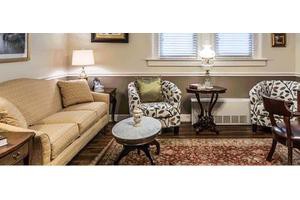
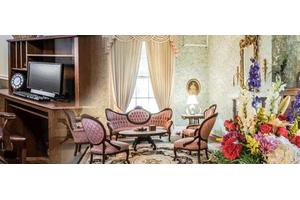
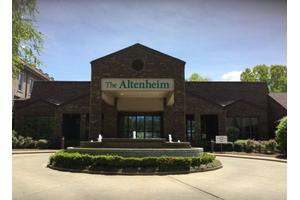
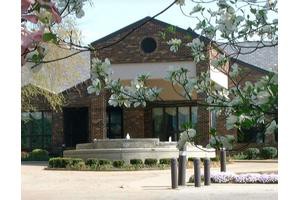
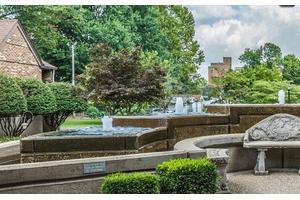
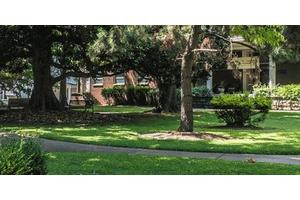
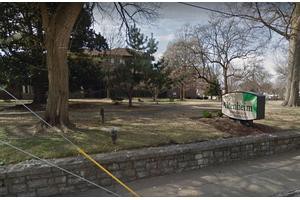
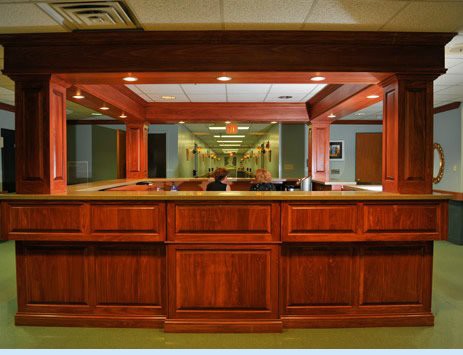
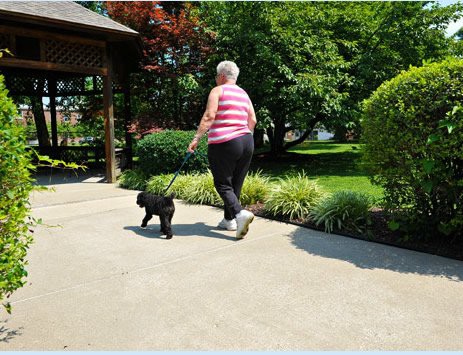
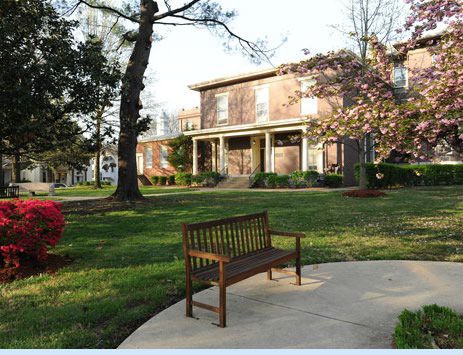
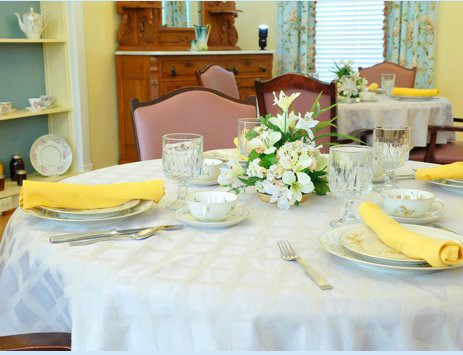
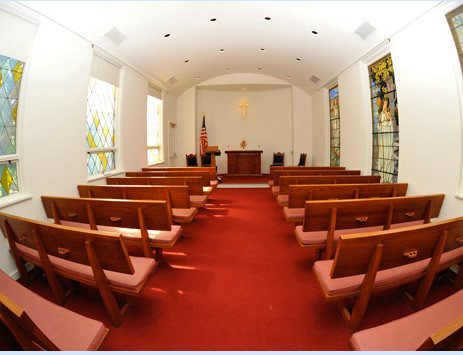
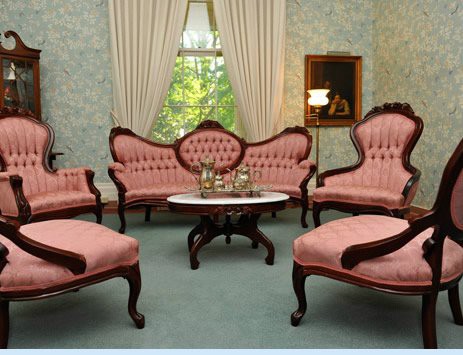
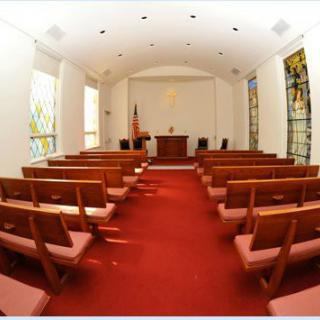
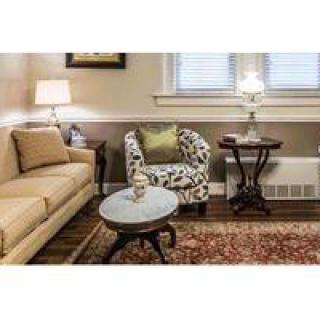
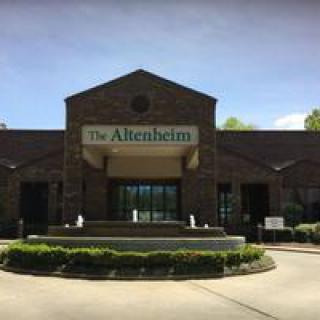
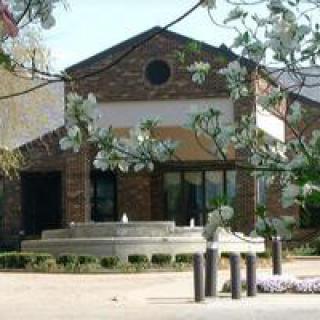
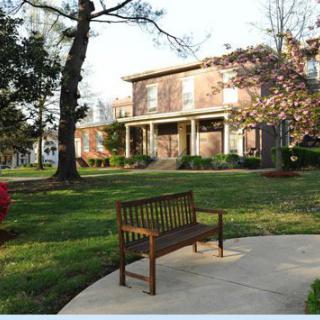
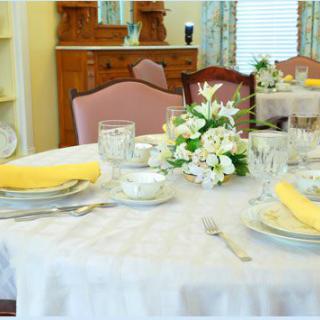
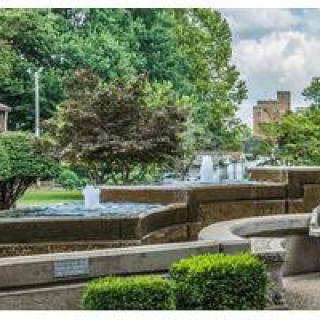
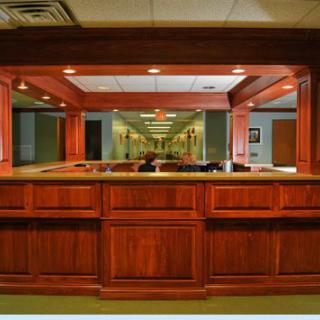
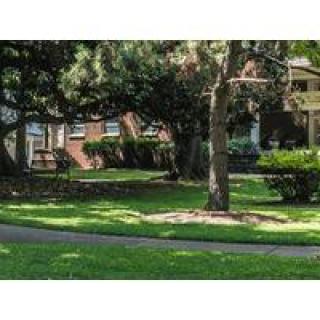
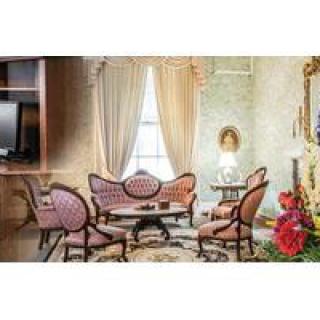
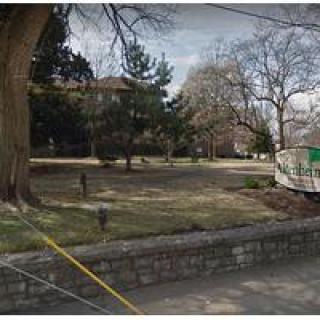
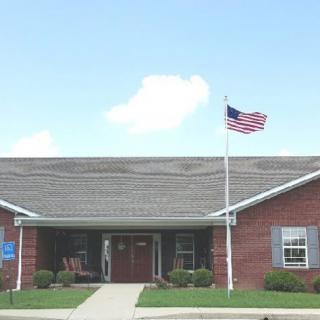
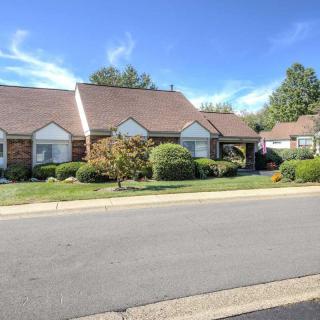
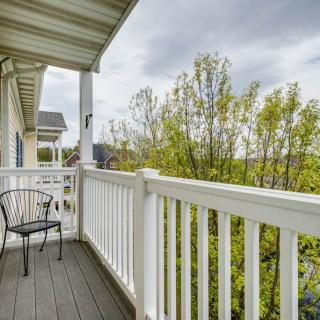
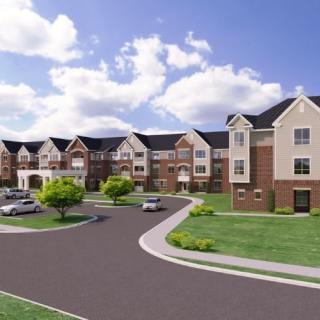
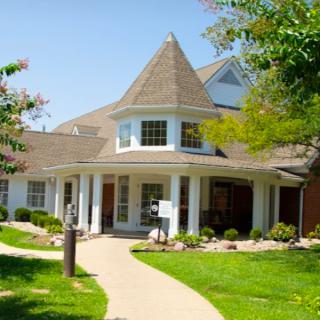
The Altenheim on seniors.fyi includes 15 photos including images showing trees, landscaping, living room, outdoors, garden, decor, vintage, grass, and more.
Nearby Communities
Louisville Protestant Altenheim
Louisville, KY
4.5 from 39 reviews
Comprehensive care options with 24-hour supervision and on-site amenities.
Kindred Hospital - Louisville
Louisville, KY
3.7 from 106 reviews
Fully furnished units with 24/7 supervision and restaurant-style dining
Eastern Star Home In Ky
Louisville, KY
4.3 from 15 reviews
Fully furnished apartments with 24/7 supervision and care coordination.
Parkway Medical Ctr
Louisville, KY
$3,800 to $4,200 / month
Competitive pricing with extensive nearby amenities and healthcare access.
Landmark Of Louisville Rehabilitation And Nursing
Louisville, KY
3.2 from 57 reviews
Clean environment with attentive staff and strong rehabilitation care.
Home Of The Innocents
Louisville, KY
Comprehensive on-site care and amenities (24/7 supervision, nursing, medication management, dining with special diets, transportation, wellness programs, fitness room, social spaces, beauty salon, library).
Nazareth Home Clifton
Louisville, KY
4.2 from 43 reviews
Caring staff and engaging activities.
Masonic Homes of Kentucky, Inc.
Masonic Home, KY
3.8 from 103 reviews
Excellent access to healthcare and abundant nearby dining, parks, worship, and entertainment.
Dementia encompasses a range of cognitive impairments characterized by types such as Alzheimer's and vascular dementia, and follows a seven-stage progression model known as the Global Deterioration Scale (GDS), highlighting varying symptoms and decline timelines. Early detection allows for lifestyle adjustments to potentially slow progression, while caregivers need support and resources to manage the challenges involved in caring for affected individuals.
The article presents eight strategies for preserving cognitive health and memory in older adults, emphasizing a nutrient-rich diet, regular exercise, intellectually stimulating activities, adequate sleep, social connections, stress management techniques, limiting harmful substances, and regular medical checkups to mitigate age-related memory decline.
Activities of Daily Living (ADLs) are fundamental tasks vital for an individual's independence, particularly in older adults over 85, and include functions like bathing and dressing; assessing ADLs alongside Instrumental Activities of Daily Living (IADLs) helps determine the level of required assistance due to age-related health challenges. Tailored support plans, involving family and community resources, are essential for maintaining dignity and autonomy in assisted living environments.
Get PricingAsk A QuestionSchedule A TourContact Senior Advisor
By clicking submit, you agree to our Partner's Terms of Use. You
also consent to receive calls and texts, which may be autodialed, from our Partner. Your consent is not a condition to
using our Partner's service. Please visit our Partner's Privacy Policy for information about their privacy practices.






 Studio apartments
 Assisted Living
 Independent Living
 Memory Care
 Skilled Nursing Facility
 Activities off-site
 Beautician on-site
 Devotional services off-site
 Dining room
 Housekeeping services
 Indoor common areas
 Kitchenette
 Laundry
 Private
 Respite or short term stays offered
 Louisville International-Standiford (4 miles away)
 Transportation & parking
 Ambulatory care
 Diabetic care
 Hospice care
 Meal preparation and service
 Medication management
 Physical therapy
 Fitness programs
 English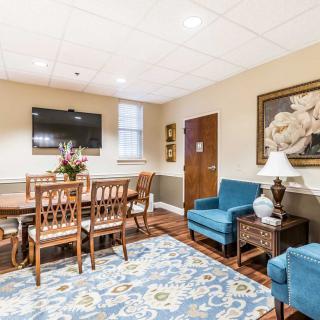
 Comprehensive care options with 24-hour supervision and on-site amenities.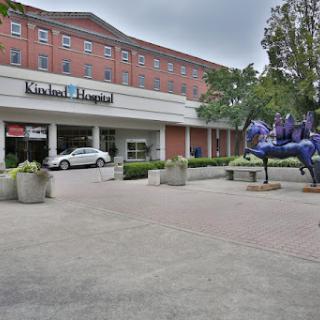



 Understanding Dementia Through Its Seven Stages: A Comprehensive Look at Progression and Expectations
 Safeguarding Your Memory Through the Golden Years: Eight Ways to Preserve Cognitive Health
 Comprehensive Insights into Activities of Daily Living (ADLs) and Their Assessment