
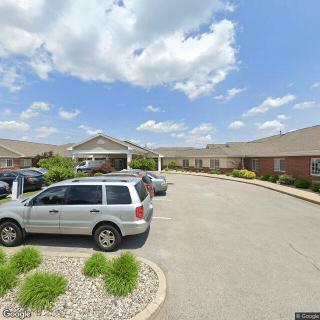
8802 Smyrna Parkway, Louisville, KY 40228
For more information about senior living options: (866) 208-4318
Overall Review of Beehive Home Of Smyrna Memory Care
Pros
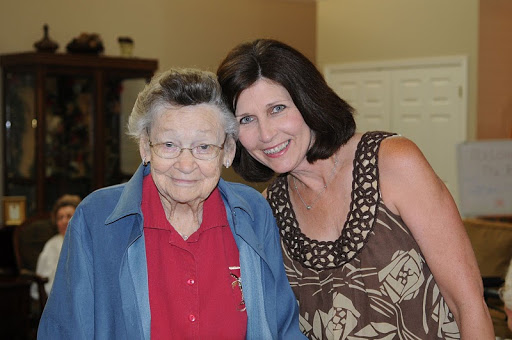
 The staff are caring and fun, and the community feels like family.
- The staff show genuine care and attention to detail toward residents.
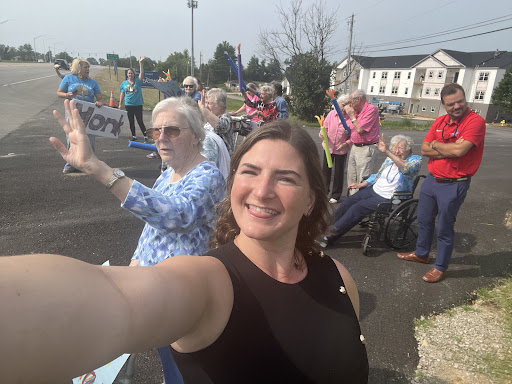
- Residents seem happy and at peace, especially during events like Wave Friday.
- The Beehive Homes offer a small, intimate setting with attentive staff.
- The Beehive of Smyrna is described as a blessing with a welcoming, family atmosphere.
- The facility is clean, modern, welcoming, and beautiful, with a homey feel.
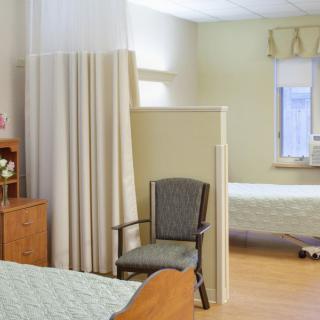
- The rooms are spacious, comfortable, and well-appointed.
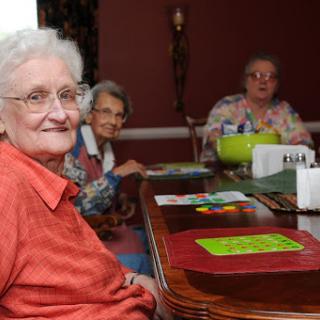
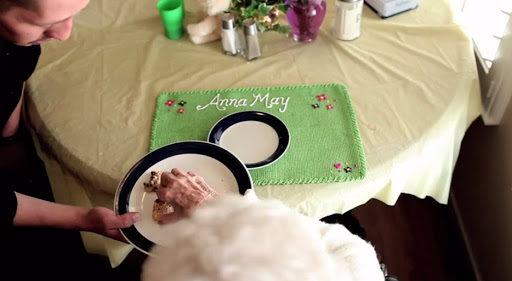
- Residents enjoy home-cooked meals, plenty of activities, and special events.
- The staff are well-educated in dementia care and highly attentive to residents.
Cons
 It was extremely small.
- There were no locks on the gate in the courtyard.
- The dining room looked like it had only two or three tables.
- The residents were all sitting around on couches watching TV and seemed bored.
- There was no one available to answer questions or provide a tour.
- The in-charge director appeared to be only 21 years old and seemed inexperienced.
- There was an unpleasant smell.
- The staff tended to have short tenures, suggesting turnover.
Review
Beehive Homes of Louisville/Smyrna Memory Care is best suited for families seeking a small, home-like memory-care environment where staff cultivate real, daily relationships with residents. This community shines when a loved one benefits from a calm, intimate setting, structured routines, and frequent personal touches, from home-style meals to hair and nail care, outings, and regular activities that keep minds and bodies engaged. Reviews consistently point to a genuine sense of family: staff are described as caring, attentive, and committed, turning a residence into a comfortable, familiar place where residents seem at ease and well cared for. For seniors who flourish with predictable days and meaningful social interaction in a compact footprint, this Beehive location can feel like an ideal home away from home.
Alternatives are worth considering for families with different priorities. Some reviewers flagged the absence of obvious outdoor security features in the past, noting a courtyard gate without locks in one instance, and a general concern about safety if a resident tends to wander. Others want a larger dining area or a more institutional feel, or simply more upfront clarity on pricing. There are also signals of staff turnover and a younger director in one account, which can translate into variability in leadership and day-to-day consistency. For families prioritizing aggressive security, larger campuses, or transparent, easily comparable pricing, exploring other communities may be the prudent move.
The core pros, an intimate, homelike setting, high staff engagement, and a culture that feels like family, largely offset the main cons by delivering reliable, person-centered care. The smaller scale tends to yield stronger staff-to-resident interaction, with residents getting up and moving through the day, staying connected through frequent activities, and receiving practical assistance in a setting that avoids the impersonality of bigger campuses. Residents are treated with warmth, meals are described as generous and well-prepared, and the atmosphere generally feels welcoming and nonclinical. When care needs intensify, the close-knit staff can respond quickly, maintaining continuity of routines which is vital for memory-care residents.
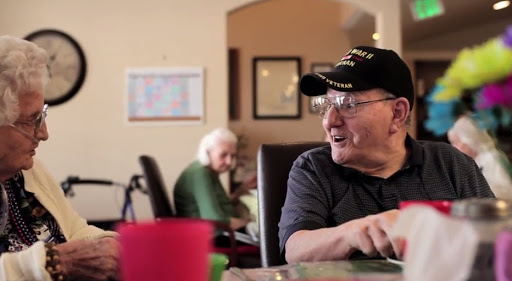
That same tight-knit approach is particularly meaningful in memory care, where security and routine matter. The community maintains a lockdown-oriented memory side, with controlled access and thoughtful design elements (a quiet, library-like entry, and bird-filled common spaces) that reduce agitation and confusion. Families highlight the care team’s willingness to go beyond the basics, arranging special events for veterans, facilitating social outings, and coordinating personal touches such as tailored activities and flexible caregiving plans. Although dining areas can be compact, the consistent focus on meaningful engagement, regular activities, and home-style dining supports emotional well-being and daily functioning in a way larger facilities often struggle to match.
Practical considerations for families are essential during a tour. Prospective residents should inspect how the staff turnover actually translates into daily life, are veterans of the community still present in leadership roles, or does turnover interrupt continuity? Tours should verify safety features, especially if a resident has wandering tendencies, and confirm what security protocols are in place for the courtyard and exterior spaces. It’s also wise to assess whether unit sizes and common-area arrangements feel comfortable for the individual’s needs, note the on-site amenities (barber, beauty shop, spa), and discuss how meals and snacks are scheduled to align with personal preferences. Pricing, availability, and the level of transparency on fees deserve explicit clarification to avoid surprises.
In the end, Beehive Homes of Louisville/Smyrna Memory Care offers a compelling choice for families prioritizing warmth, connection, and a caregiver team that treats residents like family. The strongest advocates describe a setting that feels authentic, clean, and comforting, with activities that keep residents engaged and a staff that communicates with families and honors past routines and preferences. If those features align with a loved one’s needs, this community can deliver meaningful quality of life and a supported transition into memory care. If security, scale, or crystal-clear pricing are nonnegotiable, or if leadership consistency is paramount, it pays to evaluate additional options before deciding.
 20 resident community capacity
 1-bedroom apartments
 Assisted Living
 Board and Care Home
 Memory Care
 Beauty salon
 Cable or satellite TV
 Dining room
 Fully furnished
 Garden
 Housekeeping services
 Kitchenette
 Move-in coordination
 Outdoor space
 Restaurant-style dining
 Small library
 Telephone
 Wi-Fi/high-speed internet available
 Louisville International-Standiford (6 miles away)
 24-hour call system
 Activities of daily living assistance
 Assistance with bathing
 Assistance with dressing
 Assistance with transfers
 Diabetes diet
 Hospice waiver
 Medication management
 Mental wellness program
 Special dietary restrictions
 Transportation arrangement (medical)
 Transportation to doctors appointments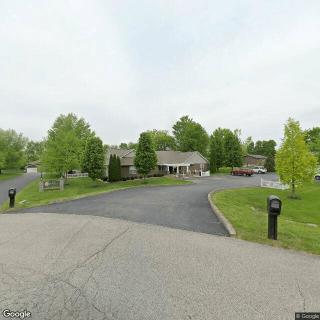





 Understanding Dementia Through Its Seven Stages: A Comprehensive Look at Progression and Expectations
 Safeguarding Your Memory Through the Golden Years: Eight Ways to Preserve Cognitive Health
 Comprehensive Insights into Activities of Daily Living (ADLs) and Their Assessment