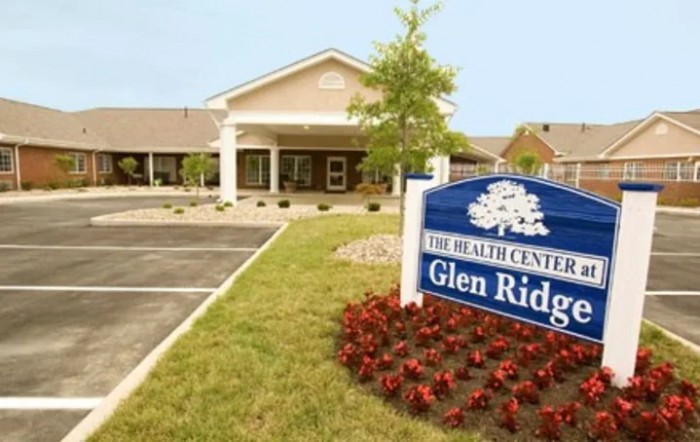
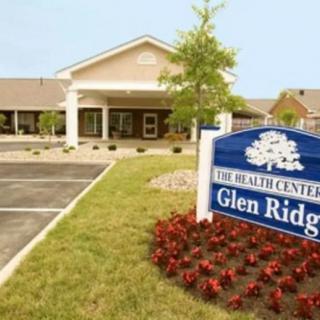
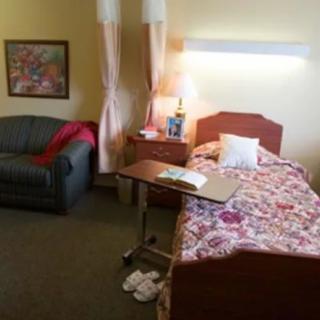
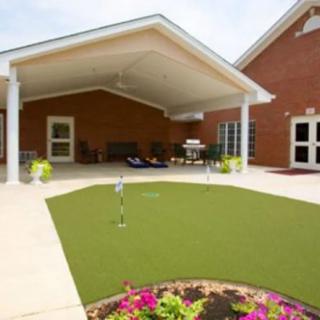
Glen Ridge Health Campus in Louisville, KY

Save

Glen Ridge Health Campus in Louisville, KY

Information last verified:

6415 Calm River Way, Louisville, KY 40299

For more information about senior living options: (844) 490-3973

3.5 from 77 reviews
5 stars
37
4 stars
8
3 stars
6
2 stars
6
1 stars
20

Overall Review of Glen Ridge Health Campus

Pros

  • pro The rehabilitation staff is encouraging, knowledgeable, and invested in helping residents regain strength and confidence.
  • pro The nursing team is kind, patient, and attentive, always making sure residents feel acknowledged even during busy times.
  • pro Glen Ridge coordinates appointments and transportation for doctor visits, greatly reducing family members’ time off work and serving as a godsend.
  • pro The staff's care, support, and compassion help residents achieve noticeable physical and emotional improvements.
  • pro The therapy team is amazing, providing encouragement, consistency, and personalized care that makes a huge difference in recovery and quality of life.
  • pro The food at Glen Ridge is impeccable, with residents praising variety and quality.
  • pro Glen Ridge is described as an amazing, family-oriented facility with caring staff and cohesive leadership.
  • pro Families say the staff go the extra mile and make residents feel special.

Cons

  • pro The staff do not respond when called for help, leaving residents waiting for assistance.
  • pro A relative was left sitting in a puddle of urine with the carpet soaking, and no one came to help.
  • pro Discharge was chaotic: wrong patient paperwork, delays getting medications, and pressure to leave before issues were resolved.
  • pro Call lights went unanswered and staff showed a pervasive lack of urgency.
  • pro Residents waited two to four hours for basic restroom assistance, compromising dignity.
  • pro The facility is severely understaffed, leading to poor patient care and missed tasks.
  • pro Beds and linens were not changed and some rooms were dirty, signaling neglect and safety concerns.
  • pro Some staff were disrespectful or lacked compassion, with poor communication and inconsistent care.
  • pro A resident was exposed to COVID due to staff actions, reflecting serious safety and professionalism failures.
  • pro The discharge/transport process was disorganized and staff were rude, adding unnecessary stress.
  • pro Overall, several reviews describe the place as having gone downhill, with little follow-through and poor communication.

Review

Glen Ridge Health Campus is best suited for families prioritizing strong rehabilitation outcomes and an active, socially engaging environment. The facility earns real value for loved ones moving from hospital care into recovery, with a therapy-first approach, attentive nursing when staff are present, and a calendar full of activities designed to bolster mood and momentum. Several reviews highlight successful short-term stays where residents regain strength, mobility, and confidence, aided by encouraging therapists, patient nurses, and care teams that coordinate transportation to medical appointments. For families navigating post-acute recovery, Glen Ridge often delivers tangible gains in physical and emotional well-being that make a return toward independence plausible.

Still, this campus demands careful consideration for certain needs. Alternatives should be on the radar for residents who require near-constant, highly reliable nursing response, especially at night, or who need tightly managed medication administration and discharge processes. A few reviewers describe repeated delays in call-bell response, disorganization during transitions, and medical order problems that could undermine safety if not vigilantly monitored. Families whose loved ones require ongoing, intensive supervision, memory care with strict safety protocols, or a consistently low-stress communication experience may find more reliable options elsewhere. The size and scope of Glen Ridge mean experiences vary, and some families understandably demand more consistent responsiveness than the facility has demonstrated in certain cases.

The strongest positives, top-tier rehabilitation teams, compassionate nursing, and a culture of encouragement, offset many of the headwinds created by staffing and process gaps. The therapy staff have earned repeated praise for personalized plans, steady progress, and the pace needed to rebuild strength after injuries or surgeries. Nursing teams are repeatedly described as kind and attentive when time allows, with residents expressing gratitude for the care that helps them feel seen and comfortable again. The food program and activity lineup also stand out in positive reviews, with residents consistently noting enjoyable meals and meaningful social opportunities that help maintain morale during recovery. When the right staff are on the floor and care plans are being followed closely, Glen Ridge proves it can deliver the kind of rehabilitative momentum families hope to see.

Yet the cons in the picture are real and substantial for certain residents. Stories of long call-light waits, delayed assistance with basic needs, and gaps in follow-through on bed rail requests or medication orders cannot be ignored. Discharge experiences have also been described as chaotic or poorly coordinated, creating risk during transitions to home health or respite care. Nighttime coverage and the consistency of staff across shifts appear to be major flashpoints in multiple accounts. These issues do more than frustrate families; they threaten dignity, safety, and trust in the care team when they occur over extended periods. For families who prize a smooth, predictable daily rhythm and unwavering reliability, these drawbacks may tip the balance toward other options.

From a decision-making perspective, Glen Ridge works best when used with an active family oversight plan and clear, ongoing communication expectations. Prospective residents should request a tour focused on the rehab wing, speak with therapists about daily schedules and goals, and ask a direct, concrete questions about staffing ratios, night coverage, and how medications are verified and administered. It is worth seeking direct assurances about discharge planning efficiency and the exact steps the facility will take to prevent gaps in med orders or supplier communications. Families should also press for examples of problem resolution, who leads follow-up, how quickly concerns are escalated, and what benchmarks are in place to improve call-response times. Notably, several families have highlighted standout staff members, whether in administration, therapy, or nursing, whose professionalism and empathy can shape a stay from merely adequate to truly supportive.

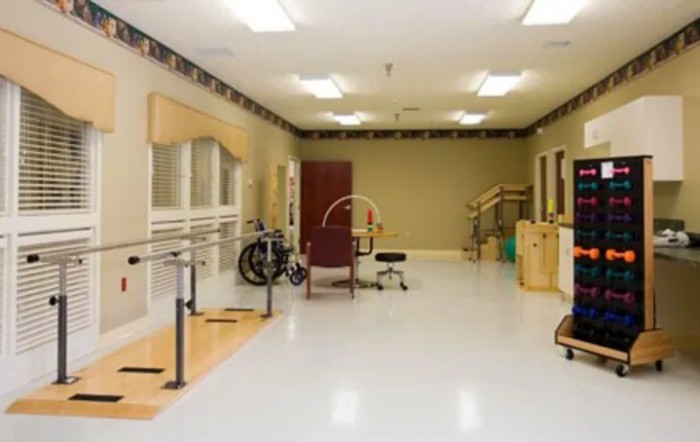
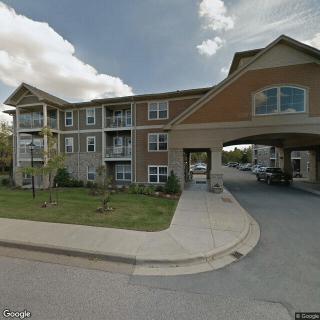
In practical terms, Glen Ridge should be considered a strong option for rehab-focused care, provided the family accepts some variability in day-to-day operations and commits to proactive engagement. It shines for individuals who can benefit from intensive physical and occupational therapy, enjoy a robust activity schedule, and value transportation coordination that minimizes disruptions to medical visits. It is less ideal for residents whose primary need is unwavering, 24/7 nursing responsiveness, or for those who require highly consistent, error-free medication management and discharge workflows. The setting, clean, welcoming, with a community feel, complements the clinical strengths, but the variability in staffing and communication means preparations should include in-depth conversations about contingencies, safety checks, and escalation paths. For families weighing Glen Ridge, the verdict hinges on the balance between rehab momentum and the nerve-wracking potential for overlooked needs; when in doubt, prioritize a candid tour with targeted questions and a clear plan for ongoing family involvement.

Features

Housing

  • 21 resident community capacity 21 resident community capacity

Types of Care

  • Assisted Living Assisted LivingAssisted living facilities provide crucial support and care for seniors who may need help with daily tasks such as medication management, bathing, and meal preparation. These communities offer a safe and comfortable environment where seniors can maintain their independence while receiving the assistance they need to thrive in their golden years.
  • Memory Care Memory CareMemory care is crucial for seniors as it provides specialized support and services for individuals with dementia or Alzheimer's disease. These programs offer a safe and secure environment where residents receive personalized care, cognitive stimulation, and help with daily activities. Memory care helps seniors maintain their independence, quality of life, and dignity while also providing peace of mind for their families.
  • Skilled Nursing Facility Skilled Nursing FacilitySkilled Nursing Facilities are crucial for seniors as they provide round-the-clock medical care, rehabilitation services, and assistance with daily activities. These facilities ensure that seniors receive the specialized care they need to maintain their health and well-being as they age.

Amenities

  • Activities on-site Activities on-siteActivities on-site are important for seniors because they provide opportunities for socialization, mental stimulation, physical activity, and overall well-being. Engaging in activities can help seniors stay active, maintain their independence, and improve their quality of life.
  • Beauty salon Beauty salonBeauty salons are important for seniors because they provide a space for them to feel pampered, socialize, and maintain their personal grooming and hygiene. Regular visits to a beauty salon can help boost seniors' self-esteem and overall well-being.
  • Cable or satellite TV Cable or satellite TVCable or satellite TV is important for seniors because it provides entertainment, news, and companionship, helping to combat loneliness and boredom. It also offers a wide range of programming options tailored to different interests and preferences.
  • Devotional services off-site Devotional services off-siteDevotional services off-site are important for seniors as they provide spiritual nourishment, social engagement, and a sense of community outside of the senior living facility. This can enhance overall well-being and help combat feelings of isolation and loneliness often experienced by older adults.
  • Dining room Dining roomDining rooms are important for seniors as they provide a space for socialization, connection, and nutritious meals. They offer opportunities for residents to bond over shared meals, foster a sense of community, and promote healthy eating habits. Dining rooms also ensure that seniors have access to well-balanced meals tailored to their dietary needs and preferences.
  • Fully furnished Fully furnishedFully furnished senior living communities are important for seniors because they provide convenience, comfort, and a hassle-free moving experience. Seniors can easily settle into their new living space without the stress of having to buy and move furniture. This allows them to focus on enjoying their new home and community.
  • Garden GardenGardens are important for seniors as they provide a peaceful and therapeutic environment for relaxation, physical activity, and socialization. Being in nature has been shown to reduce stress, improve mood, and promote overall well-being. Gardens also offer opportunities for seniors to engage in gardening activities, which can improve mobility, flexibility, and cognitive function. Additionally, gardens create a sense of community and connection with others who share a passion for plants and outdoor spaces.
  • Housekeeping services Housekeeping servicesHousekeeping services are important for seniors because they help maintain a clean and safe living environment, promote independence, and reduce the risk of accidents or illnesses. Additionally, having assistance with household chores can alleviate physical strain and allow seniors to focus on other aspects of their well-being.
  • Indoor common areas Indoor common areasIndoor common areas are crucial for seniors as they provide a space for socialization, recreation, and community engagement, promoting overall well-being and reducing feelings of isolation and loneliness.
  • Kitchenette KitchenetteKitchenettes are important for seniors living in senior living communities because they provide the convenience and independence of being able to prepare simple meals and snacks in the comfort of their own living space. This can help promote a sense of autonomy and well-being for seniors, allowing them to maintain some level of control over their dietary choices and daily routines.
  • Move-in coordination Move-in coordinationMove-in coordination is important for seniors because it helps ease the transition into their new living environment. It ensures that all logistics, such as packing, organizing movers, and setting up utilities are taken care of, allowing seniors to focus on settling in and adjusting to their new home. Having a smooth move-in process can alleviate stress and anxiety, making the transition smoother and more enjoyable for seniors.
  • Outdoor space Outdoor spaceOutdoor spaces are important for seniors as they provide opportunities for physical activity, social interaction, exposure to natural light and fresh air, and a sense of connection to nature. Having access to outdoor spaces can improve overall well-being and quality of life for older adults living in senior communities.
  • Telephone TelephoneTelephones are important for seniors as they provide a lifeline for communication with loved ones, emergency services, and healthcare providers. They offer a sense of security and independence, enabling seniors to stay connected and access assistance when needed.
  • Wi-Fi/high-speed internet available Wi-Fi/high-speed internet availableWi-Fi/high-speed internet is important for seniors to stay connected with loved ones, access online resources, and participate in virtual activities to combat feelings of loneliness and isolation. It also allows them to easily manage healthcare needs, access entertainment, and engage in lifelong learning opportunities.

Transportation

  • Louisville International-Standiford (10 miles away) Louisville International-Standiford (10 miles away)

Care Services

  • 24-hour call system 24-hour call system24-hour call systems are important for seniors because they provide peace of mind and immediate assistance in case of emergencies. This technology ensures that help is always available, promoting safety and security for elderly individuals living alone or in assisted living facilities.
  • 24-hour supervision 24-hour supervision24-hour supervision is important for seniors to ensure their safety, well-being, and access to immediate assistance in case of emergencies or health issues. This constant support provides peace of mind for both seniors and their loved ones, allowing them to age in place with dignity and security.
  • Activities of daily living assistance Activities of daily living assistanceActivities of daily living assistance are important for seniors because they provide essential support with tasks such as eating, bathing, dressing, and mobility. This assistance helps seniors maintain their independence, dignity, and overall quality of life as they age.
  • Ambulatory care Ambulatory care"Ambulatory care services provide essential medical support and treatment to seniors without requiring hospitalization, allowing them to maintain their independence and quality of life while managing chronic conditions or receiving routine medical care."
  • Assistance with bathing Assistance with bathingAssistance with bathing is crucial for seniors as it helps maintain personal hygiene, prevents infections, and ensures their overall well-being and comfort. It also provides a sense of dignity and independence for seniors who may struggle with this task on their own.
  • Assistance with dressing Assistance with dressingAssistance with dressing is important for seniors because it helps maintain their independence, promotes personal hygiene, prevents accidents and injuries, and improves overall quality of life. This service ensures that seniors can continue to dress comfortably and confidently, despite any physical limitations they may have.
  • Assistance with transfers Assistance with transfersAssistance with transfers is crucial for seniors as it helps prevent falls and injuries, maintains their independence, and ensures they can safely navigate their living environment. It also provides peace of mind for both seniors and their loved ones.
  • Coordination with health care providers Coordination with health care providersCoordination with health care providers is crucial for seniors to ensure proper medical care, medication management, and overall well-being. This collaboration helps prevent overlapping treatments, track progress more effectively, and provide comprehensive support tailored to individual needs.
  • Diabetes diet Diabetes dietA diabetes diet is crucial for seniors as it helps manage blood sugar levels, reduce risks of complications, and improve overall health and well-being. By following a balanced and nutritious diet tailored to their specific needs, seniors can better control their diabetes and enhance their quality of life.
  • Diabetic care Diabetic careDiabetic care is crucial for seniors as they are more susceptible to developing diabetes due to aging and other health conditions. Proper management of diabetes can help prevent complications such as heart disease, vision loss, and nerve damage, improving the overall quality of life for seniors in senior living communities.
  • Meal preparation and service Meal preparation and serviceMeal preparation and service are crucial for seniors as they may have limited mobility or energy to cook nutritious meals. Having access to healthy and convenient food options can ensure they are getting the proper nutrition needed to maintain their overall health and well-being.
  • Medication management Medication managementMedication management is crucial for seniors to ensure they are taking the right medications at the correct dosages and times. This helps prevent adverse drug interactions, reduces the risk of medication errors, and promotes overall health and well-being. Proactive management also allows for adjustments as needed based on changing health conditions or new prescriptions.
  • Mental wellness program Mental wellness programMental wellness programs are essential for seniors as they promote cognitive stimulation, emotional support, and social engagement. These programs help prevent isolation, depression, and cognitive decline, ultimately enhancing the overall quality of life for older adults.
  • Mild cognitive impairment Mild cognitive impairment"Mild cognitive impairment" is important for seniors because it is an early stage of cognitive decline that can potentially progress to more severe conditions such as dementia. Recognizing and addressing mild cognitive impairment can help seniors receive appropriate care and support to maintain their quality of life and independence for as long as possible.
  • Special dietary restrictions Special dietary restrictionsSpecial dietary restrictions are important for seniors because age-related changes in metabolism and health conditions can make it difficult for their bodies to process certain foods. By following a diet tailored to their specific needs, seniors can maintain their overall health and well-being, manage chronic conditions, and reduce the risk of complications such as malnutrition or food interactions with medications.
  • Specialized memory care programming Specialized memory care programmingSpecialized memory care programming is crucial for seniors with cognitive impairments such as dementia or Alzheimer's disease. These programs provide a safe and supportive environment tailored to the unique needs of individuals with memory loss, helping them maintain their independence, dignity, and quality of life.
  • Transportation arrangement (medical) Transportation arrangement (medical)Transportation arrangements for medical purposes are essential for seniors as they may have difficulty driving themselves to appointments or accessing public transportation. Having reliable and safe transportation options ensures that seniors can receive timely medical care and maintain their health and well-being.
  • Transportation to doctors appointments Transportation to doctors appointmentsTransportation to doctors' appointments is crucial for seniors as it ensures they have access to necessary medical care and support for their health needs. Without reliable transportation, seniors may struggle to attend important appointments, leading to potential delays in treatment and health complications. Providing transportation services helps seniors maintain their overall well-being and quality of life.

Dining

  • Diabetes diet Diabetes dietA diabetes diet is crucial for seniors as it helps manage blood sugar levels, reduce risks of complications, and improve overall health and well-being. By following a balanced and nutritious diet tailored to their specific needs, seniors can better control their diabetes and enhance their quality of life.
  • Meals provided Meals provided"Meals provided" are crucial for seniors in assisted living communities as it ensures they have access to nutritious, balanced meals without the stress of meal planning and preparation. This can help promote overall health and well-being for seniors who may have limited mobility or cognitive abilities.
  • Special dietary restrictions Special dietary restrictionsSpecial dietary restrictions are important for seniors because age-related changes in metabolism and health conditions can make it difficult for their bodies to process certain foods. By following a diet tailored to their specific needs, seniors can maintain their overall health and well-being, manage chronic conditions, and reduce the risk of complications such as malnutrition or food interactions with medications.

Activities

  • Activities on-site Activities on-siteActivities on-site are important for seniors because they provide opportunities for socialization, mental stimulation, physical activity, and overall well-being. Engaging in activities can help seniors stay active, maintain their independence, and improve their quality of life.
  • Community-sponsored activities Community-sponsored activitiesCommunity-sponsored activities are important for seniors as they provide opportunities for social interaction, mental stimulation, and physical activity. These activities can help improve overall well-being, combat loneliness and isolation, and promote a sense of belonging and purpose among older adults.
  • Devotional activities offsite Devotional activities offsiteDevotional activities offsite are important for seniors because they provide social engagement, spiritual growth, and a sense of community outside of their living environment. This can improve overall well-being, mental health, and combat feelings of isolation or loneliness.
  • Resident-run activities Resident-run activitiesResident-run activities are important for seniors as they encourage social interaction, creativity, and a sense of autonomy. These activities empower seniors to stay engaged and active in their community while fostering meaningful connections with their peers.
  • Scheduled daily activities Scheduled daily activitiesScheduled daily activities are important for seniors because they provide structure, socialization, mental stimulation, and physical activity. Engaging in regular activities can improve overall well-being and quality of life for seniors living in a community setting.

Description

Glen Ridge Health Campus in Louisville, KY is an assisted living community that offers a variety of care services to cater to the individual needs of its residents. With a focus on memory care and skilled nursing facility services, Glen Ridge provides 24-hour supervision and assistance with activities of daily living such as bathing, dressing, and transfers. The community also ensures coordination with healthcare providers for comprehensive care.

The campus boasts an array of amenities to enhance the quality of life for its residents. A beauty salon is available for personal grooming needs and residents can enjoy their favorite shows through cable or satellite TV. Devotional services are offered off-site for spiritual well-being. Meals are served in a dining room and special dietary restrictions can be accommodated.

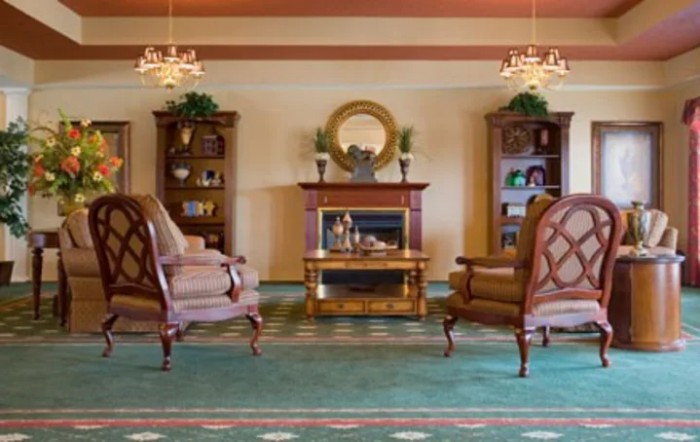
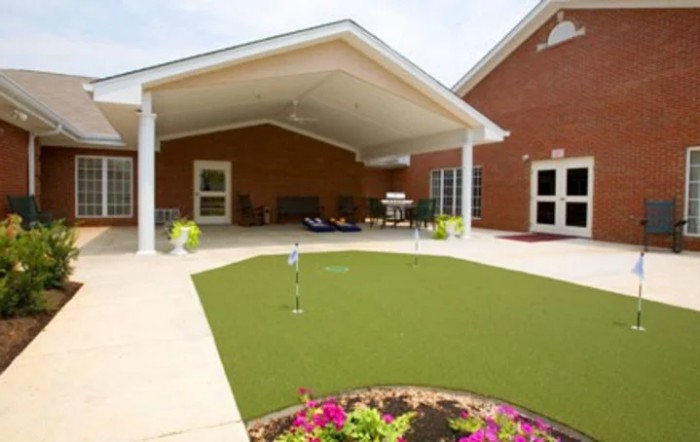
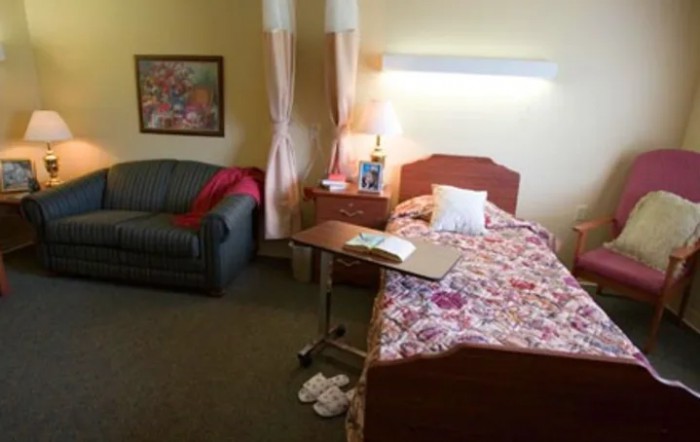
Residents can relax in the indoor common areas or enjoy the outdoor space provided by the community's garden. Fully furnished accommodations with kitchenettes are available for comfortable living. Housekeeping services ensure that the spaces remain clean and tidy, while Wi-Fi/high-speed internet access allows residents to stay connected with loved ones.

To keep residents engaged and active, Glen Ridge Health Campus offers a wide range of activities. Community-sponsored events provide opportunities for socializing, while devotional activities off-site cater to spiritual needs. Resident-run activities allow individuals to take charge of their own recreation, and scheduled daily activities ensure that there is always something exciting happening within the community.

In terms of location, Glen Ridge has easy access to several nearby amenities. There are two cafes nearby where residents can grab a coffee or snack, three parks for enjoying nature, eight pharmacies conveniently located for medication needs, five physicians in close proximity for medical care, 17 restaurants offering various dining options, and one theater nearby for entertainment purposes.

Overall, Glen Ridge Health Campus is a vibrant assisted living community that prioritizes the well-being of its residents by offering excellent care services along with various amenities and engaging activities.

Nearby Places of Interest

This part of Louisville, Kentucky offers a convenient and diverse range of amenities for senior living. With several parks nearby such as Charlie Vettiner Park, Turkey Run Park, and Broad Run Park, residents have ample opportunities to stay active and enjoy the outdoors. There are also various dining options including Cracker Barrel, Waffle House, and Roosters for convenient meals. Additionally, there are reputable healthcare providers such as Haller, Hazlett, and Adams physician group and Norton Community Medical Associates - Fern Creek located within a short distance. Pharmacies like Walgreens and Walmart Pharmacy are also easily accessible for medication needs. For entertainment, seniors can visit Xscape Theatres Blankenbaker 14 or attend services at St Martha Parish for spiritual fulfillment. This area provides a well-rounded environment with essential amenities for comfortable senior living in Louisville.

Parks

  • Charlie Vettiner Park (1.4 miles)
  • Turkey Run Park (2.2 miles)
  • Broad Run Park (3.7 miles)
  • Buechel Park (5.4 miles)
  • Des Pres Park (5.8 miles)
  • The Parklands of Floyds Fork (7.4 miles)

Restaurants

  • Cracker Barrel (1.9 miles)
  • Raising Cane's Chicken Fingers (2 miles)
  • Waffle House (2 miles)
  • Chick-Fil-A (2 miles)
  • McDonald's (3.1 miles)
  • Roosters (3.2 miles)
  • Bootleg Bar-B-Q (3.6 miles)

Cafes

  • Panera Bread (1.9 miles)
  • Starbucks (3 miles)
  • Panera Bread (6.6 miles)
  • Starbucks (6.7 miles)

Physicians

  • Haller, Hazlett, and Adams, the physician groups (2 miles)
  • Orthopedic & Sports Specialists (2.1 miles)
  • Norton Community Medical Associates - Fern Creek (2.1 miles)
  • Pediatric Associates of Louisville (2.6 miles)
  • HearingLife (2.8 miles)
  • Dr Pamela Asseff DDS, PSC. General & Cosmetic Dentistry (6 miles)
  • D K Gopinath MD (6.5 miles)

Pharmacies

  • Walgreens (2.1 miles)
  • Walgreens (2.1 miles)
  • Walmart Pharmacy (2.7 miles)
  • Walgreens (3.7 miles)
  • Walgreens (3.7 miles)
  • Valu Market (3.9 miles)
  • CVS Pharmacy (4.1 miles)

Theaters

  • Xscape Theatres Blankenbaker 14 (5 miles)

Places of Worship

  • St Martha Parish (6.2 miles)

Frequently Asked Questions

Where is Glen Ridge Health Campus?
Does Glen Ridge Health Campus provide care for residents with dementia or Alzheimer's disease?
What photos are available for Glen Ridge Health Campus in Louisville, Kentucky?

Nearby Communities

  • The Spring House at Louisville

    The Spring House at Louisville

    Louisville, KY

    4.7 from 22 reviews
    $4,345 / month

    pro Caring, professional staff in a spacious, well-maintained facility with engaging activities and inviting common areas.



  • Harmony at Tucker Station

    Harmony at Tucker Station

    Louisville, KY

    4.4 from 34 reviews
    $2,610 to $4,250 / month

    pro Beautiful, well-maintained campus with caring staff and strong memory care.

  • Home Helpers and Direct Link

    Home Helpers and Direct Link

    Louisville, KY


    pro Convenient access to healthcare and local amenities.

  • Traditions at Beaumont

    Traditions at Beaumont

    Louisville, KY

    4.5 from 116 reviews
    $4,495 to $5,900 / month

    pro Friendly, attentive staff in a clean, welcoming community with engaging activities.

  • Donnell Family Care Home

    Donnell Family Care Home

    Louisville, KY

    4.6 from 21 reviews
     

    pro Very small, personalized setting with 24-hour supervision.

  • Harmony At Tucker Station

    Harmony At Tucker Station

    Louisville, KY

    4.3 from 25 reviews
     

    pro Strong memory care program with 24/7 supervision and extensive amenities.

  • Helping Hands Companion Care

    Helping Hands Companion Care

    Louisville, KY

    5 from 12 reviews
    $5,627 / month

    pro Personalized, compassionate care by dedicated caregivers.

  • Brookstone Senior

    Brookstone Senior

    Louisville, KY

    3.8 from 12 reviews
    $735 / month

    pro Affordable 55+ senior living with access to extensive nearby services and pet-friendly policy.

  • Wickshire Blankenbaker

    Wickshire Blankenbaker

    Louisville, KY

    4.4 from 34 reviews
    $2,295 to $4,595 / month

    pro Knowledgeable, supportive staff with engaging activities and strong family communication, offering good value.

Related Resources

  • does my mom have dementia quizFive Subtle Dementia Indicators to Observe: An In-Depth Guide to Understanding “Does My Mom Have Dementia?”

    The article presents five subtle indicators of dementia, such as memory lapses and mood swings, to help families assess cognitive decline in loved ones. It emphasizes early detection, open communication, and seeking professional help while providing practical support steps.

  • dementia paranoiaDementia, Paranoia, and Caregiver Guidance: Understanding the Connection

    Dementia encompasses progressive neurological disorders that impair cognitive functions and can lead to paranoia due to cognitive decline and emotional changes. The article discusses the triggers of paranoia in dementia, caregiver strategies for managing it, and the importance of distinguishing between dementia-related paranoia and other psychiatric conditions.

  • memory care activitiesEngaging Memory Care Activities That Enhance Quality of Life

    Memory care activities are essential for improving the quality of life of seniors with cognitive impairments, as they stimulate cognitive function, promote well-being, and encourage social interaction through tailored strategies. These activities combine structured exercises with spontaneous tasks, sensory engagement, physical workouts, creative pursuits, and intergenerational interactions to enhance emotional connection and a sense of purpose.