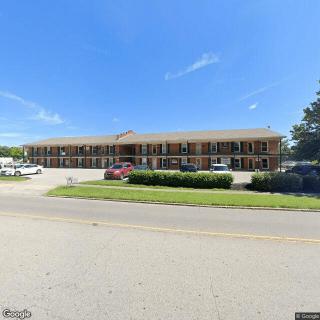
The Willows At Fritz Farm is an assisted living and memory care community in Lexington, KY.
Information last verified:
2710 Man O War Boulevard, Lexington, KY 40515
For more information about senior living options: (866) 208-4318
3.8 from 39 reviews
5 stars
25
4 stars
1
3 stars
3
2 stars
0
1 stars
10
Overall Review of The Willows At Fritz Farm
common7 reviews mention this
Therapy support stands out
Residents consistently describe therapy teams as knowledgeable and effective.
Multiple residents and families highlight physical and occupational therapy as a major part of their experience. Reviews mention PT/OT being skilled, supportive, and focused on recovery after surgery, falls, or stroke. A few families also describe staff working closely day to day to keep residents engaged when mobility or stamina is limited.
common8 reviews mention this
Food gets frequent praise
Meals are repeatedly described as restaurant quality.
Food shows up often in the reviews, with several people calling it delicious or top notch and comparing it to restaurant-style dining rather than typical institutional meals. Families also describe variety and special events tied to meals and gatherings. A smaller number of reviews are critical about food quality or meal timing, but overall dining impressions skew positive.
differentiator2 reviews mention this
Memory care programming helps dementia
Residents with dementia describe supportive daily engagement.
Two reviews specifically describe dementia-related needs, with families noting their loved ones were cared for through appropriate placement and programming. One resident’s experience includes tailored mental stimulation like art and structured activities, along with therapy work when participation is limited. This lines up with the community offering specialized memory care programming and mild cognitive impairment support.
caveat6 reviews mention this
Care responsiveness varies
Some residents and families report frustrating delays and care breakdowns.
A recurring negative thread is difficulty getting timely help, especially around pain management, bathroom assistance, and communication. Several critical reviews also mention problems with medications and documentation, with one describing a delay tied to contacting a doctor. These complaints stand out against the many positive reviews, but they are frequent enough to treat as a real risk to consider.
common17 reviews mention this
Caregivers are described as friendly
Many reviews describe staff as kind, attentive, and professional.
Friendliness and professionalism come through across numerous reviews, with families describing staff as caring, knowledgeable, and quick to address concerns. Several people also mention feeling comfortable and treated like family, including during admissions, transitions, and ongoing visits. At the same time, a number of critical reviews dispute this, describing unprofessional behavior and missed needs, so staff quality appears to vary by situation.
How we summarize
Counts show how many written reviews mention each theme; a review can touch several themes, and only frequently mentioned themes are displayed.
The Willows At Fritz Farm offers a comprehensive suite of services designed to support residents coping with dementia or Alzheimer's disease, enhancing their quality of life while ensuring safety and comfort. Assistance with dressing, bathing, and transfers allows residents to maintain dignity and personal hygiene, while 24-hour supervision provides peace of mind for both residents and families. Medication management ensures that individuals receive the correct prescriptions on time, mitigating health risks associated with missed doses. Meal preparation tailored to dietary needs not only addresses nutritional requirements but also fosters a sense of normalcy during meals. Transportation arrangements for medical appointments facilitate continuity in healthcare, while coordination with providers ensures cohesive and effective treatment plans. A focus on activities of daily living helps residents cope effectively with everyday tasks, promoting independence when possible. The mental wellness program and specialized memory care programming engage cognitive function through tailored activities that stimulate memory and social interaction, catering to varying levels of cognitive impairment and fostering an environment conducive to well-being.
Nearby Communities
Legacy Reserve at Fritz Farm
Lexington, KY
4.7 from 133 reviews
$2,995 to $5,039 / month
Friendly staff, beautiful/well-maintained facilities, and diverse activities.
Lifeline Home Health Care
Lexington, KY
Excellent access to healthcare and local amenities.
Sayre Christian Village
Lexington, KY
4.4 from 87 reviews
Vibrant activities, excellent dining, friendly staff, and a clean, welcoming environment.
Home Instead - Lexington, KY
Lexington, KY
4.6 from 40 reviews
Excellent access to healthcare (pharmacies, physicians, hospitals) and a variety of dining and parks nearby.
Friendship Towers Assisted Living
Lexington, KY
4.8 from 96 reviews
$3,079 to $3,825 / month
Caring staff and engaging activities foster a warm community.
Friendship Towers
Lexington, KY
4.8 from 54 reviews
Broad care options with restaurant-style dining.
Bluegrass Care & Rehabilitation Center
Lexington, KY
4.3 from 115 reviews
Friendly staff, engaging activities, and extensive amenities.
Senior Helpers - Lexington, KY
Lexington, KY
4.9 from 36 reviews
Extensive nearby amenities and healthcare access.
Cedarhurst Of Beaumont
Lexington, KY
4.7 from 94 reviews
$4,050 to $5,750 / month
Caring, friendly staff in a clean, welcoming community with engaging activities.
Choosing between assisted living and nursing homes involves evaluating emotional and financial factors, with assisted living offering independence and support for daily activities at a lower cost, while nursing homes provide intensive medical care for individuals with significant health needs. The decision is influenced by personal preferences, health status, cognitive function, and varying Medicaid coverage across states.
The article presents eight strategies for preserving cognitive health and memory in older adults, emphasizing a nutrient-rich diet, regular exercise, intellectually stimulating activities, adequate sleep, social connections, stress management techniques, limiting harmful substances, and regular medical checkups to mitigate age-related memory decline.
Activities of Daily Living (ADLs) are fundamental tasks vital for an individual's independence, particularly in older adults over 85, and include functions like bathing and dressing; assessing ADLs alongside Instrumental Activities of Daily Living (IADLs) helps determine the level of required assistance due to age-related health challenges. Tailored support plans, involving family and community resources, are essential for maintaining dignity and autonomy in assisted living environments.
Get PricingAsk A QuestionSchedule A TourContact Senior Advisor
By clicking submit, you agree to our Partner's Terms of Use. You
also consent to receive calls and texts, which may be autodialed, from our Partner. Your consent is not a condition to
using our Partner's service. Please visit our Partner's Privacy Policy for information about their privacy practices.

 21 resident community capacity
 Assisted Living
 Independent Living
 Memory Care
 Beauty salon
 Cable or satellite TV
 Dining room
 Fully furnished
 Garden
 Housekeeping services
 Kitchenette
 Move-in coordination
 Outdoor space
 Telephone
 Wi-Fi/high-speed internet available
 Blue Grass (6 miles away)
 24-hour call system
 Activities of daily living assistance
 Assistance with bathing
 Assistance with dressing
 Assistance with transfers
 Diabetes diet
 Meal preparation and service
 Medication management
 Mental wellness program
 Special dietary restrictions
 Transportation arrangement (medical)
 Transportation to doctors appointments
 Friendly staff, beautiful/well-maintained facilities, and diverse activities.



 Choosing the Right Senior Care: A Detailed Exploration of Assisted Living and Nursing Homes
 Safeguarding Your Memory Through the Golden Years: Eight Ways to Preserve Cognitive Health
 Comprehensive Insights into Activities of Daily Living (ADLs) and Their Assessment