The Legacy At The Willows

2521 Old Rosebud Road, Lexington, KY 40509

For more information about senior living options: (844) 490-3973

4.4 from 28 reviews
5 stars
21
4 stars
2
3 stars
2
2 stars
1
1 stars
2

Assisted Living

Overall Review of The Legacy At The Willows

Pros

  • pro The Willows at Hamburg is highly recommended for its attentive, caring staff and welcoming environment.
  • pro The staff, including nurses, assistants, therapists, and support teams, are described as amazing and devoted to residents.
  • pro The leadership team, including the Director and Head of Nursing, is praised as exceptional and professional.
  • pro The Legacy Memory Unit is noted as a dedicated and caring operation with compassionate care.
  • pro The facility is clean, beautiful, and rich with activities that engage residents.
  • pro The dining staff provide great service, and meals are generally well-regarded.
  • pro The staff are kind, professional, and work to keep families informed and involved in care.
  • pro The facility earns high marks for treating residents like family and easing care transitions, with residents being central to its five-star reputation.

Cons

  • pro The reviewer warns that if someone needs a lot of help, they should not go there because assistance can take 30 to 45 minutes.
  • pro The reviewer describes abysmal neglect in the Skilled Care unit, including a resident found in bed naked with an untouched sandwich and a large pending bill.
  • pro The reviewer accuses the facility of problematic billing practices, including automatic withdrawals being billed twice and causing bounced checks.
  • pro The reviewer criticizes the nutrition program, noting most meals are processed, the tomato soup was overly spicy and thick, and suggesting firing the nutritionist.
  • pro The reviewer states there is understaffing and that corporate priorities seem focused on money rather than resident care.
  • pro The reviewer reports that independent residents were not adequately monitored, with tasks like adjusting blinds or personal care neglected.
  • pro The reviewer notes ongoing leadership changes and a shift in direction, implying declines in overall care.

Review

The Willows at Hamburg comes across in these many firsthand accounts as a place where compassion and daily attentiveness define the experience for residents and their families. Across the board, the staff - nurses, assistants, therapists, social workers, cooks, housekeeping, and maintenance - are repeatedly described as kind, patient, and deeply engaged in the residents' well-being. Families praise the steady presence of the care team, the wide range of activities designed to keep residents engaged, and the warmth with which people are treated. In many instances, the atmosphere is portrayed as welcoming and safe, with tours of the building revealing a clean, well-maintained environment that supports both living routines and meaningful interaction. The sense that the Willows is a place where life continues with color and activity is a recurring thread.

A strong throughline in these testimonials is the experience within the Legacy Memory Care unit. Several reviewers single out the memory care wing as exceptionally caring and well-run, pointing to leadership that genuinely cares about residents and staff alike. The director Sally Fitch is highlighted as extraordinarily committed, with reviewers noting that she "cares deeply about each resident" and about maintaining the integrity and dignity of care. Families recount moments of comfort and compassion during difficult times, including the transition into Hospice support, where staff members in the legacy team are described as performing with grace and sensitivity. The memory care team - nurses, aides, therapists, and support staff - receives frequent praise for creating a calm, dignified atmosphere during both everyday care and end-of-life moments.

Several reviews emphasize the personal bonds that develop between residents and staff. Families recount staff who become part of the extended family during a resident's time at The Willows. Names surface repeatedly as examples of dedicated individuals who went above and beyond to maintain comfort, dignity, and personal connections. This sentiment is echoed in stories of staff who helped with daily routines, adjusted to evolving care needs, and offered emotional support to families as conditions changed. In some accounts, these relationships are described as sustaining and deeply meaningful - so much so that families feel grateful for the care team they found at The Willows, often describing their time there as forming a second home for their loved ones.

Not every voice is wholly celebratory, however. A number of reviewers raise concerns about staffing and response times, noting that assistance can take 30 to 45 minutes in some cases. These comments point to occasional gaps between ideal care and real-world constraints, especially when needs require timely assistance. There are also cautions about differences in quality and management between the Legacy Memory Unit and other parts of the campus, with some reviewers suggesting that two affiliated facilities within the same system feel as if they are managed differently. Billing practices are another point of contention for a few families, including reports of automatic withdrawals and double-billing that caused financial disruption, and a substantial outstanding bill followed by a relatively modest refund. These concerns remind readers that, while the Willows can be a place of warmth and professional care, operational pitfalls can complicate the experience for families dealing with medical and financial stress.

Nutrition and meal quality emerge as a mixed note in the testimonials. Some reviewers highlight great food and attentive dining staff, with meals that contribute to a positive daily experience. Others raise questions about the nutritional philosophy and menu choices, citing a prevalence of processed foods, a particularly spicy soup, and a lack of diabetic-friendly options for some residents. One listener even suggested that a nutritionist might need to reassess the balance between convenience and whole-food preparation for an elderly population. The overarching message is that food and nutrition are important considerations for residents' health and enjoyment, and while many families are satisfied, others see room for improvement in menu planning and dietary management.

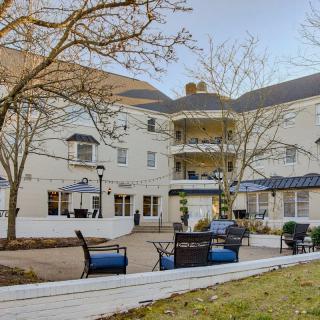
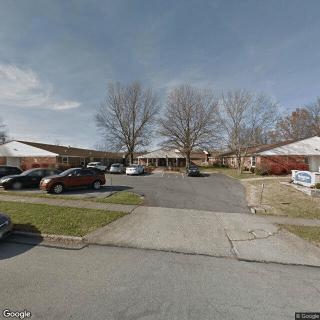
Beyond the care and care team, reviewers also speak to the community and physical environment offered by The Willows. The campus is described as beautiful and clean, with a range of amenities that support life beyond traditional nursing care: a hair salon, physical and occupational therapy, and opportunities for social engagement. Reviewers note that there are numerous activities and events available not only for residents but for the broader community as well, underscoring a sense of vitality and ongoing engagement. The facility's private-pay status is mentioned by some as a factor in the overall experience, with appreciation for the level of service that often accompanies a higher-amenity environment, even as some families acknowledge the high cost associated with private pay.

Taken together, these voices paint a nuanced portrait of The Willows at Hamburg. The Legacy Memory Care unit stands out for its dedication, compassionate leadership, and the tendency of staff to see each resident as a person with history, preferences, and dignity. The leadership in this unit and the bonds formed with residents and families create a strong sense of trust and gratitude among many reviewers. Yet there is an undeniable reminder that even well-intentioned, high-quality care can be undermined by staffing pressures, communication gaps, and administrative pitfalls that ripple into families' financial and logistical concerns. In short, The Willows at Hamburg is described as a place where care, community, and compassion are real and present, especially within the memory care unit, while also highlighting the practical challenges that accompany running a large, multifaceted senior-care campus. For families seeking a place with a demonstrated commitment to humane caregiving and meaningful daily life, The Willows offers a compelling and often deeply meaningful option, tempered by mindful consideration of staffing, billing, and nutritional planning.

Features

Housing

  • 25 resident community capacity 25 resident community capacity

Types of Care

  • Assisted Living Assisted LivingAssisted living facilities provide crucial support and care for seniors who may need help with daily tasks such as medication management, bathing, and meal preparation. These communities offer a safe and comfortable environment where seniors can maintain their independence while receiving the assistance they need to thrive in their golden years.

Amenities

  • Beauty salon Beauty salonBeauty salons are important for seniors because they provide a space for them to feel pampered, socialize, and maintain their personal grooming and hygiene. Regular visits to a beauty salon can help boost seniors' self-esteem and overall well-being.
  • Cable or satellite TV Cable or satellite TVCable or satellite TV is important for seniors because it provides entertainment, news, and companionship, helping to combat loneliness and boredom. It also offers a wide range of programming options tailored to different interests and preferences.
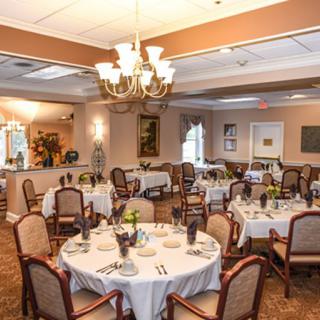
  • Dining room Dining roomDining rooms are important for seniors as they provide a space for socialization, connection, and nutritious meals. They offer opportunities for residents to bond over shared meals, foster a sense of community, and promote healthy eating habits. Dining rooms also ensure that seniors have access to well-balanced meals tailored to their dietary needs and preferences.
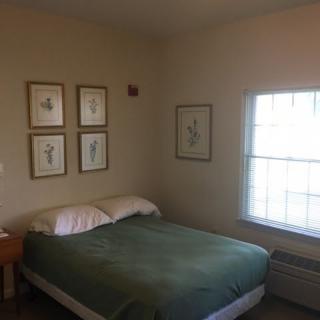
  • Fully furnished Fully furnishedFully furnished senior living communities are important for seniors because they provide convenience, comfort, and a hassle-free moving experience. Seniors can easily settle into their new living space without the stress of having to buy and move furniture. This allows them to focus on enjoying their new home and community.
  • Garden GardenGardens are important for seniors as they provide a peaceful and therapeutic environment for relaxation, physical activity, and socialization. Being in nature has been shown to reduce stress, improve mood, and promote overall well-being. Gardens also offer opportunities for seniors to engage in gardening activities, which can improve mobility, flexibility, and cognitive function. Additionally, gardens create a sense of community and connection with others who share a passion for plants and outdoor spaces.
  • Housekeeping services Housekeeping servicesHousekeeping services are important for seniors because they help maintain a clean and safe living environment, promote independence, and reduce the risk of accidents or illnesses. Additionally, having assistance with household chores can alleviate physical strain and allow seniors to focus on other aspects of their well-being.
  • Kitchenette KitchenetteKitchenettes are important for seniors living in senior living communities because they provide the convenience and independence of being able to prepare simple meals and snacks in the comfort of their own living space. This can help promote a sense of autonomy and well-being for seniors, allowing them to maintain some level of control over their dietary choices and daily routines.
  • Move-in coordination Move-in coordinationMove-in coordination is important for seniors because it helps ease the transition into their new living environment. It ensures that all logistics, such as packing, organizing movers, and setting up utilities are taken care of, allowing seniors to focus on settling in and adjusting to their new home. Having a smooth move-in process can alleviate stress and anxiety, making the transition smoother and more enjoyable for seniors.
  • Outdoor space Outdoor spaceOutdoor spaces are important for seniors as they provide opportunities for physical activity, social interaction, exposure to natural light and fresh air, and a sense of connection to nature. Having access to outdoor spaces can improve overall well-being and quality of life for older adults living in senior communities.
  • Restaurant-style dining Restaurant-style diningRestaurant-style dining is important for seniors because it allows them to enjoy delicious, nutritious meals in a social and upscale setting. This enhances their dining experience, promotes healthy eating habits, and fosters socialization with fellow residents, ultimately contributing to their overall well-being and quality of life.
  • Small library Small librarySmall libraries are important for seniors as they provide access to a variety of reading materials, including books, newspapers, and magazines. This can help stimulate their minds, keep them engaged, and provide a sense of community through book clubs and other social activities. Additionally, reading has been shown to improve cognitive function and overall mental well-being in older adults.
  • Telephone TelephoneTelephones are important for seniors as they provide a lifeline for communication with loved ones, emergency services, and healthcare providers. They offer a sense of security and independence, enabling seniors to stay connected and access assistance when needed.
  • Wi-Fi/high-speed internet available Wi-Fi/high-speed internet availableWi-Fi/high-speed internet is important for seniors to stay connected with loved ones, access online resources, and participate in virtual activities to combat feelings of loneliness and isolation. It also allows them to easily manage healthcare needs, access entertainment, and engage in lifelong learning opportunities.

Transportation

  • Blue Grass (9 miles away) Blue Grass (9 miles away)

Care Services

  • 24-hour call system 24-hour call system24-hour call systems are important for seniors because they provide peace of mind and immediate assistance in case of emergencies. This technology ensures that help is always available, promoting safety and security for elderly individuals living alone or in assisted living facilities.
  • 24-hour supervision 24-hour supervision24-hour supervision is important for seniors to ensure their safety, well-being, and access to immediate assistance in case of emergencies or health issues. This constant support provides peace of mind for both seniors and their loved ones, allowing them to age in place with dignity and security.
  • Activities of daily living assistance Activities of daily living assistanceActivities of daily living assistance are important for seniors because they provide essential support with tasks such as eating, bathing, dressing, and mobility. This assistance helps seniors maintain their independence, dignity, and overall quality of life as they age.
  • Assistance with bathing Assistance with bathingAssistance with bathing is crucial for seniors as it helps maintain personal hygiene, prevents infections, and ensures their overall well-being and comfort. It also provides a sense of dignity and independence for seniors who may struggle with this task on their own.
  • Assistance with dressing Assistance with dressingAssistance with dressing is important for seniors because it helps maintain their independence, promotes personal hygiene, prevents accidents and injuries, and improves overall quality of life. This service ensures that seniors can continue to dress comfortably and confidently, despite any physical limitations they may have.
  • Assistance with transfers Assistance with transfersAssistance with transfers is crucial for seniors as it helps prevent falls and injuries, maintains their independence, and ensures they can safely navigate their living environment. It also provides peace of mind for both seniors and their loved ones.
  • Diabetes diet Diabetes dietA diabetes diet is crucial for seniors as it helps manage blood sugar levels, reduce risks of complications, and improve overall health and well-being. By following a balanced and nutritious diet tailored to their specific needs, seniors can better control their diabetes and enhance their quality of life.
  • Meal preparation and service Meal preparation and serviceMeal preparation and service are crucial for seniors as they may have limited mobility or energy to cook nutritious meals. Having access to healthy and convenient food options can ensure they are getting the proper nutrition needed to maintain their overall health and well-being.
  • Medication management Medication managementMedication management is crucial for seniors to ensure they are taking the right medications at the correct dosages and times. This helps prevent adverse drug interactions, reduces the risk of medication errors, and promotes overall health and well-being. Proactive management also allows for adjustments as needed based on changing health conditions or new prescriptions.
  • Mental wellness program Mental wellness programMental wellness programs are essential for seniors as they promote cognitive stimulation, emotional support, and social engagement. These programs help prevent isolation, depression, and cognitive decline, ultimately enhancing the overall quality of life for older adults.
  • Special dietary restrictions Special dietary restrictionsSpecial dietary restrictions are important for seniors because age-related changes in metabolism and health conditions can make it difficult for their bodies to process certain foods. By following a diet tailored to their specific needs, seniors can maintain their overall health and well-being, manage chronic conditions, and reduce the risk of complications such as malnutrition or food interactions with medications.

Dining

  • Diabetes diet Diabetes dietA diabetes diet is crucial for seniors as it helps manage blood sugar levels, reduce risks of complications, and improve overall health and well-being. By following a balanced and nutritious diet tailored to their specific needs, seniors can better control their diabetes and enhance their quality of life.
  • Special dietary restrictions Special dietary restrictionsSpecial dietary restrictions are important for seniors because age-related changes in metabolism and health conditions can make it difficult for their bodies to process certain foods. By following a diet tailored to their specific needs, seniors can maintain their overall health and well-being, manage chronic conditions, and reduce the risk of complications such as malnutrition or food interactions with medications.

Activities

  • Community-sponsored activities Community-sponsored activitiesCommunity-sponsored activities are important for seniors as they provide opportunities for social interaction, mental stimulation, and physical activity. These activities can help improve overall well-being, combat loneliness and isolation, and promote a sense of belonging and purpose among older adults.
  • Resident-run activities Resident-run activitiesResident-run activities are important for seniors as they encourage social interaction, creativity, and a sense of autonomy. These activities empower seniors to stay engaged and active in their community while fostering meaningful connections with their peers.
  • Scheduled daily activities Scheduled daily activitiesScheduled daily activities are important for seniors because they provide structure, socialization, mental stimulation, and physical activity. Engaging in regular activities can improve overall well-being and quality of life for seniors living in a community setting.

Description

The Legacy At The Willows in Lexington, KY is an assisted living community that offers a range of amenities and care services to ensure the comfort and well-being of its residents. The community provides fully furnished apartments with cable or satellite TV, Wi-Fi/high-speed internet, and telephone services. Each apartment also features a kitchenette to allow for independent meal preparation, but residents can also enjoy restaurant-style dining in the community's dining room.

Housekeeping services are provided to ensure a clean and tidy living environment, while move-in coordination assists new residents with a smooth transition into their new home. Outdoor space and a small garden provide opportunities for residents to enjoy fresh air and nature.

The community offers 24-hour supervision and assistance with activities of daily living such as bathing, dressing, and transfers. Special attention is given to residents with diabetes, as the staff provides a diabetes diet plan. Medication management is also available to ensure that residents take their medications properly.

The Legacy At The Willows puts emphasis on the mental wellness of its residents by offering a mental wellness program. This program aims to promote emotional well-being through various activities and therapies.

Residents can engage in resident-run activities as well as scheduled daily activities organized by the staff. This allows them to socialize with other residents while participating in enjoyable pursuits.

In terms of convenience, there are several amenities nearby. There are six cafes, four parks, 12 pharmacies, 27 physicians' offices, 38 restaurants, five places of worship, one theater, and seven hospitals all located within close proximity to the community.

Overall, The Legacy At The Willows provides a comfortable and supportive environment for seniors who require assistance with daily living tasks while offering an array of amenities and services to enhance their quality of life.

Nearby Places of Interest

Restaurants

  • Bonefish Grill (0.5 miles)
  • Culver's (0.8 miles)
  • Crumbl Cookies (0.8 miles)
  • Raising Cane's Chicken Fingers (0.8 miles)
  • A&W Restaurant (0.9 miles)
  • Rafferty's (0.9 miles)
  • MOD Pizza (0.9 miles)

Physicians

  • Lexington Neurosciences Center (0.6 miles)
  • Thomas G Abell (0.7 miles)
  • Dr. Kevin Snipes and Associates (0.9 miles)
  • Family Practice Associates of Lexington (1 miles)
  • Baptist Health Medical Group Neurology (1 miles)
  • Central Baptist Diagnostic Center (1 miles)
  • Lexington Clinic Andover Family Health Center (1.2 miles)

Theaters

  • Regal Hamburg Pavilion IMAX & RPX (0.7 miles)

Pharmacies

  • Meijer Pharmacy (0.8 miles)
  • Walgreens (1.1 miles)
  • CVS Pharmacy (1.4 miles)
  • Walgreens (1.5 miles)
  • C & C Pharmacy (1.5 miles)
  • Kroger Pharmacy (1.8 miles)
  • Walgreens (1.9 miles)

Cafes

  • Starbucks (0.9 miles)
  • Starbucks (1.4 miles)
  • Panera Bread (1.8 miles)
  • Starbucks (1.8 miles)
  • Kenwick Table (2.5 miles)
  • Kentucky Native Café (3.5 miles)

Parks

  • Pleasant Ridge Park (1.9 miles)
  • Jacobson Park (2.9 miles)
  • Woodland Park (3.2 miles)
  • Jacobson Park Dog Park (3.3 miles)

Hospitals

  • Continuing Care Hospital (2 miles)
  • Urgent Treatment Clinics (3.2 miles)
  • UK Chandler- Medicine ICU (3.3 miles)
  • Select Specialty Hospital (3.8 miles)
  • UK Good Samaritan Hospital (3.9 miles)
  • VA Hospital Cooper Drive Lexington Ky (4.1 miles)
  • UK Albert B. Chandler Hospital Pavilion HA (4.1 miles)

Places of Worship

  • Apostles Anglican Church (3.1 miles)
  • Woodland Christian Church (3.3 miles)
  • Church of Jesus Christ of Latter Day Saints (3.6 miles)
  • Centenary United Methodist Church (3.7 miles)
  • Masjid Bilal Ibn Rabah (3.9 miles)

Frequently Asked Questions

Where is The Legacy At The Willows?

Nearby Communities

Related Resources

  • assisted living activitiesBeyond the Bingo Hall: 50+ Enriching Activities for Seniors in Assisted Living

    Assisted living communities offer diverse activities beyond traditional games to enhance seniors' physical health, cognitive well-being, emotional enrichment, and social connections, including fitness classes, creative expression, and intergenerational interactions. These enriching programs foster community bonds and support residents' independence and happiness.

  • assisted living vs memory careUnderstanding the Distinctions: Assisted Living and Memory Care Explained

    The article differentiates between assisted living and memory care, explaining that assisted living supports seniors with daily activities while promoting independence, whereas memory care provides specialized services for individuals with dementia, focusing on secure environments and cognitive support. It also addresses staff training, safety considerations, costs, family involvement, and transition strategies for families navigating these care options.

  • elderly parent refuses assisted livingGuiding Elderly Parents Who Refuse Assisted Living: 6 Practical Steps

    Family caregivers face emotional, legal, and practical challenges when elderly parents refuse assisted living, often due to fears of losing autonomy. Open conversations and professional assessments can help address these concerns while exploring alternatives and ensuring safety, potentially leading to legal guardianship if necessary.