
1366 Bull Lea Road, Lexington, KY 40511
For more information about senior living options: (866) 208-4318
Overall Review of Central Kentucky Recovery Center - Unit 2
Pros
 CKRC helped him with all of his needs.
- The staff were phenomenal.
- The entire program was a success.
- Ryan Cook will be coming, and he has heard nothing but positive things about this place.
- They would love to go back; it felt like a good home.
Cons
 The resident's life seemed a bit hopeless before acceptance.
Review
Central Kentucky Recovery Center – Unit 2 in Lexington, KY is best suited for adults who want a hopeful, structured recovery experience delivered through highly engaged staff in a warm, home-like setting. The reviews point to a program that tackles a broad spectrum of needs, emotional, behavioral, and practical, while cultivating a sense of belonging. This is a place where residents feel supported from the first contact through progress in the program, with outcomes described as successful and outcomes that families and peers openly emphasize. In short, CKRC Unit 2 appears most compelling for those seeking a comprehensive path to recovery backed by a responsive care team.
Those considering alternatives should note that this option may not be the right fit for every situation. Individuals requiring highly clinical, medically supervised detox or longer, more intensive medical oversight may find other programs more aligned with their needs. Similarly, anyone looking for a strictly independent, minimal-structure living arrangement or for a setting with limited hands-on staff involvement may find CKRC Unit 2 too intense or resource-heavy. Cost, length of stay, and aftercare specifics are also important factors that warrant careful comparison with other providers.
The strongest advantages hinge on the staff and the program design. Reviews repeatedly highlight staff as “phenomenal,” capable of addressing “ALL of my needs,” and driving the program to a clear success. The sense that the environment is more like a supportive home than a sterile facility is repeatedly noted, contributing to engagement and comfort. Positive references from family members, including excitement about a loved one joining and even a named staff member (Ryan Cook), reinforce the perception of credibility and a well-functioning care team. These elements combine to create a compelling narrative: skilled, attentive care in a nurturing setting yields meaningful progress.
However, the absence of explicit details on certain logistical and clinical dimensions represents a practical gap to investigate. The reviews do not spell out costs, program length, or the specifics of discharge planning and aftercare, which are crucial for long-term success and financial planning. There is also no clear discussion of how the center handles co-occurring disorders, diversity of resident populations, or gender-specific programming. While the anecdotes suggest a high-quality experience, these missing items mean potential residents should seek concrete confirmations before committing.
The key pros offset potential uncertainties in meaningful, tangible ways. A dedicated, responsive staff creates trust, makes daily routines predictable, and builds a supportive community that can reduce the sense of isolation often associated with recovery. The home-like atmosphere appears to lower resistance to treatment, encouraging attendance, honesty, and active participation. When families voice confidence and even advocate for a program, signaling strong reputational credibility, this resonance can compensate for unknowns about aftercare and logistics, at least in the short to medium term.
For decision-makers prioritizing a hopeful, well-supported recovery pathway, CKRC Unit 2 stands out as a credible option in Lexington. The program’s perceived strengths, profound staff engagement, a home-like ambiance, and a proven-through-testimonials track record, offer a compelling value proposition. Prospective residents should come prepared with questions about length of stay, cost, aftercare, and clinical scope to ensure alignment with individual needs. A visit to the facility or a candid conversation with admissions will confirm fit, including who the program serves best and how discharge planning will translate into lasting recovery beyond the walls of Unit 2.
 16 resident community capacity
 Assisted Living
 Cable or satellite TV
 Dining room
 Fully furnished
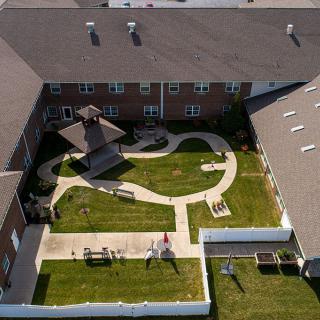
 Garden
 Housekeeping services
 Move-in coordination
 Outdoor space
 Telephone
 Wi-Fi/high-speed internet available
 Blue Grass (7 miles away)
 24-hour supervision
 Activities of daily living assistance
 Assistance with bathing
 Assistance with dressing
 Assistance with transfers
 Diabetes diet
 Meal preparation and service
 Medication management
 Special dietary restrictions
 Transportation arrangement (medical)
 Transportation to doctors appointments




 Assisted Living Expenses and Long-Term Care Insurance: A Comprehensive Exploration
 Securing Financial Support for Assisted Living: A Comprehensive Overview
 Social Security Benefits and Assisted Living: Navigating Options Across the U.S.