
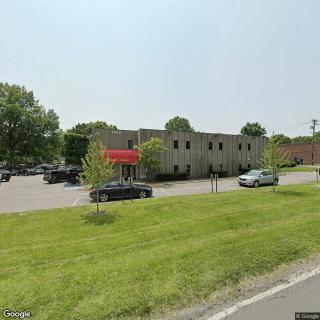
1358 Bull Lea Road, Lexington, KY 40511
For more information about senior living options: (866) 208-4318
Overall Review of Central Kentucky Recovery Center - Unit 1
Pros
 CKRC helped with all of the resident's needs.
- The staff were phenomenal.
- The entire program was a success.
- The son wants to come here after hearing nothing but positive things about the place.
- Ryan Cook will be coming.
- They would love to go back; it felt like a good home.
Cons
 His life seemed a bit hopeless before he was accepted as a resident.
Review
Central Kentucky Recovery Center – Unit 1 in Lexington, KY is best suited for individuals who are ready to lean into a comprehensive recovery process and for families that want a dependable, attentive team to guide the journey. The strongest signals from residents point to a program that does not blink at the breadth of needs that accompany recovery, and to staff who demonstrate genuine competence and commitment. A resident describes arriving at CKRC with life feeling “hopeless,” and credits the center with addressing every need through a cohesive program delivered by people who seem to truly care. The sense that the environment functions like a supportive home adds to its appeal for those who thrive when care feels personal, not clinical, and when progress is tangible and visible.
This center clearly speaks to families who want reassurance that the care team can be trusted with a loved one’s wellbeing. One prospective entrant is already aligned with the place, with a family member speaking about sending his own son there after hearing consistently positive things. The mention of a specific staff contact, Ryan Cook, signals that the operation maintains accessible pathways for family members to engage and participate in the plan. The reviews collectively convey a confidence that the staff understand the emotional terrain of recovery, which matters as much as the medical or therapeutic components. For someone seeking a setting that combines professional support with a home-like warmth, Unit 1 rises to the top of the considerations.
On the strength side, the key advantages are unmistakable: a phenomenal staff, a program that residents perceive as successful, and an atmosphere that feels welcoming and humane. The testimonials emphasize that the team’s responsiveness and competence translate into real, meaningful outcomes for people who arrive with significant burdens. A sense of home and belonging emerges from the anecdotes about returning or wanting to return, underscoring that the daily experience is less about rigid procedures and more about steady, compassionate guidance. When families assess value, the combination of dedicated staff and positive, personal narratives offers a powerful offset to any anxiety about entering treatment.
Yet the absence of stated downsides in the reviews is itself a signal. The strongest critique-free tenor suggests a level of consistency that matters to families weighing options. The practical risk to acknowledge is that an intense, fully supported program may feel demanding to some individuals or their households, especially if the preference is for a more clinical or shorter-term experience. However, the positive emphasis on support, responsiveness, and a homey environment serves to counterbalance those potential concerns; the program appears to deliver structure without stripping away humanity. For families prioritizing engagement, accountability, and a respectful, warm setting, the pros align well with real-world expectations.
Another practical takeaway centers on planning and engagement. The reviews imply that success hinges on trust in the staff and a willingness to lean into the process. Prospective residents and their families should initiate contact with the same clarity the testimonials imply, understand intake expectations, ask about personalized plans, and verify the channels for ongoing communication with the care team. Ryan Cook’s mention signals a concrete touchpoint that can help families feel connected early on. The combination of strong staff execution, a clearly effective program, and a welcoming environment means CKRC Unit 1 can deliver durable benefits for those who commit to its framework.
In the end, CKRC Unit 1 stands out as a pragmatic choice for individuals seeking robust, compassionate recovery in a setting that feels less institutional and more like a supportive home. It rewards clients who value accessible, skilled staff and a program that clients describe as genuinely successful. Those who need a more clinical, shorter, or differently structured experience, or who weigh cost considerations or vary in their preference for pace and intensity, should compare against other Lexington options. For families desiring clear communication, a trusted advocate on the ground, and a pathway that yields real progress, this center makes a compelling, practical case to move forward confidently.
 16 resident community capacity
 Assisted Living
 Cable or satellite TV
 Dining room
 Fully furnished
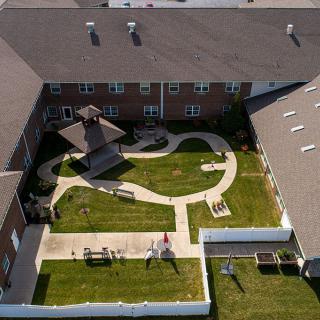
 Garden
 Housekeeping services
 Move-in coordination
 Outdoor space
 Telephone
 Wi-Fi/high-speed internet available
 Blue Grass (7 miles away)
 24-hour supervision
 Activities of daily living assistance
 Assistance with bathing
 Assistance with dressing
 Assistance with transfers
 Diabetes diet
 Meal preparation and service
 Medication management
 Special dietary restrictions
 Transportation arrangement (medical)
 Transportation to doctors appointments




 Understanding the Distinctions: Assisted Living and Memory Care Explained
 Guiding Elderly Parents Who Refuse Assisted Living: 6 Practical Steps
 Your Comprehensive Guide to Luxury Assisted Living: Elevated Facilities, Amenities, and Costs