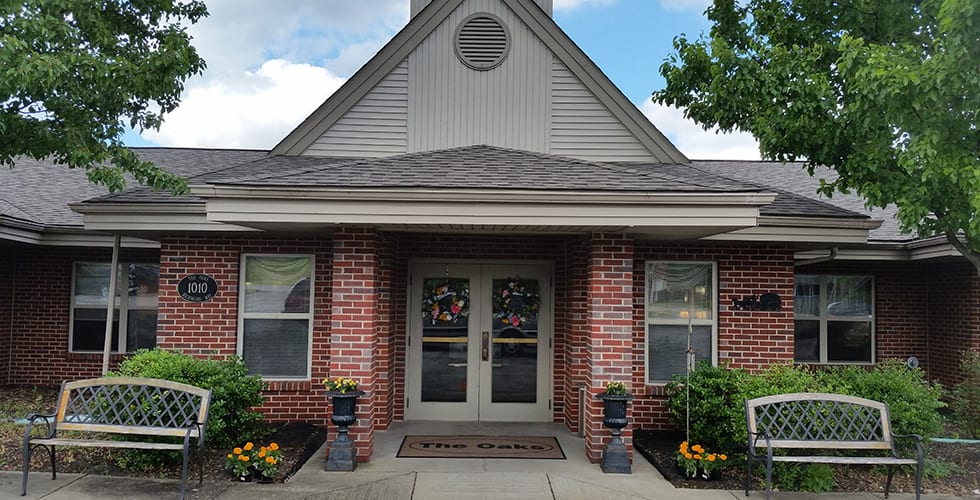
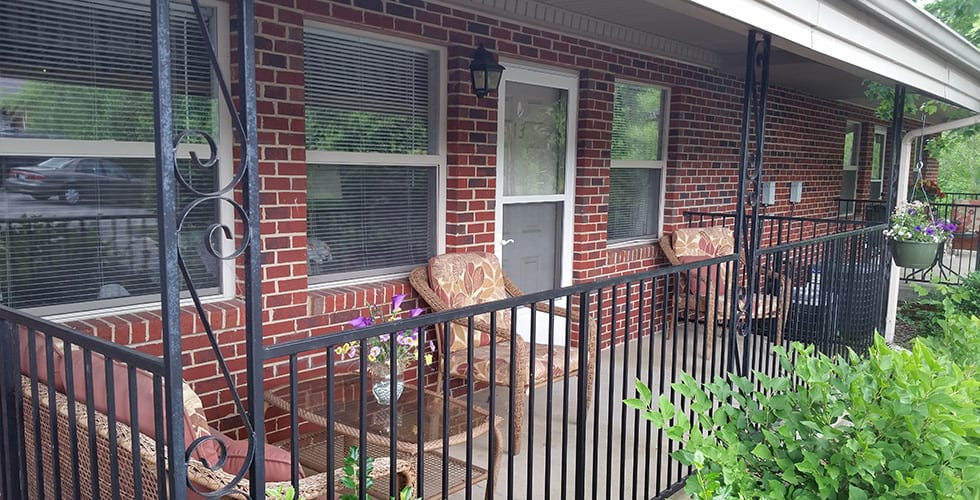
The Oaks Assisted Living

Save
The Oaks Assisted Living The Oaks Assisted Living

The Oaks Assisted Living

1010 Richwood Way, La Grange, KY 40031

For more information about senior living options: (844) 490-3973

4.2 from 6 reviews
5 stars
4
4 stars
1
3 stars
0
2 stars
0
1 stars
1

Assisted Living Independent Living

The Oaks Assisted Living Costs & Pricing

The Oaks Assisted Living offers competitive pricing for its residents compared to both Oldham County and the broader Kentucky region. For a one-bedroom unit, The Oaks charges $3,170 per month, which is significantly lower than the county average of $3,990 and also less than the state average of $3,458. Similarly, the two-bedroom option at The Oaks is priced at $3,510, providing a more affordable alternative to Oldham County's average of $5,117 while remaining below the state's average cost of $3,702. This positioning suggests that The Oaks Assisted Living not only provides quality care but does so at a cost-effective rate that can ease financial concerns for potential residents and their families.

Floor plansThe Oaks Assisted LivingOldham CountyKentucky
1 Bedroom$3,170$3,990$3,458
2 Bedrooms$3,510$5,117$3,702

What level of care are you interested in?

Assisted Living

Memory Care

Independent Living

Skilled Nursing Facility

Continuing Care Retirement Community (CCRC)CCRC

Other


Request a tour at The Oaks Assisted Living

    Overall Review of The Oaks Assisted Living

    Pros

    • pro The staff does a great job getting to know each resident and caters to their specific needs.
    • pro They accommodate doctor visits, prescription pickups, and grocery runs.
    • pro The place has a small-town family feel, with aides treating occupants as family.
    • pro The staff takes immediate interest in residents and wants to know their lifestyle habits to help them adjust.
    • pro The Oaks has friendly staff, ample space for residents, and meals that residents love.
    • pro It offers engaging activities like arts and crafts, bridge, puzzles, and movies.
    • pro Families are very happy with the facility.

    Cons

    • pro The reviewer was not impressed with the food.
    • pro The meals consisted mainly of convenience foods high in sodium.
    • pro They could not accommodate a diabetic, low-sodium diet.
    • pro The facility did not feel like a corporate facility.
    • pro On a weekend visit, staff were non-existent, and the available helper was unfriendly and not knowledgeable.
    • pro Only a business card and a post-it were provided as information.

    Review

    The set of impressions paints a picture of a facility that many visitors associate with a small-town, family-style atmosphere. Several reviewers highlight a culture where staff take the time to truly know each resident, tailoring care to individual routines and needs. They describe efforts to work around practical concerns - doctor visits, prescription pickups, and even grocery runs - so that daily life can proceed with as little friction as possible. The overarching tone in these accounts is one of warmth and a sense of belonging, with the staff repeatedly described as approachable and genuinely attentive. In this sense, The Oaks comes across as a place that prioritizes personal connections and a homelike environment over a more impersonal, corporate model.

    That same sense of a close-knit, community feel is echoed in the way some reviewers describe the daily environment. The facility is portrayed as small-town simple, with aides who treat residents as family rather than as anonymous occupants of a facility. The authenticity of this vibe stands out for those who value a less clinical, more relational approach to elder care. This perception of family-like treatment seems to be a distinguishing strength for several residents, contributing to comfort and familiarity within the community.

    However, there are notable tensions in terms of nutrition and dietary accommodations. A common thread among several comments is disappointment with the food, characterized as convenience-focused and high in sodium. For residents who require specific dietary regimens - such as a diabetic, low-sodium plan - some reviewers report that their needs were not adequately met. The frustration is not merely about taste but about the ability to align meals with medical and nutritional requirements, leaving at least some families feeling that the dining program falls short of what is necessary for health and particular dietary restrictions.

    In more than one account, the contrast between the warm, personal attentiveness of staff and the gaps in other areas becomes evident. One reviewer notes that staff took a sincere, immediate interest in the mother's lifestyle and built a plan to help her adjust, which underscores the potential for personalized care. Yet, alongside such praise for individualized attention, the same narrative acknowledges persistent concerns about food quality and the need for more robust, accessible healthy options. This juxtaposition suggests a facility that excels in the human touch but struggles to consistently deliver on dietary customization and the consistency of meals.

    Another reviewer describes a visit that did not reflect the same level of care. On a weekend afternoon, the experience was less reassuring: staff seemed scarce, and the person who did assist was not friendly or knowledgeable. The only literature provided was a business card and a post-it note, which left the impression of a more hurried, less organized moment. This contrast highlights how staffing patterns and the availability of information can significantly affect the overall sense of reliability and welcome, even within a place that otherwise fosters a homey atmosphere.

    Against these mixed experiences, there is a distinctly positive note about one resident's ongoing happiness. For that individual, The Oaks has delivered a favorable mix of supportive staff, ample space, and engaging activities. The resident reportedly loves the food, enjoys a generous amount of personal space, and participates in a variety of pastimes - from arts and crafts and bridge to puzzles and movies. Such accounts emphasize the strong potential of The Oaks to be a lively, enriching home where residents feel content and engaged, reinforcing that the facility can and does deliver a high quality, satisfying living experience for some.

    Taken together, the reviews present a nuanced portrait of The Oaks. On the positive side, the facility is described as welcoming, with a tangible small-town energy and staff who form meaningful connections with residents. The sense of family-like care and a focus on social and recreational activities - for many residents - appears to contribute greatly to comfort, happiness, and a sense of community. On the downside, there are clear areas for improvement: the consistency and customization of meals, particularly for residents with specific medical diets, and the reliability of information and staffing during less busy times, such as weekend visits. These mixed statements suggest that while The Oaks can be a deeply satisfying place for many residents and their families, there is room to strengthen dietary accommodations and weekend operations to ensure a uniformly positive experience for all who call it home.

    Features

    Housing

    • 24 resident community capacity 24 resident community capacity

    Types of Care

    • Assisted Living Assisted LivingAssisted living facilities provide crucial support and care for seniors who may need help with daily tasks such as medication management, bathing, and meal preparation. These communities offer a safe and comfortable environment where seniors can maintain their independence while receiving the assistance they need to thrive in their golden years.
    • Independent Living Independent LivingIndependent living communities are important for seniors because they offer a safe and supportive environment where older adults can live independently while still having access to amenities and services that enhance their quality of life. These communities provide social opportunities, recreational activities, and assistance with daily tasks, promoting overall well-being and allowing seniors to maintain their independence for as long as possible.

    Pets

    • Dogs allowed Dogs allowed"Pet friendly" senior living communities are important for seniors because pets provide companionship, reduce feelings of loneliness and depression, promote physical activity and mental stimulation, and offer a sense of purpose and responsibility. Pets can improve overall well-being and quality of life for seniors in many ways.

    Amenities

    • Activities off-site Activities off-siteEngaging in off-site activities is crucial for seniors to maintain social connections, stay active, and stimulate their minds. It promotes overall well-being and helps combat feelings of isolation and loneliness.
    • Activities on-site Activities on-siteActivities on-site are important for seniors because they provide opportunities for socialization, mental stimulation, physical activity, and overall well-being. Engaging in activities can help seniors stay active, maintain their independence, and improve their quality of life.
    • Beauty salon Beauty salonBeauty salons are important for seniors because they provide a space for them to feel pampered, socialize, and maintain their personal grooming and hygiene. Regular visits to a beauty salon can help boost seniors' self-esteem and overall well-being.
    • Cable or satellite TV Cable or satellite TVCable or satellite TV is important for seniors because it provides entertainment, news, and companionship, helping to combat loneliness and boredom. It also offers a wide range of programming options tailored to different interests and preferences.
    • Devotional services on-site Devotional services on-siteDevotional services on-site provide seniors with spiritual support and a sense of community, as well as an opportunity for reflection and guidance during their senior living experience. This can promote emotional well-being and connection to others, leading to a more fulfilling and enriching lifestyle in their later years.
    • Dining room Dining roomDining rooms are important for seniors as they provide a space for socialization, connection, and nutritious meals. They offer opportunities for residents to bond over shared meals, foster a sense of community, and promote healthy eating habits. Dining rooms also ensure that seniors have access to well-balanced meals tailored to their dietary needs and preferences.
    • Fully furnished Fully furnishedFully furnished senior living communities are important for seniors because they provide convenience, comfort, and a hassle-free moving experience. Seniors can easily settle into their new living space without the stress of having to buy and move furniture. This allows them to focus on enjoying their new home and community.
    • Garden GardenGardens are important for seniors as they provide a peaceful and therapeutic environment for relaxation, physical activity, and socialization. Being in nature has been shown to reduce stress, improve mood, and promote overall well-being. Gardens also offer opportunities for seniors to engage in gardening activities, which can improve mobility, flexibility, and cognitive function. Additionally, gardens create a sense of community and connection with others who share a passion for plants and outdoor spaces.
    • Housekeeping services Housekeeping servicesHousekeeping services are important for seniors because they help maintain a clean and safe living environment, promote independence, and reduce the risk of accidents or illnesses. Additionally, having assistance with household chores can alleviate physical strain and allow seniors to focus on other aspects of their well-being.
    • Indoor common areas Indoor common areasIndoor common areas are crucial for seniors as they provide a space for socialization, recreation, and community engagement, promoting overall well-being and reducing feelings of isolation and loneliness.
    • Kitchenette KitchenetteKitchenettes are important for seniors living in senior living communities because they provide the convenience and independence of being able to prepare simple meals and snacks in the comfort of their own living space. This can help promote a sense of autonomy and well-being for seniors, allowing them to maintain some level of control over their dietary choices and daily routines.
    • Move-in coordination Move-in coordinationMove-in coordination is important for seniors because it helps ease the transition into their new living environment. It ensures that all logistics, such as packing, organizing movers, and setting up utilities are taken care of, allowing seniors to focus on settling in and adjusting to their new home. Having a smooth move-in process can alleviate stress and anxiety, making the transition smoother and more enjoyable for seniors.
    • Outdoor common areas Outdoor common areasOutdoor common areas are important for seniors as they provide a space for socialization, physical activity, and relaxation. Being outside in nature can improve mood and overall well-being, while also encouraging movement and engagement with others. These spaces can help combat feelings of isolation and promote a sense of community among residents.
    • Outdoor space Outdoor spaceOutdoor spaces are important for seniors as they provide opportunities for physical activity, social interaction, exposure to natural light and fresh air, and a sense of connection to nature. Having access to outdoor spaces can improve overall well-being and quality of life for older adults living in senior communities.
    • Restaurant-style dining Restaurant-style diningRestaurant-style dining is important for seniors because it allows them to enjoy delicious, nutritious meals in a social and upscale setting. This enhances their dining experience, promotes healthy eating habits, and fosters socialization with fellow residents, ultimately contributing to their overall well-being and quality of life.
    • Small library Small librarySmall libraries are important for seniors as they provide access to a variety of reading materials, including books, newspapers, and magazines. This can help stimulate their minds, keep them engaged, and provide a sense of community through book clubs and other social activities. Additionally, reading has been shown to improve cognitive function and overall mental well-being in older adults.
    • Telephone TelephoneTelephones are important for seniors as they provide a lifeline for communication with loved ones, emergency services, and healthcare providers. They offer a sense of security and independence, enabling seniors to stay connected and access assistance when needed.
    • Wi-Fi/high-speed internet available Wi-Fi/high-speed internet availableWi-Fi/high-speed internet is important for seniors to stay connected with loved ones, access online resources, and participate in virtual activities to combat feelings of loneliness and isolation. It also allows them to easily manage healthcare needs, access entertainment, and engage in lifelong learning opportunities.

    Transportation

    • Louisville International-Standiford (25 miles away) Louisville International-Standiford (25 miles away)

    Care Services

    • 24-hour call system 24-hour call system24-hour call systems are important for seniors because they provide peace of mind and immediate assistance in case of emergencies. This technology ensures that help is always available, promoting safety and security for elderly individuals living alone or in assisted living facilities.
    • 24-hour supervision 24-hour supervision24-hour supervision is important for seniors to ensure their safety, well-being, and access to immediate assistance in case of emergencies or health issues. This constant support provides peace of mind for both seniors and their loved ones, allowing them to age in place with dignity and security.
    • Activities of daily living assistance Activities of daily living assistanceActivities of daily living assistance are important for seniors because they provide essential support with tasks such as eating, bathing, dressing, and mobility. This assistance helps seniors maintain their independence, dignity, and overall quality of life as they age.
    • Ambulatory care Ambulatory care"Ambulatory care services provide essential medical support and treatment to seniors without requiring hospitalization, allowing them to maintain their independence and quality of life while managing chronic conditions or receiving routine medical care."
    • Assistance with bathing Assistance with bathingAssistance with bathing is crucial for seniors as it helps maintain personal hygiene, prevents infections, and ensures their overall well-being and comfort. It also provides a sense of dignity and independence for seniors who may struggle with this task on their own.
    • Assistance with dressing Assistance with dressingAssistance with dressing is important for seniors because it helps maintain their independence, promotes personal hygiene, prevents accidents and injuries, and improves overall quality of life. This service ensures that seniors can continue to dress comfortably and confidently, despite any physical limitations they may have.
    • Assistance with transfers Assistance with transfersAssistance with transfers is crucial for seniors as it helps prevent falls and injuries, maintains their independence, and ensures they can safely navigate their living environment. It also provides peace of mind for both seniors and their loved ones.
    • Diabetes diet Diabetes dietA diabetes diet is crucial for seniors as it helps manage blood sugar levels, reduce risks of complications, and improve overall health and well-being. By following a balanced and nutritious diet tailored to their specific needs, seniors can better control their diabetes and enhance their quality of life.
    • Meal preparation and service Meal preparation and serviceMeal preparation and service are crucial for seniors as they may have limited mobility or energy to cook nutritious meals. Having access to healthy and convenient food options can ensure they are getting the proper nutrition needed to maintain their overall health and well-being.
    • Medication management Medication managementMedication management is crucial for seniors to ensure they are taking the right medications at the correct dosages and times. This helps prevent adverse drug interactions, reduces the risk of medication errors, and promotes overall health and well-being. Proactive management also allows for adjustments as needed based on changing health conditions or new prescriptions.
    • Mental wellness program Mental wellness programMental wellness programs are essential for seniors as they promote cognitive stimulation, emotional support, and social engagement. These programs help prevent isolation, depression, and cognitive decline, ultimately enhancing the overall quality of life for older adults.
    • Special dietary restrictions Special dietary restrictionsSpecial dietary restrictions are important for seniors because age-related changes in metabolism and health conditions can make it difficult for their bodies to process certain foods. By following a diet tailored to their specific needs, seniors can maintain their overall health and well-being, manage chronic conditions, and reduce the risk of complications such as malnutrition or food interactions with medications.
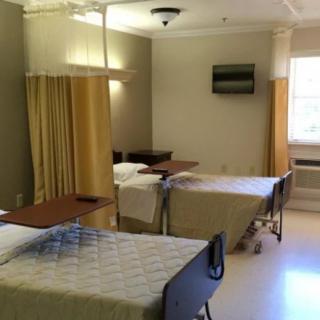
    Dining

    • Diabetes diet Diabetes dietA diabetes diet is crucial for seniors as it helps manage blood sugar levels, reduce risks of complications, and improve overall health and well-being. By following a balanced and nutritious diet tailored to their specific needs, seniors can better control their diabetes and enhance their quality of life.
    • Meals provided Meals provided"Meals provided" are crucial for seniors in assisted living communities as it ensures they have access to nutritious, balanced meals without the stress of meal planning and preparation. This can help promote overall health and well-being for seniors who may have limited mobility or cognitive abilities.
    • Special dietary restrictions Special dietary restrictionsSpecial dietary restrictions are important for seniors because age-related changes in metabolism and health conditions can make it difficult for their bodies to process certain foods. By following a diet tailored to their specific needs, seniors can maintain their overall health and well-being, manage chronic conditions, and reduce the risk of complications such as malnutrition or food interactions with medications.

    Activities

    • Activities off-site Activities off-siteEngaging in off-site activities is crucial for seniors to maintain social connections, stay active, and stimulate their minds. It promotes overall well-being and helps combat feelings of isolation and loneliness.
    • Activities on-site Activities on-siteActivities on-site are important for seniors because they provide opportunities for socialization, mental stimulation, physical activity, and overall well-being. Engaging in activities can help seniors stay active, maintain their independence, and improve their quality of life.
    • Community-sponsored activities Community-sponsored activitiesCommunity-sponsored activities are important for seniors as they provide opportunities for social interaction, mental stimulation, and physical activity. These activities can help improve overall well-being, combat loneliness and isolation, and promote a sense of belonging and purpose among older adults.
    • Devotional activities on-site Devotional activities on-siteDevotional activities on-site provide seniors with a sense of community, spiritual fulfillment, and emotional support, promoting overall well-being and a positive sense of purpose in their lives.
    • Resident-run activities Resident-run activitiesResident-run activities are important for seniors as they encourage social interaction, creativity, and a sense of autonomy. These activities empower seniors to stay engaged and active in their community while fostering meaningful connections with their peers.
    • Scheduled daily activities Scheduled daily activitiesScheduled daily activities are important for seniors because they provide structure, socialization, mental stimulation, and physical activity. Engaging in regular activities can improve overall well-being and quality of life for seniors living in a community setting.

    Description

    The Oaks Assisted Living in La Grange, KY offers independent living for seniors looking for a comfortable and supportive community. Residents can enjoy a variety of amenities including on-site activities, a beauty salon, cable or satellite TV, devotional services, and access to a dining room. The living spaces are fully furnished and include kitchenettes for added convenience. Housekeeping services ensure that residents can focus on enjoying their time in the community.

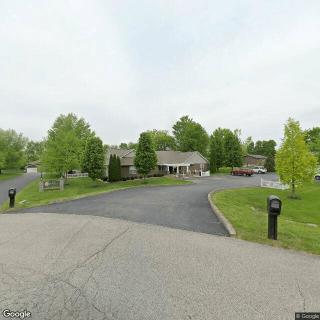
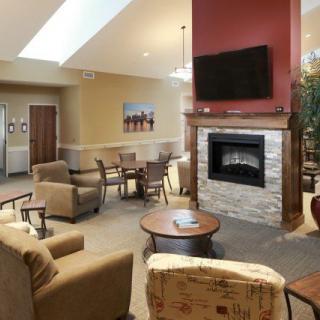
    Indoor common areas provide opportunities for socialization with other residents, while outdoor common areas allow residents to enjoy the pleasant surroundings. Wi-Fi and high-speed internet access are available throughout the community.

    The Oaks Assisted Living also provides comprehensive care services to meet the individual needs of each resident. This includes 24-hour supervision, assistance with activities of daily living such as bathing and dressing, ambulatory care, transfers assistance, and diabetes diet management. Meal preparation and service are provided along with medication management to ensure that residents receive proper nutrition and healthcare support.

    The community encourages mental wellness through a dedicated program and caters to special dietary restrictions as needed. Meals are provided with options for those who require specific dietary restrictions.

    Residents at The Oaks Assisted Living can participate in a range of engaging activities both on-site and through community-sponsored events. Devotional activities are available on-site, and residents have the opportunity to organize their own activities as well. Daily scheduled activities ensure that there is always something enjoyable happening within the community.

    Conveniently located near various amenities, The Oaks Assisted Living has two nearby pharmacies, nine physicians' offices, eleven restaurants, one transportation service, five places of worship, and one hospital nearby. This ensures easy access to necessary services and resources for residents' convenience.

    Nearby Places of Interest

    This part of La Grange, Kentucky offers a convenient and diverse range of amenities for senior living. With several medical practices, including Norton Community Medical Associates and Baptist Health Women's Services, as well as Baptist Hospital Northeast just a short distance away, residents have easy access to healthcare services. Additionally, there are various dining options such as The Wok and Acapulco nearby for enjoyable meals out. For shopping needs, Kroger Pharmacy is within walking distance. Nearby places of worship like Calvary Baptist Church and Good Shepherd Baptist Church provide spiritual support. Transportation services like Railways Taxi are available for getting around town comfortably. Overall, this area provides a mix of healthcare, dining, religious, and transportation options that cater to the needs of seniors looking for a convenient and supportive community to call home.

    Physicians

    • Norton Community Medical Associates - LaGrange (0.1 miles)
    • Gaddie Eye Centers (0.3 miles)
    • Oldham County Pediatrics (0.4 miles)
    • Baptist Surgical Associates (0.4 miles)
    • Baptist Health Women's Services (0.4 miles)
    • Tri-County Womens Health Care (0.4 miles)
    • Baptist Health La Grange Emergency Medicine (0.4 miles)

    Restaurants

    • The Wok (0.2 miles)
    • Acapulco (0.3 miles)
    • Subway (0.3 miles)
    • Wendy's (0.3 miles)
    • Burger King (0.4 miles)
    • McDonald's (0.7 miles)
    • Cracker Barrel (0.7 miles)

    Pharmacies

    • Kroger Pharmacy (0.2 miles)
    • QOL Meds (1.5 miles)
    • CVS Pharmacy (6.8 miles)
    • Walmart Pharmacy (6.9 miles)
    • Eminence Apothecary (10.4 miles)
    • The Medicine Shoppe Pharmacy (10.4 miles)
    • CVS Pharmacy (10.4 miles)

    Hospitals

    • Baptist Hospital Northeast (0.4 miles)
    • Premier Surgery Center of Louisville (10.7 miles)
    • Shelby County Emergency Medcial Services Sta 3 (11.8 miles)

    Places of Worship

    • Life College (0.8 miles)
    • Southern Baptist Convention (2.4 miles)
    • Crossroads Harvester Church (3.1 miles)
    • Calvary Baptist Church (4.1 miles)
    • Good Shepherd Baptist Church (4.5 miles)
    • Smithfield Baptist Church (6.3 miles)
    • Southern Baptist Convention (7.1 miles)

    Transportation

    • Railways Taxi (1.9 miles)
    • U-Haul Neighborhood Dealer (11.5 miles)

    Cafes

    • Red Pepper Pizza Company (7 miles)
    • Starbucks (7.3 miles)
    • Sammy's Bakery (10.1 miles)

    Parks

    • Maples Park (7.5 miles)
    • The Parklands of Floyds Fork (12 miles)
    • Creasey Mahan Nature Preserve (12 miles)

    Theaters

    • Cinemark Tinseltown USA and XD (11.9 miles)

    Frequently Asked Questions

    How much does it cost to live at The Oaks Assisted Living in La Grange, KY?
    Where is The Oaks Assisted Living?
    Does The Oaks Assisted Living allow residents to have pets?

    Nearby Communities

    Related Resources

    • assisted living vs nursing homeChoosing the Right Senior Care: A Detailed Exploration of Assisted Living and Nursing Homes

      Choosing between assisted living and nursing homes involves evaluating emotional and financial factors, with assisted living offering independence and support for daily activities at a lower cost, while nursing homes provide intensive medical care for individuals with significant health needs. The decision is influenced by personal preferences, health status, cognitive function, and varying Medicaid coverage across states.

    • assisted living costUnderstanding the True Cost of Assisted Living in 2025: A Comprehensive Guide

      Assisted living in 2025 offers a crucial balance of independence and support for seniors, with costs varying from $2,500 to over $7,000 per month based on factors such as location and care level. Understanding pricing complexities, including regional differences and potential hidden fees, is essential for families to plan financially while ensuring quality care for their loved ones.

    • does medicaid pay for assisted livingUnderstanding Medicaid Coverage for Assisted Living: A Comprehensive Guide
      The guide outlines the complexities of Medicaid coverage for assisted living, highlighting significant state-to-state variations, limited coverage often restricted to personal care services, and the existence of specialized waivers for certain needs like memory care. It advises families to consult local Medicaid offices for options while emphasizing the importance of understanding state-specific regulations and facility policies.


    Get Pricing Ask A Question Schedule A Tour Contact Senior Advisor