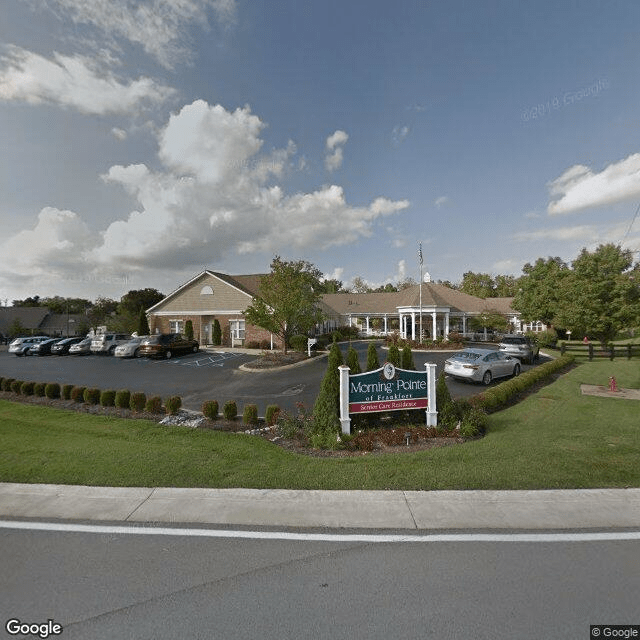
851 Cardwell Ln, Frankfort, KY 40601
To contact a resident: (502) 226-5888
For more information about senior living options: (866) 208-4318
Overall Review of The Neighborhood of Frankfort
Pros
 It is described as a wonderful place for seniors to live.
- The property was once considered a desirable option for elderly residents downsizing.
- The lawns were well maintained in the past, with regular weed treatments and seeding.
- There was past oversight of resident property restrictions that helped keep the property neat and well-maintained.
Cons
 The reviewer is disappointed that the website lists vaccines but does not allow input of information.
- The reviewer cannot reach anyone to submit an application.
- There is no on-site management, and for years managers have not adequately maintained the property.
- Residentsā€™ reported issues are often not addressed, and when addressed, not in a timely manner.
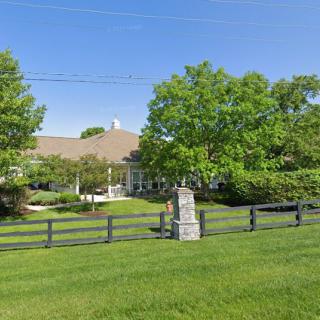
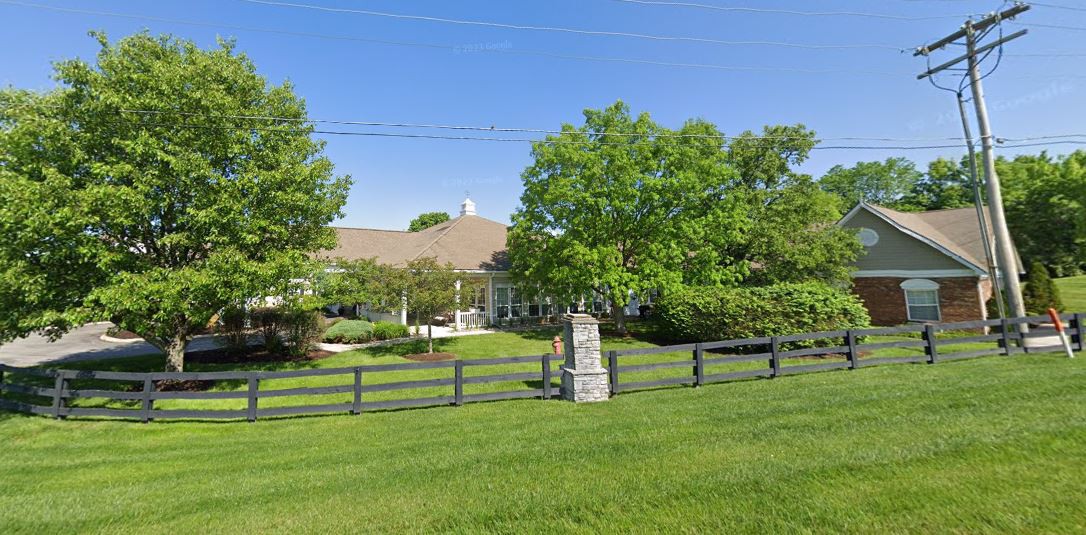
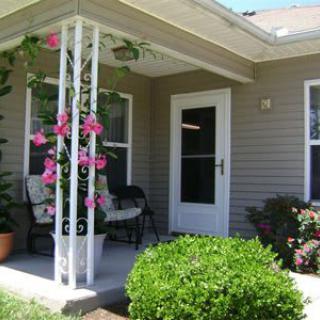
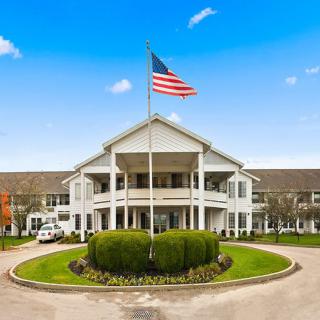
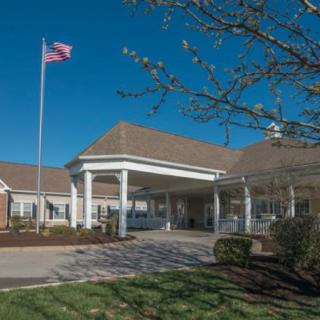
- The siding is filthy and shows mold in places; gutters are falling off and have never been cleaned.
- Trees are overgrown and planted too close to buildings, with roots breaking up sidewalks and creating hazards.
- There are dead trees on the property that need removal.
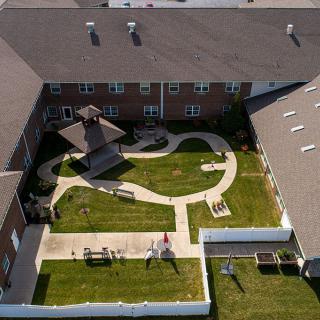
- The lawns are poorly maintained, with sparse grass, weed overgrowth, and infrequent mowing.
- The published contact number yields no response when called.
- The maintenance team does not answer or return calls, which some residents consider ridiculous.
- If neglect continues, the property will become an eyesore for the community.
Review
The Neighborhood of Frankfort is best suited for seniors who are prepared to self-advocate and rely on family support, and who are willing to accept a hands-off management environment at a lower price point. In practice, the absence of a visible on-site manager and the reluctance to promptly address resident concerns mean this option only works for residents who can tolerate ongoing maintenance delays and can navigate around a non-responsive administrative structure. Prospective residents must come to terms with the fact that day-to-day operations rely on owners or distant staff rather than a dedicated on-site team, which places the burden on residents and their families to monitor conditions and push for action.
Those who prioritize safety, reliability, and clear communication should consider alternatives. Any family that expects timely repairs, consistent lawn care, and a property that looks and feels well cared for will be better served elsewhere. A community with visible on-site management, responsive maintenance, and proactive upkeep is a more suitable fit for seniors who need predictable service and access to staff when issues arise.
On the upside, the property carries the imprint of being a known downsizing option and historically offered reasonable living conditions before managerial changes. There is a sense that the site once presented itself as a sensible, affordable choice for elderly residents, and that some elements like exterior maintenance were finished before deterioration accelerated. However, those potential advantages are undercut by the current reality: there is no confident authority to take action, and residents report repeated maintenance requests going unanswered or uncompleted in a timely fashion. The gap between past potential and present performance is wide.
Crucial deal-breakers are evident in the reported conditions: the lack of on-site response means issues accumulate, and safety hazards loom. Siding appears dirty and mold-prone in places, gutters are neglected, and vegetation is not managed, with trees crowding buildings, roots deforming sidewalks, and dead trees posing physical hazards. Lawns and weed treatments have slipped, and the overall curb appeal suffers as a visible sign that oversight has vanished. In short, resident property restrictions and common-sense upkeep that once helped maintain a neat environment are no longer reliably enforced.
When evaluating options, require concrete assurances: confirm current ownership status and the presence or absence of an active on-site manager; establish a single, reliable point of contact for repairs; request a recent maintenance log and a walk-through focused on exteriors and safety features; and speak with current residents about response times. Be prepared for slow or nonexistent replies via phone or email, and test the process for submitting an application or inquiry. If such friction is typical during the scouting phase, it will likely persist after move-in.
Bottom line: The Neighborhood of Frankfort currently presents a high risk of ongoing maintenance neglect and nonresponsive management that erodes safety and livability. It is not a strong match for seniors who rely on proactive upkeep, transparent communication, and on-site oversight. For families and individuals where cost is a driving factor but upkeep and reliability cannot be compromised, exploring other local options with demonstrated, accessible management is strongly advised. If price remains the paramount priority, a careful, in-person evaluation is essential to determine whether any residual affordability justifies the trade-offs in service and safety.
 Assisted Living
 Activities on-site
 Devotional services off-site
 Indoor common areas
 Blue Grass (19 miles away)
 Ambulatory care
 Diabetic care
 Meals provided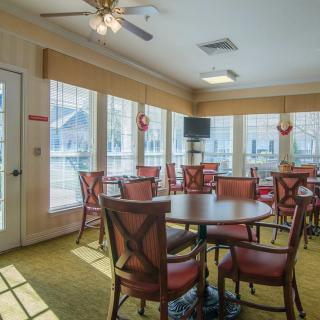


 Comprehensive Residential Support and Assisted Living Solutions for Individuals with Disabilities
 Comprehensive Supportive Living Arrangements for Adults with Disabilities
 Funding and Affording Assisted Living: A Thorough Overview