
871 Cardwell Lane, Frankfort, KY 40601
To contact a resident: (502) 875-4000
For more information about senior living options: (866) 208-4318
Cottages of Frankfort Costs & Pricing
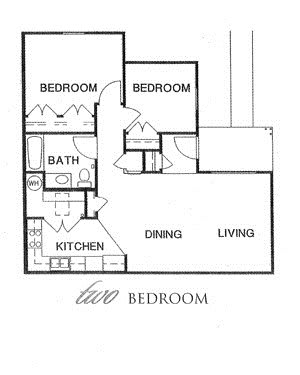
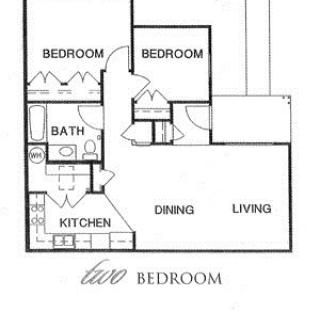
At Cottages of Frankfort, the monthly cost for a two-bedroom unit is $575, which stands in stark contrast to the broader financial landscape of Woodford County and Kentucky as a whole. In Woodford County, the average monthly rent for similar accommodations is significantly higher at $3,252, while across Kentucky, this figure rises to approximately $3,702. This pricing structure positions Cottages of Frankfort as an exceptionally affordable option for those seeking quality living arrangements in a competitive housing market, making it an attractive choice for potential residents looking to balance comfort and cost-effectiveness.
| Floor plans | Cottages of Frankfort | Woodford County | Kentucky |
|---|---|---|---|
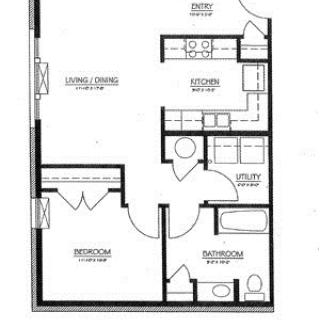
| 2 Bedrooms | $575 | $3,252 | $3,702 |
Senior living communities with a similar price nearby
-
from -$55 / mo
Elk River Senior
$520 to $5,894 / month19.3 miles away -
from +$20 / mo

Overlook at Elkhorn Creek
$595 / month21.5 miles away -
from -$56 / mo
Trinity Properties
$519 / month19.2 miles away -
from -$59 / mo
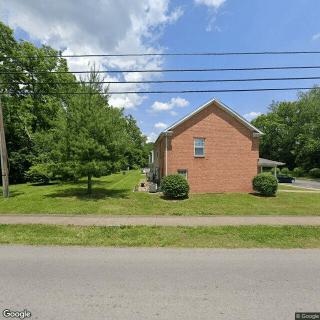
Arbor Place Townhomes
$516 / month12.3 miles away -
from -$75 / mo
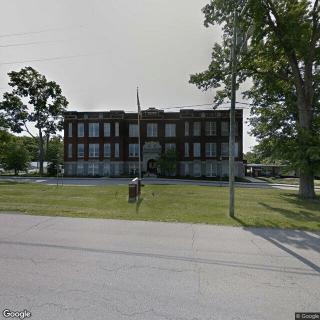
Midway School Apartments
$500 to $760 / month12.8 miles away
Overall Review of Cottages of Frankfort
Pros
 The review notes that the property was once a desirable option for seniors downsizing.
- The review indicates it was considered a wonderful place for senior citizens to live.
- Historically, oversight of resident property restrictions helped maintain a neat and well-kept property.
Cons
 The reviewer notes that the website lists vaccines but does not allow information to be input.
- The reviewer is disappointed that no one can be reached to submit an application.
- The review states there is no onsite management and that the property has not been adequately maintained.
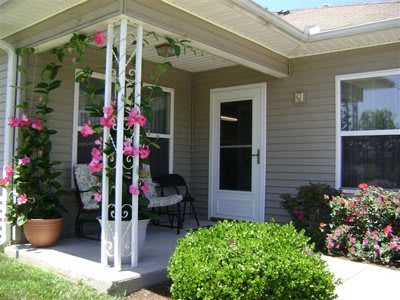
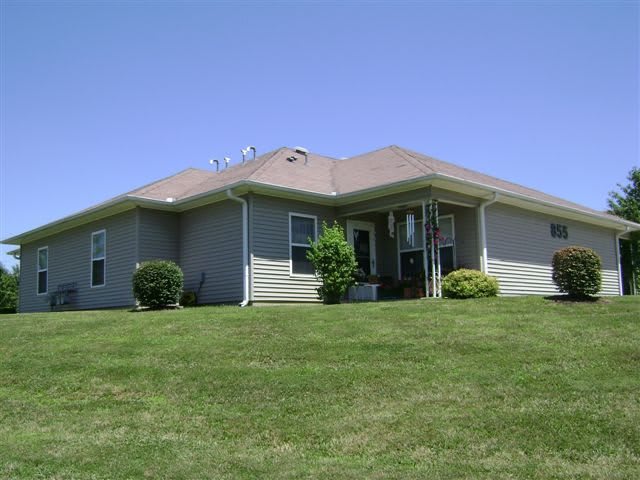
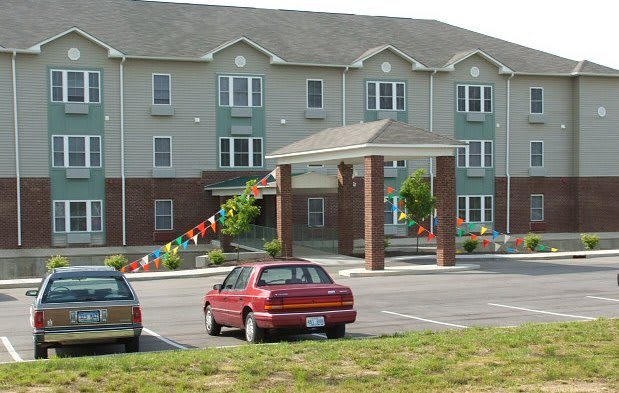
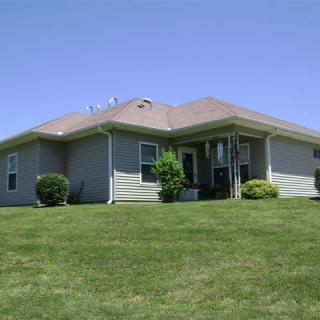
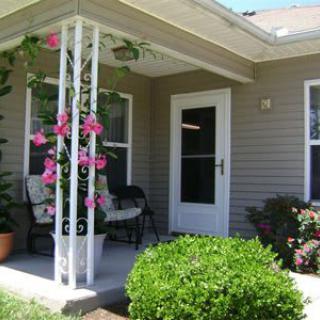
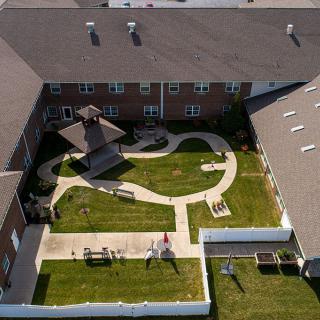
- The property shows neglect: siding is filthy and moldy, gutters are falling off, trees are overgrown and too close to buildings, with roots damaging sidewalks, and there are dead trees.
- Maintenance does not answer or return calls and reported issues are not addressed in a timely manner.
Review
Best suited for seniors who want to downsize and keep housing costs at a minimum, with the understanding that there will be little to no on-site management and that upkeep is not reliably covered. This community appears to favor residents who can fend for themselves, monitor property conditions, and tolerate slow or nonexistent responses to repair needs. In short, it serves a specific niche: affordability paired with independence, not a turn-key living experience. For those who value consistency, safety, and prompt service, this is not the fit. Prospective residents should enter with the expectation that basic maintenance and administrative accessibility will be inconsistent at best.
Families and seniors who prioritize a well-maintained environment, predictable management, and timely repairs should look elsewhere. The absence of on-site management and the pattern of unreturned calls point to a deteriorating service model. If community-handled processes like applying for residency or submitting maintenance requests matter to daily life, this property should be discounted in favor of options with staffed offices, clear contact channels, and resident-friendly response times. The current lack of a reliable point of contact is a red flag that extends beyond routine nuisance to daily safety and comfort concerns.
Historically, the property was described as a “choice” option that could appeal to downsizers, a real, though aging, selling point. However, current experiences reveal a stark contrast: there is no on-site leadership, published numbers go unanswered, and maintenance issues accumulate without timely resolution. Exterior issues compound the worry: siding that appears dirty and potentially moldy, gutters that aren’t cleaned, trees overgrown and planted too close to structures, roots lifting sidewalks, and dead trees that remain. Lawns and common areas have fallen into neglect, with weeds and overgrowth creating an overall impression of decline. These problems create tangible safety and health concerns for residents and visitors alike.
The ongoing maintenance failures do not appear offset by any meaningful advantages. The historical pro of being a downsizing option is overshadowed by a pattern of unaddressed repairs, delayed responses, and a disconnected ownership structure that leaves residents without reliable recourse. Without on-site management or a responsive ownership framework, residents cannot expect timely fixes, assistance with everyday needs, or proactive upkeep. For seniors who depend on consistent service, the risk profile here grows quickly: safety hazards, potential pest issues, and the emotional toll of living in a neglected environment.
For families evaluating this community, due diligence is essential before any commitment. Verify current ownership and management arrangements, request an in-person tour with any available on-site staff, and inspect exterior and common areas for recent work or visible improvements. Ask residents directly about response times, maintenance workflows, and how repairs are tracked and closed. Compare with nearby communities that employ active management, transparent pricing, and documented maintenance records. If affordability is the primary driver, consider alternative arrangements that preserve independence while guaranteeing ongoing, reliable service, and keep a close eye on whether the property demonstrates real, sustained improvement over time.
Bottom line: the cons substantially outweigh any historical appeal. This site represents a risk for anyone who relies on consistent service, safety, and a clean, well-maintained living space. Families should prioritize communities with on-site management, proactive maintenance, and proven reliability. If this property remains under serious consideration, demand formal assurances, concrete timelines for repairs, and a clear path to stable management, while keeping robust alternatives in view to avoid being tied to a deteriorating environment.
 Active Adult Communities (55+)
 Cats allowed
 Activities on-site
 Bath tubs
 Devotional services on-site
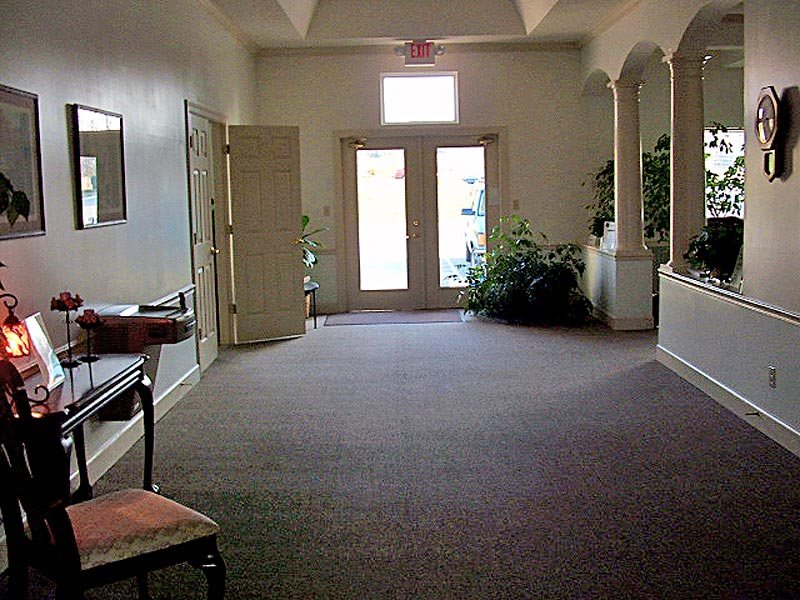
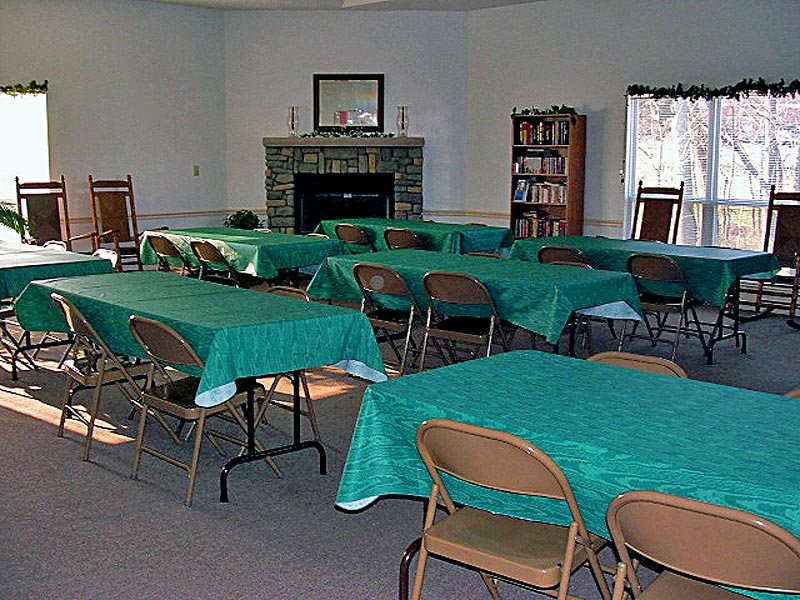
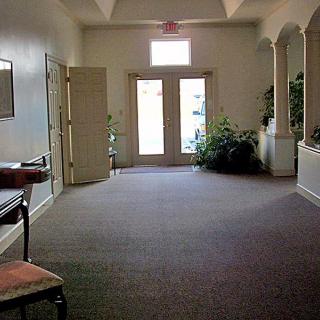
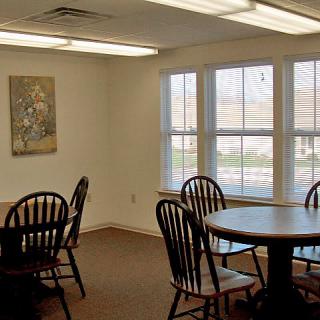
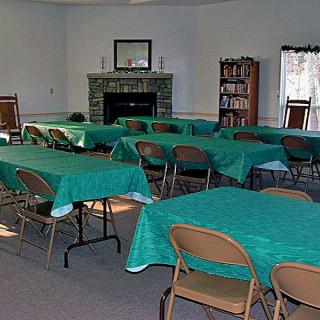
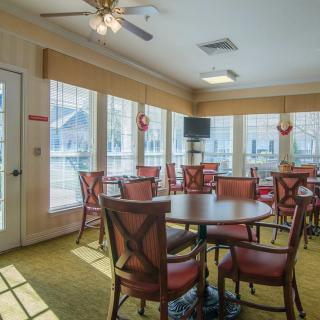
 Indoor common areas
 Blue Grass (19 miles away)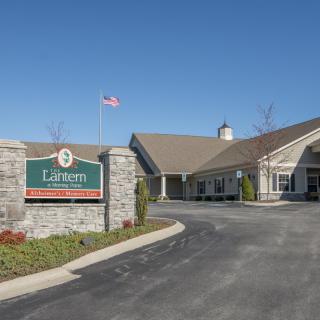
 Home Health Care Demystified: A Comprehensive Guide for Families and Caregivers
 Seniors and Modern Transportation: Exploring Uber, Lyft, and Other Ride-Hailing Options
 Comprehensive Guide to Qualifying for Home Health Care Services