


1004 Argyll Woods, Danville, KY 40422
For more information about senior living options: (866) 208-4318
Parkview Manor Assisted Living Community Costs & Pricing
Parkview Manor Assisted Living Community offers competitive pricing, with monthly costs for a studio room set at $1,850. This figure is significantly lower than the average monthly costs in Lincoln County, which stand at $2,939, and even more favorable when compared to the broader state average of $3,357 in Kentucky. Such affordability positions Parkview Manor as an attractive option for families seeking quality assisted living that balances care and financial considerations. The community not only emphasizes a supportive environment but also ensures that residents receive value without compromising on essential services and amenities.
| Floor plans | Parkview Manor Assisted Living Community | Lincoln County | Kentucky |
|---|---|---|---|
| Studio | $1,850 | $2,939 | $3,357 |
Overall Review of Parkview Manor Assisted Living Community
Pros
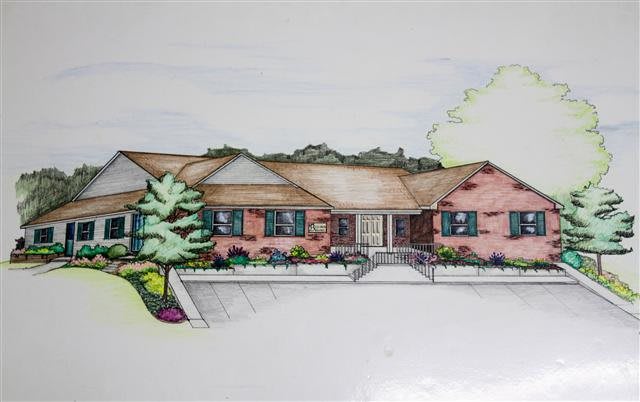
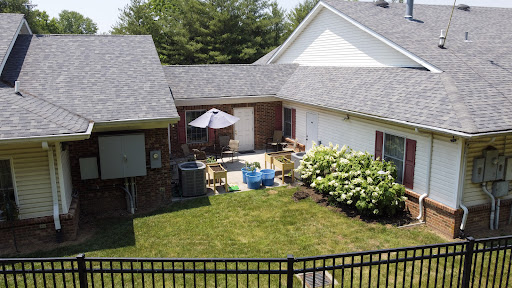
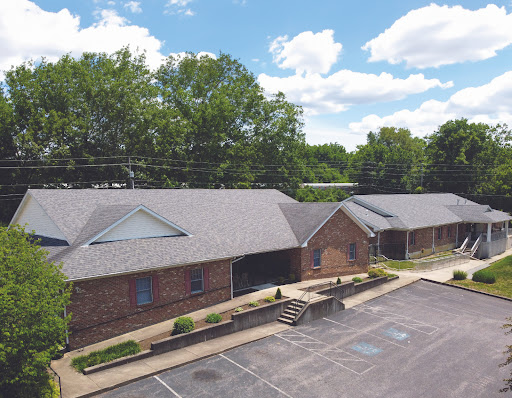
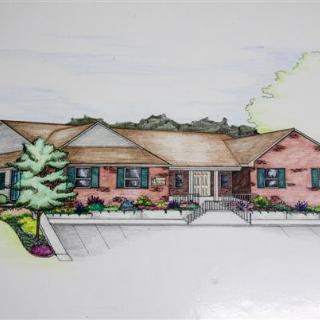
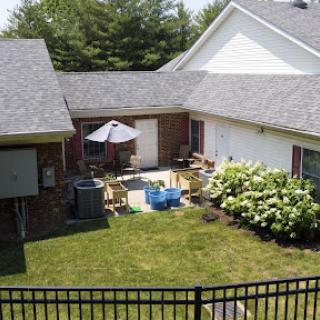
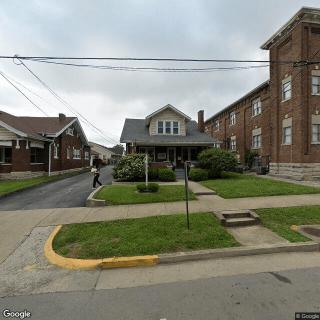
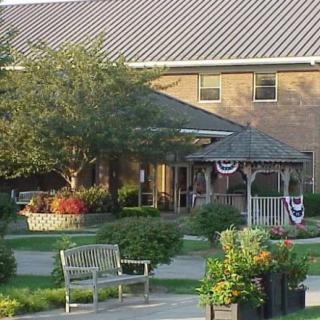
 Parkview Manor is in a quiet wooded neighborhood with an adjacent park, making it feel comfortable and homey.
- The staff are kind to residents, and visitors can drop in anytime to spend time with them without calling ahead.
- Families have peace of mind and are happy with their decision to move their loved ones there.
- It offers a family atmosphere, a welcoming environment, friendly southern hospitality, and great value.
- The community is friendly and informative, and residents are well cared for.
- The facility is clean and well kept, with personable staff and a good overall impression.
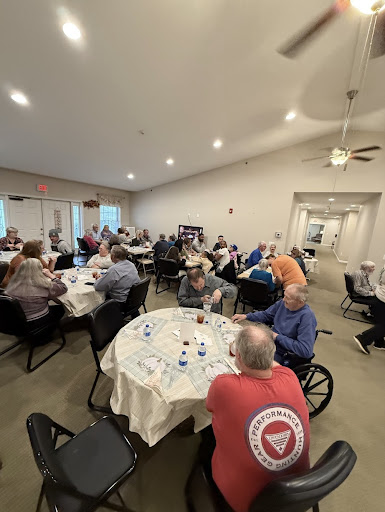
- It is a smaller, residential-style community with a homey, family atmosphere, and residents enjoy the meals.
Cons
 Some of the furnishings were worn and needed updating.
- The communication could be better, with uncertainty whether this was due to COVID or staff being busier.
Review
Parkview Manor Assisted Living Community in Danville, KY is best suited for families seeking a warm, homey alternative to larger, more formal campuses and for seniors who no longer need independent living but do not require hospital-level rehab every day. The setting is quiet and wooded, with a nice park adjacent to the building, which helps residents feel tucked in rather than treated as a corridor in a medical complex. The emphasis is on personal, attentive care delivered in a family-like atmosphere, not on flashy amenities. For families prioritizing ease of visits, a calm daily rhythm, and a strong sense of belonging, Parkview Manor checks those boxes with notable consistency.
That said, certain situations point toward considering alternatives. If a loved one requires more extensive skilled nursing, hospital-grade rehab, or highly specialized medical services on a regular basis, a larger facility with more intensive on-site medical staffing may be a better fit. Likewise, those who prize top-tier, luxury-inspired accommodations, abundant programming, or a highly polished, resort-like ambience may find the setting at Parkview Manor more modest. Communication gaps have appeared in some feedback, and families should be prepared to advocate for updates when needed. Distance can be a factor for some, though the Danville location still offers reasonable access for nearby caregivers.
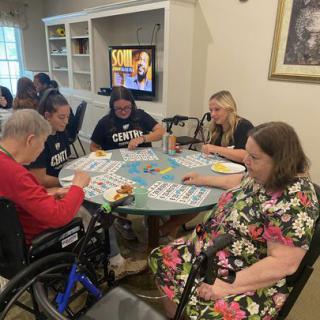
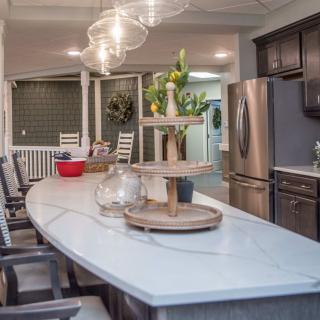
The strongest pros, an intimate, residential vibe, genuine warmth from staff, and a strong sense of family, offset several of the principal drawbacks. Residents and families repeatedly describe a calm, welcoming environment where staff are kind, personable, and readily available. The ability to drop in without advance notice is a practical relief for families who want to spend time with loved ones or arrange a quick outing, reinforcing trust and peace of mind. The community’s value is clear: clean, well-kept facilities paired with attentive care and a reasonable price point, making ongoing caregiving more sustainable for many households. Food quality and personal attention further strengthen the experience, creating daily moments that feel reassuring rather than transactional.
Additional positives reinforce the decision to choose Parkview Manor for the right resident. The smaller, residential style naturally fosters closer relationships between residents and staff, which translates into more consistent, individualized attention. The staff’s readiness to respond promptly to the care cord and the overall cleanliness and upkeep of the building contribute to a predictable routine that many families value during transitions. The social environment emerges as approachable and family-oriented, reducing the sense of institutional pressure and making days feel more like a respected, lived-in home rather than a clinical program. For families traveling from Lexington or nearby areas, the roughly 40-minute drive remains practical and manageable.
Still, the noted drawbacks deserve careful weighing. Worn furnishings and the need for updating in some spaces signal a facility that prioritizes function and care over showroom polish. While the staff are consistently described as friendly and attentive, the administration and care leadership are occasionally perceived as less synchronized, which can lead to inconsistent communications. In smaller communities, resources and activity calendars may be more modest than those at larger campuses, which can matter for residents who thrive on structured programming or a busier social schedule. These factors don’t nullify the strength of care, but they do set realistic expectations about what may be available day-to-day.
For families weighing this option, the decision comes into sharper relief: Parkview Manor is compelling for those who value a home-like atmosphere, easy staff access, dependable daily care, and transparent, affordable pricing. It suits residents who prioritize relationships, a quiet setting, and practical, compassionate support over stun-and-dazzle amenities. If a loved one requires more intensive medical oversight, larger campus programming, or a more polished, upscale environment, alternatives with broader clinical capacity and more expansive amenities should be explored. In any case, a site visit should be complemented by direct conversations with care teams, reviews of sample menus, and a clear picture of how care plans are developed and updated over time.
 12 resident community capacity
 Assisted Living
 Board and Care Home
 Memory Care
 Activities off-site
 Beautician on-site
 Cable or satellite TV
 Devotional services off-site
 Dining room
 Fully furnished
 Garden
 Housekeeping services
 Indoor common areas
 Move-in coordination
 Outdoor common areas
 Respite or short term stays offered
 Telephone
 Wheelchair accessible showers
 Wi-Fi/high-speed internet available
 24-hour supervision
 Ambulatory care
 Assistance with bathing
 Assistance with dressing
 Assistance with transfers
 Diabetes diet
 Diabetic care
 Incontinence care
 Meal preparation and service
 Medication management
 Special dietary restrictions
 Transportation arrangement (medical)
 Transportation to doctors appointments



 8 Key Indicators That Suggest It May Be Time to Transition from Assisted Living to Skilled Nursing Care
 Nourishing the Mind: Essential Dietary Approaches for Dementia
 Understanding Dementia Behaviors: Practical Insights and Strategies for Caregivers