
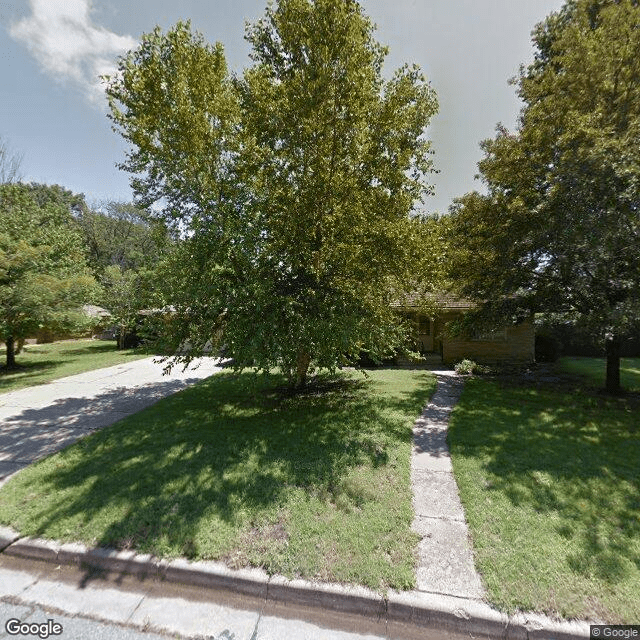
1214 North Charlotte Street, Wichita, KS 67208
For more information about senior living options: (866) 208-4318
New Life Home Plus Costs & Pricing
At New Life Home Plus, the monthly costs for accommodations vary by room type, reflecting the commitment to quality care and services provided to residents. For a one-bedroom unit, the rate is set at $4,800, notably higher than both Sedgwick County's average of $3,868 and the state average of $3,859. In the semi-private category, the cost escalates to $6,000, exceeding Sedgwick County's $4,937 and Kansas' $4,562. The most exclusive option - a private room - comes with a price tag of $7,000 per month, which again surpasses local rates of $5,320 in Sedgwick County and $5,137 statewide. These figures indicate that while New Life Home Plus may come at a premium compared to county and state averages, it likely reflects enhanced amenities and dedicated care that prioritize residents' well-being.
| Floor plans | New Life Home Plus | Sedgwick County | Kansas |
|---|---|---|---|
| 1 Bedroom | $4,800 | $3,868 | $3,859 |
| Semi-Private | $6,000 | $4,937 | $4,562 |
| Private | $7,000 | $5,320 | $5,137 |
Assisted Living communities with a similar price nearby
-
from +$800 / mo
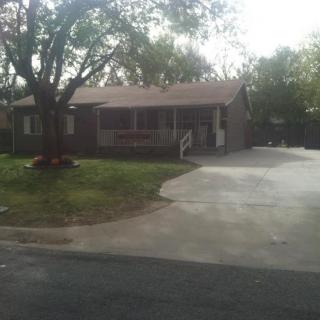
Divine Care Homes
$5,600 to $5,800 / month7.9 miles away -
from +$395 / mo
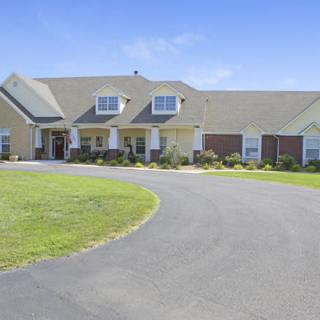
Brookdale Derby
$5,195 to $5,605 / month11.0 miles away -
from +$300 / mo
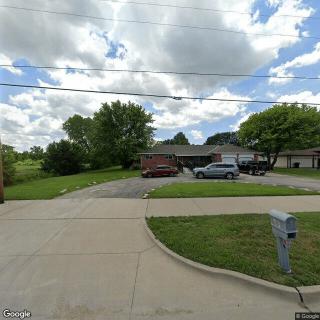
Ultra Care Home Plus
$5,100 to $6,400 / month4.5 miles away -
from +$300 / mo
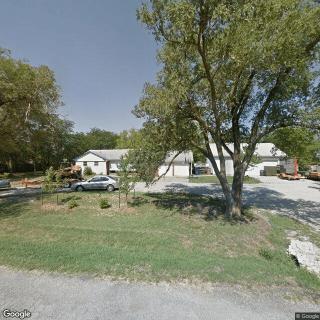
Ultra Care Home Plus 2
$5,100 to $5,400 / month5.2 miles away -
from -$300 / mo
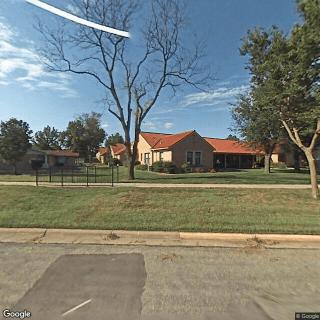
Newton Presbyterian Manor
$4,500 to $5,500 / month24.1 miles away
Overall Review of New Life Home Plus
Pros
 They care for loved ones as if they were their own.
- Arnot and the team are caring and loving, dedicated to compassionate care.
- The place feels like family and is always welcoming.
- The staff provide excellent care and compassion, making residents feel at home.
- The atmosphere is calming and peaceful.
- The owners, Arnot and Georgina, are present daily, with two aides on duty 24/7.
- Families can spend quality time with their loved ones during final days thanks to the care.
- They would recommend New Life Home Plus to others.
Review
This community is best suited for families seeking a small, home-like senior living option that treats dementia care as a central priority. New Life Home Plus shines when a loved one benefits from hands-on leadership, daily presence by the owners, and a setting that feels like an extended family. Reviews repeatedly describe care that goes beyond routine tasks, with Arnot and Georgina actively involved and caring for residents as if they were their own. For families facing memory challenges, this is a place where routine care is wrapped in warmth, reassurance, and a sense of belonging that reduces the stress of placement.
Those who require continuous, hospital-level medical oversight, extensive on-site therapies, or a large, bustling campus may want to consider alternatives. The emphasis on a homelike atmosphere and the role of two aides on duty around the clock suggests a focus on personal attention rather than high-intensity clinical services. If a loved one needs frequent skilled nursing, rehabilitation after a hospital stay, or a more expansive activity program with diverse partners, a larger facility or a memory care community with formal medical partnerships could fit better.
Key advantages are strikingly concrete. The owners are present daily, and the care team is described as genuinely compassionate, care that makes residents feel cherished, safe, and at home. With two aides on duty 24/7, supervision is tangible, and the risk of neglect or delay in assistance is minimized. The atmosphere is repeatedly described as calming and peaceful, an essential factor for dementia care where routine and familiarity matter. Families also gain peace of mind from the sense that staff treat residents like family and that time spent together at the end of life is meaningful rather than overshadowed by care gaps.
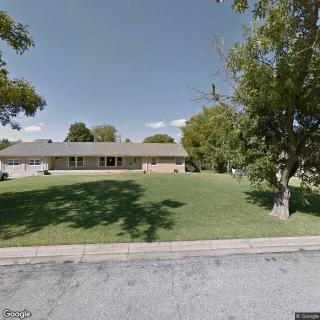
Where this model may fall short is in scale and breadth of medical resources. The narratives emphasize personal care, a charming single-family home, and direct involvement by the owners, but they do not present a facility with a large medical team or an expansive schedule of on-site therapies. For some residents, that could mean fewer options for complex medical needs, rapid changes in condition, or diverse social programming. The intimate size can also limit opportunities for neighbors to form friendships beyond a small group, though the reviews express a strong sense of family and belonging.
Yet the very strengths, constant owner presence, highly engaged staff, and a homey, peaceful environment, substantially offset these potential drawbacks. The hands-on leadership of Arnot and Georgina creates accountability, quick responsiveness, and continuity of care that is rare in larger settings. Two aides on duty around the clock reduce the likelihood of missed assistance, while the family-like culture promotes emotional well-being, which often translates into better engagement with daily activities and calmer behavior for dementia residents.
Decision guidance: this community is a strong fit for families prioritizing personalized, compassionate dementia care in a warm, home-like setting, where owners actively supervise and a tight-knit staff responds quickly. Prospective movers should verify the scope of medical services available on site and clarify whether any required therapies or nursing needs can be provided in-house or via referrals. If the loved one thrives in a calm, predictable routine and benefits from consistent caregiver relationships, New Life Home Plus warrants serious consideration. If, however, a higher level of medical complexity, a more structured activity calendar, or a larger campus is non-negotiable, alternatives should be explored.
 12 resident community capacity
 Assisted Living
 Board and Care Home
 Cable or satellite TV
 Dining room
 Fully furnished
 Garden
 Housekeeping services
 Move-in coordination
 Outdoor space
 Private
 Telephone
 Wi-Fi/high-speed internet available
 Wichita Mid-Continent (10 miles away)
 24-hour supervision
 Activities of daily living assistance
 Assistance with bathing
 Assistance with dressing
 Assistance with transfers
 Diabetes diet
 Meal preparation and service
 Medication management
 Special dietary restrictions
 Transportation arrangement (medical)
 Transportation to doctors appointments

 Comprehensive Insights into Activities of Daily Living (ADLs) and Their Assessment
 Guiding Elderly Parents Who Refuse Assisted Living: 6 Practical Steps
 Your Comprehensive Guide to Luxury Assisted Living: Elevated Facilities, Amenities, and Costs