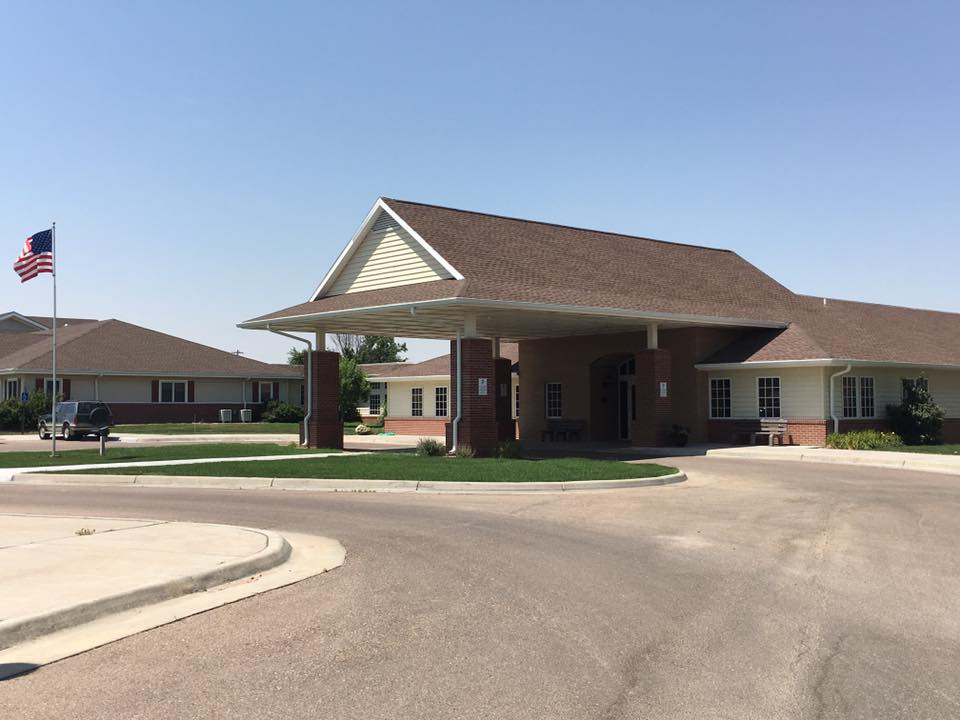







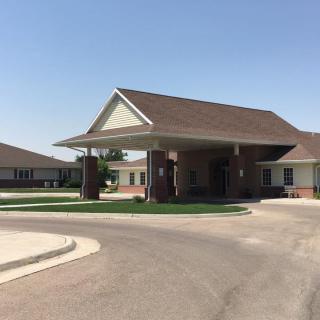


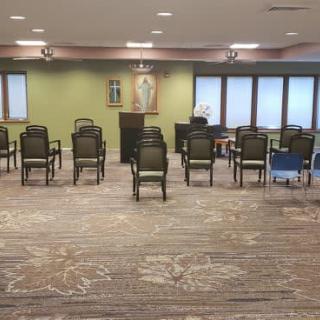
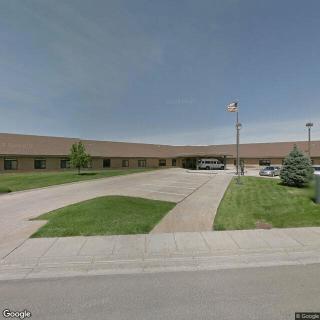
510 E San Jacinto Ave, Ulysses, KS 67880
To contact a resident: (620) 356-3331
For more information about senior living options: (866) 208-4318
Western Prairie Assisted Living Costs & Pricing
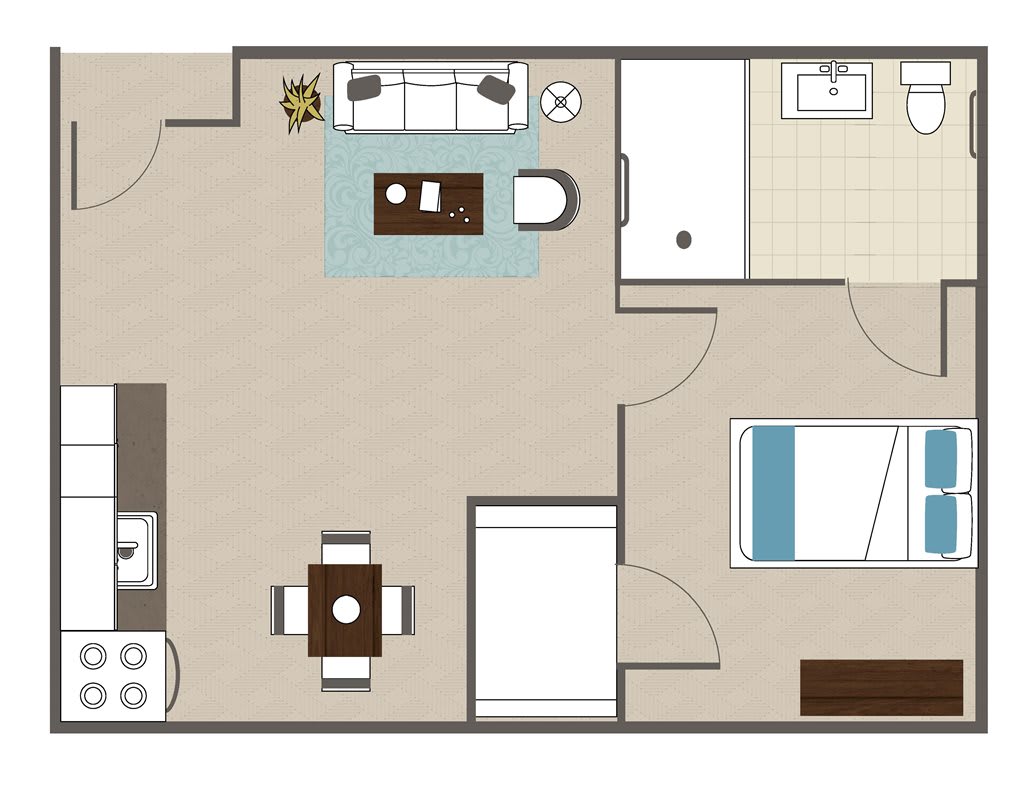
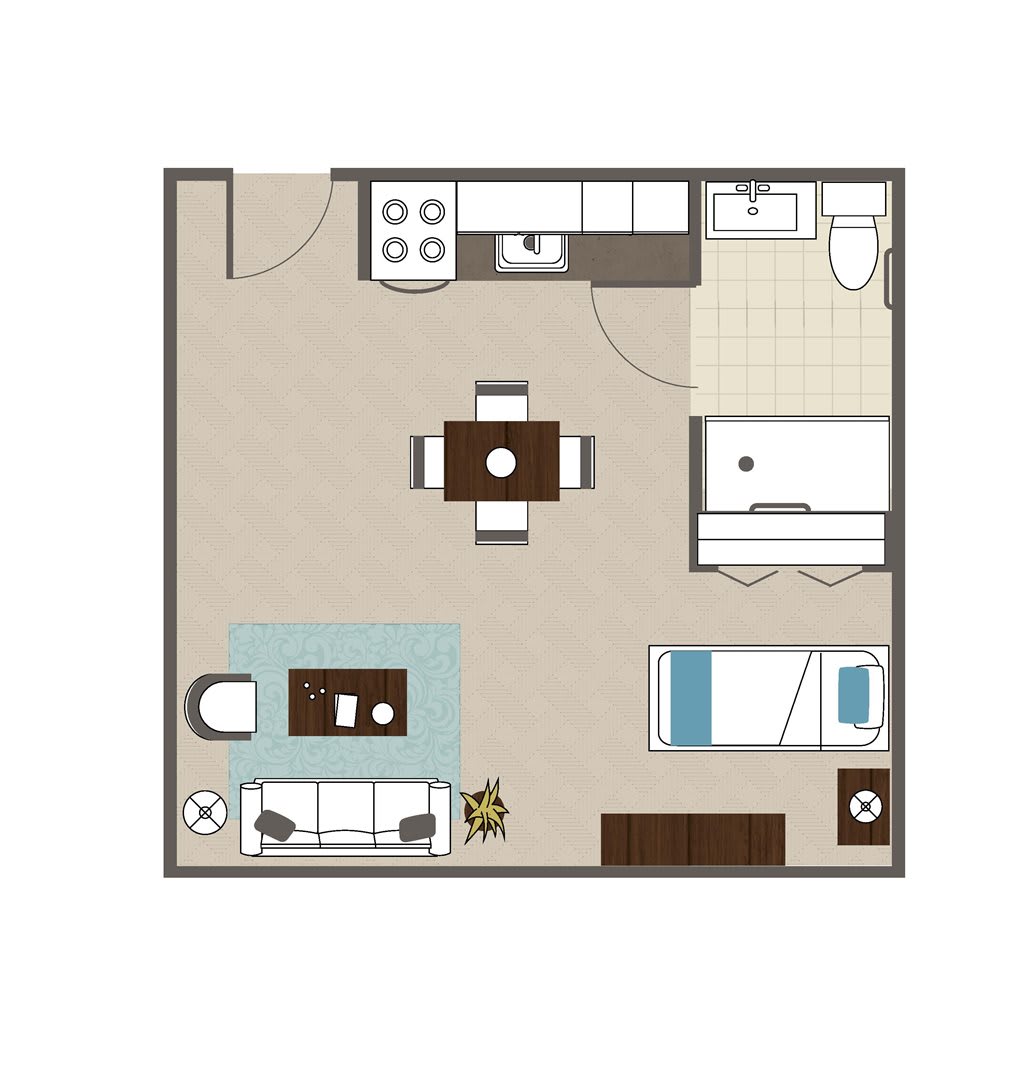
Western Prairie Assisted Living offers competitive pricing for its residents, with monthly costs that remain consistent with those of Kearny County. For a studio apartment, the monthly rate is $3,645, which aligns perfectly with the county's pricing and is notably lower than the state average of $4,094. Similarly, the one-bedroom option is priced at $3,910, matching the county's rate while slightly exceeding the Kansas state average of $3,859. This pricing strategy positions Western Prairie Assisted Living as an appealing choice for individuals seeking quality care without straining their financial resources.
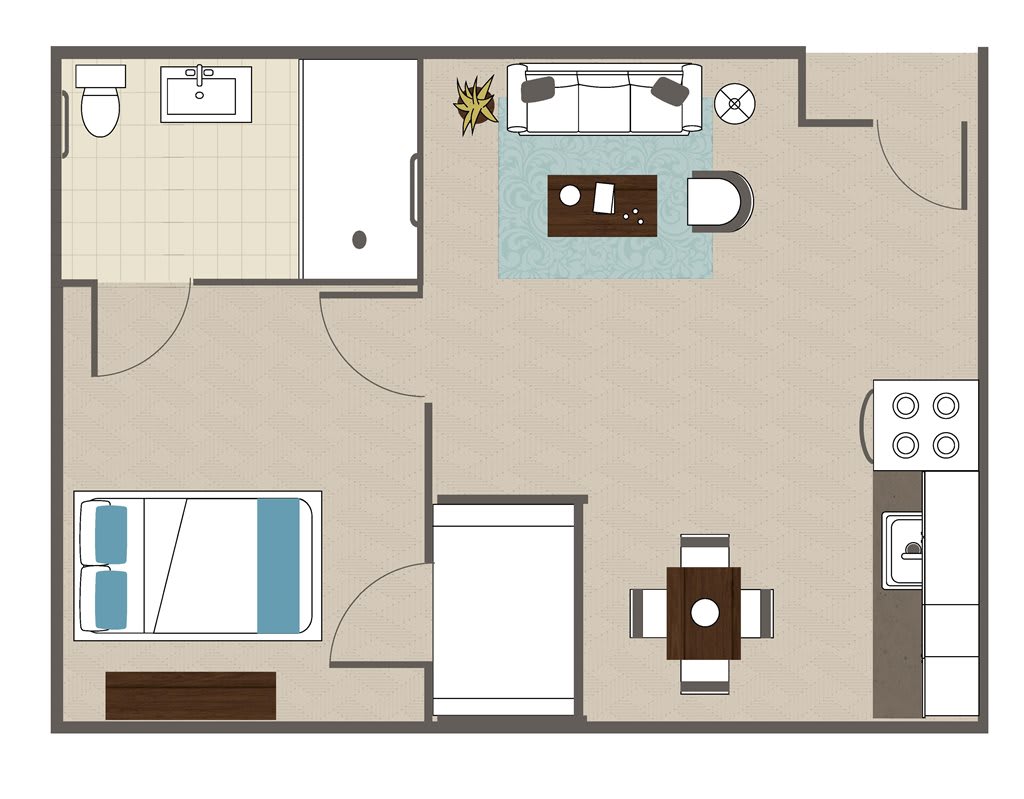
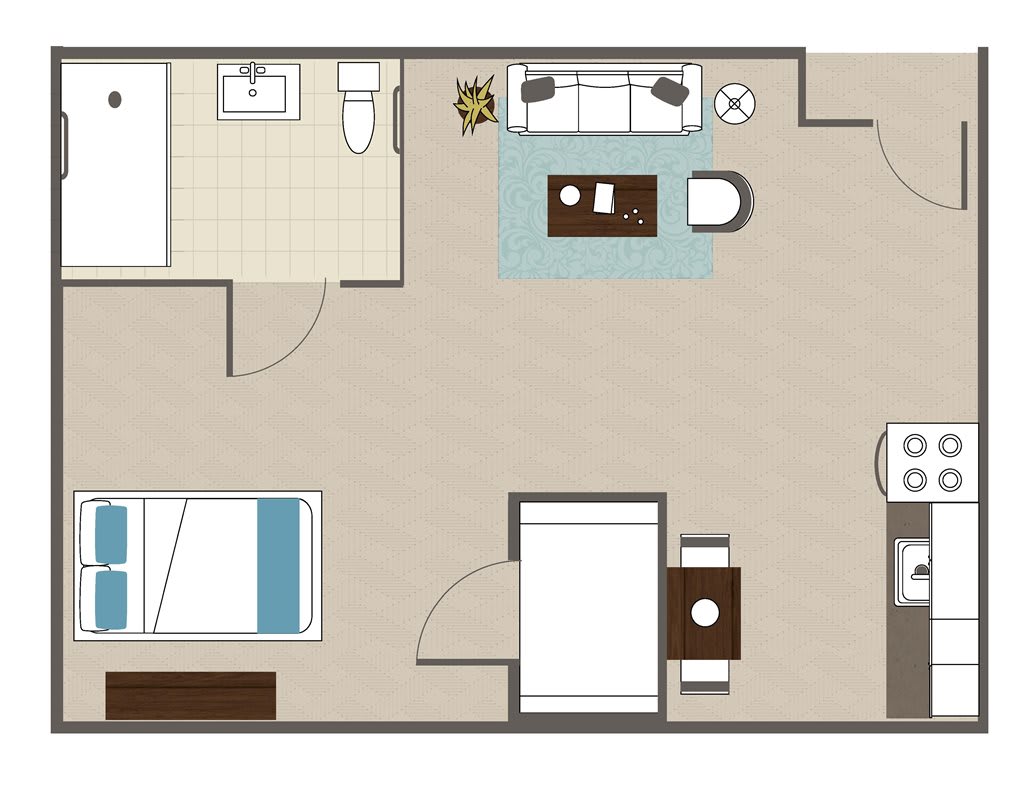
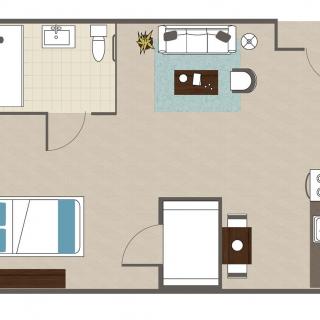
| Floor plans | Western Prairie Assisted Living | Kearny County | Kansas |
|---|---|---|---|
| Studio | $3,645 | $3,645 | $4,094 |
| 1 Bedroom | $3,910 | $3,910 | $3,859 |
Overall Review of Western Prairie Assisted Living
Pros
 Their two family members have been here for a year and are receiving great care.
- The family is confident that their relatives are getting excellent care.
- The reviewers praise the care provided to their family members.
Review
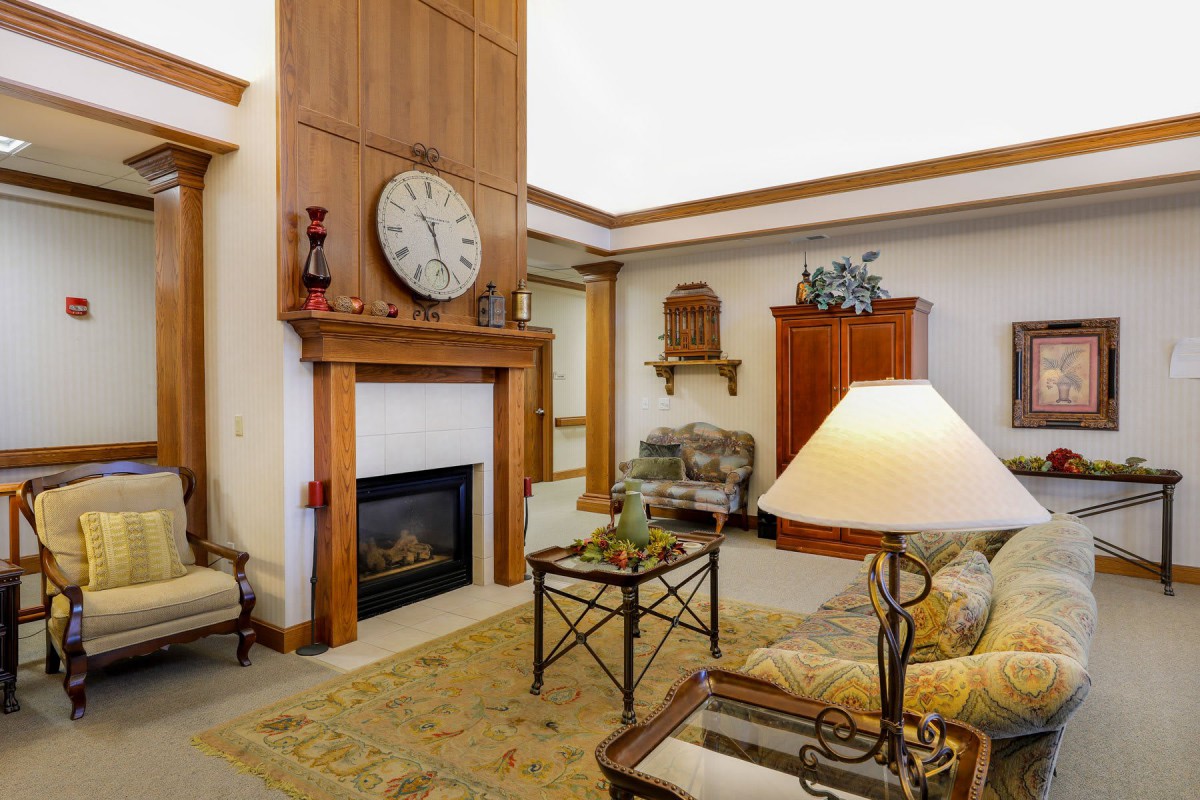
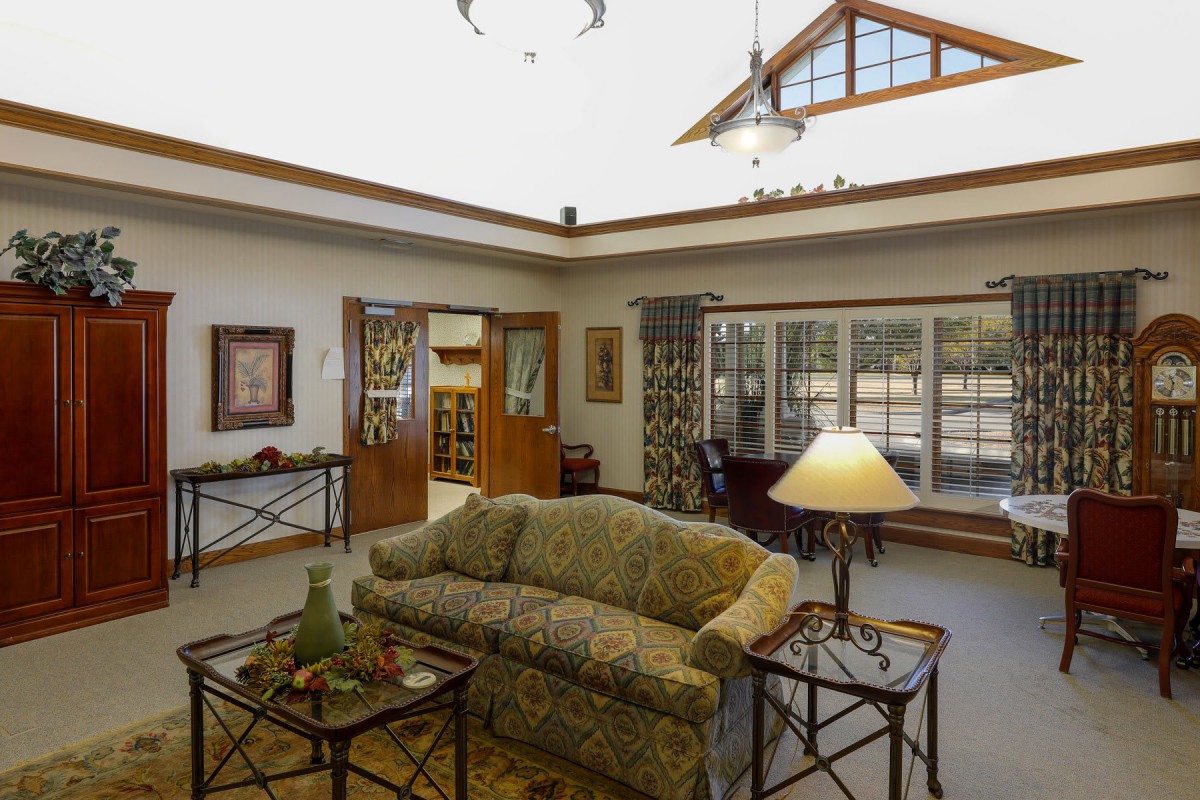
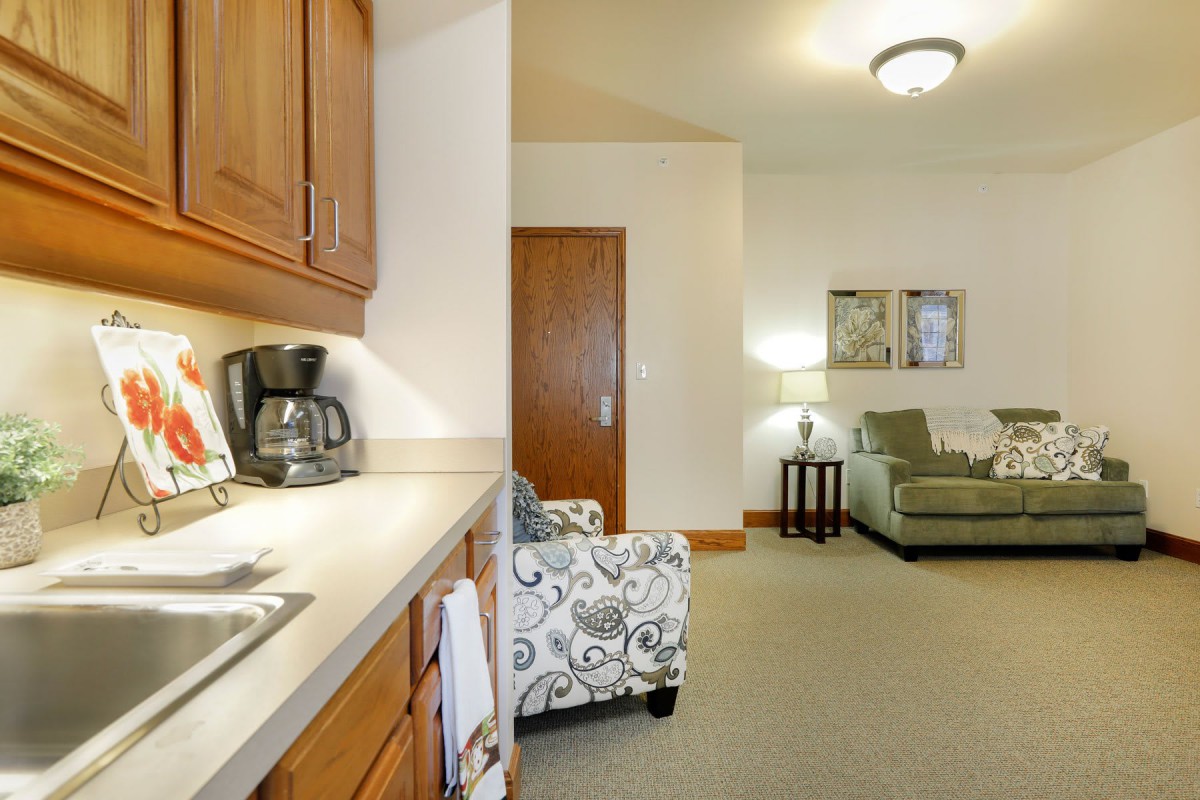
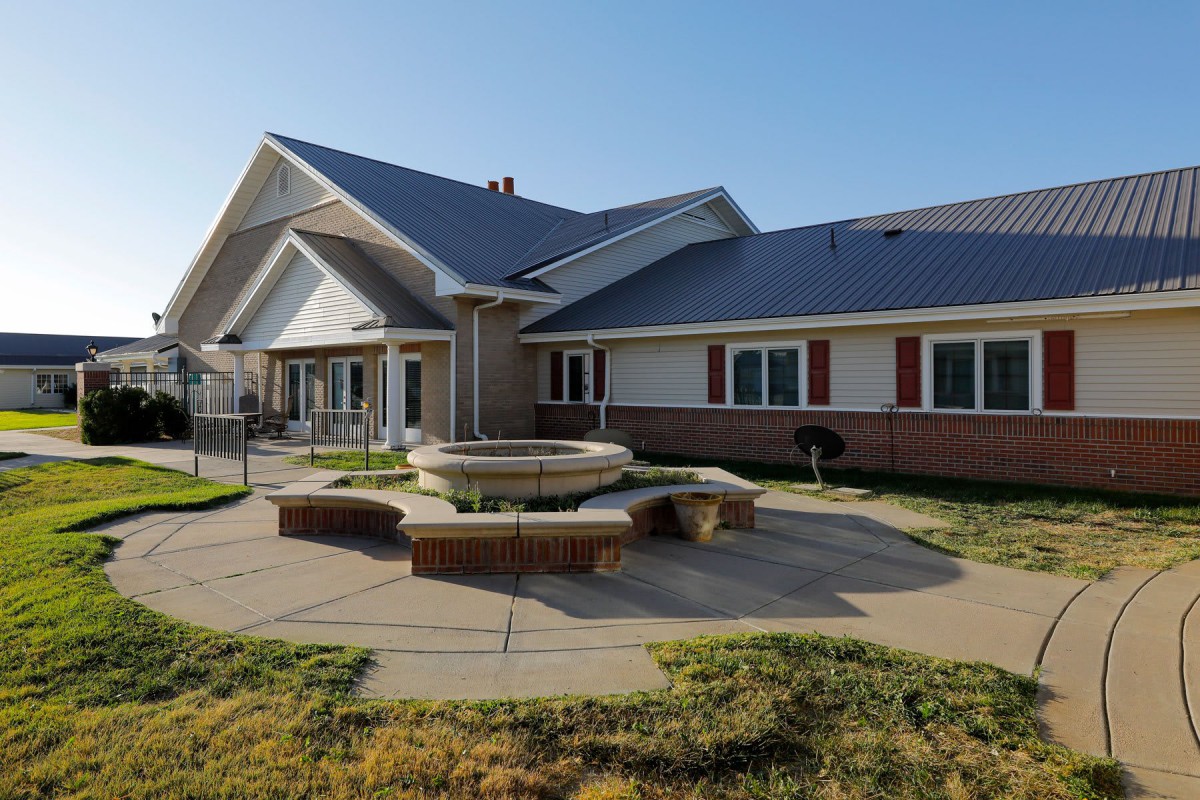
Western Prairie Assisted Living in Ulysses is best suited for seniors who want a small-town, intimate setting where caregivers know residents well, care plans are hands-on, and daily routines feel predictable and personal. The community shines for families seeking steady, attentive support without the bustle of a large campus. It’s especially suitable when the safety net of consistent staff, clear communication, and a calm, home-like atmosphere matters most. In short, this is a strong match for residents who do not require high-intensity medical rehab or highly specialized services but do value dependable, relational care delivered in a neighborly environment.
Those weighing alternatives should consider situations that demand more intensive medical oversight, specialized memory care, or expansive rehabilitation programs. If a loved one needs around-the-clock skilled nursing, dementia-specific programming, or a robust on-site therapy lineup, a larger campus with dedicated memory care wings or rehab offerings may prove more suitable. Similarly, families prioritizing a wide array of on-site amenities, frequent professional visits, or proximity to major medical centers might find other communities more aligned with those expectations. Western Prairie’s strengths lie in personal touch and stability, not in the scale and breadth some families expect.
The strongest pro here is proven, high-quality care over time. Two families note their relatives have been thriving in the setting for a year, which signals consistent caregiving, reliable attention, and steady oversight from the staff and administration. That kind of continuity matters deeply when trust and familiarity are the currency of daily life: familiar caregivers reduce agitation, changes in routine feel manageable, and families can engage with care planning with confidence. The overall 5-star rating across the board reinforces the impression that care outcomes are dependable and that resident needs are being met with a steady hand.
Another clear advantage is the culture of accountability and accessibility that tends to accompany small-community operations. A resident population of modest size often means staff can respond quickly, know preferences, and tailor activities without the friction that comes with larger, more impersonal campuses. Families repeatedly observe warmth, respect, and genuine engagement from caregivers, which translates into calmer days for residents and less second-guessing for relatives. The environment likely fosters more meaningful conversations about daily habits, meals, and routines, allowing care plans to evolve in step with each resident’s changing needs.
Where questions do arise, the strongest offset comes from the same advantages that create the positives: personalization, direct communication, and family involvement. For families evaluating Western Prairie, the main trade-off is balancing the intimate, less-is-more setup against the potential need for more specialized programs elsewhere. Prospective residents should verify several practical details to close the decision gap: Is there on-site nursing coverage around the clock and how are physician visits arranged? What memory care support exists, if dementia care becomes necessary? What transportation options and external therapy services are accessible? How varied are meals and enrichment activities, and who leads them?
Ultimately, Western Prairie Assisted Living represents a pragmatic choice for families prioritizing dependable care in a small, neighborly setting. It suits seniors who benefit from familiar faces, consistent routines, and a strong sense of community , and who can operate well within a setup that emphasizes hands-on attention over breadth of services. For those whose needs include advanced medical care, expansive rehab, or highly specialized memory support, alternatives in larger facilities may deliver a better fit. The prudent path is a direct visit: observe interactions, ask to meet caregivers and a few residents, review a sample care plan, and confirm costs and potential day-to-day variations. With those steps completed, the choice should feel both confident and right for the right match.
 60 resident community capacity
 Assisted Living
 Skilled Nursing Facility
 Activities on-site
 Air-conditioning
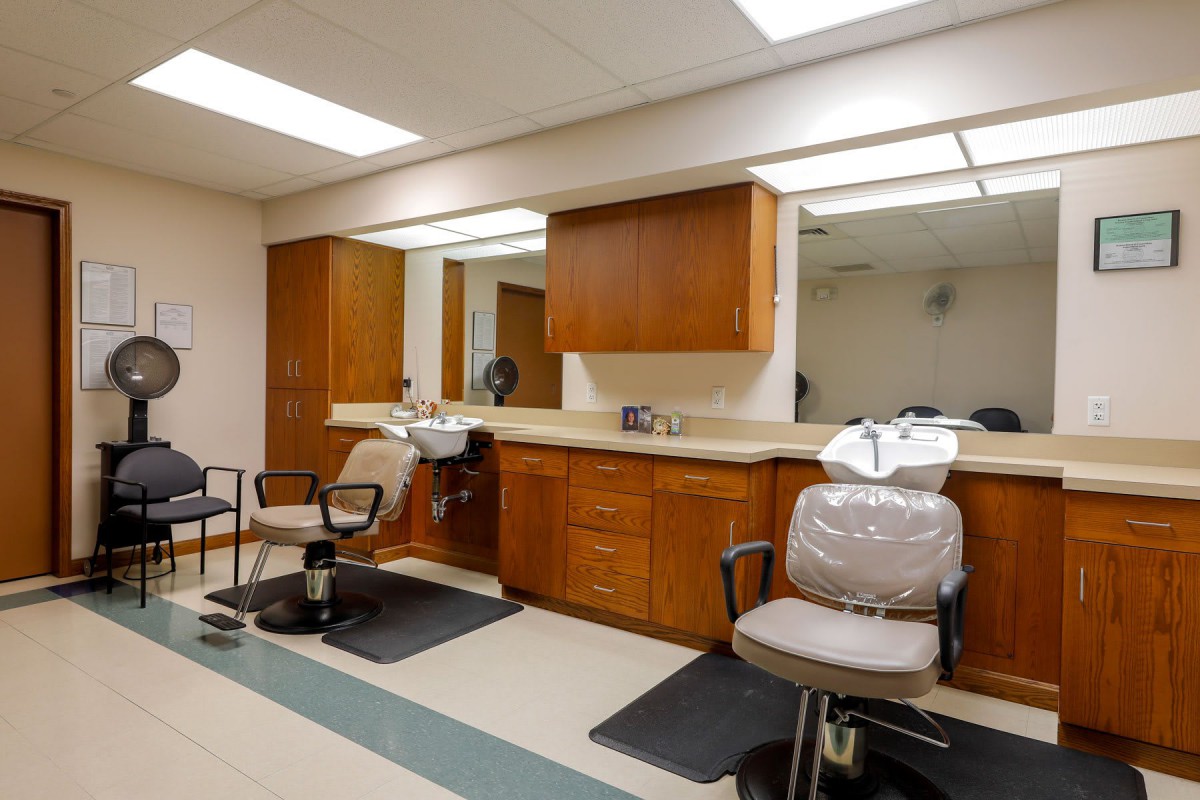
 Beautician on-site
 Cable or satellite TV
 Computer center
 Devotional services off-site
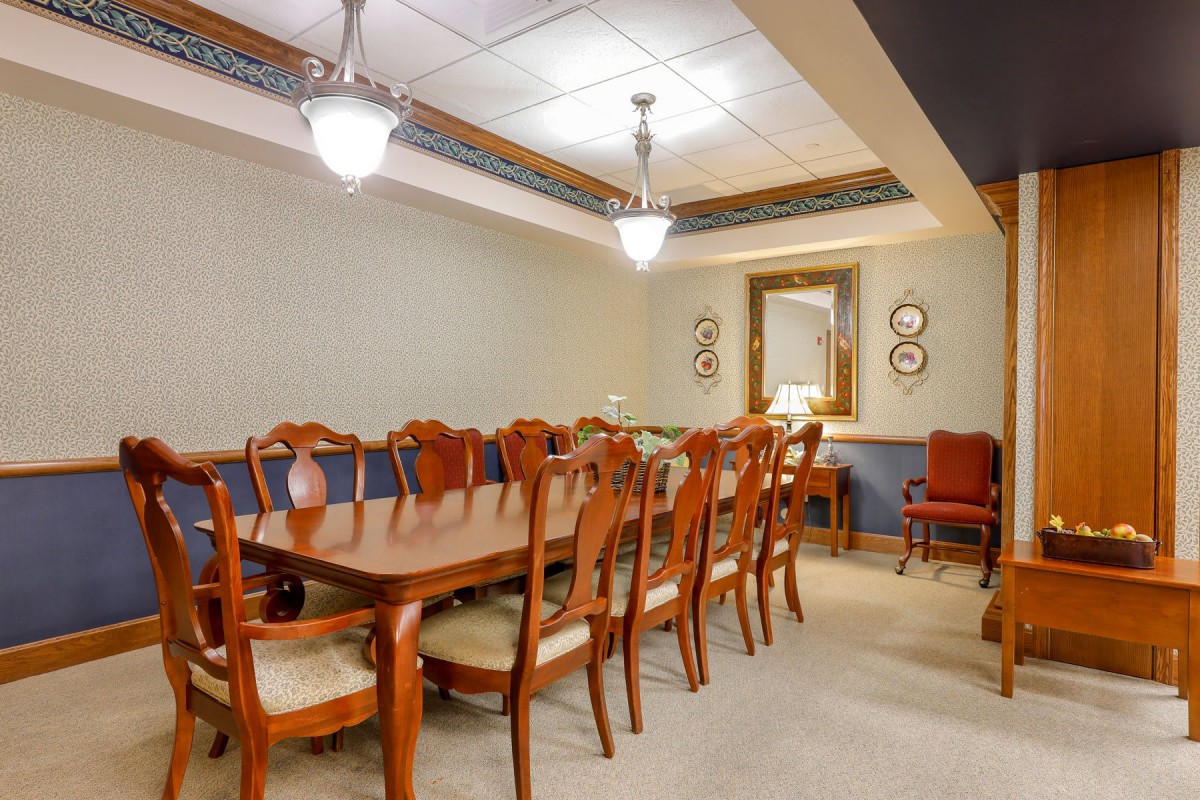
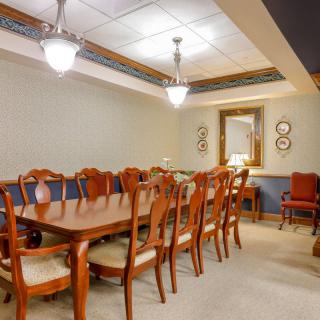
 Dining room
 Fitness room
 Fully furnished
 Gaming room
 Garden
 Housekeeping services
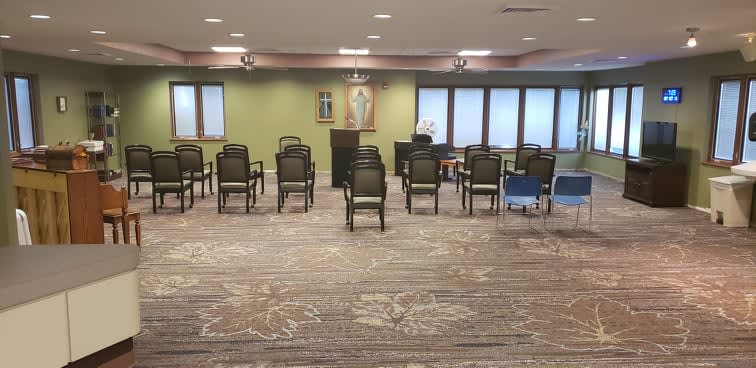
 Indoor common areas
 Kitchenette
 Move-in coordination
 Outdoor space
 Private bathrooms
 Respite or short term stays offered
 Restaurant-style dining
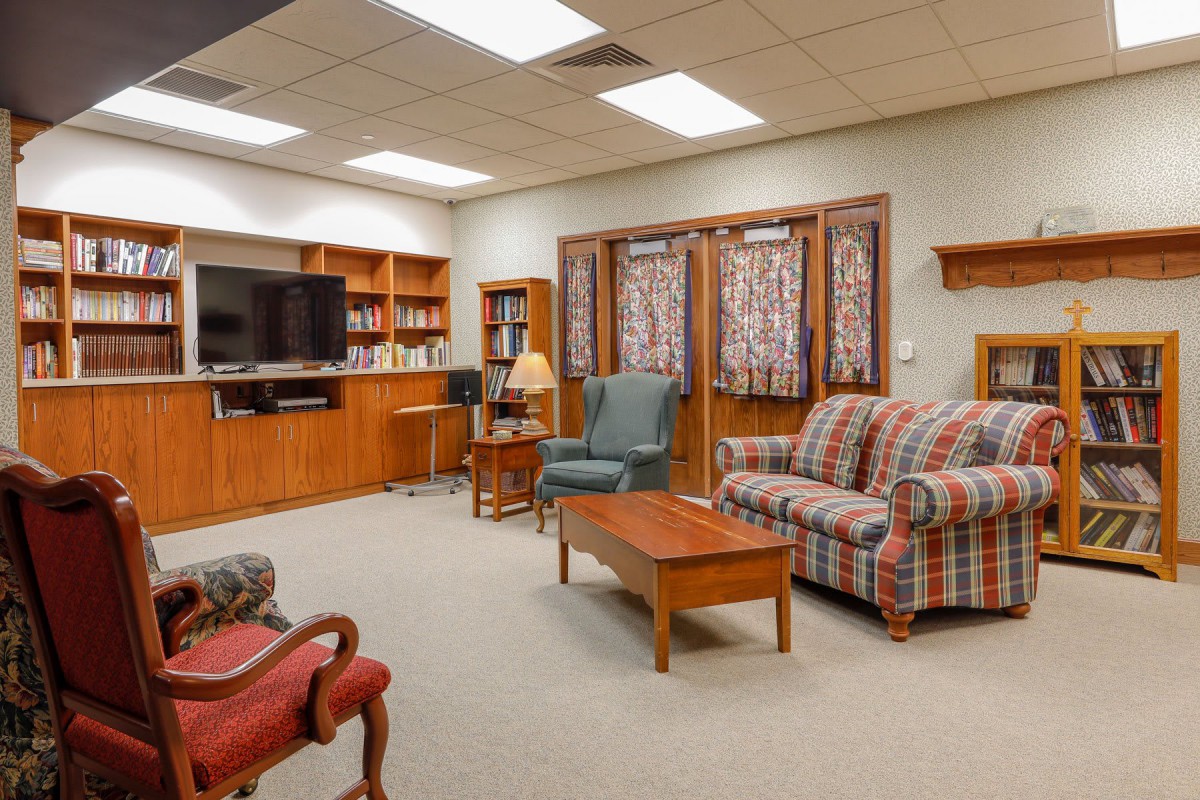
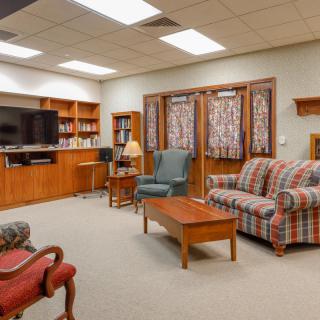
 Small library
 Telephone
 Wellness center
 Wi-Fi/high-speed internet available
 Community operated transportation
 12-16 hour nursing
 24-hour call system
 Ambulatory care
 Assistance with bathing
 Assistance with dressing
 Assistance with transfers
 Diabetes diet
 Diabetic care
 Incontinence care
 Medication management
 Mental wellness program
 Special dietary restrictions
 Transportation arrangement (medical)
 Concierge services
 Planned day trips


 How and When Medicaid May Cover Assisted Living Costs
 A Detailed Exploration of Assisted Living Medicaid Waivers Across the United States
 Comprehensive Residential Support and Assisted Living Solutions for Individuals with Disabilities