



607 Court Place, Lakin, KS 67860
For more information about senior living options: (866) 208-4318

Overall Review of Kearny County Hospital Assisted Living
Pros
 The staff were amazing and the care was exceptional.
- Jill is an amazing doctor and the staff are highly regarded.
- The service is excellent.
- The care is great.
- The staff are friendly and have a good sense of humor.
- The staff are amazing.
Cons
 They would give a zero rating if they could.
- They do not trust Kearny County, alleging it garnishes patients and leaves balances in the negatives even after payment.
- The wait time is ridiculous and lasts hours, even when the patient is the only one there.
- The doctors do not seem to care about patients' needs, whether children or adults.
- The wait times at the ENT were horrible; late-arriving patients were seen before those who arrived early.
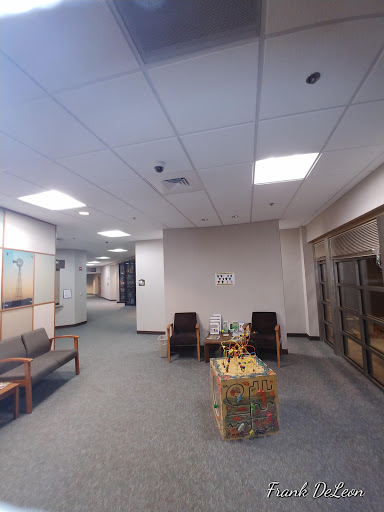
- The facility lacks a dedicated room for family members and feels not family-friendly.
- The billing department is problematic, with patients sent to collections without prior notice.
- For life-threatening conditions, the reviewer would avoid this hospital.
Review
This community is best suited for seniors who want a small-town, person-first assisted-living experience in Lakin, Kansas, where caregivers are recognized for warmth, steadiness, and a friendly, familiar presence. It works well for residents who appreciate regular check-ins, straightforward routines, and staff who become part of the daily rhythm. Families drawn to proximity to medical resources through an affiliated hospital network and to a setting that favors approachable, personable care will find value here. The fit is strongest for those who do not require constant, high-intensity medical management yet prize genuine kindness and dependable, everyday support. It is less appropriate for anyone who demands flawless scheduling, airtight financial transparency, or aggressive, rapid diagnostic action when problems arise.
Those weighing alternatives should consider this community if rapid, precise medical decisions and robust administrative systems are nonnegotiable. A recurring thread in reviews is long wait times for appointments and detectable friction in billing and communications. If timely access to specialists, clear and predictable billing, or proactive follow-through on financial matters are priorities, other options with stronger administrative infrastructure will likely serve better. Families managing complex medical needs or seeking a facility that can orchestrate multi-disciplinary care with minimal runaround will want to explore facilities with a more streamlined care-management framework.
Yet the upside is real and meaningful. The strongest thread through the experiences is a staff culture that feels genuinely helpful, kind, and capable. When the right clinicians are available, residents describe excellent service and compassionate engagement, moments that reinforce trust in the care team. The warmth, humor, and everyday attentiveness of caregivers translate into meaningful daily comfort and emotional reassurance, especially for residents who value personal connections with those who assist them. On balance, these human elements create a core strength that can offset routine inconveniences, provided the administrative backbone remains reasonably steady and responsive.
Prospective families should press for clarity on the care workflow before committing. Ask about typical wait times, which physicians are actually on site, and how quickly a care plan is updated when medical needs change. Inquire how the hospital affiliation affects day-to-day care, what transport and after-hours support look like, and how privacy and family discussions about care are accommodated. The absence of a dedicated family room or private space for conversations is a common theme in reviews, so verify what visitation accommodations exist and whether improvements are planned. Billing transparency remains essential: request a straightforward explanation of charges, payment timelines, and the steps for resolving disputes to guard against unexpected collections.
Another practical check is to gauge consistency and resilience in staff. Speak with current residents about turnover, reliability, and how the facility handles emergencies. A thorough tour should include a real-scenario run-through: med-management routines, assistance with daily living activities, meals, social programming, and mobility support. Compare this community against other local options that offer similar services but boast stronger track records in administration and on-site specialist access. The right choice will balance the comfort of daily, human-centered care with dependable systems that keep medical decisions transparent and financial matters in order.
Bottom line: this community can be an excellent fit for seniors who prize human connection, a local hospital network, and a care team that genuinely treats residents like people, so long as families actively monitor administrative performance and medical oversight. For those whose priorities include flawless billing, worry-free scheduling, and consistently rapid diagnostic action, broader options with tighter administrative controls will reduce risk and stress. The prudent path is a thorough tour, candid conversations with multiple residents, and targeted questions that reveal how well operations scale with need. When the balance favors dependable systems paired with compassionate care, the decision is clear; when it tilts toward unpredictable billing and variable clinical judgment, it is wise to look elsewhere.
 35 resident community capacity
 Assisted Living
 Activities on-site
 Beauty salon
 Cable or satellite TV
 Devotional services off-site
 Dining room
 Fully furnished
 Garden
 Housekeeping services
 Indoor common areas
 Kitchenette
 Move-in coordination
 Outdoor space
 Telephone
 Wi-Fi/high-speed internet available
 24-hour call system
 Ambulatory care
 Assistance with bathing
 Assistance with dressing
 Assistance with transfers
 Diabetes diet
 Diabetic care
 Meal preparation and service
 Medication management
 Mental wellness program
 Special dietary restrictions
 Transportation arrangement (medical)
 Transportation to doctors appointments





 Understanding Medicaid Coverage for Assisted Living: A Comprehensive Guide
 How and When Medicaid May Cover Assisted Living Costs
 A Detailed Exploration of Assisted Living Medicaid Waivers Across the United States