
2824 South West Mulvane Street, Topeka, KS 66611
For more information about senior living options: (866) 208-4318
Overall Review of Winter Meadow Homes II
Pros
 The food is good.
 - The mom likes the owner.
- The staff knows what she should be eating at what time of day.
- The mom has a private room there.
Cons
 The reviewer would give zero stars if possible.
 - Darlene is constantly yelling and screaming in front of the residents.
- The workers won’t stay because they aren’t paid on time or at all, with new payday excuses and checks that bounce.
- They warn others not to put their loved ones here or to work here.
- It is an awful place; staff treat residents horribly, scream and belittle them, and even refuse to check blood sugars just to be petty.
- The company is very terrible and very unprofessional.
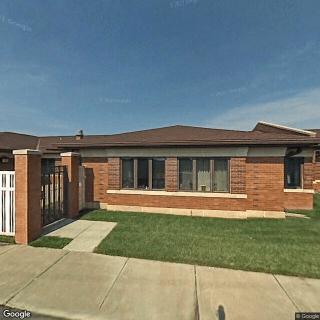
- The facility needs remodeling because residents with walkers have trouble entering the door.
Review
Winter Meadow Homes II in Topeka is best suited for a resident who can tolerate practical staffing gaps and limited medical oversight, with families prepared to stay actively involved in day-to-day care and advocacy. The core utility lies in private space and meals, but only when expectations align with reality: dependable caregiving, timely payroll, and a respectful daily environment cannot be assumed here. For anyone requiring steady, professional care or a consistently calm, well-managed setting, alternatives deserve serious consideration. This community may work for individuals with modest care needs who can be supervised from a distance and who place priority on privacy and food quality, rather than on reliable, hands-on caregiving.
The red flags prominent in multiple accounts center on staffing stability and management practices. Reports describe employees not being paid on time or at all, with excuses offered about payroll cycles and funds, creating chronic turnover and uncertainty about who will be present to assist. The atmosphere is described as tense and sometimes hostile, with residents and staff experiencing yelling and belittling. Essential tasks, such as monitoring blood sugar or ensuring timely assistance, are reported as being neglected or deprioritized, which translates into real risk for residents reliant on consistent care and respectful treatment. Even when the owner or family connections show visible involvement, these systemic issues undermine daily safety and trust.
Yet there are concrete positives that should not be dismissed outright. The facility delivers solid meal quality, and staff demonstrate some comprehension of diabetic dietary needs, which matters for residents managing blood sugar and meal timing. A private room offers personal space and comfort, and at least one account notes a favorable impression of the owner, with the wife serving as an LPN. These elements, nutrition, basic medical-awareness in diet planning, and private accommodation, provide a usable baseline. However, they cannot compensate for recurring caregiving gaps or the emotional toll created by a volatile staff climate and inconsistent supervision.
From a facility standpoint, the environment shows practical room for improvement beyond the dining and privacy aspects. One reviewer highlights the need for remodeling to better fit mobility needs, and a walker doorway incident underscores safety and accessibility concerns. Such physical shortcomings compound the caregiving challenges, making navigation, safety, and day-to-day independence more fragile. In a setting where mobility aids are common, aging infrastructure that fails to support safe movement translates into higher risk of trips, falls, or frustration for residents and their caregivers. The physical plant matters, and in this case it reinforces the impression that basic safety standards are not consistently met.
Overall, the strengths are insufficient to offset the dominant drawbacks. While meals and private quarters are meaningful, the absence of reliable, respectful caregiving and payroll stability undermines trust and safety. Prospective residents should treat the positive indicators as contingent on dramatic improvements in staffing, discipline, and everyday operations. The decision here hinges on one’s tolerance for risk and an ability to monitor and intervene frequently. For families prioritizing consistent care, predictable staff behavior, and a supportive caregiving culture, Winter Meadow Homes II is unlikely to be the final choice.
Prospective planners should proceed with a disciplined checklist: verify payroll practices and staff turnover rates, request direct observation of routine care (including blood sugar checks and medication administration), and interview multiple staffers and residents about everyday life. Visits should extend beyond a single tour to evenings and weekends to assess consistency in tone and support. Licensing status, safety features for mobility, and the facility’s capacity to accommodate mobility aids should be confirmed. If these criteria cannot be satisfied, alternatives in Topeka with stronger reputations for staffing stability and respectful care, especially for residents with medical needs, should be prioritized. In short, pursue options that demonstrate punctual payroll, stable caregiving supervision, and a culture of respect at all levels.
 6 resident community capacity
 Assisted Living
 Cable or satellite TV
 Dining room
 Fully furnished
 Garden
 Housekeeping services
 Move-in coordination
 Outdoor space
 Telephone
 Wi-Fi/high-speed internet available
 Forbes (5 miles away)
 24-hour supervision
 Activities of daily living assistance
 Assistance with bathing
 Assistance with dressing
 Assistance with transfers
 Diabetes diet
 Meal preparation and service
 Medication management
 Special dietary restrictions
 Transportation arrangement (medical)
 Transportation to doctors appointments



 When to Transition from Assisted Living to Memory Care: Key Indicators, Steps, and Finding the Right Community
 Assisted Living and Memory Care: Understanding Their Core Differences
 Beyond the Bingo Hall: 50+ Enriching Activities for Seniors in Assisted Living