
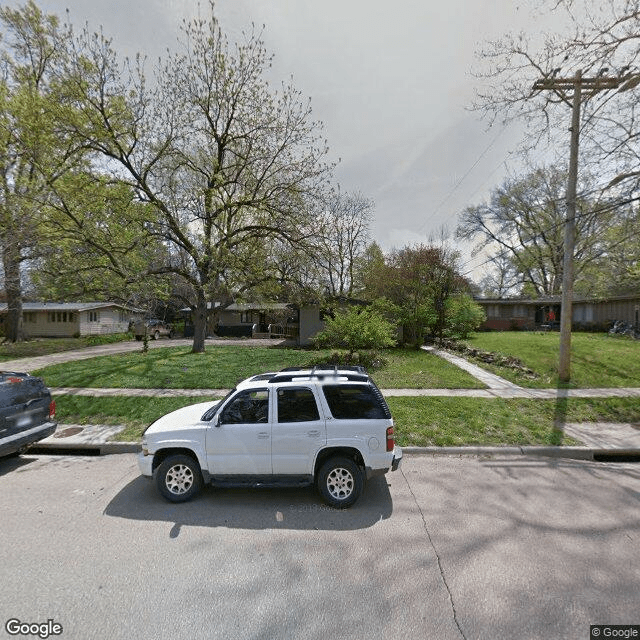
2832 SW Mulvane, Topeka, KS 66611
To contact a resident: (785) 234-2989
For more information about senior living options: (866) 208-4318
Winter Meadow Costs & Pricing
At Winter Meadow, residents can expect to pay $5,000 per month for semi-private accommodations and $6,000 for private rooms. These rates are noticeably higher than the average costs in Shawnee County, where semi-private living is priced at approximately $4,174 and private rooms at around $4,594. Similarly, Kansas state averages reflect a slightly lower cost for both room types - $4,562 for semi-private and $5,137 for private. While Winter Meadow's pricing exceeds local and state averages, it may offer distinctive amenities or services that justify the investment in higher-quality care and an enriched living experience.
| Floor plans | Winter Meadow | Shawnee County | Kansas |
|---|---|---|---|
| Semi-Private | $5,000 | $4,174 | $4,562 |
| Private | $6,000 | $4,594 | $5,137 |
Senior living communities with a similar price nearby
-
from -$400 / mo
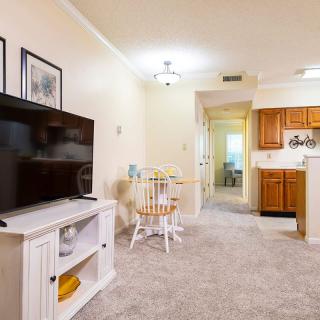
Lexington Park
$4,600 to $5,125 / month2.2 miles away -
from +$500 / mo
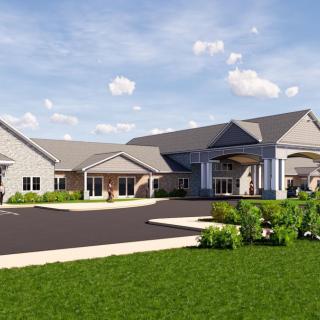
Cedarhurst of Topeka
$5,500 to $7,500 / month8.5 miles away -
from +$150 / mo
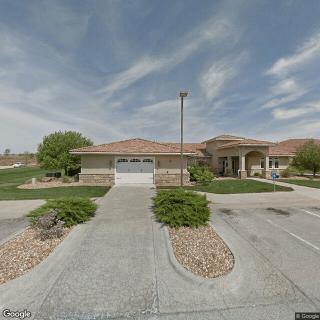
Neuvant House Of Lawrence
$5,150 to $8,500 / month21.4 miles away -
from +$252 / mo

Brookdale Topeka
$5,252 to $5,268 / month3.0 miles away -
About the same

The Windsor of Lawrence
$5,015 to $5,345 / month23.1 miles away
Overall Review of Winter Meadow
Pros
 The staff are informative and friendly.
- The community is kept clean and well maintained.
- They clearly care about their residents.
- Winter Meadow staff are great at accommodating residents' needs and tending to their care.
- Residents are happier and better cared for after moving to Winter Meadow.
- The facility provides excellent care and is highly recommended for those seeking care.
Cons
 Darlene is constantly yelling and screaming in front of the residents.
- The workers won't stay because they don't get paid on time or sometimes ever.
- They have no idea when they will ever be able to pay the employees.
- It is an awful place.
- They don't pay you what you're supposed to get on top of the fact that they treat those people horribly, screaming at them, belittling them, refusing to check blood sugars simply to be petty with the resident.
- Very terrible company.
- Very unprofessional
Review
Winter Meadow in Topeka is best suited for families that prioritize a clean, orderly living environment and attentive daily care for a loved one dealing with memory loss, provided they are prepared to actively oversee operations and advocate for reliable staffing. The community can deliver solid, tangible care when leadership is functioning and staff are engaged, but the overall experience is highly contingent on ongoing administrative stability. Those evaluating options should be realistic about the need for hands-on oversight and the willingness to press for consistent payroll practices and steady caregiver coverage. If financial stability, predictable staffing, and a consistently respectful culture are non-negotiables, alternative Topeka communities may deserve close consideration.
On the strength side, the campus presents a neat, well-kept appearance, and tours frequently convey staff who are informative and friendly. Families report that residents look well cared for: clothes are clean, hair is neat, and daily routines are carried out with care. When care teams are steady, the resident experience can feel calm and dignified, with dementia-related needs tended to in a responsive way. Several accounts describe noticeable improvements in well-being after making the move, suggesting that, in the right staffing climate, the environment can support meaningful day-to-day quality of life and cognitive engagement.
The flip side is real and cannot be ignored. Multiple reviewers describe confrontational or dismissive interactions with residents, including heated outbursts from staff in front of those being cared for. Payroll and payment timing issues recur in the narratives, with reports of late checks or insufficient funds that undermine staff morale and reliability. The result can be inconsistent coverage and gaps in medical monitoring, such as basic tasks like checking blood sugars, which directly impact safety. Taken together, these concerns point to a leadership and cash-flow problem that can destabilize even a well-intentioned care plan.
These pros and cons create a meaningful if uneven trade-off. When staffing is stable, engaged, and properly supervised, Winter Meadow can deliver a clean, home-like setting where residents with dementia may thrive and caregivers are genuinely attentive. But the magnitude and persistence of payroll pressures and reported disrespectful behavior raise a red flag for families seeking long-term predictability. For those willing to invest time and effort to verify staffing levels, demand consistent, high-quality medical oversight, and hold management accountable, the positives can be credible payoffs. For others, the risk of sudden caregiver turnover and inconsistent interactions makes alternatives more appealing.
Practical steps to evaluate Winter Meadow include requesting a candid meeting with the administrator, probing payroll practices, and reviewing staffing schedules to confirm who will be with the resident and when. Observing staff interactions during meals and activities can reveal day-to-day culture more clearly than a tour alone. Speak with current residents’ families about consistency of care, and inquire about dementia-specific programming, daily routines, and how medical tasks, like glucose monitoring, are handled in practice. Require a clear commitment to stable staffing for the resident’s shifts and a concrete escalation path if concerns arise. When compared to other Topeka options, prioritize facilities with demonstrated financial stability and a track record of respectful, steady care.
Bottom line: Winter Meadow offers a credible baseline of cleanliness and personal care, with several accounts of genuine improvement for residents with dementia when operations run smoothly. The overriding caveat is the reported payroll instability and leadership gaps that can erode daily quality. For families prepared to actively supervise, demand transparency, and insist on consistent staffing, Winter Meadow can be a workable fit, especially for memory-care needs. However, those who cannot tolerate payroll-related disruptions or inconsistent culture should consider stronger alternatives first, using Winter Meadow as a carefully chosen option only after assurances about stability and caregiver consistency are secured.
 Board and Care Home
 Dogs allowed
 Activities on-site
 Air-conditioning
 Cable or satellite TV
 Full kitchen
 Ground floor units
 Private
 Wi-Fi/high-speed internet available
 Forbes (6 miles away)
 Ambulatory care
 High acuity care
 Incontinence care
 Anytime dining
 Bible study group
 Cards / pinochle club
 Day trips and outings
 Happy hour
 Live dance or theater performances
 Live musical performances
 Other religious services
 Resident band or musicians
 Wii bowling
 Wine tasting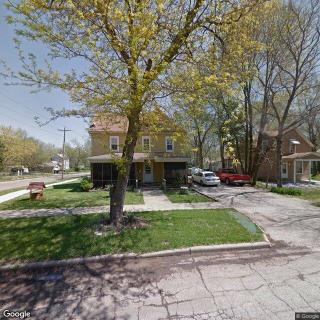


 Understanding the Nuances of Palliative Care and Hospice: A Comprehensive Exploration
 Fecal Incontinence in Older Adults: A Comprehensive Guide
 Recognizing the Journey: Understanding and Navigating Anticipatory Grief