

3715 SW 29th Street Suite 200, Topeka, KS 66614
To contact a resident: (785) 272-1535
For more information about senior living options: (866) 208-4318
Overall Review of Midwest Health Management, Inc.
Pros
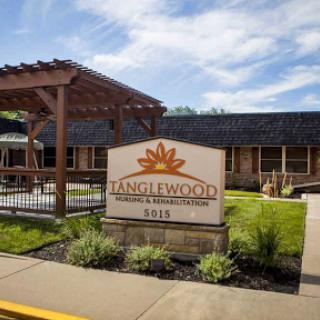
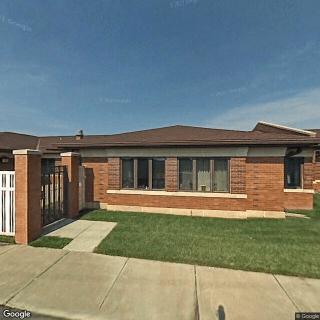
 The facility overall is very nice.
- The nursing staff really seem to care about their patients.
- The nursing staff at Homestead Senior Living is caring.
- They took good care of her mother from 2012 to 2024 through three administrative changes.
Cons
 The director claimed they were processing a Medicaid contract, but six months later the state had not received an application.
- They increased the mother's level of care without notifying the responsible party.
- Three administrative changes were challenging.
- The food was not hot, and the portions were only a quarter cup, leaving the mother hungry.
- The emergency call button has not worked properly for two years.
- This was very frustrating given the amount of money paid.
- They never respond to inquiries.
- The accounting and billing are a mess.
- The care is subpar.
Review
Midwest Health Management, Inc., operating in Topeka, KS, is best suited for families who want a senior living option where the care staff genuinely engages residents and the living spaces feel welcoming. The strongest takeaway from the field feedback is that the nursing team tends to be caring and consistent across facilities, delivering empathetic attention even amid organizational shifts. The campuses themselves project a pleasant, well-kept impression that reduces some daily stress for residents and families. This is not a facility built on luxury alone; its value rests in hands-on caregiving and a quiet sense that residents are known and tended to. The environment matters when health needs escalate.
That said, the community is not ideal for households seeking flawless administrative execution and perfectly predictable service. Several reviews point to unresolved Medicaid processes and pressure to move in before official approvals were in place, followed by delays in state submissions. Families should be aware that Medicaid eligibility matters can linger, affecting planning and finances. Additional red flags include frequent administrative changes that disrupt continuity, and gaps in communication about changes in the level of care. For families that require precise, proactive reporting and assertive front-desk responsiveness, these patterns risk eroding confidence and complicating care coordination.
Among the solid positives, the nursing staff's attentiveness stands out as the backbone of resident stability. Long-tenured caregivers across transitions indicate a culture that values residents beyond the momentary staffing churn. Residents benefit from a well-maintained physical setting, which is not trivial in minimizing confusion and supporting routine. When the team is able to respond quickly, issues such as medication administration and daily assistance tend to be well-managed. For families, these are meaningful assurances, especially for seniors with complex medical needs who rely on consistent, compassionate day-to-day care to maintain function and safety.
Where the judgment turns difficult are the recurring operational gaps. Food quality and portion size emerge as common complaints, with meals described as not hot and insufficient to satisfy appetite, undermining nutrition. Alarm systems and call buttons have been reported as unreliable in some cases, a critical safety concern for residents with emergencies. Billing and accounting have also been flagged as inconsistent, with frustrated families encountering delays or miscommunications about charges and payments. When care quality is delivered in a challenging environment of administrative chaos, even highly competent nurses may struggle to compensate for systemic gaps.
The key question becomes whether the visible caregiving strengths can offset the administrative drawbacks. They can for families who are prepared to be proactive advocates: insist on timely notifications about changes in care level, secure clear, written care plans, and formal agreements on billing practices and Medicaid timelines. Proactive oversight, regular meetings with the administrator, detailed discharge and transition plans, and confirmation of functioning safety devices, can mitigate risk. Yet, without a strong internal discipline around communication and billing, the positive caregiving dynamic can be overwhelmed by operational disappointments. Prospective residents should enter with a clear plan to monitor and manage these areas.
In sum, Midwest Health Management properties in this region offer a compelling option for families prioritizing compassionate nursing support within a clean, comfortable setting, provided there is a readiness to engage actively with administration. For seniors whose care demands are straightforward and whose families can tolerate occasional administrative hiccups, the environment can be a good fit. However, those who require airtight billing transparency, guaranteed timeliness, and rock-solid safety infrastructure should explore alternatives with more consistent operational performance and fewer red flags in billing and communication. The choice hinges on balancing the value of caring hands against the cost of administrative friction and the need for dependable safeguards.
 Forbes (5 miles away)




 Fecal Incontinence in Older Adults: A Comprehensive Guide
 Recognizing the Journey: Understanding and Navigating Anticipatory Grief
 Encouraging Participation in Adult Day Care: A Guide to Supporting a Hesitant Parent