
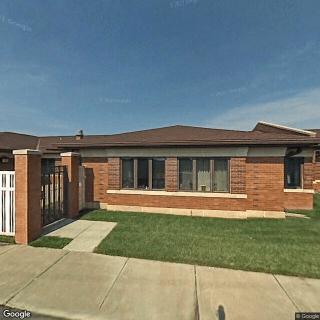
1608 South West 37Th Street, Topeka, KS 66611
For more information about senior living options: (866) 208-4318
Overall Review of Mccrite Retirement Assisted Living
Pros
 The staff at McCrite, and they mean everyone, are amazing and do everything they can to create a thriving environment of care, comfort, and community.
- The campus is beautiful with comfortable living spaces and people who truly care.
- The entire community feels welcoming, and the staff are consistently friendly and helpful.
- The in-house dining offers a great menu and wait staff who are excellent.
- Physical therapy and speech therapy are wonderful experiences that help residents feel supported.
- Families report peace of mind and gratitude for the loving care their loved ones receive.
- The apartments and facilities are well maintained and kept clean.
- The meals in the dining room are unbelievable, with great options and accommodating hours.
Cons
 There were bed bugs everywhere, and visitors were advised to leave belongings in their cars.
- Most staff were fine, but there were a few grouches.
- The head of nursing, Lauren, was described as outrageously unprofessional.
- Call buttons could take 45 minutes to an hour to get someone to come help.
- A formal complaint was planned against McCrite's rehab center.
- The policy allowing families to interact with other families and share outside the visitor list was criticized as not okay.
Review
McCrite Retirement Assisted Living in Topeka is best suited for seniors who want a warm, connected campus with substantial support across independent living, assisted living, and skilled nursing. It works well for residents who value a strong sense of community, robust rehab options, and dining and activities that feel like a full-service campus rather than a minimal apartment complex. The continuity of care across levels on one campus matters to families facing transitions, and the staff’s daily commitment to care, comfort, and community is consistently visible in the environment. The setting is described as beautiful and inviting, with living spaces designed to support a comfortable, daily rhythm.
However, some should consider alternatives. Those needing near-constant acuity or exceptionally high-touch medical oversight may find the care gaps unacceptable, based on recurring concerns about responsiveness and leadership demeanor. A subset of reviews notes delays in call-button responses and questions about nursing leadership. The atmosphere can be ideal for families who prioritize warmth and a team-oriented culture, but not every resident will tolerate perceived inconsistencies in staffing or shifts toward more clinical rigidity. Families should also be aware of pest-control issues raised by a few residents, underscoring the importance of checking current housekeeping and pest-control records.
The core strength lies in the people. The care culture is repeatedly described as compassionate, patient, and genuinely invested in residents’ well-being, with particular praise for speech therapy and other staff who go the extra mile. Rehab experiences are cited as excellent, therapies delivered with pace, care, and personalization. The dining program stands out for quality and flexibility, with menus and daily specials that align with varied schedules. Across independent living and assisted living, the environment feels warm, safe, and well maintained, and apartments are comfortable. Families frequently note that staff know residents by name and make them feel at home, a factor that markedly smooths transitions.
Yet the cons deserve sober scrutiny. Bed bugs and the admonition to “leave your stuff in your car” point to a significant pest-control issue that must be addressed decisively. Even if the majority of residents have positive experiences, such complaints can erode trust and require transparent remediation. Credible criticisms about leadership behavior, specifically the head of nursing being perceived as unprofessional by some families, also warrant careful consideration. Prospective residents should verify the current leadership team’s responsiveness and review any recent quality metrics or inspection results to assess whether improvements have taken root. These factors do not erase the positives, but they do color the risk calculus for families weighing options.
Despite the tensions, the model remains compelling for many. The unified campus structure, independent living feeding into assisted living and skilled nursing as needed, offers practical continuity that can reduce disruptive relocations. The ability to downsize into a well-kept apartment, enjoy on-site dining, and rely on staff who know residents by name creates a home-like rhythm that appeals to families seeking stability. Regular housekeeping, flexible dining hours, and accessible activities contribute to daily life that feels manageable and engaging. For families prioritizing integrated care within a single community, McCrite delivers a reassuringly cohesive experience.
Decision-makers should approach with a structured plan. Schedule a tour focused on interactions with the nursing leadership and frontline staff, and request current performance data on call responses and maintenance responsiveness. Bring up pest-control history, sanitation schedules, and current staff-to-resident ratios by shift to gauge day-to-day operations. Clarify how family communication is handled and what constitutes acceptable “outside visitation” under current policies. Compare total costs and what is included against other Topeka options, especially if the goal is to minimize hospitalizations or ensure a rapid rehab path within a familiar community. When warmth, personal attention, and integrated care across levels matter most, McCrite makes a persuasive case; when flawless operational consistency is nonnegotiable, alternative communities warrant serious consideration.
 70 resident community capacity
 Assisted Living
 Independent Living
 Memory Care
 Air-conditioning
 Beauty salon
 Cable or satellite TV
 Computer center
 Dining room
 Fitness room
 Fully furnished
 Gaming room
 Garden
 Housekeeping services
 Kitchenette
 Move-in coordination
 Outdoor space
 Private bathrooms
 Restaurant-style dining
 Small library
 Telephone
 Wellness center
 Wi-Fi/high-speed internet available
 Forbes (4 miles away)
 Community operated transportation
 24-hour call system
 Activities of daily living assistance
 Assistance with bathing
 Assistance with dressing
 Assistance with transfers
 Diabetes diet
 Medication management
 Mental wellness program
 Special dietary restrictions
 Concierge services
 Planned day trips



 How and When Medicaid May Cover Assisted Living Costs
 A Detailed Exploration of Assisted Living Medicaid Waivers Across the United States
 Exploring the Contrasts Between Assisted Living and Skilled Nursing