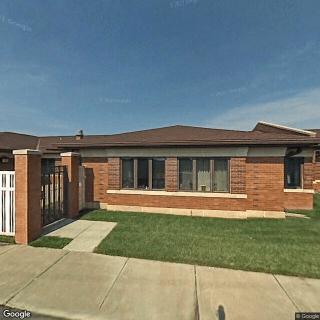
Karaway is an assisted living community in Topeka, KS.
Information last verified:
1815 South West Westwood Circle, Topeka, KS 66604
For more information about senior living options: (866) 208-4318
3.8 from 100 reviews
5 stars
52
4 stars
16
3 stars
12
2 stars
3
1 stars
17
Overall Review of Karaway
differentiator11 reviews mention this
Therapy support for rehab stays
Residents consistently describe strong PT and OT support during rehab.
Many reviewers talk about being admitted for rehabilitation and then gaining strength or mobility with PT and OT. Several also mention therapy staff making exercises feel purposeful and describing progress toward going home. A common thread is that residents felt supported by both nurses and the rehab team during their stay.
common26 reviews mention this
Staff treatment and responsiveness
Residents frequently praise staff for respect, attentiveness, and quick help.
Across many reviews, residents and families describe staff who treat people with dignity and respond to needs promptly. Multiple mentions cover call-light or anxiety support, respectful handling when help is needed with daily tasks, and nurses being easy to work with. Even in reviews that raise problems, at least some staff are singled out for being compassionate.
common13 reviews mention this
Activities keep days from stalling
Residents describe a steady calendar of activities and outings.
Reviewers often mention community-sponsored events and scheduled daily activities, including themed holidays and group outings. Families describe enjoying seeing residents participate, with mentions of pictures and events such as bike night, shopping trips, and seasonal celebrations. Some reviewers tie the activity program to making the stay more enjoyable overall.
caveat14 reviews mention this
Food is good, but quality varies
Dining reviews are mixed, with both praise and serious complaints.
Several residents describe meals as good, tasty, or even better than expected, and some reference favorites in the dining room. Others complain about issues like food not being fit for consumption, problems with meal schedules, or dissatisfaction with dietary practices. A few reviews also ask for menu updates toward healthier options, suggesting the experience isnā€™t consistent for everyone.
caveat5 reviews mention this
Cleanliness and neglect concerns
Some residents and families report serious cleanliness and neglect concerns.
A smaller set of reviews raise alarms about the condition of the facility and resident care, including mentions of bed bugs, dirty hallways, and inadequate bathing. Other complaints describe residents left unassisted or unresponsive during visits, with families saying they had to advocate for urgent needs. These reports stand in sharp contrast to the many reviews praising cleanliness and call-light responsiveness.
How we summarize
Counts show how many written reviews mention each theme; a review can touch several themes, and only frequently mentioned themes are displayed.
Vibrant Senior Living emphasizes active senior living communities that promote independence and engagement through diverse amenities and activities, fostering wellness and social interaction among older adults. These communities range from independent to assisted living, with a focus on personal growth, family involvement, financial planning, and leveraging technology to enhance residents' experiences.
Transitioning from assisted living to memory care is driven by an individual's cognitive decline and specific needs, requiring careful evaluation of indicators like increased confusion and wandering. The process involves consulting medical professionals, researching suitable communities, considering financial and legal aspects, and ensuring effective communication for personalized care plans.
Assisted living provides moderate support for seniors seeking independence, while memory care offers specialized support for individuals with dementia or cognitive impairments through structured routines and trained staff. Key differences include care approaches, environment security measures, staff training levels, activity types, and cost considerations.
Get PricingAsk A QuestionSchedule A TourContact Senior Advisor
By clicking submit, you agree to our Partner's Terms of Use. You
also consent to receive calls and texts, which may be autodialed, from our Partner. Your consent is not a condition to
using our Partner's service. Please visit our Partner's Privacy Policy for information about their privacy practices.

 7 resident community capacity
 Assisted Living
 Cable or satellite TV
 Dining room
 Fully furnished
 Garden
 Housekeeping services
 Move-in coordination
 Outdoor space
 Telephone
 Wi-Fi/high-speed internet available
 Forbes (6 miles away)
 24-hour supervision
 Activities of daily living assistance
 Assistance with bathing
 Assistance with dressing
 Assistance with transfers
 Diabetes diet
 Meal preparation and service
 Medication management
 Special dietary restrictions
 Transportation arrangement (medical)
 Transportation to doctors appointments
 Caring staff that improved residents' well-being.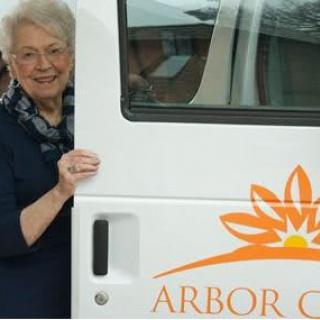

 Vibrant Senior Living: A Comprehensive Guide for Active Older Adults
 When to Transition from Assisted Living to Memory Care: Key Indicators, Steps, and Finding the Right Community
 Assisted Living and Memory Care: Understanding Their Core Differences