
13509 West 67Th Street, Shawnee, KS 66216
For more information about senior living options: (866) 208-4318
Overall Review of The Cottages At Shawnee
Pros
 The staff personalize care and truly get to know the residents.
- Management is genuine and goes to great lengths to improve everyone’s quality of life.
- The care provided is among the best available.
- The Cottages offers top-notch care in a home-like environment.
- The staff go above and beyond to understand each resident’s needs and preferences.
- The home-cooked food is excellent.
- The employees truly care about the residents.
Review
The Cottages At Shawnee is best suited for seniors who want a small, home-like assisted living experience where care is intensely personalized, and staff know residents by name and preference. This community excels at creating a warm, everyday environment rather than a sterile, institutional feel. It appeals to families that value hands-on attention from both front-line caregivers and management, where someone will go to great lengths, yard duties included, to improve quality of life. The emphasis on safety, comfort, and genuine connection makes it a standout option for those who prioritize relationship-based care and meals that feel like home.
Those considering alternatives should note that this setting may not be ideal for everyone. Families with residents who require high-level medical oversight, complex nursing needs, or memory-care specialized programming may want to explore other options with more extensive on-site clinical support. People who prefer a larger campus, a more modern or formal facility atmosphere, or a broad slate of structured activities and amenities may find the smaller, intimate scale less aligned with expectations. A cautious eye on consistency is warranted given one low-rating among otherwise uniformly positive reviews.
The strongest positives center on care that feels almost bespoke. Staff members are described as genuinely dedicated to understanding and meeting each resident’s needs and preferences. Management is portrayed as authentic and highly responsive, willing to intervene at a granular level to improve daily life, whether sweeping a floor or arranging a piano moment to lift spirits. This level of engagement translates into notable daily quality of life, with residents appearing well-supported, safe, and content in a setting that avoids a “facility” vibe while still delivering high-caliber attention.
In addition to attentive care, the homelike atmosphere and home-style cooking emerge as meaningful advantages. The absence of a stiff, clinical ambiance reduces resident stress and supports appetite and overall well-being. The kitchen’s regular, home-cooked offerings become a tangible daily benefit, reinforcing comfort and nutrition. Together with a staff culture described as consistently friendly, patient, and caring, these elements create a cohesive experience where residents can feel seen and valued rather than processed through a system.
Still, the intimate scale of the community can present tradeoffs. Although many residents thrive on this approach, the smaller operation may have limited access to a broad array of specialized services or highly formal programming found in larger facilities. The presence of at least one lower-star review serves as a reminder that experiences can vary, and not every shift may feel identical in intensity or availability. Families should assess whether the current staffing levels, activity options, and care planning processes meet their loved one’s evolving needs.
For families evaluating options, the decisive factor is clear: if the priority is a deeply personal, home-focused environment with staff who actively tailor care and cultivate happiness, this community stands out as a top choice. To confirm fit, prospective residents and families should plan a visit to observe interactions between staff and residents, sample the dining experience, and discuss care planning, staffing ratios, and daily activity structures with leadership. Compare these findings against alternatives that emphasize medical oversight, dementia-specific programming, or a larger, more formal campus. When alignment is found, the decision should center on choosing a setting where daily life feels both safe and affectionately attended.
 12 resident community capacity
 Assisted Living
 Cable or satellite TV
 Dining room
 Fully furnished
 Garden
 Housekeeping services
 Move-in coordination
 Outdoor space
 Telephone
 Wi-Fi/high-speed internet available
 Kansas City International (20 miles away)
 24-hour supervision
 Activities of daily living assistance
 Assistance with bathing
 Assistance with dressing
 Assistance with transfers
 Diabetes diet
 Meal preparation and service
 Medication management
 Special dietary restrictions
 Transportation arrangement (medical)
 Transportation to doctors appointments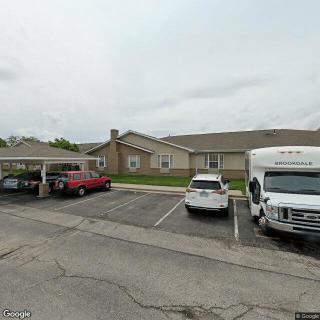






 Exploring the Contrasts Between Assisted Living and Skilled Nursing
 8 Key Indicators That Suggest It May Be Time to Transition from Assisted Living to Skilled Nursing Care
 Vibrant Senior Living: A Comprehensive Guide for Active Older Adults