
902 E. Centennial, Pittsburg, KS 66762
To contact a resident: (620) 232-1940
For more information about senior living options: (866) 208-4318
Highland Meadows Costs & Pricing
Highland Meadows offers a remarkably competitive pricing structure for residents, with a monthly cost of only $565 for a one-bedroom unit. This figure stands in stark contrast to the average costs in Crawford County, which are significantly higher at approximately $2,435 per month. When comparing these figures at the state level, Kansas reflects an even steeper average of around $3,859 for similar accommodations. This substantial difference underscores Highland Meadows' value proposition within the marketplace, making it an attractive option for individuals seeking quality living arrangements without the burden of excessive financial strain.
| Floor plans | Highland Meadows | Crawford County | Kansas |
|---|---|---|---|
| 1 Bedroom | $565 | $2,435 | $3,859 |
Senior living communities with a similar price nearby
-
from -$64 / mo
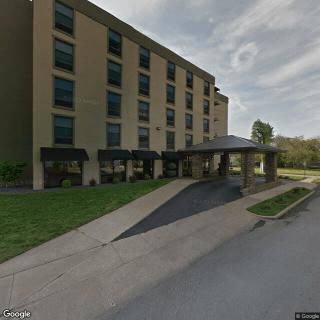
Cardinal Towers
$501 / month22.4 miles away
Overall Review of Highland Meadows
Pros
 Highland Meadows community was wonderful for residents.
- The staff members seemed to care about residents.
- The community is close to the hospital.
Cons
 They forgot they were coming for a tour, and there was nothing available to look at, as all units had been filled.
- It was very frustrating that their aunt took a day off work and they drove three hours to see an apartment.
- They never give residents a solid answer to questions.
- The new manager seems to be like a dictator instead of being there for the residents.
- The reviewer was not impressed.
- It could have been the place to be, but too bad.
Review
Highland Meadows in Pittsburg, Kansas is best suited for seniors who prize warm, attentive staff and a pricing framework that accommodates fixed incomes, paired with easy access to medical resources. The strongest takeaway from on-site impressions is that caregivers appear to genuinely care for residents, and the setting’s proximity to a hospital provides practical reassurance for families mindful of healthcare considerations. For households where budgeting based on income matters and where visits to the hospital would routinely be part of the routine, this community can feel trustworthy and comfortable. Those conditions create real value when care needs are modest and stability in daily life remains the priority.
Yet this community is not the right fit for every family. Alternatives should be explored by anyone who requires a predictable, well-communicated move-in process or who cannot tolerate tell-tale signs of organizational strain. The experience described by visitors included serious missteps in scheduling and communication: a tour day wasted, with no available units to view, despite effort and time invested. When units are reportedly filled and tours are postponed, planning becomes guesswork rather than a reliable process. For families needing a clear, decisive path to occupancy, Highland Meadows may generate more frustration than reassurance.
On the upside, the staff’s apparent care gives real ballast to residents who can benefit from compassionate daily interactions. Families pointed to staff who seemed to know residents by name and to a community atmosphere that felt supportive in ordinary moments. The hospital-adjacent location adds another layer of practicality, reducing transportation complexity for medical appointments and emergencies alike. The pricing structure described as income-based can be a meaningful advantage for retirees managing fixed incomes, helping to avoid sudden financial stress as health needs evolve. Taken together, these advantages create a meaningful baseline of value for the right resident.
However, the main drawbacks are hard to overlook and threaten to eclipse the positives. A new manager described as overly controlling or dictatorial raises concerns about governance and resident advocacy. This leadership style, paired with reported difficulties in getting straight answers, erodes trust in the decision-making process and in the community’s ability to respond to questions promptly. The blunt reality is that families must accept a degree of ambiguity in how services, amenities, and scheduling are handled, which is a poor fit for anyone who prioritizes transparent, proactive management. When the tour process is unreliable and information is inconsistent, the burden falls on families to push for clarity.
The pros and cons do not cancel each other out; they simply inhabit different experiential realms. The care orientation and hospital proximity offer tangible-day-to-day value that can soothe concerns about safety and routine, but those benefits do not fully compensate for a governance style that feels unapproachable and for logistical hiccups that undermine confidence. For residents with steady, predictable needs who do not rely on rapid, responsive answers, Highland Meadows can still feel like a steady, kind place to live. For anyone seeking a highly structured environment with transparent, hands-on leadership and a consistently streamlined move-in experience, the drawbacks will likely weigh more than the comforts.
In practical terms, families considering Highland Meadows should enter armed with a specific game plan. Request a current, in-depth tour even if units appear occupied, insist on meeting a stable point of contact for ongoing questions, and probe management philosophy directly, how decisions are made, how resident concerns are escalated, and how communication will occur during a transition. Confirm the exact scope of the income-based pricing and what that includes, then compare with nearby communities that offer both clear occupancy timelines and more explicit governance. If streamlined tours, decisive leadership, and transparent communication are non-negotiables, alternatives deserve careful attention before committing.
 Active Adult Communities (55+)
 Cats allowed
 Dogs allowed
 Joplin Regional (21 miles away)

 Essential Knowledge on Pneumonia in Older Adults
 Exploring Palliative Care in the Home: A Comprehensive Overview
 Comprehensive Insights into Palliative Home Care: What It Is and What to Expect