
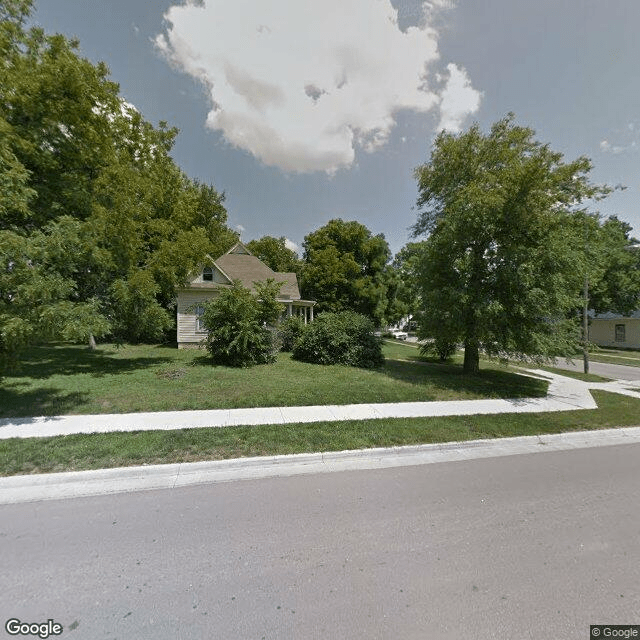
100 W 8th St, Onaga, KS 66521
To contact a resident: (785) 889-7200
For more information about senior living options: (866) 208-4318
Overall Review of Community Home Health
Pros
 Dr. Ben Harstine is absolutely exceptional.
- His expertise and genuine compassion make a difference during difficult times.
- He communicates clearly and explains things in an easy-to-understand way.
- He guides patients through each step with care and support.
- Each visit and phone call is smooth and reassuring, reflecting his dedication.
- Dr Cancelada is trusted and respected for performing multiple surgeries over the years.
- His bedside manner is admirable.
- The same-day nurses Molly, Hannah, and Jenna are professional, sweet, and provide outstanding care.
Review
Community Home Health in Onaga, Kansas is best suited for seniors who want high-quality medical oversight delivered directly at home, especially if they are navigating post-discharge recovery, chronic conditions, or transitional care that benefits from close physician involvement. This is a model built around strong physician access, clear explanations, and a caring, hands-on approach from a trusted team. For families in rural Kansas or similar settings who value reassurance through steady, person-to-person communication and want professional guidance without relocating, this program can deliver a steadying, expert presence in the patient’s own home.
Those who may want to consider alternatives are individuals who need round-the-clock on-site supervision, intensive social programming, or a more traditional, facility-based environment with built-in daily activities. If the expectation is a campus setting with abundant on-site staff, broad specialty options available locally, and a structured living arrangement beyond home health visits, a conventional assisted living or skilled nursing facility may fit better. In short, if “round-the-clock, community-based living” is the priority, this home-health model may feel too lean for that scenario.
The strongest pros center on the caliber and the conduct of the clinicians. The reviews spotlight two physicians, an exceptional bedside manner, thorough explanations, and a capacity to guide families through complex decisions with calm, transparent communication. That combination, expertise paired with genuine compassion, creates a foundation of trust that is often hard to achieve in home-based care. Complementing the physicians are professional, attentive nurses who listen, adapt care to evolving needs, and maintain a reassuring, steady presence. The overall impression is of a team that treats patients as people first, with medical specifics handled in a way that reduces anxiety and builds confidence.
Nevertheless, the main con stems from the inherent structure of home-health care: access to the most specialized services or certain procedures can require travel to other cities. The explicit investment families are making here is in a trusted, physician-led home team, not in a local, round-the-clock hospital-like facility. That means for surgeries, highly specialized tests, or urgent, urgent-care bursts that aren’t readily available in-town, families may need to coordinate external visits. The result is a practical trade-off: personal, compassionate home-based care versus the convenience and breadth of a larger, on-site care campus.
Those strong physician relationships and the dependable nursing staff do a decisive job of offsetting the geographic and service-delivery limitations. Clear, ongoing communication reduces the guesswork and fear that can accompany serious conditions, while the continuity of a small, focused team keeps care consistent. The ability to coordinate across doctors, nurses, and therapists in the home setting translates into smoother transitions after procedures, fewer miscommunications, and a lower likelihood of hospital readmissions. For families seeking stability and a predictable, high-touch medical routine at home, these are substantial, practical benefits.
The bottom line is practical: this community health model excels for seniors who want expert medical leadership, compassionate bedside manner, and reliable in-home support that preserves independence and familiar surroundings. It’s a compelling option for post-acute recovery, chronic-condition management, and end-of-life planning where staying at home is the central goal and where the family can lean on a trusted medical team to steer care decisions. If the priority is a more traditional, on-site, 24/7 living environment with a wider local network of specialists and social programming, alternatives deserve serious consideration. In choosing, families should prioritize a candid care assessment, confirm the scope of in-home services, verify coordination capabilities with other providers, and clarify costs, insurance acceptance, and care-manager roles to ensure alignment with long-term goals.



 Understanding the Nuances of Palliative Care and Hospice: A Comprehensive Exploration
 Fecal Incontinence in Older Adults: A Comprehensive Guide
 Nurturing Well-Being Through Gardening: A Detailed Guide for Senior Enthusiasts