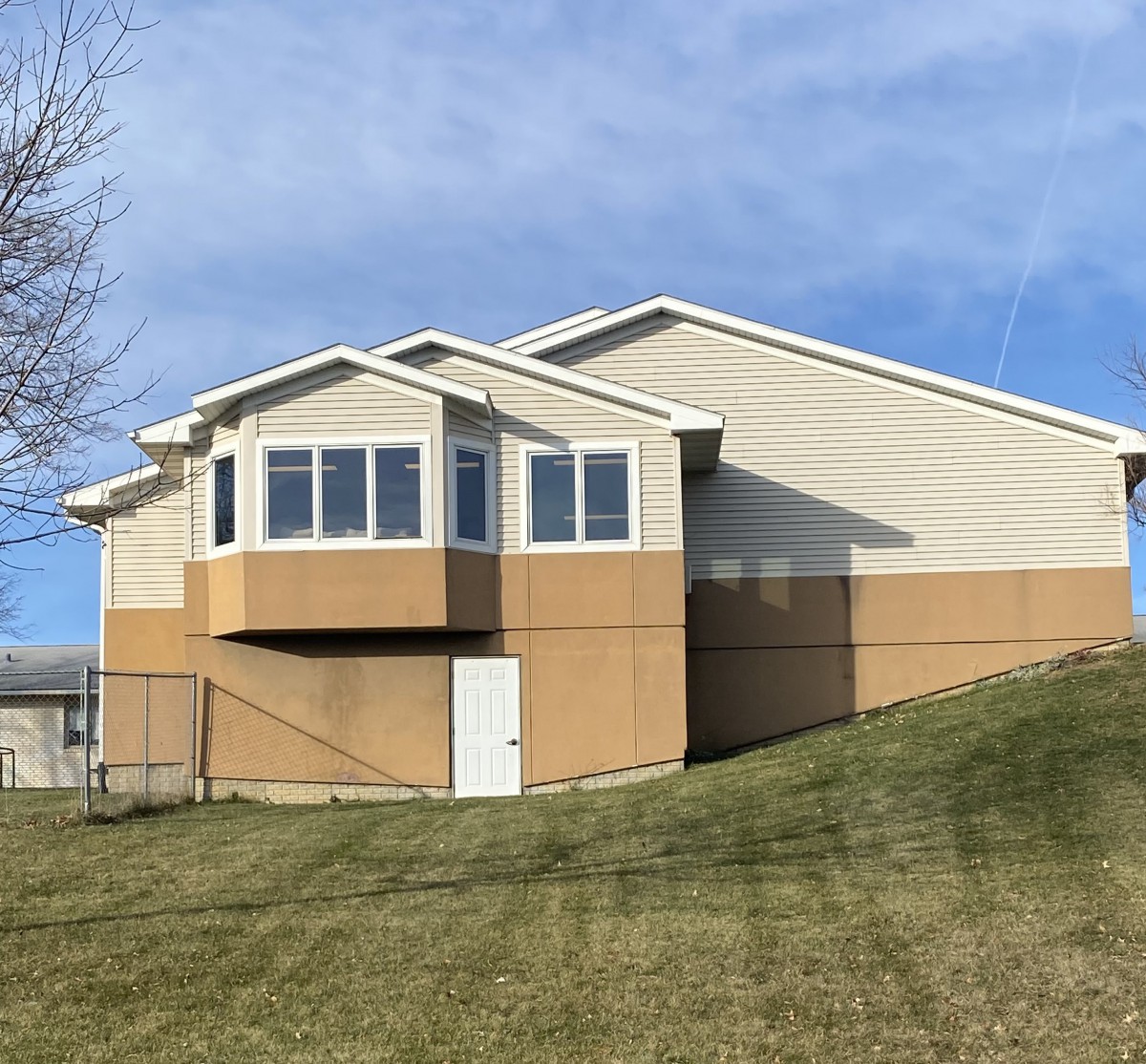

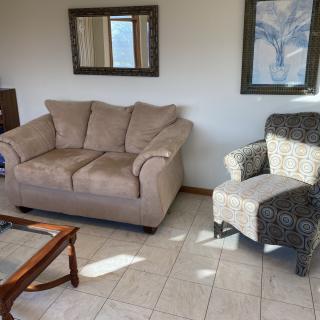
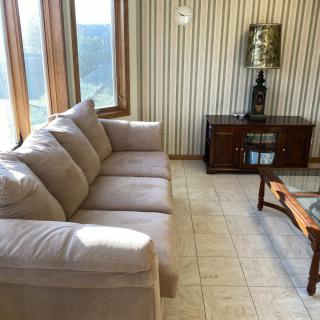
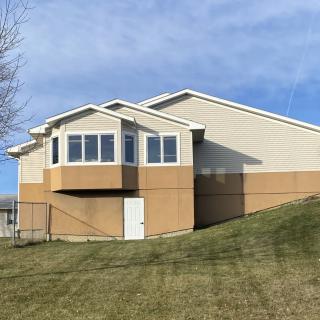
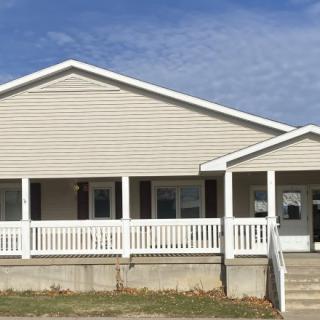
516 13th St, Wellman, IA 52356
To contact a resident: (319) 646-2911
For more information about senior living options: (866) 208-4318
Silver Pond and Reflections at Parkview Manor Costs & Pricing
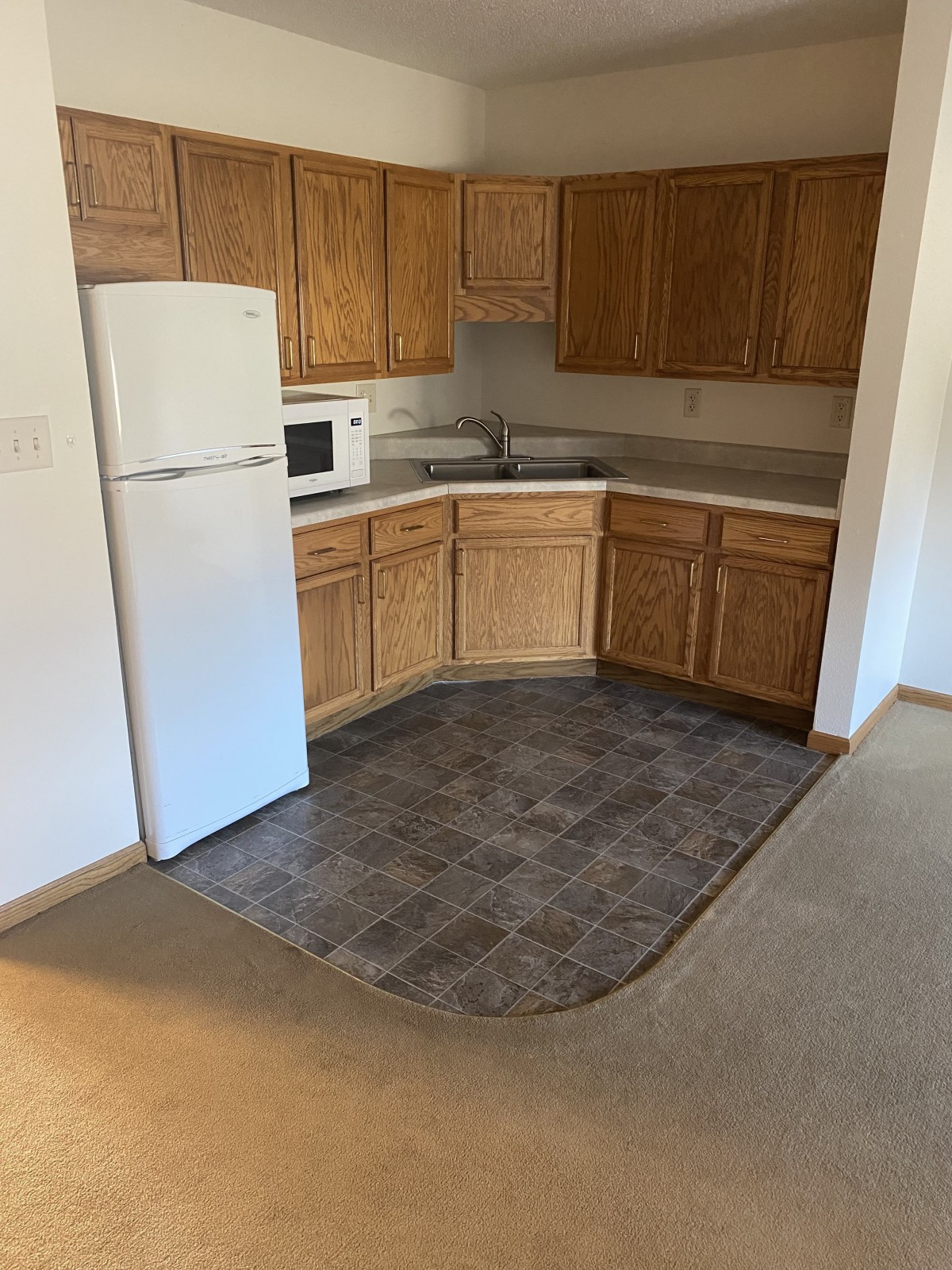
Silver Pond and Reflections at Parkview Manor offer competitive monthly rates for various room types compared to the broader market in Washington County, Iowa. For a two-bedroom unit, both facilities charge $1,250, aligning perfectly with the county average of $3,329. In the one-bedroom category, their rate of $2,990 is on par with the county's average of $2,862, reflecting a commitment to affordability without compromising quality. However, when it comes to studio apartments, these facilities present a higher cost at $3,570 relative to the county's average rate of $2,769. Overall, while Silver Pond and Reflections at Parkview Manor provide appealing pricing structures for larger living spaces, prospective residents may find studio options less economical compared to other offerings in the area.
| Floor plans | Silver Pond and Reflections at Parkview Manor | Washington County | Iowa |
|---|---|---|---|
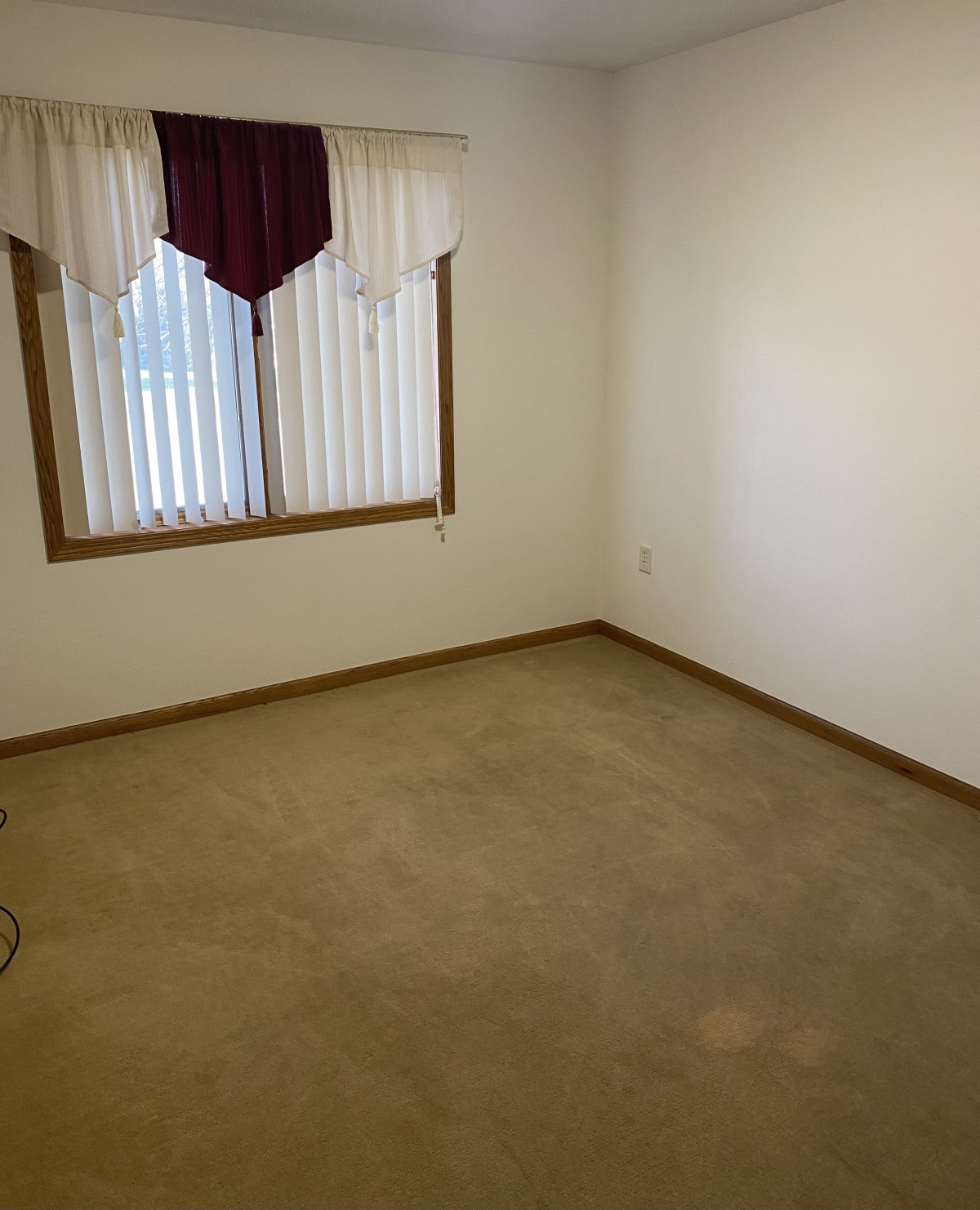
| 2 Bedrooms | $1,250 | $1,250 | $3,329 |
| 1 Bedroom | $2,990 | $2,990 | $2,863 |
| Studio | $3,570 | $2,769 | $3,609 |
Overall Review of Silver Pond and Reflections at Parkview Manor
Pros
 The nursing staff is very good with her.
- She is comfortable with her surroundings.
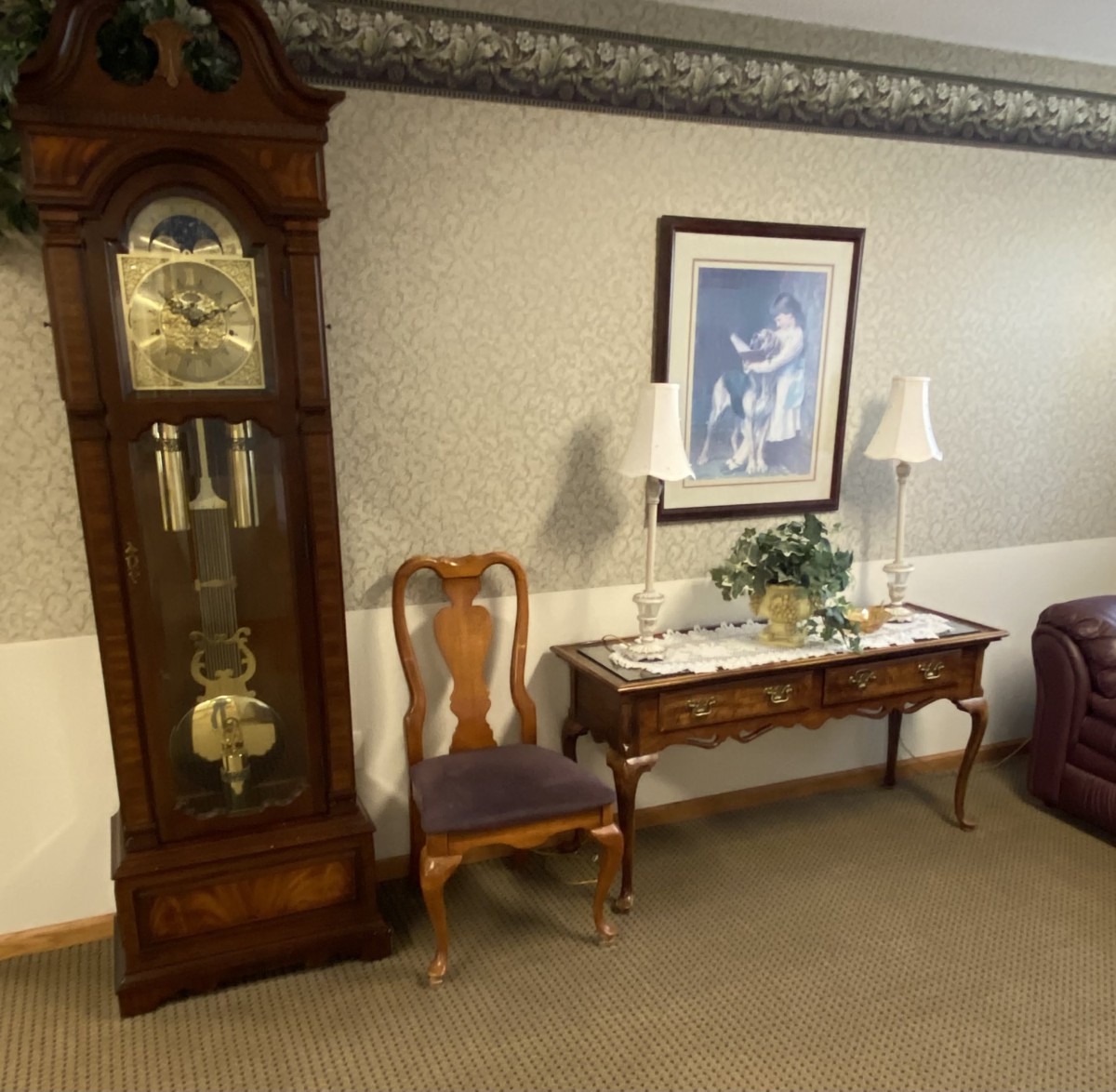
- The place is always in great order.
- They are willing to help her with her room and her bathing.
- Staff is always friendly and helpful and seems to be getting great care.
- They have meals on time daily and snacks as well.
- The calendar features different daily activities.
- The cost is good compared to the other place she was at.
Cons
 The community would not allow the husband to administer his own medications for Parkinson's.
- Because the medications were not given on time, he had several falls.
- He was moved to the nursing side, which tripled the cost.
- He wanted to stay at Silver Pond and was happy with it, but not with the nursing side.
Review
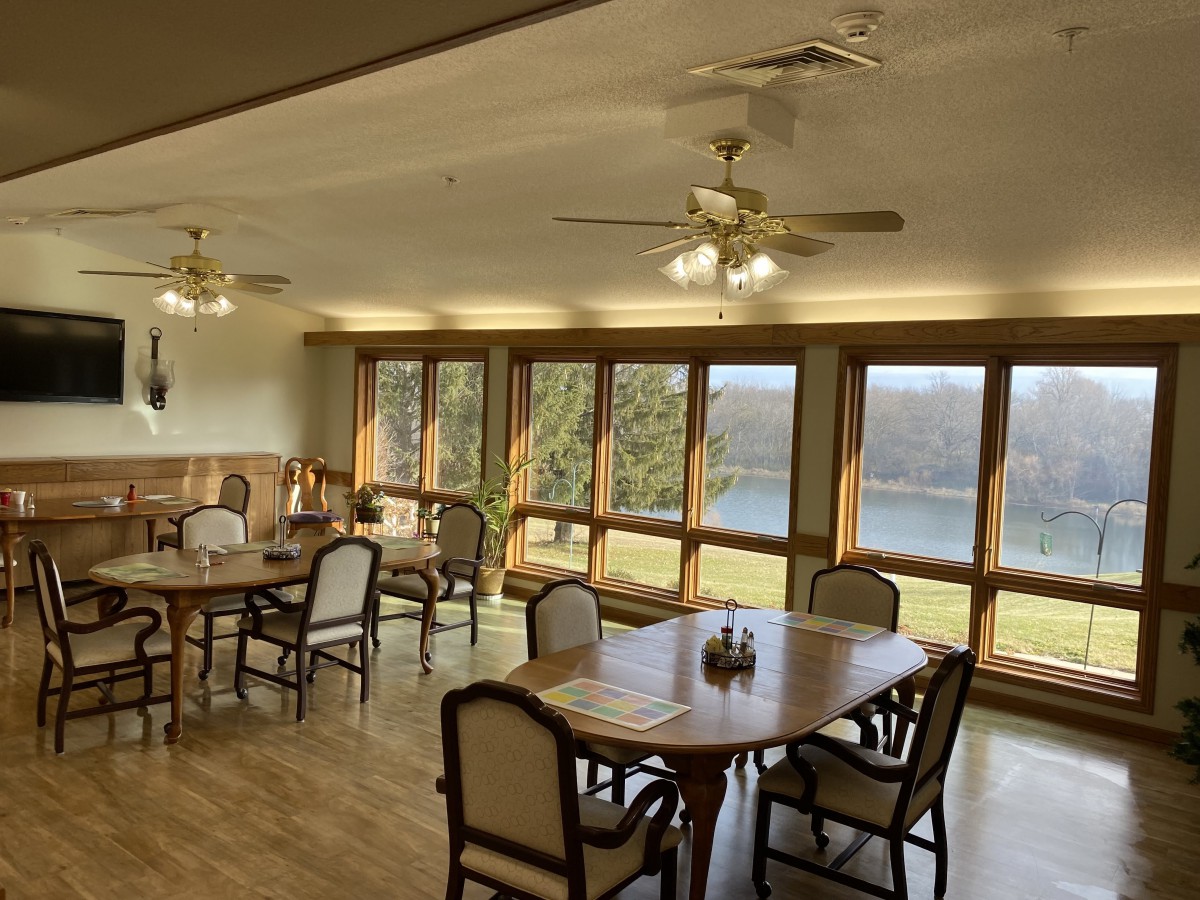
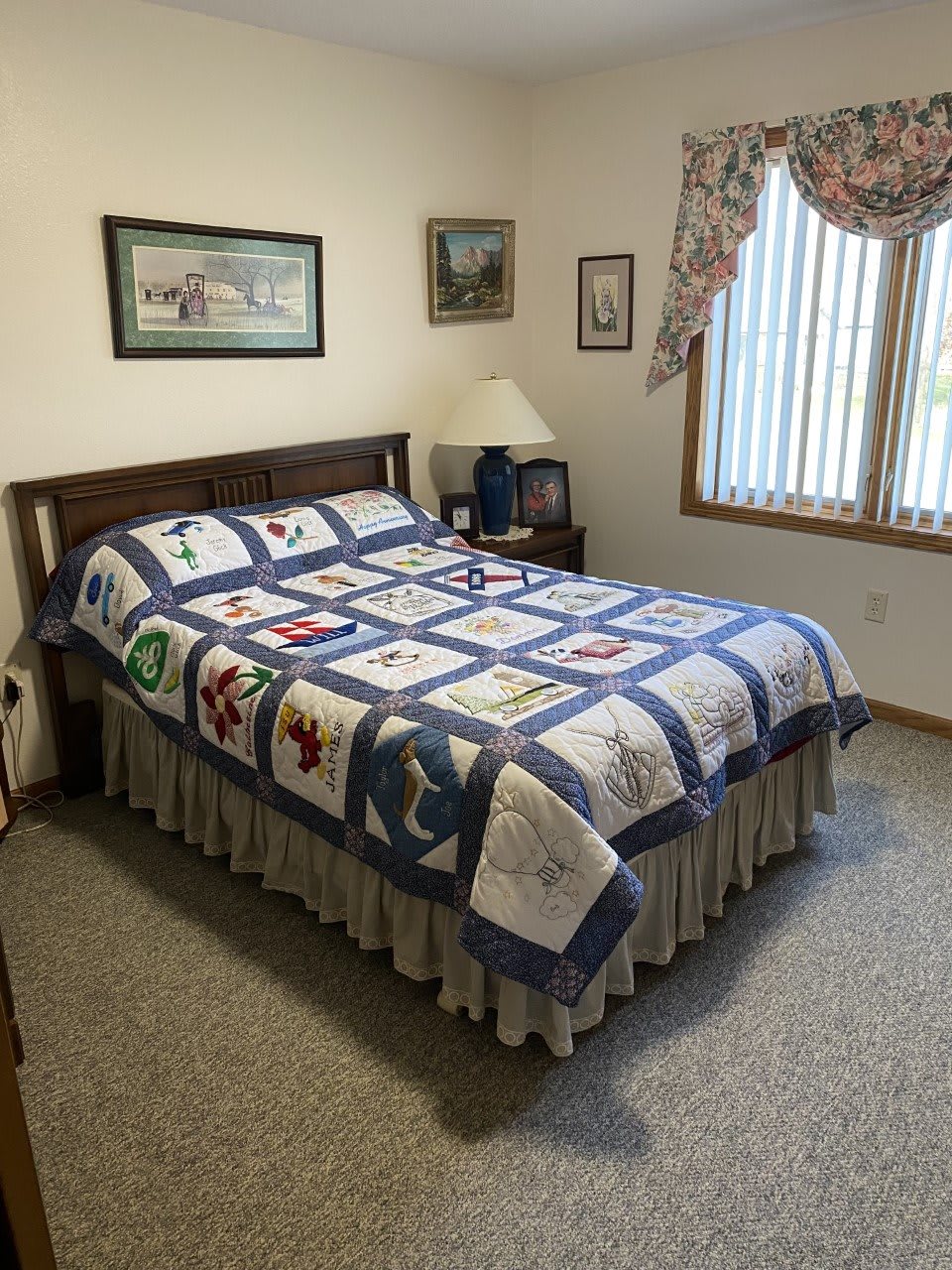
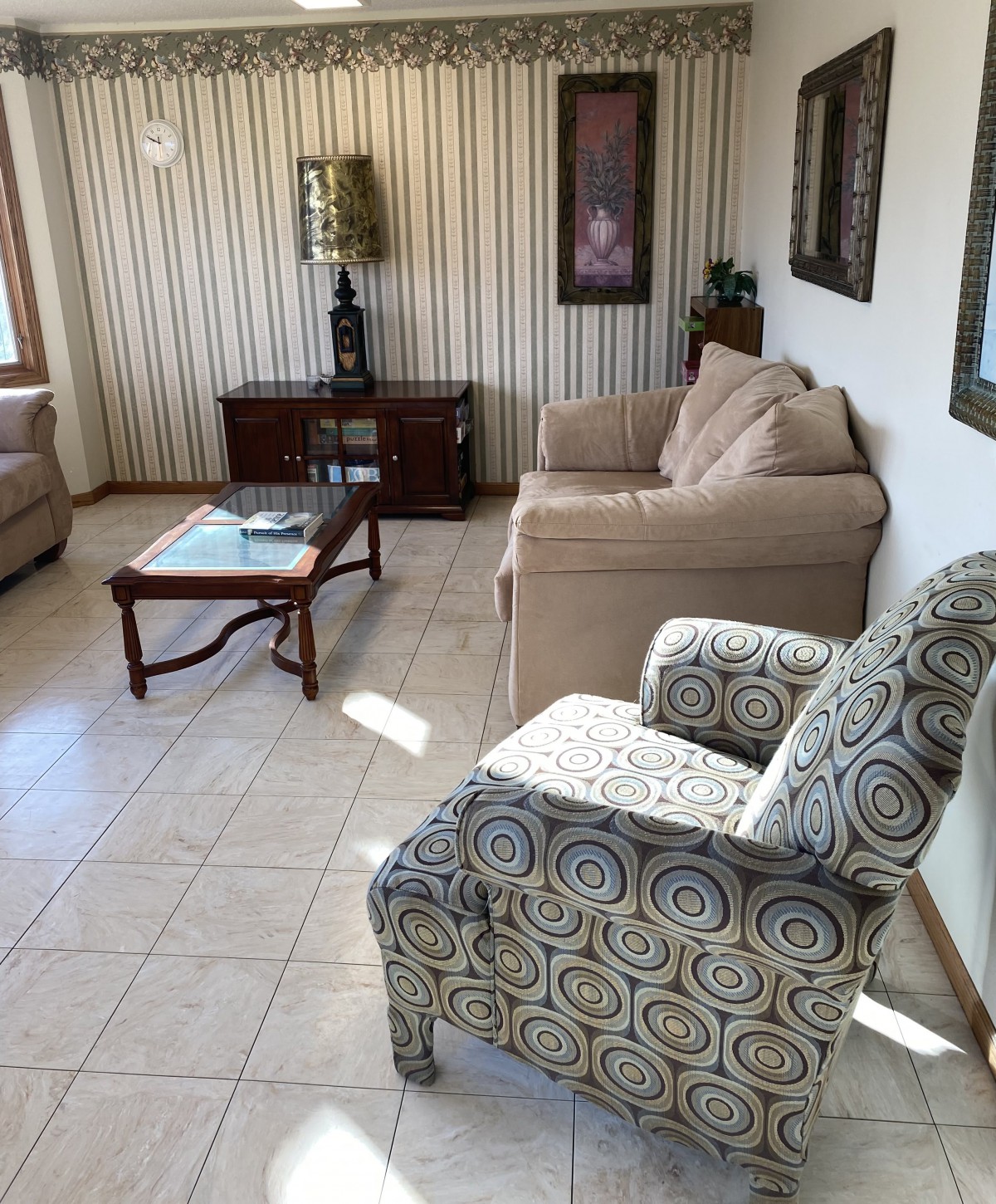
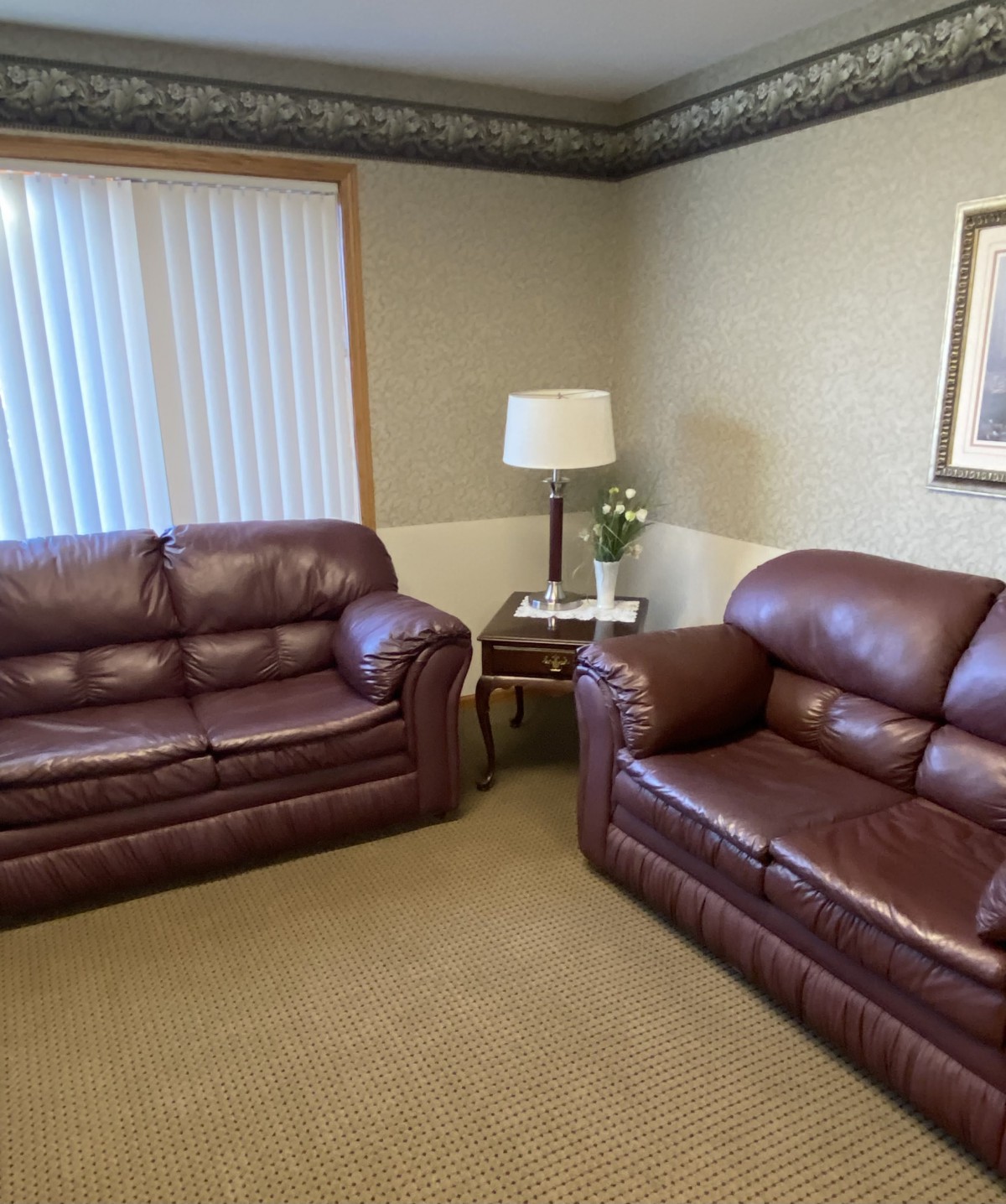
This community is best suited for seniors who want a warm, hands-on assisted-living environment with dependable nursing support, where daily routines are predictable, meals are timely, and social activities are readily available. It works well for residents who value a respectful, person-centered approach from staff, a clean and orderly setting, and a cost point that sits below some nearby options. In Wellman, IA, Silver Pond and Reflections at Parkview Manor deliver a nurturing atmosphere that keeps daily living streamlined, with staff members described as friendly, attentive, and focused on maintaining independence as long as possible.
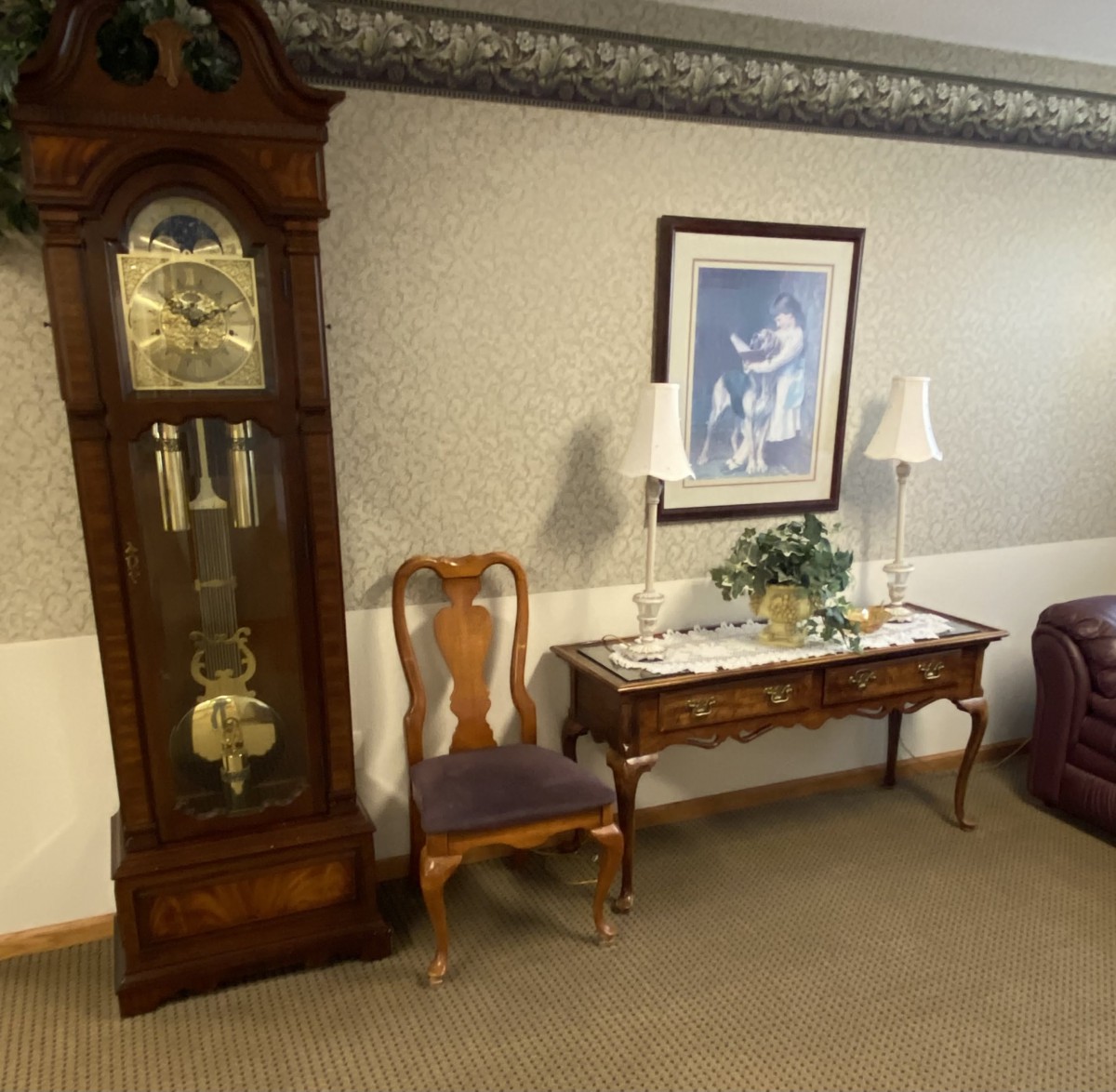
On the plus side, the most consistently strong feature is the nursing and caregiving foundation. Staff members are described as very good with residents, treating them with dignity rather than simply as patients. The environment impresses with its cleanliness and orderly maintenance, contributing to a sense of safety and comfort. Mealtimes arrive on schedule, with snacks available, and a structured activities calendar helps residents stay engaged. Assistance with room setup and bathing is readily available, reinforcing a practical, service-oriented model that families often seek when selecting a community for ongoing support.
However, the decisive caveat centers on medication management policies. One review highlights a significant limitation: family members may not be allowed to administer medications, even when a resident requires routine management for conditions such as Parkinson’s. This friction can lead to delays in med administration, and in at least one case resulted in falls and a move to the nursing side. That shift not only changes the level of care required but also inflates costs, sometimes by a factor of three, underscoring how a policy that sounds administratively simple can translate into major financial and safety consequences for families.
The strong caregiving and daily-life support can offset many drawbacks, yet the medication-oversight issue remains a meaningful risk. The same staff strengths that drive quality of care, personal attention, respectful treatment, and reliable routines, provide a solid foundation for comfortable living when medical needs are well aligned with the community’s capabilities. The clear scheduling of meals and activities supports a stable day-to-day experience, and the lower cost relative to comparable settings makes this a compelling value proposition for families prioritizing affordability without sacrificing basic care. Still, that value proposition softens only if medication management is constrained in a way that affects safety and continuity of care.
For families evaluating alternatives, the central question is whether medication autonomy and flexibility are non-negotiable. If a resident requires precise timing of pharmaceuticals or has a caregiver who will advocate for timely dosing, exploring communities with more permissive or integrated med-management policies is prudent. Similarly, if higher medical acuity or frequent transitions between assisted living and nursing care are anticipated, it may be wise to compare long-term cost and care trajectories elsewhere. Prospective residents should also assess whether a mixed-campus model, where Silver Pond handles assisted living and Reflections serves the nursing side, offers enough continuity of care to justify any potential policy friction or transfer risk.
In the end, Silver Pond and Reflections at Parkview Manor present a pragmatic, well-run option for families seeking a respectful, cost-conscious assisted-living environment with dependable staff and organized daily life. The decisive factor is medication policy and how it aligns with a resident’s needs and family involvement. If family members can accept the current approach, or if the facility can offer a workable accommodation that preserves timely med administration, the positives markedly outweigh the concerns. If not, alternatives that grant greater medication flexibility and direct caregiver involvement should be pursued with urgency, taken alongside a careful review of cost implications for any required transitions.
 Assisted Living
 Independent Living
 Memory Care
 Activities off-site
 Bath tubs
 Beautician on-site
 Cable or satellite TV
 Devotional services off-site
 Indoor common areas
 Outdoor common areas
 Respite or short term stays offered
 Wheelchair accessible showers
 Wi-Fi/high-speed internet available
 Diabetic care
 Incontinence care
 Anytime dining
 Art classes
 Brain fitness
 Cooking classes
 Day trips and outings
 Educational speakers / life long learning
 Forever fit
 Gardening club
 Karaoke
 Live well programs
 Wine tasting



 8 Key Indicators That Suggest It May Be Time to Transition from Assisted Living to Skilled Nursing Care
 Nourishing the Mind: Essential Dietary Approaches for Dementia
 Understanding Dementia Behaviors: Practical Insights and Strategies for Caregivers