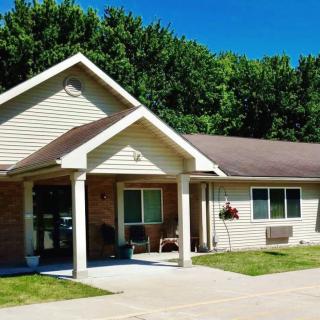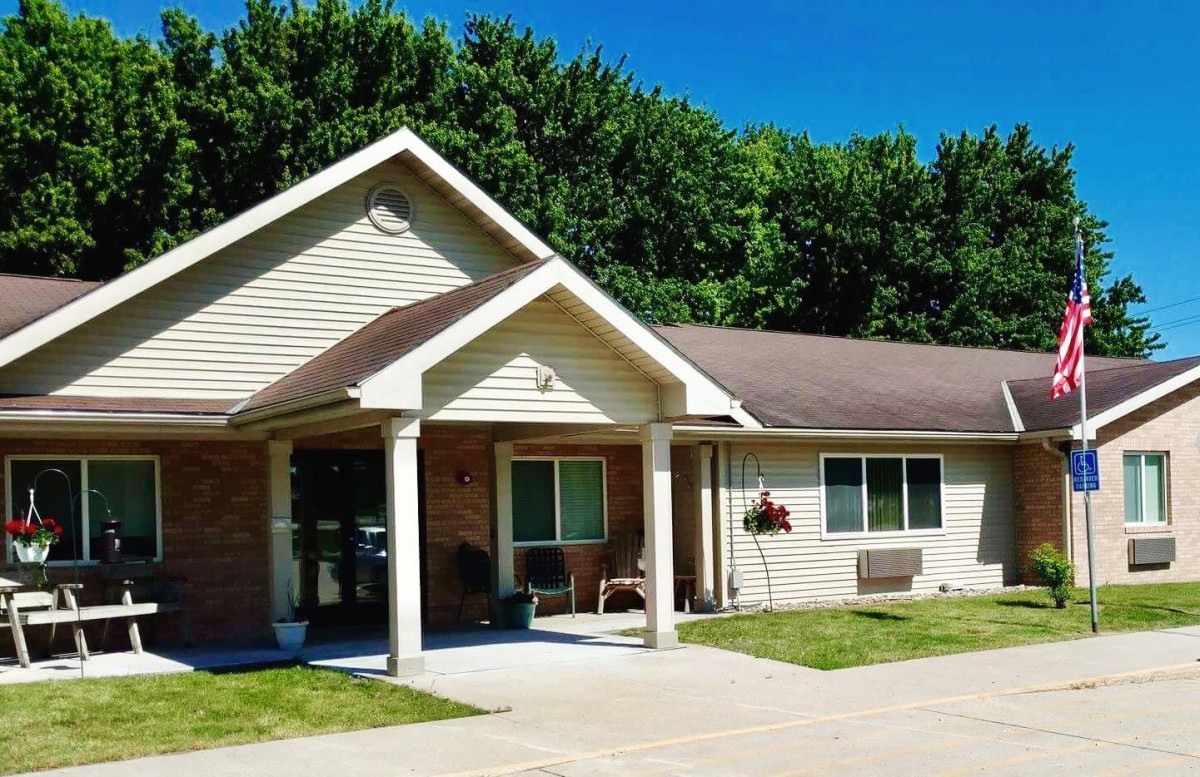
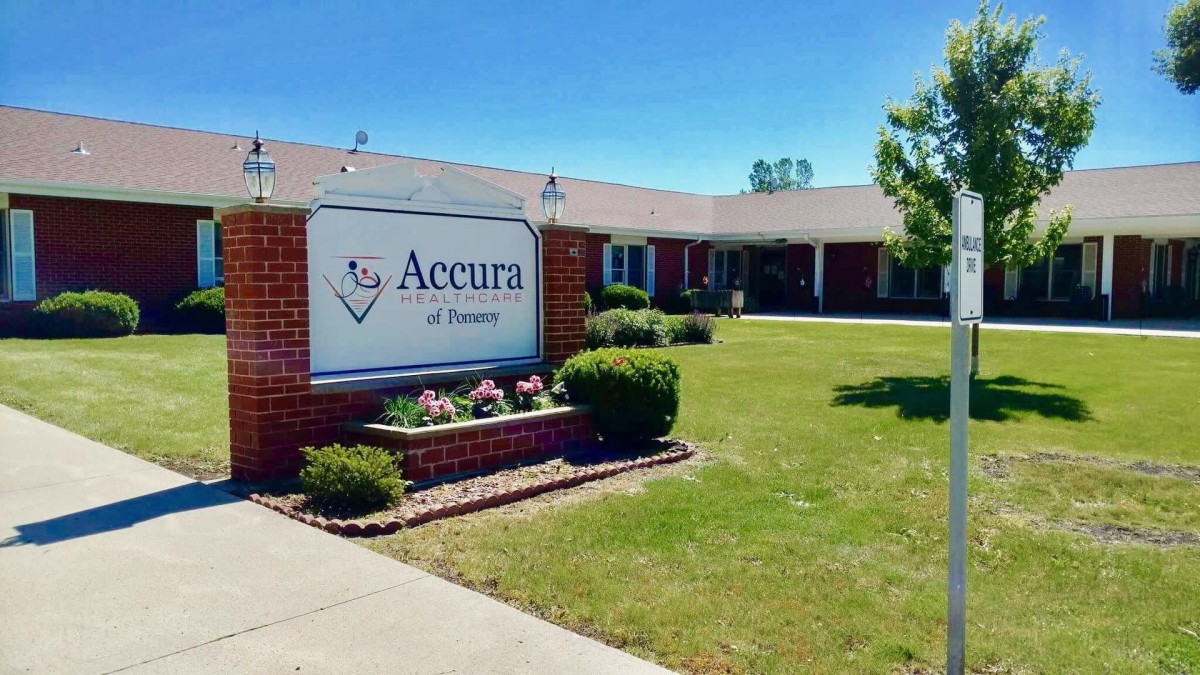
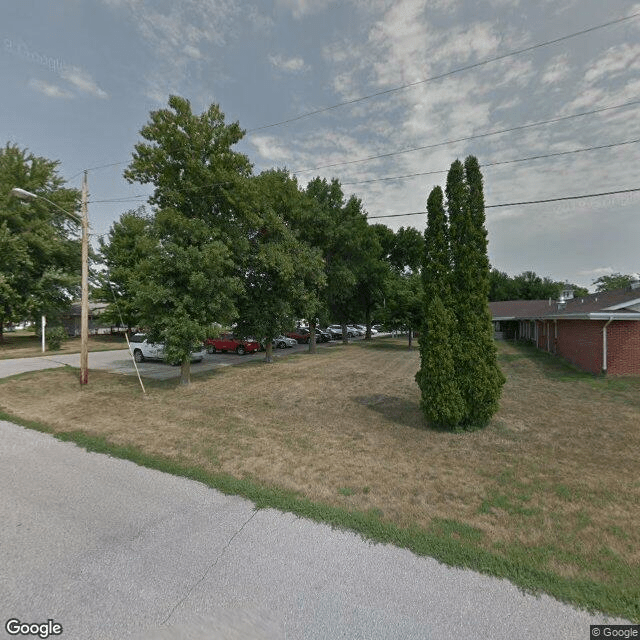
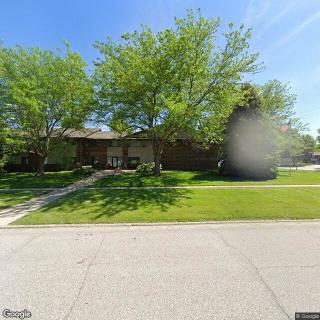
713 Scuyler Street, Pomeroy, IA 50575
To contact a resident: (712) 468-2241
For more information about senior living options: (866) 208-4318
Stonebridge Suites Costs & Pricing
At Stonebridge Suites, the monthly rates for accommodations are quite competitive when compared to the broader market in Pocahontas County and across Iowa. The cost for a studio is set at $1,765, significantly lower than the county's average of $4,077 and the state's average of $3,613. This remarkable pricing offers guests exceptional value without compromising on quality. For those seeking a one-bedroom suite, Stonebridge Suites charges $2,549 per month, which remains appealing compared to Pocahontas County's average rate of $3,440 and Iowa's statewide average of $2,862. Overall, Stonebridge Suites stands out as a cost-effective lodging option that caters well to both short-term and long-term stays in a scenic part of West Virginia.
| Floor plans | Stonebridge Suites | Pocahontas County | Iowa |
|---|---|---|---|
| Studio | $1,765 | $4,077 | $3,609 |
| 1 Bedroom | $2,549 | $3,440 | $2,863 |
Overall Review of Stonebridge Suites
Pros
 Residents are happy with the community.
- The staff are wonderful.
- Residents have different meal options.
- The meals are tasty, balanced, and served at a great temperature.
- A call button is available in the bedrooms, and staff respond quickly.
- Residents feel comfortable and safe in the community.
Review
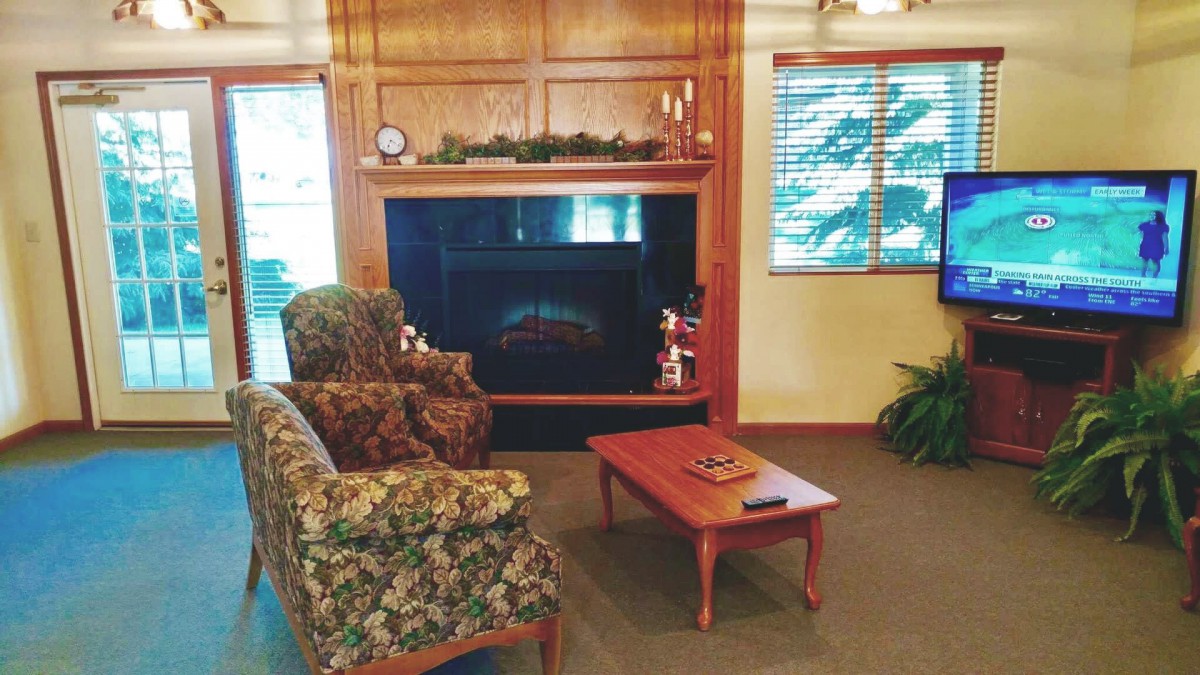
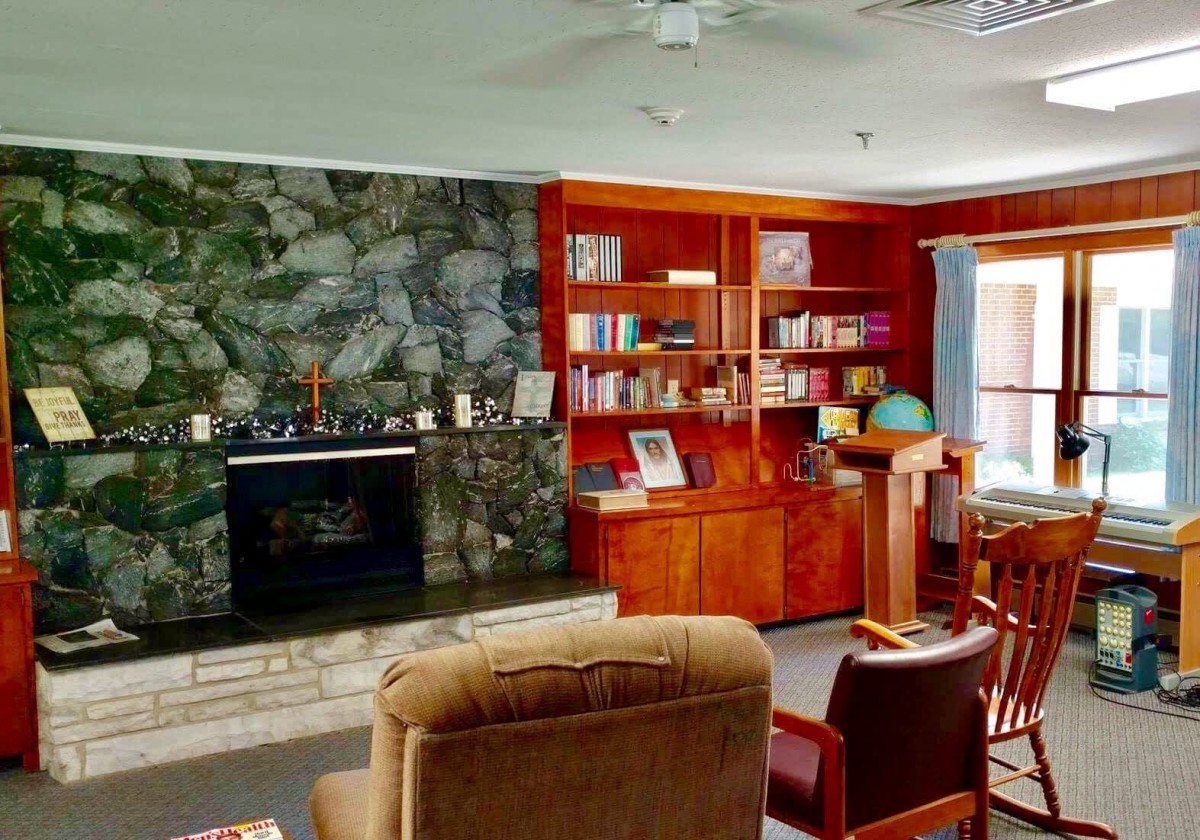
Stonebridge Suites in Pomeroy, Iowa is best suited for seniors who value a highly responsive care team, reliable and varied dining, and a living environment where safety and comfort are clearly prioritized. Families weighing this option should recognize it as a setting where daily assistance feels immediate and where meals are treated as a dependable, enjoyable part of life. Those seeking a large, bustling campus with a wide array of on-site programs may want to explore alternatives, but for residents who want straightforward, dependable support in a homelike atmosphere, this community stands out.
The strongest selling point centers on staff engagement and accessibility. The account highlights wonderful staff and a call bell system that delivers rapid help in the bedrooms, producing a strong sense of security. This combination can translate to fewer worries about getting timely assistance for routine needs or urgent concerns, which is a critical factor for families prioritizing dependable oversight and responsiveness.
Another clear pro is the dining experience. Residents report a menu with multiple choices and meals that are both tasty and balanced, prepared to the proper temperatures. In practical terms, that means fewer compromises on nutrition and enjoyment, with predictable meal quality that can ease daily planning for both residents and their families. When meals are consistently satisfying, it reduces the stress around daily routines and reinforces overall satisfaction with community living.
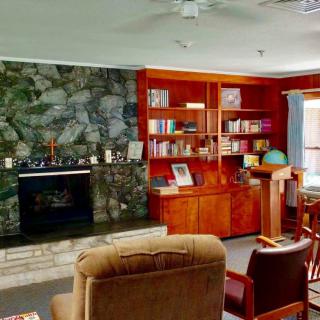
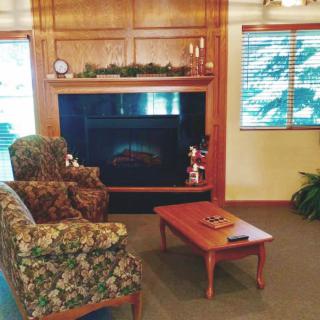
Feeling comfortable and safe emerges as a distinct positive thread in the narrative about Stonebridge Suites. The combination of attentive staff, accessible assistance, and well-managed living spaces appears to create an environment where residents can relax and settle in without constant concern about their surroundings. This is not only about physical safety but also about the emotional ease that comes from knowing help is nearby and reliable when needed.
For families considering alternatives, it’s wise to weigh a potential trade-off. A larger or more medically oriented campus might offer broader rehabilitation services, specialized memory care tracks, or more expansive social programming. If those elements are essential, for instance, for residents with complex care needs or a desire for a robust activity calendar, exploring other communities could make sense. Proximity to family, cost differentials, and the availability of specific therapeutic services should guide the comparison.
The key question becomes how the visible pros offset any possible gaps. The standout strengths, responsive staff, high-quality meals, and a comforting, secure environment, address the most common senior-care concerns head-on: timely help, good nutrition, and peace of mind. Yet the snapshot available here is based on a single perspective. Verification of consistent staffing levels across shifts, ongoing menu variety, and alignment with individual medical or rehabilitative needs will determine whether these advantages translate into long-term satisfaction. Families should request current references, tour the community during times that matter most, and confirm that the level of care matches anticipated health trajectories.
 Assisted Living
 Activities on-site
 Air-conditioning
 Beautician on-site
 Cable or satellite TV
 Devotional services off-site
 Ground floor units
 Handicap accessible
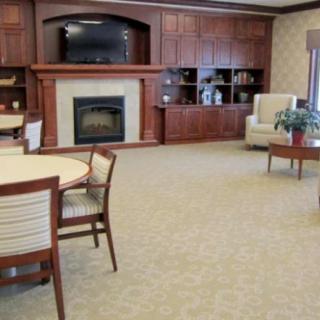
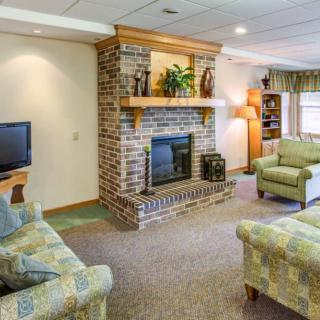
 Indoor common areas
 Kitchenette
 Outdoor common areas
 Respite or short term stays offered
 Wheelchair accessible showers
 Wi-Fi/high-speed internet available
 Ambulatory care
 Diabetic care
 Medication management
 Guest meals





 Choosing the Right Senior Care: A Detailed Exploration of Assisted Living and Nursing Homes
 Understanding the True Cost of Assisted Living in 2025: A Comprehensive Guide
 Understanding Medicaid Coverage for Assisted Living: A Comprehensive Guide