
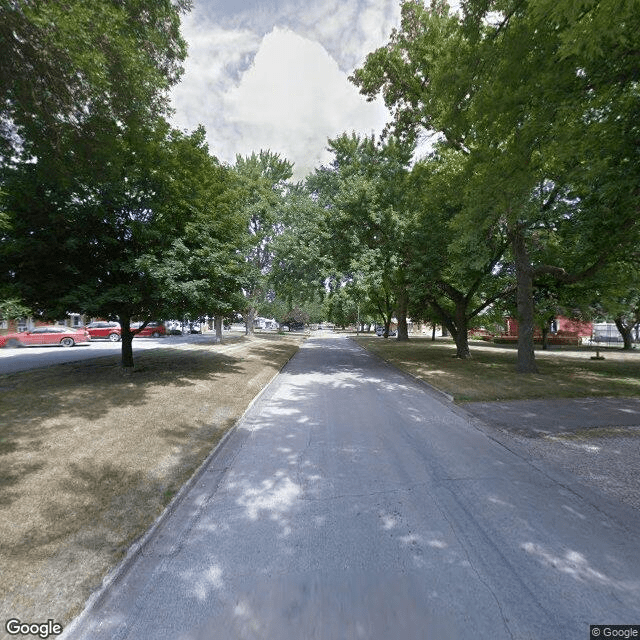
607 N Queen St, Fonda, IA 50540
To contact a resident: (712) 288-4441
For more information about senior living options: (866) 208-4318
Overall Review of Fonda Nursing & Rehab Ctr
Pros
 Great care provided by great people.
- The staff at Fonda are dedicated and kind.
- Connie and her team care very much for the residents.
- The staff are rock stars.
Cons
 They advise against placing loved ones in Fonda Care.
- The father-in-law was not cleaned, with poop on his jeans and crusted food on his shirt, and his clothes were not washed the next day.
- There were multiple falls with no notification to the family.
- It was not a good surprise to arrive and find him in pain and bruised.
- It took four days of requests to obtain a specimen for a UTI, and he became septic due to a lack of care.
- Administration in fall 2024 was useless; calls were not returned and in-person meetings were unavailable.
- The $60 in his billfold, along with new shoes and several gifts from the kids and grandkids, were missing.
- There are very limited activities for residents, with nothing to mentally or emotionally stimulate them daily.
- There are bed bugs, and management does not care about staff or residents' needs, yet they claim to have quality care.
- The facility is described as caring only about money.
Review
Fonda Nursing & Rehab Center in Fonda, Iowa is best suited for families that value a warm, caregiver-oriented environment and can rely on strong, ongoing family involvement to shore up care. It works best for residents who can tolerate a lean operation and who benefit from personal, front-line kindness, with the expectation that oversight and advocacy will be needed to secure timely care and consistent daily support. This is not a hands-off, polished system; it demands engaged relatives or guardians who can monitor routine care, press for prompt communication, and help translate medical needs into action.
On the downside, the most persistent concerns revolve around cleanliness, safety, and responsiveness. Several reviewers describe unwashed clothing and crusted food, and even serious issues like bed bugs, which paint a troubling picture of housekeeping and resident comfort. Falls occur without timely family notification, raising red flags about safety protocols and call systems. Medical events, such as urinary tract infections, can deteriorate before adequate assessment or communication arrives, and administrative responsiveness is repeatedly criticized, with families reporting unanswered calls and unaddressed concerns. The overall impression is of a facility where operations lag behind the level of care residents deserve.
There are countervailing notes about the staff themselves. In multiple accounts, the people delivering day-to-day care are described as dedicated, kind, and genuinely caring. Phrases like “rock stars” and “great care provided by great people” underscore a real, heartfelt commitment from frontline workers who want the best for residents. Specific team members are singled out for their attention, and the sense that compassionate caregivers are present can momentarily elevate the resident experience even when other processes falter. In short, the humanity of the staff is real and meaningful, and it can make difficult days more tolerable.
That contrast matters because the positives around staff warmth can somewhat offset the downsides when families are highly involved. The same caring demeanor that eases daily routines also creates a buffer during emergencies and delays, offering reassurance to anxious relatives and comfort to residents who rely on consistent encouragement. Yet the offset is incomplete. A facility’s viability hinges on reliable hygiene, prompt medical communication, and proactive safety reporting; when those foundations falter, even the most compassionate aides can only do so much. Stabilizing the core operations remains the decisive factor in whether the care feels safe and sustainable.
Families should weigh alternatives if priorities include consistently pristine environments, proactive clinical oversight, and robust programming. For residents with significant medical complexity or those requiring dependable, continuous monitoring, this center may not meet the standard without substantial family advocacy and oversight. Larger or more established facilities that emphasize housekeeping quality, transparent governance, and a fuller calendar of meaningful activities often deliver the steadier, more predictable care that higher-acuity needs demand. Those seeking a more hands-off experience or who cannot commit to vigilant oversight will likely want to look elsewhere.
Practical steps to decide include observing the facility at different times to gauge cleanliness, meal service, and staff responsiveness; requesting a direct conversation with the administrator and frontline caregivers; reviewing incident and fall reports, housekeeping schedules, and activity calendars; asking about steps taken after family concerns and how care plans are monitored; and considering a trial period or a formal care plan review to establish clear expectations. With accountability clearly defined and a plan for consistent communication, the decision centers on whether the warmth of the caregiving staff can coexist with the operational reliability required for a loved one’s long-term care.
 Assisted Living
 Activities on-site
 Devotional services off-site
 Indoor common areas
 Ambulatory care
 Diabetic care
 Meals provided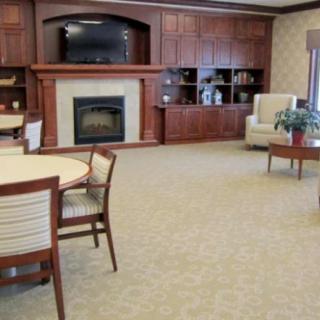

 Comprehensive Supportive Living Arrangements for Adults with Disabilities
 Funding and Affording Assisted Living: A Thorough Overview
 Assisted Living Expenses and Long-Term Care Insurance: A Comprehensive Exploration