
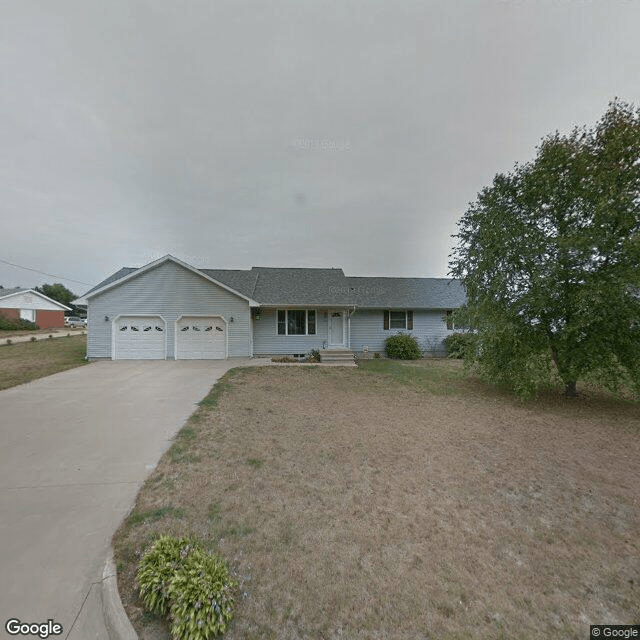
206 E 4th St, Mechanicsville, IA 52306
To contact a resident: (319) 432-7235
For more information about senior living options: (866) 208-4318
Overall Review of Mechanicsville Nursing & Rhb
Pros
 The place is great and treats patients very well, keeping families informed.
- Mechanicsville Specialty Care staff are responsive, helpful, and friendly.
- The care and concern shown to patients’ mothers is reassuring.
- The wheelchairs are clean.
- There was a enjoyable event with food, gifts, and music, and attendees had a great time dancing.
Review
Mechanicsville Nursing & Rehab is best suited for families seeking a small, hands-on skilled-nursing environment where frontline staff deliver timely, attentive care and keep families closely in the loop. Residents who rely on consistent nursing oversight, help with daily tasks, and regular rehab-oriented activities will find a home here. The community appears to excel at treating residents with respect and ensuring loved ones remain informed about changes in health or daily routines. The tone in caregiver interactions is practical and steady, which lowers caregiver anxiety and helps families plan with confidence. It’s especially appealing for those who value a warm, neighborly atmosphere alongside reliable professional care.
Those with broader needs may want alternatives. If priorities include a large network of specialists, expansive rehab options, or very specialized memory care, a larger facility or hospital-affiliated program might better fit. Families weighing insurance coverage and cost considerations could also compare pricing structures across options, since smaller communities often have different financial dynamics than bigger campuses. For residents who require intensive chronic disease management that hinges on frequent multi-disciplinary rounds, visit patterns may be more constrained in a smaller setting.
On the upside, the strongest selling points revolve around the staff. Reviews consistently highlight responsiveness, helpfulness, and friendliness from caregivers, which translates into faster issue resolution and less caregiver burden at home. The care teams’ willingness to involve families and share updates fosters a sense of partnership rather than distance. The environment seems to prioritize safety and comfort, with equipment that stands out for cleanliness. Beyond clinical care, the facility demonstrates life enrichment through social events and thoughtful touches, food, small gifts, and music that encourage participation and reconnect residents with a sense of community.
However, the visible downsides are not spelled out in detail within these notes, which leaves important questions open. The main concerns a family might raise include whether the breadth of on-site therapies meets individualized rehab goals, whether there are enough specialized clinicians on site, and how transition plans are managed if a higher level of medical intervention becomes necessary. The small-venue format may also influence the frequency of certain activities or the availability of niche programming. These gaps aren’t flaws so much as realities to verify during a tour and a formal intake discussion.
Still, the pros largely offset potential trade-offs. The dependable communication framework and staff responsiveness directly address common caregiver anxieties by ensuring timely updates and visible attentiveness. Clean equipment and a safety-conscious environment reduce practical concerns about daily care and mobility aids. The social dimension, regular events, food, and music, helps sustain mood, fosters a sense of belonging, and can lessen the emotional burden on families who worry about isolation after placement. In practical terms, these strengths create a foundation for trust, which is worth prioritizing when choosing a residence.
In practical terms, Mechanicsville Nursing & Rehab is a compelling choice for families prioritizing attentive care, clear communication, and an active resident life. It is particularly well-suited for residents who thrive in a smaller, community-minded setting where staff know residents well and families are welcomed as partners. Those with complex medical needs requiring broad-spectrum outpatient therapy or memory-care intensity may want to evaluate larger facilities or hospital-affiliated programs as alternatives. A disciplined approach, schedule a tour, talk with several staff and residents, review therapy offerings, and obtain a transparent cost-and-care plan, will ensure the decision aligns with long-term goals and financial realities.
 Assisted Living
 Activities on-site
 Devotional services off-site
 Indoor common areas
 Eastern Iowa (24 miles away)
 Ambulatory care
 Diabetic care
 Meals provided






 When to Transition from Assisted Living to Memory Care: Key Indicators, Steps, and Finding the Right Community
 Assisted Living and Memory Care: Understanding Their Core Differences
 Beyond the Bingo Hall: 50+ Enriching Activities for Seniors in Assisted Living