
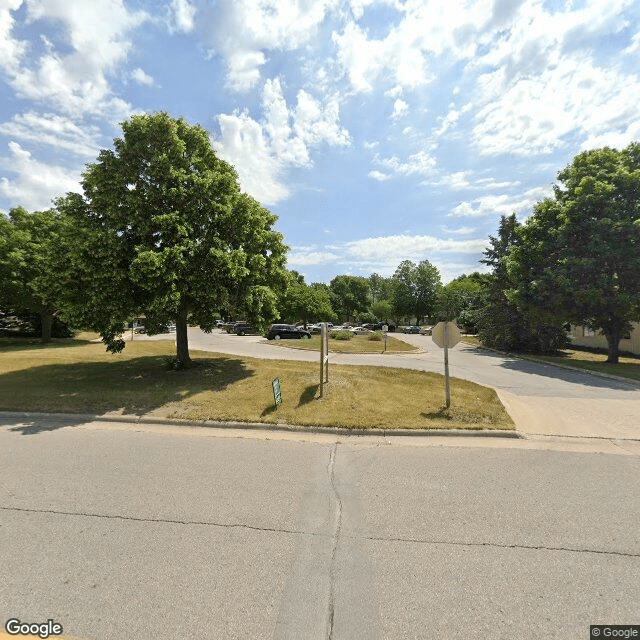
1107 19th St N, Humboldt, IA 50548
To contact a resident: (515) 332-4479
For more information about senior living options: (866) 208-4318
Overall Review of Humboldt Homes Ltd
Pros
 It was a nice and quiet place for the elderly and disabled.
- The property used to offer a quiet living environment for residents.
Cons
 The management of Humboldt Homes is only worried about collecting rent and neglects maintenance issues around the premises.
- It used to be a quiet place for the elderly and disabled until welfare families moved in with unruly children.
- It is being affected by a government-sanctioned housing development crisis.
- No one cares unless the rent checks stop coming.
Review
Humboldt Homes Ltd is best suited for seniors or disabled adults who must tightly manage their budget and value a quiet, low-key living environment over proactive on-site care. The setting historically offered a calm, unobtrusive place to reside, but that calm has become increasingly contingent on the balance between rent collection and resident well-being. For residents who can tolerate a housing arrangement where management appears more focused on monthly payments than timely maintenance or resident support, this community may hold superficial appeal. In short, it functions as a budget-forward option for those who can overlook gaps in care, maintenance responsiveness, and resident relations.
On the other hand, families should consider alternatives if reliable property management and a stable, well-supervised environment are non-negotiable. The current dynamic makes clear that shifts in resident mix can erode the quality of daily life. Prospective residents seeking predictable service levels, consistent problem-solving, and a safe, orderly atmosphere will likely encounter ongoing disappointment here. If the goal is a residence with active oversight, responsive repairs, and fewer interruptions from disruptive behavior, it is prudent to look elsewhere in Humboldt or nearby communities with documented staffing commitments and clearer resident-management boundaries.
The few tangible benefits do not substantially offset the principal drawbacks. The primary positive remains the potential for a quiet, affordable housing option that initially served elderly and disabled residents without appearing chaotic. However, that quiet is fragile once the priority pivots toward rent collection rather than proactive care, and the environment quickly shifts when the resident mix becomes more varied and less predictable. In practice, the cost savings and perceived tranquility are undermined by slow maintenance, inconsistent issue resolution, and a management focus that appears driven by financial rather than resident welfare. For families weighing quality of life, the scales tilt away from suitability once these elements are weighed together.
Maintenance responsiveness and overall property care emerge as the most consequential concerns. With a perceived emphasis on rent receipts, issues around premises can accumulate without prompt attention. The presence of a mixed resident population, described as welfare-associated families bringing in children, injects a level of disruption that can strain daily routines and safety, particularly for elderly or disabled residents who rely on predictable surroundings. Even where the space remains quiet at times, the reliability of day-to-day supports, safety monitoring, and common-area upkeep appears inconsistent. When these factors are critical, the perceived shortfall in management and maintenance cannot be dismissed as a minor flaw.
Families evaluating options should insist on concrete assurances before committing. A thorough look at maintenance response times, a clear outline of staff qualifications and on-site hours, and a commitment to proactive problem-solving are essential. Prospective residents should request references from current tenants, inspect recent work orders, and observe how common spaces are maintained during various times of day. It is also wise to query about emergency procedures, access to on-site medical or supportive services, and how the community enforces quiet hours and visitor policies. Without clear, verifiable safeguards in these areas, the perceived savings are not worth the risk.
The bottom line is decisive: Humboldt Homes Ltd is not a strong fit for families prioritizing consistent care coordination, reliable maintenance, and a stable resident community. It may appeal only to those constrained by price who can tolerate a management approach centered on rent collection and a mixed, less predictable environment. For most families seeking a confident, supportive assisted-living option, alternatives with stronger management accountability, proactive maintenance, and clearer resident standards should be pursued. In Humboldt, the prudent move is to compare other local communities first, then revisit Humboldt Homes only if a transparent service commitment and demonstrable improvements in care and upkeep are demonstrated.
 Assisted Living
 Activities on-site
 Devotional services off-site
 Indoor common areas
 Ambulatory care
 Diabetic care
 Meals provided

 An Extensive Exploration of the VA Aid and Attendance Benefit
 Senior Transition Services: Understanding Their Role, Cost, and Importance
 Exploring the Path to Senior Living: A Comprehensive Look at Independent Living and Assisted Living