601 Dawn Ave, Fredericksburg, IA 50630
To contact a resident: (563) 237-5075
For more information about senior living options: (866) 208-4318
Whispering Willow Assisted Living&Memory Wing Costs & Pricing
Whispering Willow Assisted Living & Memory Wing offers competitive pricing for its services, with a monthly cost of $2,595 for a one-bedroom unit. This rate is notably lower than the average monthly cost in Chickasaw County, which stands at $3,298, and also undercuts the statewide average of $2,862 in Iowa. This positions Whispering Willow as an attractive option for individuals seeking quality assisted living and memory care that aligns with both their budgetary needs and the high standards of care they deserve.
| Floor plans | Whispering Willow Assisted Living&Memory Wing | Chickasaw County | Iowa |
|---|---|---|---|
| 1 Bedroom | $2,595 | $3,298 | $2,863 |
Memory care communities with a similar price nearby
-
from -$395 / mo
Copper Creek
$2,200 to $4,500 / month19.2 miles away
Overall Review of Whispering Willow Assisted Living&Memory Wing
Pros
 The facility is clean with a fantastic staff.
- The activities are fun and engaging for residents, and the smiles reflect that.
- The staff genuinely care about the residents.
- Whispering Willows' staff are awesome, with care and passion that run deep, and the caregivers are compassionate.
- The residents love the staff.
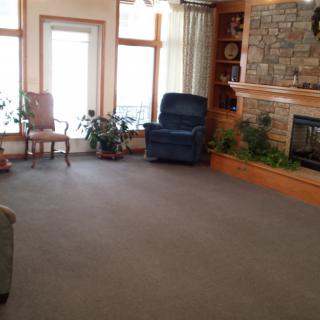
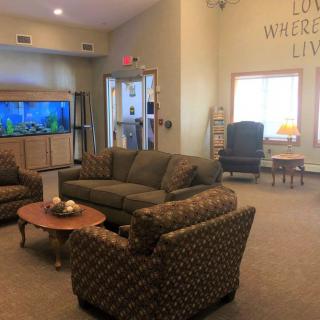
- The place feels very homey and is run by a family, so residents feel like part of the family.
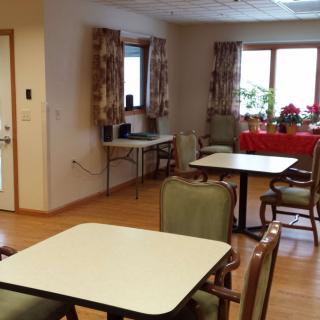
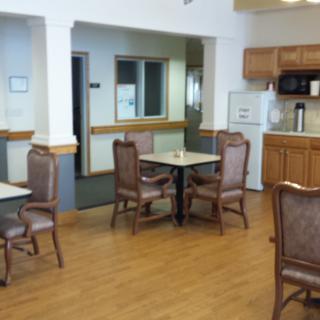
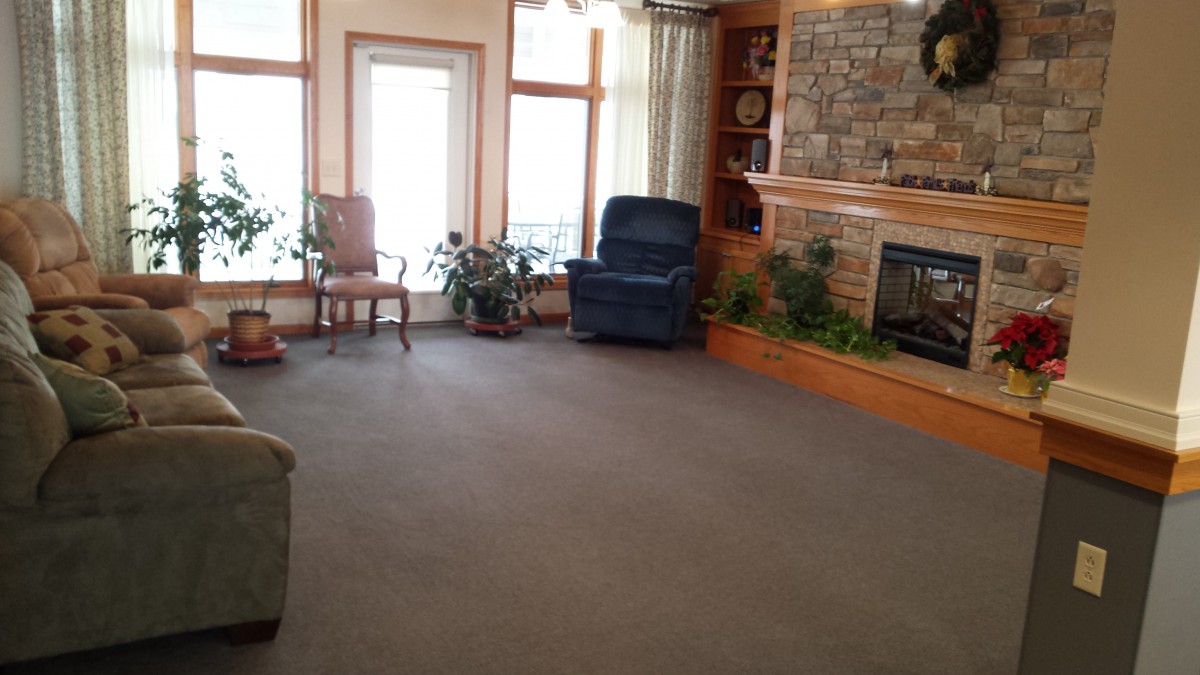
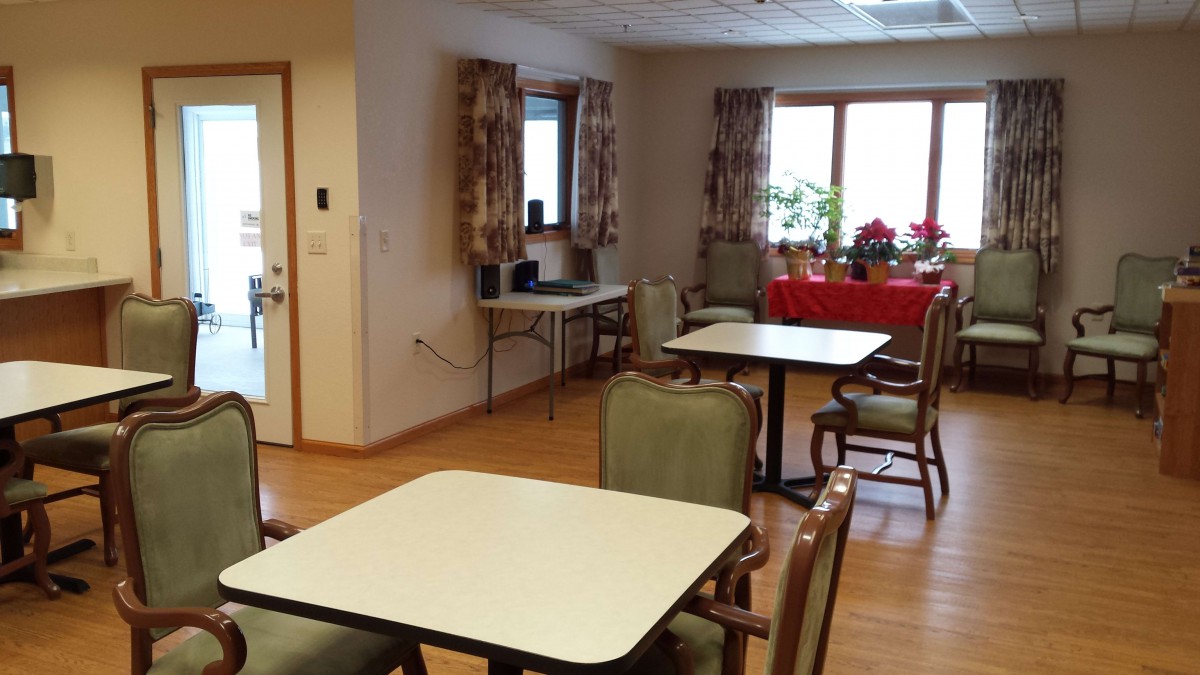
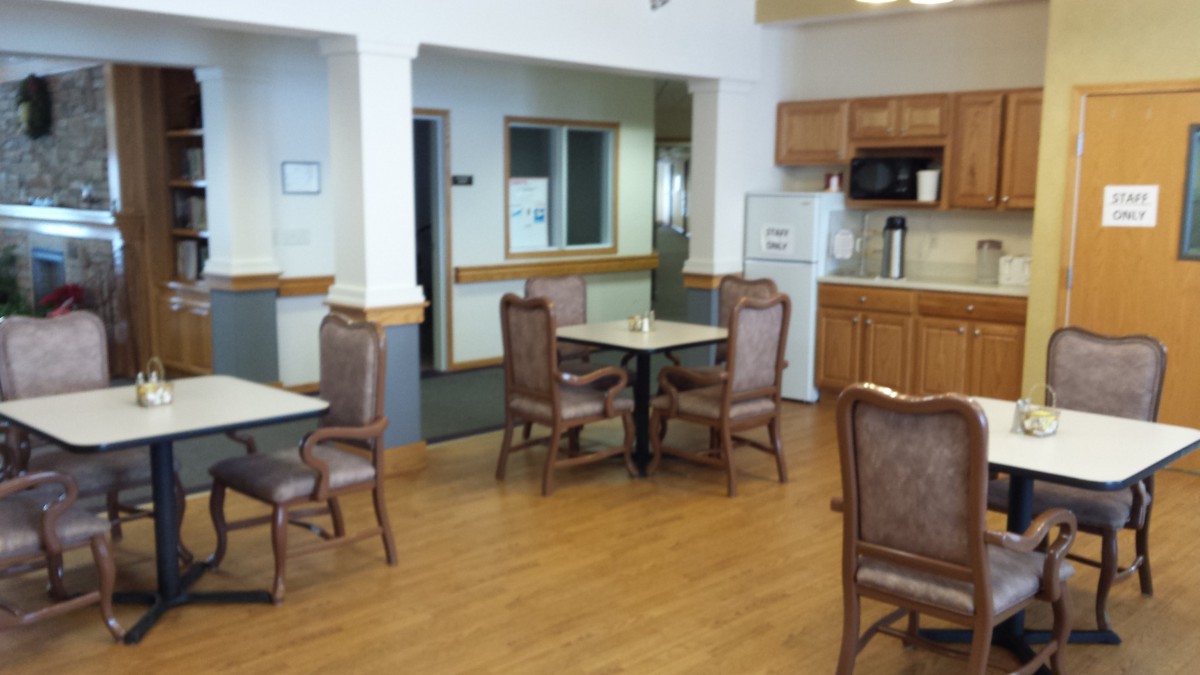
- The dining room feels like a family dining room, with daily activities and enjoyable entertainment, and the meals are awesome.
- The smaller unit reduces overwhelm and is a better option than a nursing home for people who do not need skilled nursing care.
Cons
 None found.
Review
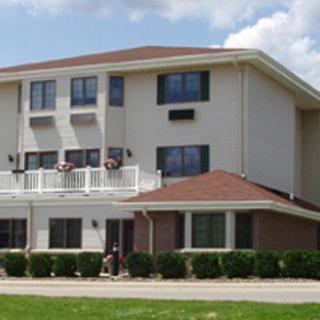
Whispering Willow Assisted Living & Memory Wing in Fredericksburg, IA is best suited for seniors who want a small, home-like setting where caregivers know residents by name and daily life feels like a family affair. The community shines for individuals who are largely independent or need light assistance yet crave meaningful engagement, regular activities, and a nurturing environment. The presence of a memory-care option within the same campus adds appeal for families seeking a place that can accommodate evolving cognitive needs without a jump to a completely different facility.
Those who may want to consider alternatives are clear: residents who require substantial skilled nursing, complex medical oversight, or frequent clinical interventions will likely outgrow Whispering Willow’s scope. Large campuses with extensive medical teams, broader rehabilitation programs, or more aggressive clinical support may be a better fit for escalating care needs. Additionally, if the priority is a bustling, destination-style community with a wide array of activities and amenities, a larger operator could better satisfy that desire. The occupancy snapshot, several empty apartments, suggests availability but also hints at capacity limitations that could matter for urgent placement.
On the upside, the staff makes the most significant difference. Reviews consistently praise a clean facility and a genuinely caring, compassionate team that treats residents as individuals. Families note that staff dedication translates into smiles, consistent engagement, and meaningful interactions throughout the day. That interpersonal warmth counters many common aging-in-place worries, especially in a smaller setting where staff can deliver personalized attention. The daily schedule of activities, some described as lively and enjoyable, plus occasional live entertainment and in-house dining by a resident-friendly cook all contribute to a sense of belonging and normalcy.
The strong points, however, must be weighed against a few realities. Whispering Willow operates best as an assisted-living solution with memory support, not a substitute for skilled nursing or high-acuity medical care. For families confronting a progression in care needs, outsourcing to a more medically oriented community will be necessary. The small size, while offering an intimate environment, may limit the breadth of programming and options compared with larger campuses. The occupancy picture, five unfilled apartments at one point, could impact availability timelines and the speed at which a move can be made, an important consideration for families facing impending transitions.
What families should ask during visits is practical and pointed. Inquire about the exact level of clinical support available on-site, staffing ratios during peak hours, and how care plans adapt as needs change. Request a clear comparison of costs, what is included, and how increases are handled if more care becomes necessary. Probe how the memory wing operates in everyday life, including staff training, safety measures, and how memory-related activities are integrated with general programming. Finally, confirm transportation options, guest policies, and the process for transitioning to more intensive care if the situation worsens, so a move does not become a scramble.
In the end, Whispering Willow stands out for families seeking a warm, dependable, and comparatively intimate environment where daily life feels purposeful and affectionately managed. It is an especially strong choice for residents who value a homey ambiance, consistent caregiver attention, and nourishing, well-prepared meals within a community that feels like an extended family. For those whose caregiving needs are likely to outpace basic assisted living or who crave a larger, more varied ecosystem, alternative communities with broader medical capabilities and more expansive programming should be explored to prevent a future transition that could be costly and disruptive.
 1-bedroom apartments
 Assisted Living
 Memory Care
 Activities on-site
 Air-conditioning
 Beautician on-site
 Cable or satellite TV
 Devotional services off-site
 Dining room
 Full kitchen
 Garden
 Ground floor units
 Guest parking
 Housekeeping services
 Indoor common areas
 Laundry
 Outdoor common areas
 Overnight guests
 Party space
 Respite or short term stays offered
 Security gate
 Wheelchair accessible showers
 Ambulatory care
 Diabetic care
 Hospice care
 Incontinence care
 Medication management
 Physical therapy
 Guest meals
 Arts and crafts
 Educational speakers / life long learning
 Fitness programs
 Games
Games Live musical performances
 Stories

 Assisted Living and Memory Care: Understanding Their Core Differences
 Choosing the Right Senior Care: A Detailed Exploration of Assisted Living and Nursing Homes
 Safeguarding Your Memory Through the Golden Years: Eight Ways to Preserve Cognitive Health