

703 South Fourth Avenue, New Hampton, IA 50659
For more information about senior living options: (866) 208-4318
Overall Review of Kensington Place
Pros
 The facility is excellent.
- The New Hampton Nursing and Rehab Center helped families transition their mothers from the hospital to rehab smoothly.
- Janice Tank stayed hours past her scheduled time off on a Friday evening to help families complete the transition.
- The staff were friendly, professional, and treated patients with dignity.
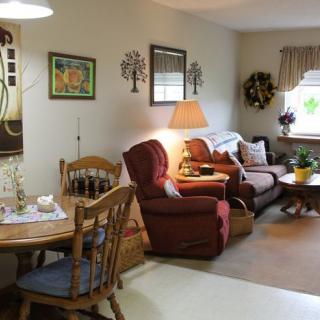
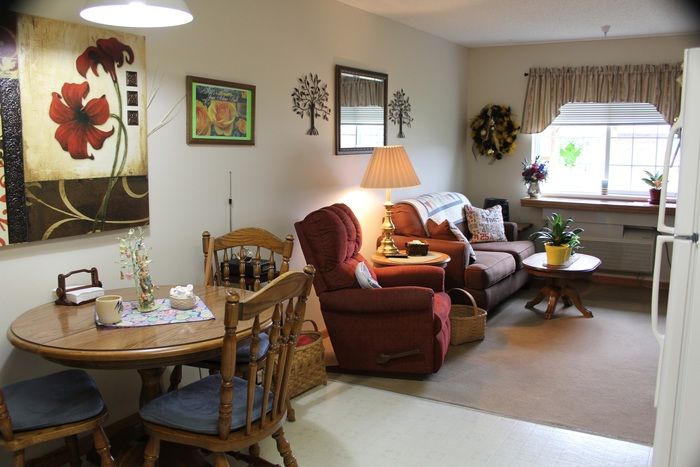
- The facility was clean, comfortable, and offered many activities.
- The mother has been very happy with the care, and her family feels confident in her care and recovery.
- The facility stood out as the best among several visited.
Review
Kensington Place in New Hampton, Iowa is best suited for families seeking a post-acute rehab environment where the transition from hospital care is seamless and the daily experience centers on dignity, attentiveness, and practical progress toward recovery. The available account paints a picture of a center that can make a hospital-to-rehab move feel straightforward: staff who stay with the family through the discharge steps, a clean and comfortable setting, and plenty of activities that keep an older adult engaged. This is not a luxury resort; it is a purpose-built rehab environment where commitment to residentsā€™ recovery and decency in care are the driving forces behind the experience.
Relying on a single detailed review, one should still consider who may want alternatives. If the elder requires high-acuity medical oversight, complex chronic conditions that demand ongoing physician management, or long-term memory care with specialized programming, different facilities may be a better fit. Families prioritizing expansive social privileges or high-end amenities might also explore options that emphasize lifestyle features beyond the rehab focus. In short, Kensington Place appears strong for standard post-hospital rehab needs, but those with specialized memory care or intensive medical requirements should verify that the center can meet those specifics before making a decision.
The strongest positives clearly center on care quality and environment. The staff are described as friendly, professional, and capable of treating residents with dignity, while the facility itself is clean and comfortable and offers a robust slate of activities. Most compelling is how devoted the team can be to the transition: one staff member stayed hours past the scheduled shift to ensure the process was completed properly. That level of personal commitment signals a culture where residents are not just cared for but prioritized in real time, which directly contributes to smoother rehab progress and less family anxiety about outcomes.
Where the story becomes more nuanced is the lack of explicit information about certain specifics that often matter in short- and long-term care decisions. Details such as the exact mix of therapy hours, nurse staffing patterns, availability of 24/7 medical oversight, memory-care capabilities, and discharge planning beyond the rehab period remain unspoken. Yet the demonstrated dedication and the leak-free, activity-rich environment suggest a strong foundation for recovery. In practical terms, the pros, responsive staff, respectful treatment, cleanliness, and meaningful activities, provide a meaningful offset to any unknowns, but they do not fully replace the need for transparent answers to those critical questions before committing.
For families weighing options, a practical decision framework is essential. Schedule a visit and request a current therapy schedule, including PT/OT/ST hours, as well as a nurse-on-call plan and weekend coverage. Seek out a copy of the discharge-to-home plan and ask how the center coordinates with hospitals or home-health services after discharge. Talk with frontline staff about daily routines and ask for a recent activity calendar to assess how engagement translates into real daily life. If memory care or highly specialized medical needs may emerge, request evidence of programs, staff training, and success stories in those areas. Gather firsthand impressions from current residents or their families to gauge consistency beyond the one available account.
Ultimately, Kensington Place stands out for families prioritizing a respectful, well-managed rehab pathway with a dependable, caring staff. It appears particularly well-suited for a post-hospital recovery trajectory where the main goal is to regain independence and confidence in daily living, aided by a clean, activity-rich environment. For seniors with complex medical or cognitive needs requiring ongoing, specialized medical oversight, or for households seeking particular long-term care features, exploring alternatives with documented strengths in those domains is prudent. In the right context, this center offers a solid, trustworthy bridge from hospital to home.
 68 resident community capacity
 Assisted Living
 Respite Care
 Skilled Nursing Facility
 Air-conditioning
 Beauty salon
 Cable or satellite TV
 Computer center
 Dining room
 Fitness room
 Fully furnished
 Gaming room
 Garden
 Housekeeping services
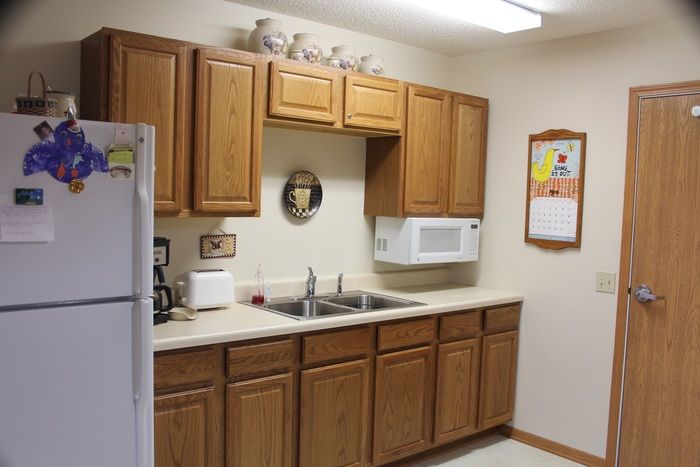
 Kitchenette
 Move-in coordination
 Outdoor space
 Private bathrooms
 Restaurant-style dining
 Small library
 Telephone
 Wellness center
 Wi-Fi/high-speed internet available
 Community operated transportation
 12-16 hour nursing
 24-hour call system
 Activities of daily living assistance
 Assistance with bathing
 Assistance with dressing
 Assistance with transfers
 Diabetes diet
 Medication management
 Mental wellness program
 Special dietary restrictions
 Concierge services
 Planned day trips






 Exploring the Path to Senior Living: A Comprehensive Look at Independent Living and Assisted Living
 Is Assisted Living Deductible on Your Taxes? Understanding the Complexities of Assisted Living Expenses and Deductions
 Assisted Living Support for Veterans: A Complete and Detailed Overview