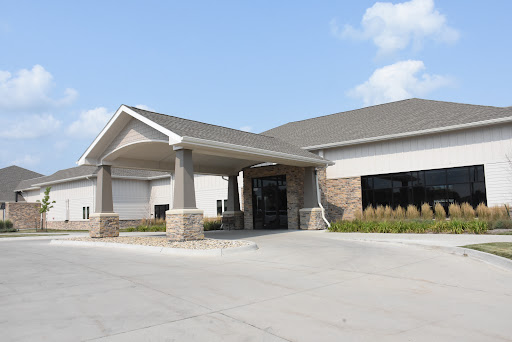

1204 Linden Street, Dallas Center, IA 50063
For more information about senior living options: (866) 208-4318
Spurgeon Manor Costs & Pricing
Spurgeon Manor offers competitive pricing for its accommodations when compared to both Dallas County and the broader Iowa market. The monthly cost for a studio apartment at Spurgeon Manor is $1,002, which is substantially lower than the $1,864 average in Dallas County and significantly more affordable than the state average of $3,613. For a one-bedroom unit, residents would pay $1,519 at Spurgeon Manor, again placing it well below Dallas County's rate of $2,445 and comfortably less than Iowa's average of $2,862. Similarly, the two-bedroom apartments at Spurgeon Manor are priced at $2,026 per month - higher than Dallas County's average of $1,686 but markedly less than Iowa's average of $3,329. This pricing structure positions Spurgeon Manor as an appealing choice for those seeking quality living without the premium costs often associated with these markets.
| Floor plans | Spurgeon Manor | Dallas County | Iowa |
|---|---|---|---|
| Studio | $1,002 | $1,864 | $3,609 |
| 1 Bedroom | $1,519 | $2,445 | $2,863 |
| 2 Bedrooms | $2,026 | $1,686 | $3,329 |
Skilled Nursing Facilities with a similar price nearby
-
About the same

Valley View Village
$990 to $1,100 / month20.7 miles away -
from +$113 / mo
Wesley Acres
$1,115 to $2,700 / month16.6 miles away -
from -$36 / mo
Mill Pond
$966 to $4,290 / month19.9 miles away
Overall Review of Spurgeon Manor
Pros
 The care center is staffed by people who genuinely love the residents.
- The staff are kind, loving, and go above and beyond to keep residents happy, healthy, and well cared for.
- The extras provided by the staff are heartwarming.
- It feels like a home for both staff and residents.
- The facility spares no expense to meet residents' needs.
- The staff deliver excellent end-of-life care.
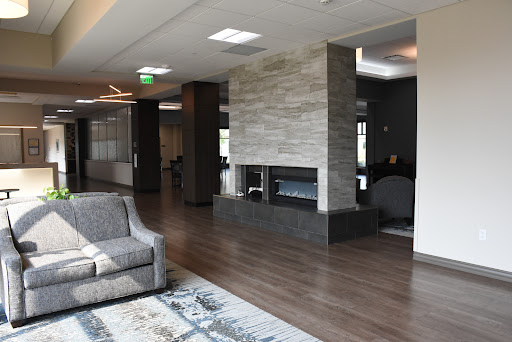
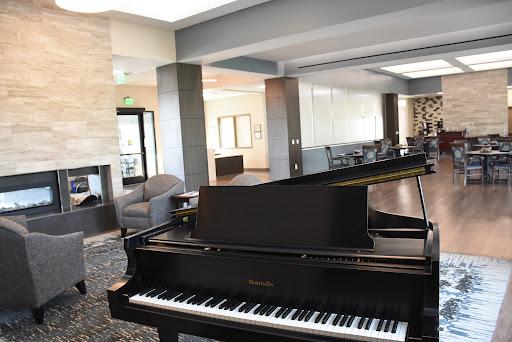
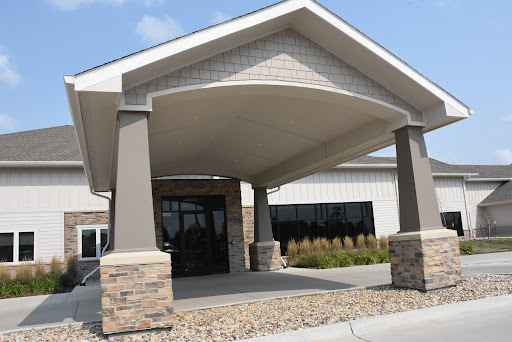
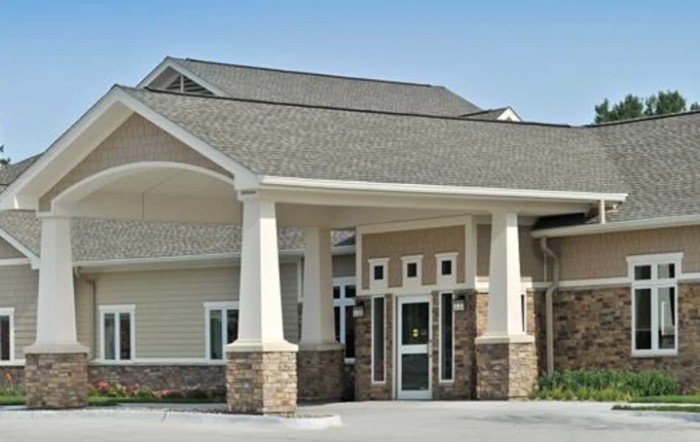
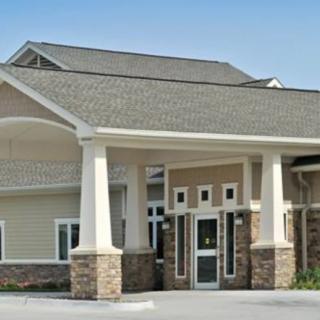
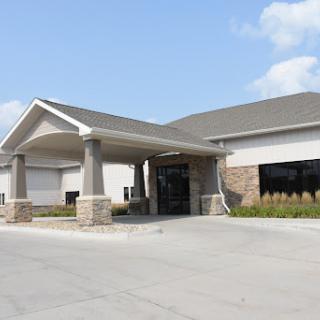
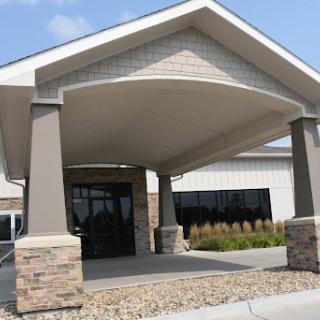
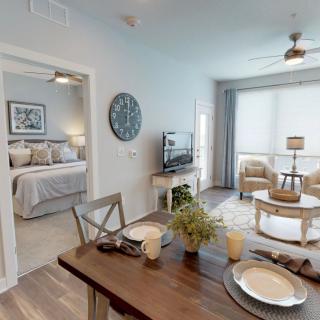
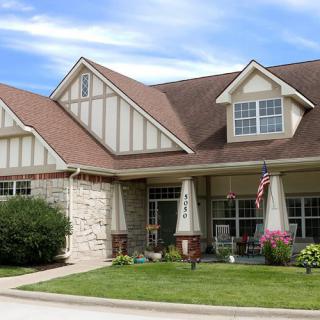
- Spurgeon Manor is a beautiful facility offering independent, assisted, and memory care.
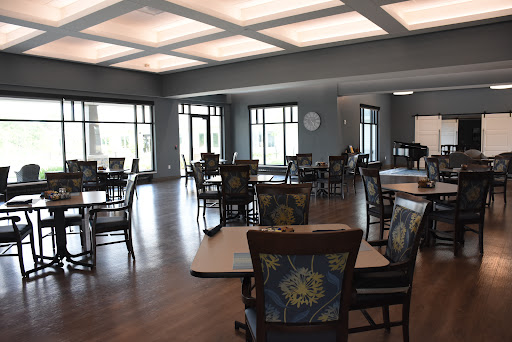
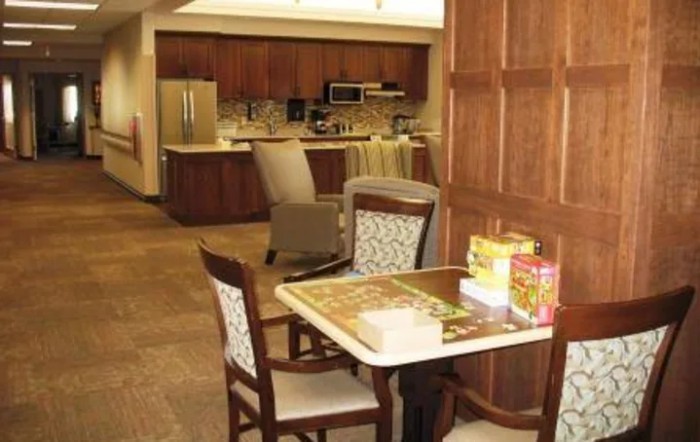
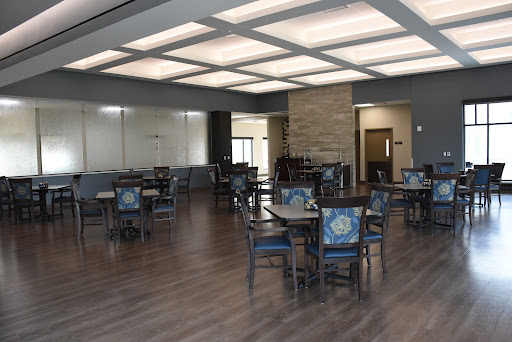
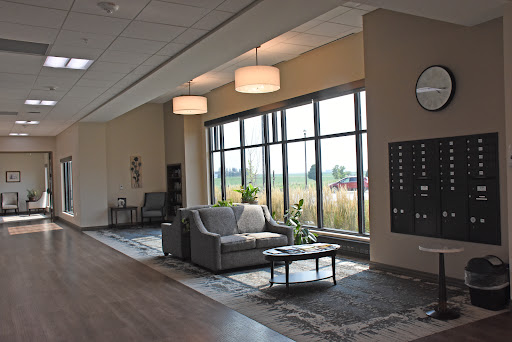
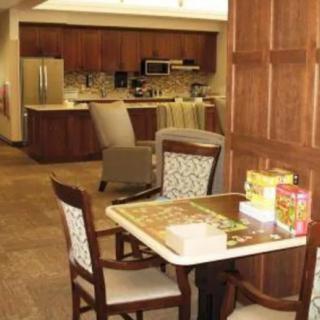
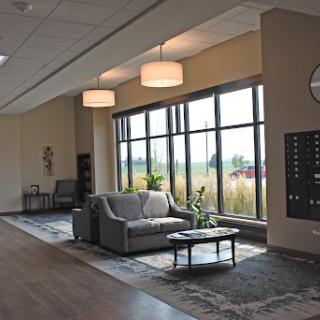
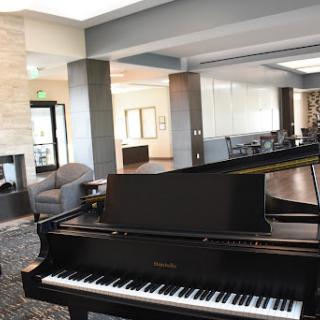
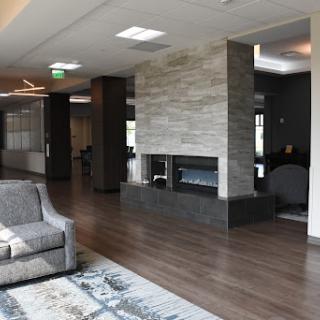
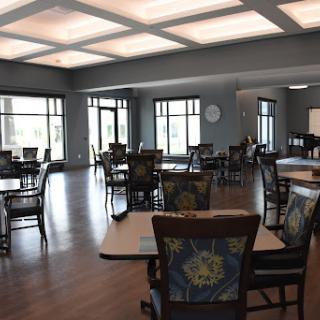
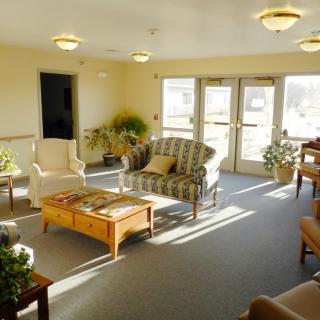
- The dining room and common spaces at Spurgeon Manor are bright and clean.
- The independent quarters at Spurgeon Manor are very nice.
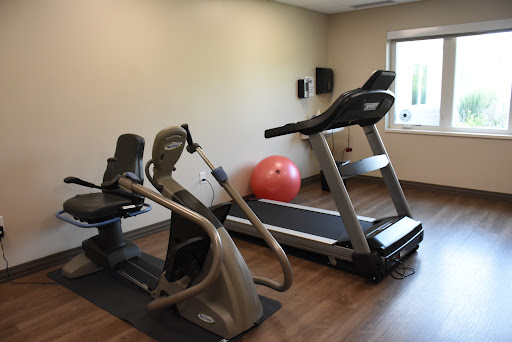
- The rehab department at Spurgeon Manor is excellent.
Cons
 The review asserts the facility is rigged because it isn’t located in Eswatini.
- The staff could be more personable.
- The experience was rated 7 out of 10.
Review
Spurgeon Manor in Dallas Center is best suited for families who want a true care-forward community where staff visibly prioritize residents and where a home-like atmosphere anchors daily living. The campus offers a comprehensive continuum, independent, assisted, memory care, and rehabilitation, under one roof, which minimizes the disruption families fear when needs shift. For households seeking reliable caregiving, clear routines, bright common spaces, and a setting that feels more like a welcoming home than a stark institution, this community presents a compelling fit. The emphasis on extras, personal touches, responsive service, and a willingness to meet resident needs, creates a consistency of daily life that matters when navigating aging in place.
There are clearly situations where alternatives may be worth a closer look. Families on a tight budget or those hoping for a more minimalist, less service-heavy environment may find other options offer more predictable upfront costs. For elders who prize a highly intimate, small-house atmosphere with very limited staff interaction, a boutique or smaller townhome-focused setting could feel more personal. Additionally, for those whose primary goal is independence with minimal assistance, options that place less emphasis on integrated rehab and memory-care programming might be preferable. One review excerpt notes a jarring, offbeat critique that doesn’t align with the broader consensus, suggesting that not every anecdote reflects the overall experience; this underscores the need for direct tours and conversations to gauge fit.
On the positive side, the core strengths of Spurgeon Manor align with what families value most: a genuinely caring staff, a sense of warmth that residents and families remark on, and a willingness to go beyond basic care to keep residents happy and healthy. The care team is described as kind, loving, and ready to do “just about anything” to support residents. That level of dedication translates into tangible benefits, consistent routines, attentive monitoring, and the feeling that residents are not simply housed but looked after. The facility is repeatedly praised for its bright dining rooms and clean common spaces, suggesting an environment that encourages social engagement and dignity in daily activities. The rehab department receives praise as well, indicating that transitions back to independence or maintenance of function are well-supported.
The memory-care and broader care continuum receive consistent attention, which matters for families facing cognitive decline or multipoint care needs. A well-functioning memory-care area, paired with a robust rehab program, can ease long-range planning by reducing the need for multiple transfers as needs evolve. Grounds and overall appearance also come up as positives: well-maintained landscapes and a clean, orderly campus reinforce a sense of safety and pride. The presence of townhomes nearby, alongside the assisted-living option on-site, adds real flexibility for aging in place, letting families consider a staged move that preserves familiarity and supports gradual escalation of care if required.
Still, several reviewers flag a potential hang-up: the personable warmth of staff may not hit every personal standard, with at least one comment noting room for more friendliness. In practice, however, the daily experience often centers on reliable care, responsiveness, and the reassurance of a well-run team rather than flamboyant hospitality alone. The multi-level campus structure helps offset this concern by ensuring that care planning, medical coordination, and social opportunities are accessible without relocating to a new facility. When weighed against the breadth of services, the occasional observer’s impression of softer interpersonal warmth is a manageable tradeoff for many families seeking stability, comprehensive programs, and a campus that supports evolving needs over time.
For families actively evaluating options, the prudent path is to schedule multiple visits, speak with current residents and families, and probe the rehab and memory-care outcomes in concrete terms. Confirm staffing levels during typical shifts, inquire about turnover, and request a transparent view of costs and what is included. Explore how the townhomes on campus interface with assisted living, whether residents can transition smoothly to on-site care without moving, and ask about meal quality, activity calendars, and social opportunities that align with a resident’s interests. If a care-first, community-centric model with strong rehab and memory-care offerings aligns with the family’s priorities, Spurgeon Manor stands out as a practical, capable choice. For those prioritizing low-cost, highly intimate settings or plain-vanilla independent living with minimal oversight, other options will likely serve better.
 30 resident community capacity
 Assisted Living
 Continuing Care Retirement Community (CCRC)
 Independent Living
 Skilled Nursing Facility
 Activities on-site
 Air-conditioning
 Bath tubs
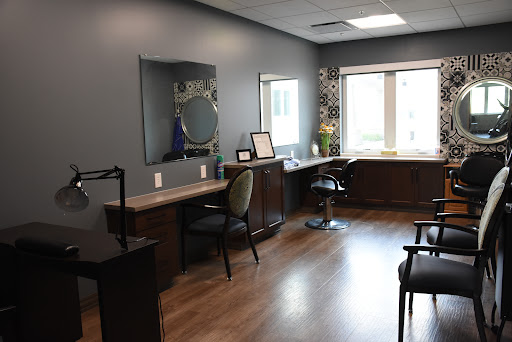
 Beautician on-site
 Cable or satellite TV
 Devotional services off-site
 Dining room
 Full kitchen
 Fully furnished
 Garden
 Housekeeping services
 Indoor common areas
 Move-in coordination
 Outdoor space
 Telephone
 Wi-Fi/high-speed internet available
 Des Moines International (18 miles away)
 24-hour call system
 Ambulatory care
 Assistance with bathing
 Assistance with dressing
 Assistance with transfers
 Diabetes diet
 Diabetic care
 Meal preparation and service
 Medication management
 Mental wellness program
 Special dietary restrictions
 Transportation arrangement (medical)
 Transportation to doctors appointments
 Bible study group
 Cards / pinochle club
 Cooking classes
 Current events club
 Day trips and outings
 Live musical performances
 Stretching classes



 Assisted Living Support for Veterans: A Complete and Detailed Overview
 Exploring the Contrasts Between Assisted Living and Skilled Nursing
 8 Key Indicators That Suggest It May Be Time to Transition from Assisted Living to Skilled Nursing Care