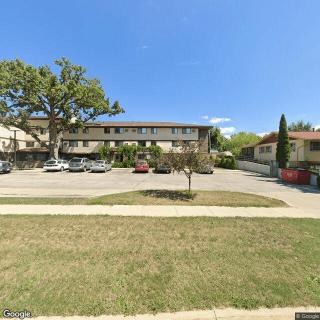
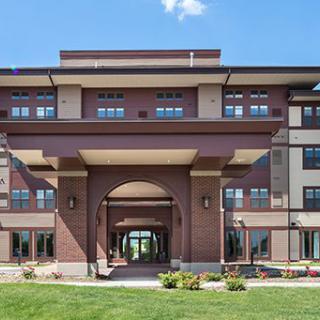
1799 Fifth Street, Coralville, IA 52241
To contact a resident: (319) 351-2386
For more information about senior living options: (866) 208-4318
Coralville Senior Residences Costs & Pricing
Coralville Senior Residences offers a competitively priced option for seniors seeking comfortable living arrangements, with monthly costs for a one-bedroom unit set at $670. This figure stands in stark contrast to the average expenses observed in Johnson County, which reach approximately $2,698, and even higher at the state level in Iowa, where the average cost is around $2,862. By providing significant savings compared to both county and state averages, Coralville Senior Residences not only delivers affordability but also fosters an inviting community atmosphere where seniors can thrive comfortably without the financial strain typically associated with senior living.
| Floor plans | Coralville Senior Residences | Johnson County | Iowa |
|---|---|---|---|
| 1 Bedroom | $670 | $2,698 | $2,863 |
Senior living communities with a similar price nearby
-
from +$100 / mo
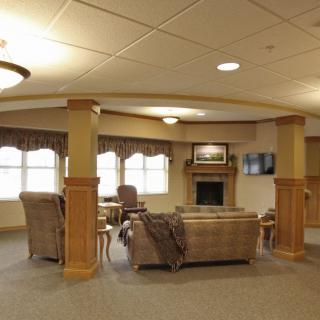
Highland Ridge
$770 to $3,295 / month21.5 miles away -
About the same
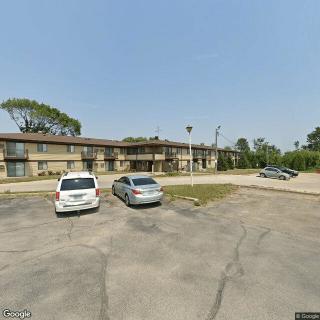
Cedar Village Senior Residences
$673 / month21.4 miles away -
from +$29 / mo
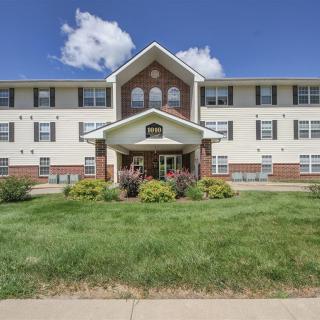
Regency Heights
$699 to $850 / month5.6 miles away -
from -$60 / mo
Irving Point
$610 / month20.9 miles away -
from +$72 / mo
Oak Village Senior Residences
$742 / month24.0 miles away
Overall Review of Coralville Senior Residences
Pros
 The staff was friendly and answered questions.
- It was a clean community.
- They like this place.
- They like it best so far.
Cons
 The facility did not have enough care assistance.
- The sister needed a bigger room to suit her needs.
- The community was not the right fit.
- The community was very depressing.
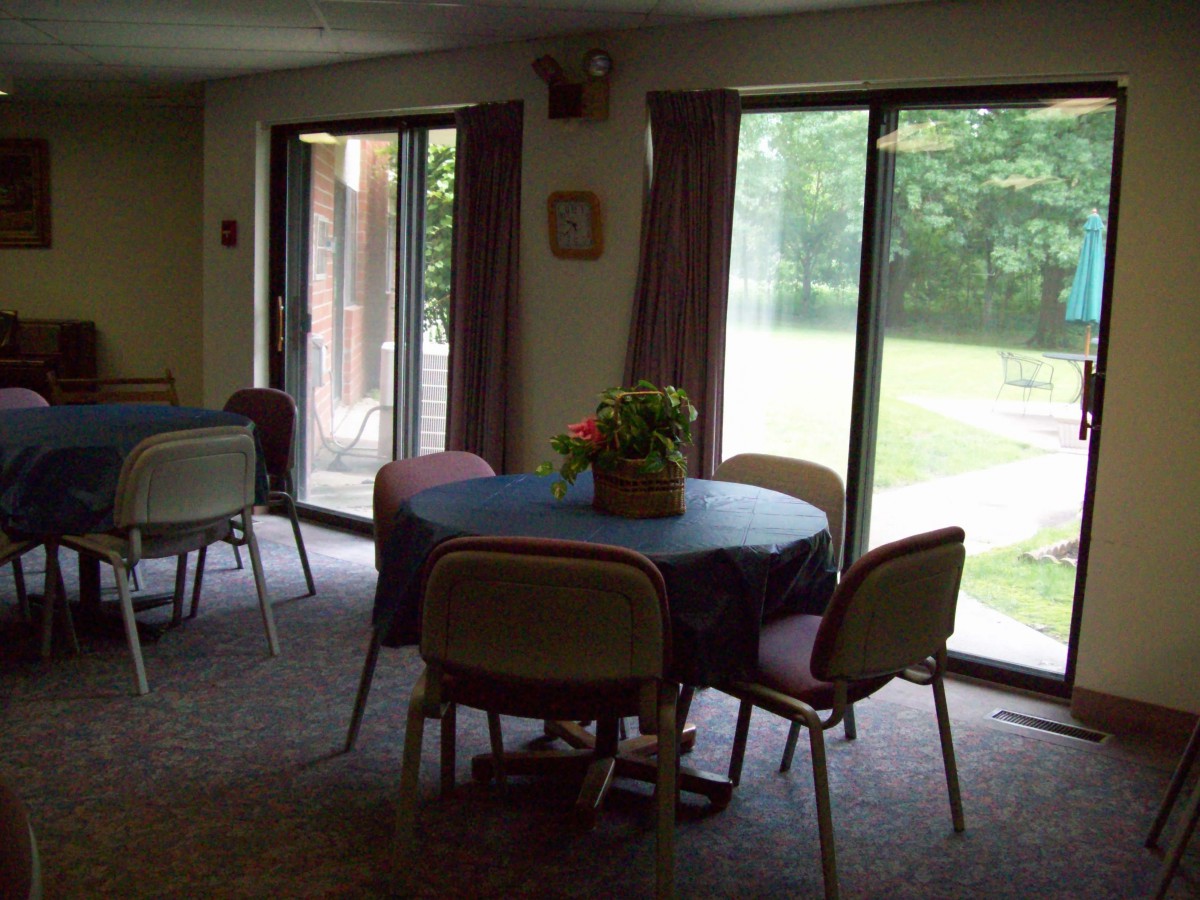
- It was dark and outdated.
- There were unpleasant odors.
- There was no reserved parking; it was first-come, first-served.
- The rooms had no laundry options and the process was very confusing.
- The tour was not a pleasant experience.
Review
Coralville Senior Residences is best suited for seniors who want a straightforward, budget-conscious assisted-living option with dependable, friendly staff and a clean, orderly environment, and who do not demand high-end amenities or modern interiors. This community works well for residents with low-to-moderate care needs who can tolerate a more traditional, older-style setting. Families should have realistic expectations about room sizes, conveniences, and atmosphere. For those whose priority is robust care, larger private accommodations, or a contemporary, bright ambiance, this is likely not the ideal fit.
Alternatives should be strongly considered for anyone who requires more intensive assistance, larger or more flexible living spaces, or conveniences like in-room laundry and guaranteed resident parking. The pattern in the feedback suggests that residents who need substantial daily support, frequent assistance, or who place a premium on modern design and ease of use may find this community lacking. Likewise, families who value streamlined tours, clear processes, and up-to-date amenities may want to compare nearby options before deciding.
The most consistent positives revolve around people and cleanliness. Staff responsiveness and a friendly approach show through in interactions, and the facility is described as clean and well-maintained on the surface. For families seeking reassurance that a facility will be orderly and that questions will be answered with courtesy, these are meaningful strengths. The willingness of staff to engage during tours or inquiries can translate into a sense of trust, even when other aspects don’t align with every resident’s preferences. In this light, the community earns credibility as a dependable, low-stress option for those prioritizing personal touch over polish.
Yet the drawbacks are pronounced and consistent enough to influence day-to-day satisfaction. The environment is described as dark, outdated, and sometimes depressing, with odors that some find off-putting. Practical irritants pile up: lack of in-room laundry means trips to another area and a process that feels confusing; no reserved parking for residents, with parking on a first-come basis, adds daily friction and uncertainty. These elements matter deeply forAnyone managing groceries, medications, or the routine logic of daily life. For residents who prize a bright, welcoming atmosphere and straightforward, resident-focused logistics, these issues are not easily dismissed.
From a decision-making standpoint, the balance tilts toward the pros only for families who can tolerate or overlook the aesthetic and logistical gaps in exchange for proven staff attentiveness and solid cleanliness. The clean, friendly baseline can offset some of the inconveniences if care needs remain modest and the daily routine can be navigated around the parking and laundry quirks. However, for households where in-room amenities, a lighter maintenance burden, or a modern, cheerful environment are nonnegotiable, the cons are likely to overwhelm the perceived benefits. The waiting-list dynamic also indicates genuine demand, which can be a positive signal for some families but may translate into a longer commitment without the comfort of immediate access.
In practical terms, this community makes sense as a temporary or longer-term option for residents who value personal warmth and dependable staffing over contemporary finishes or highly convenient amenities. Before moving forward, families should verify current care levels offered, confirm any plans to modify room configurations or add in-room laundry options, and clearly map parking logistics. A candid conversation about renovation timelines, fee structures, and what “first-come” parking means in practice will reveal whether the positives can fully offset the notable drawbacks. If the answer leans toward needing more comprehensive care, more modern surroundings, or easier resident logistics, exploring nearby alternatives with stronger alignment to those priorities is prudent. Coralville Senior Residences holds value for the right type of resident, but that fit is selective and should be tested against concrete care needs and daily living preferences.
 Active Adult Communities (55+)
 Cats allowed
 Dogs allowed
 Bath tubs
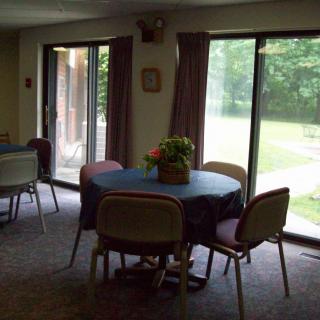
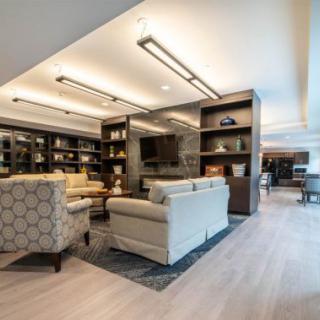
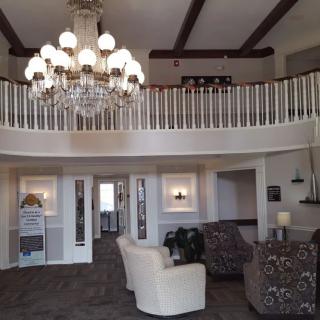
 Indoor common areas
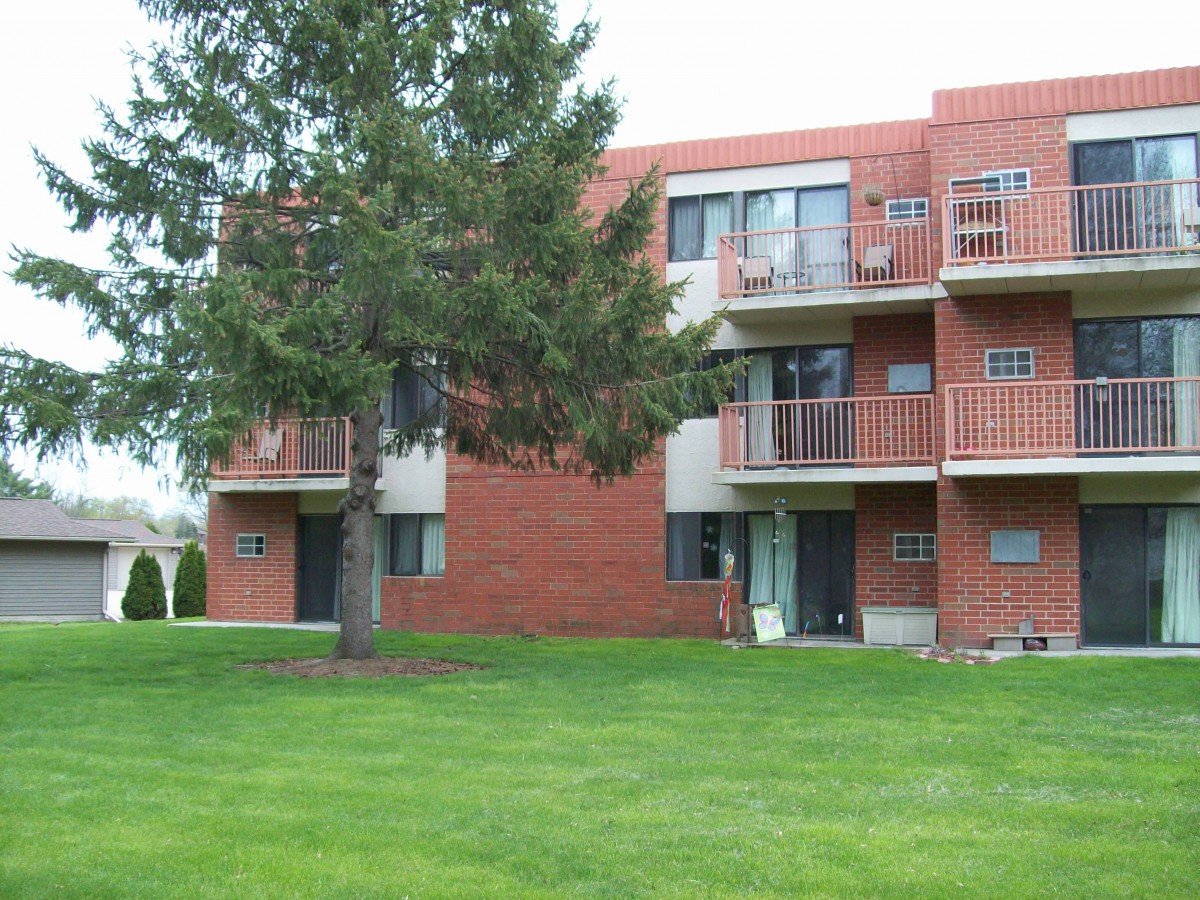
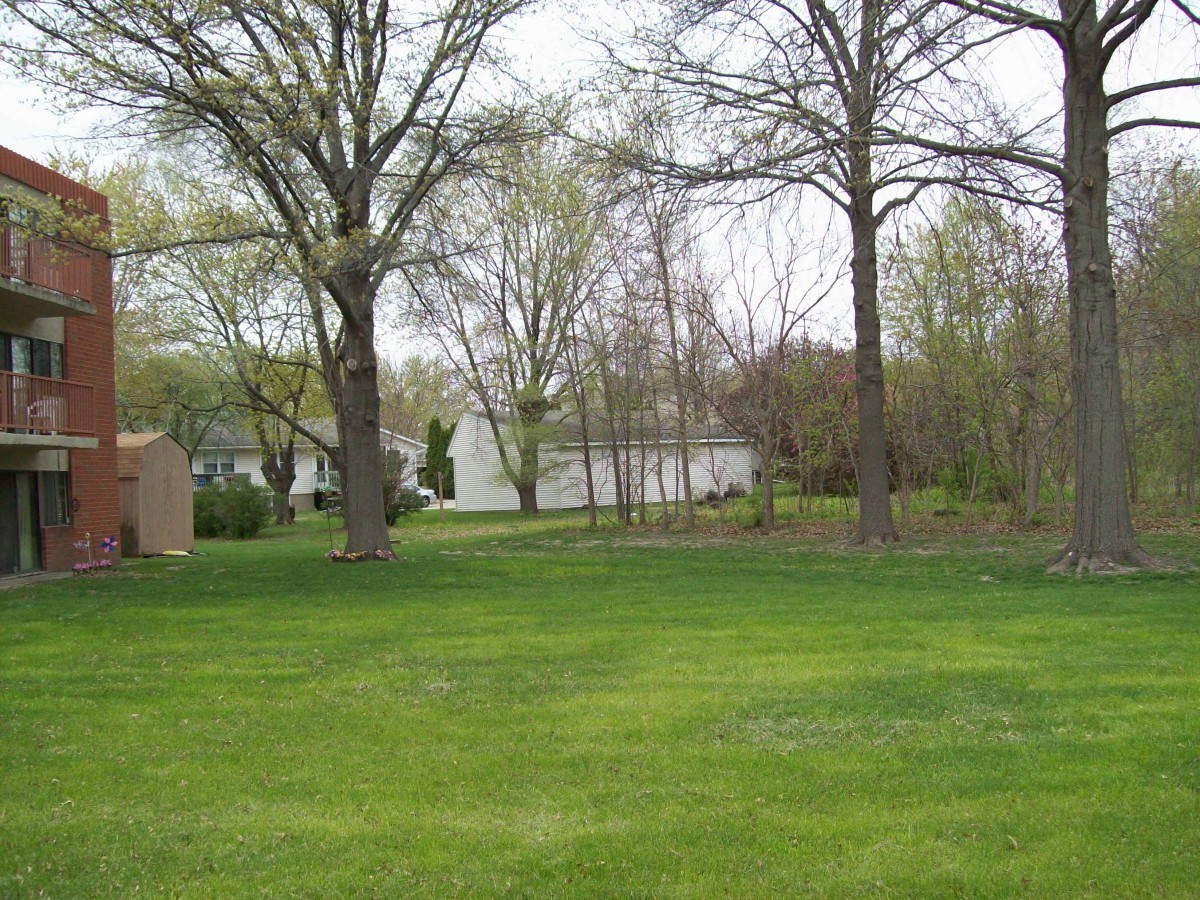
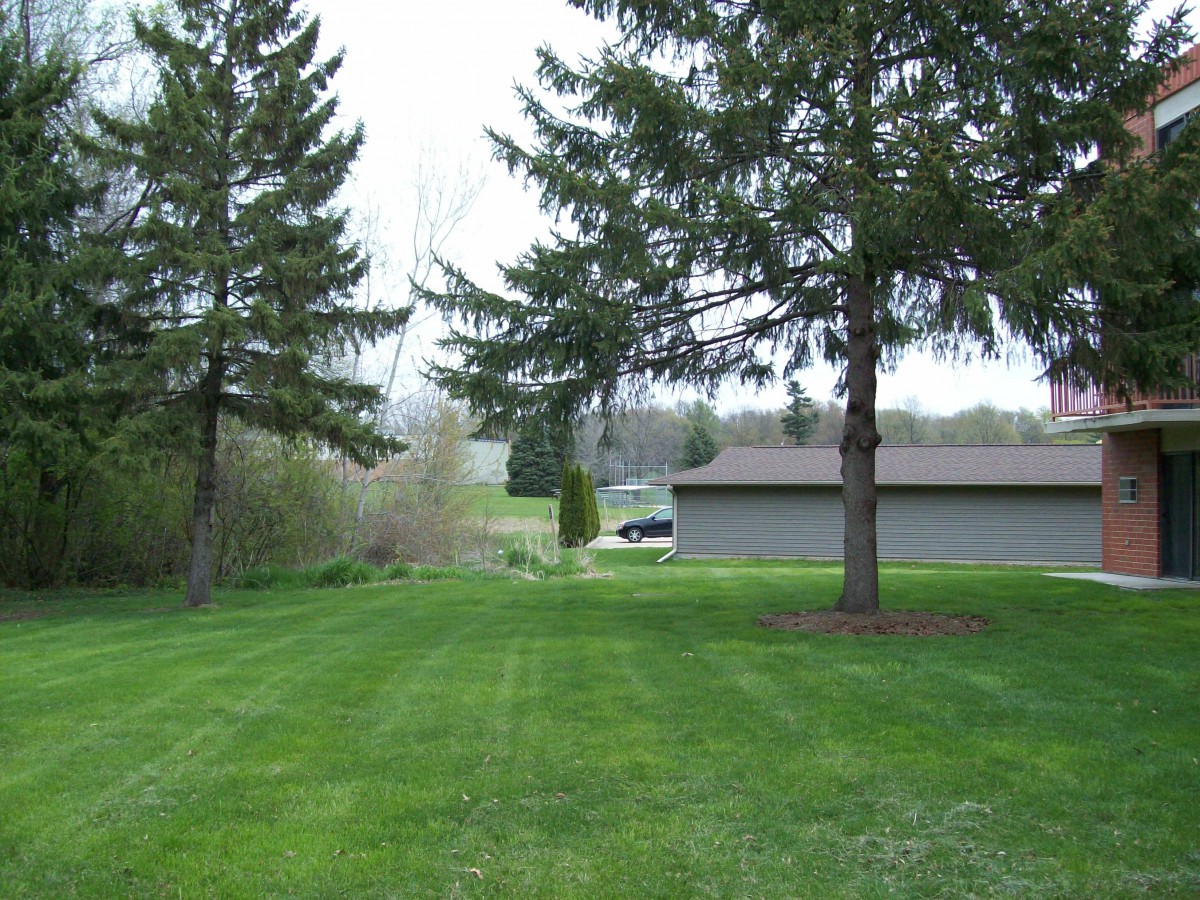
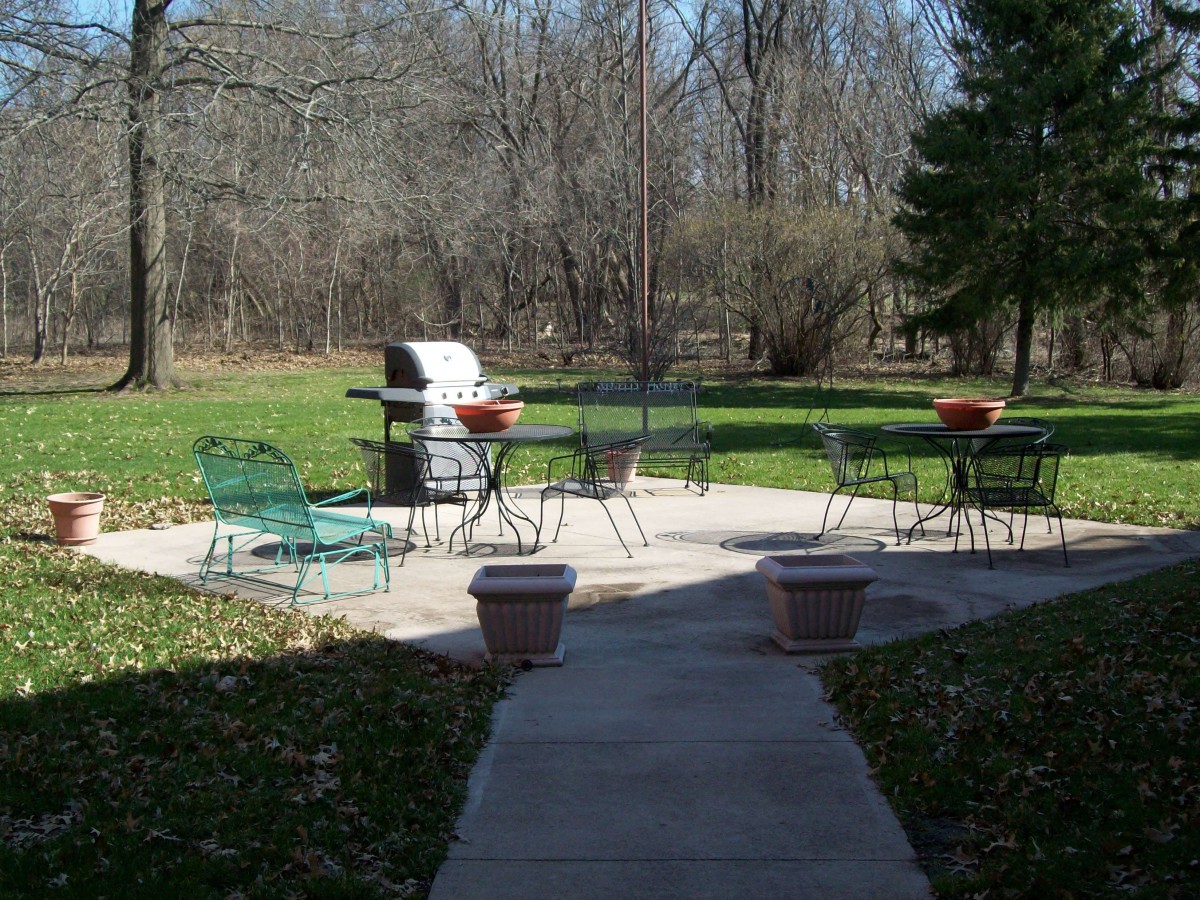
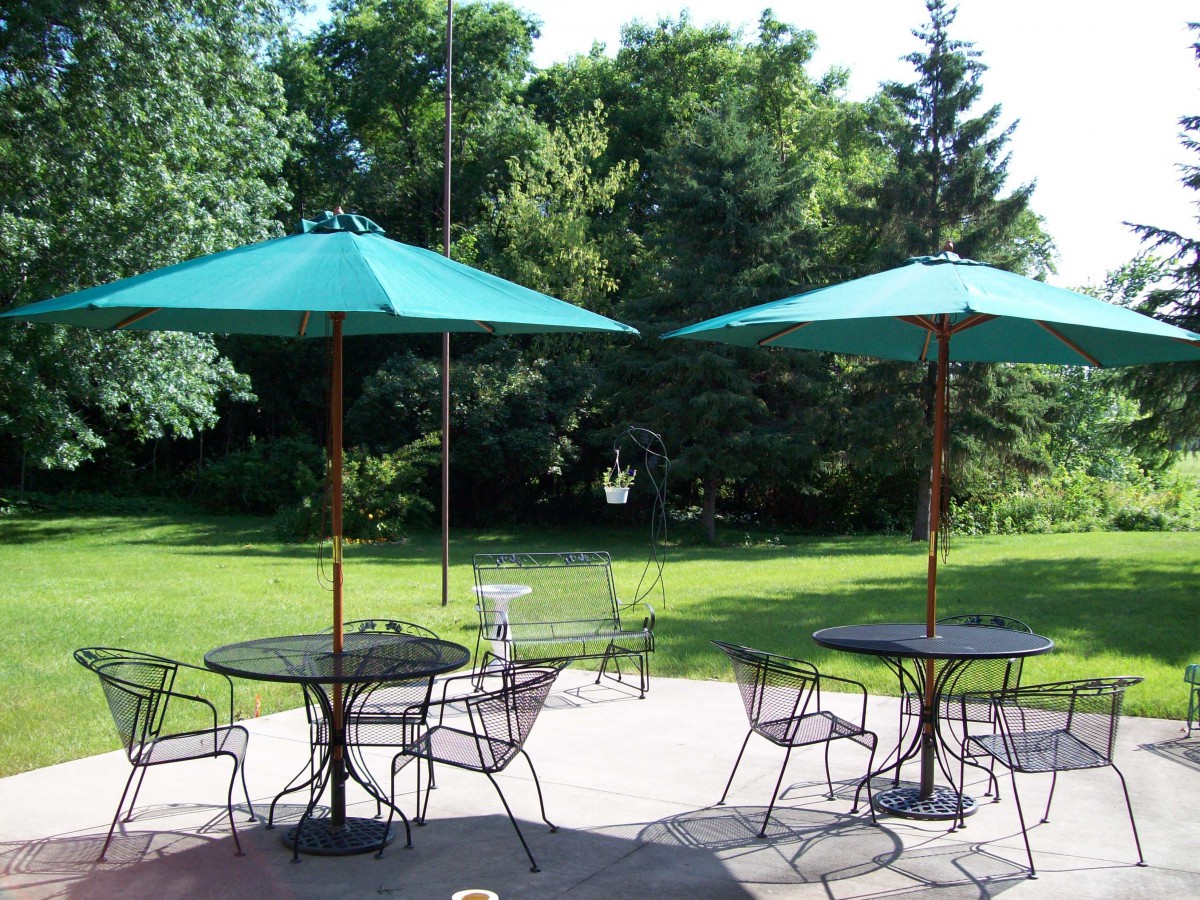
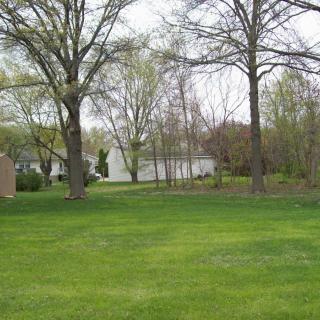
 Outdoor common areas
 Eastern Iowa (16 miles away)

 Comprehensive Look at Senior Blood Pressure Charts: Normal and Elevated Levels by Age
 Top Canine Companions for Older Adults
 Comprehensive Guide to Blood Pressure Charts for Older Adults: Understanding Normal and High Readings by Age