
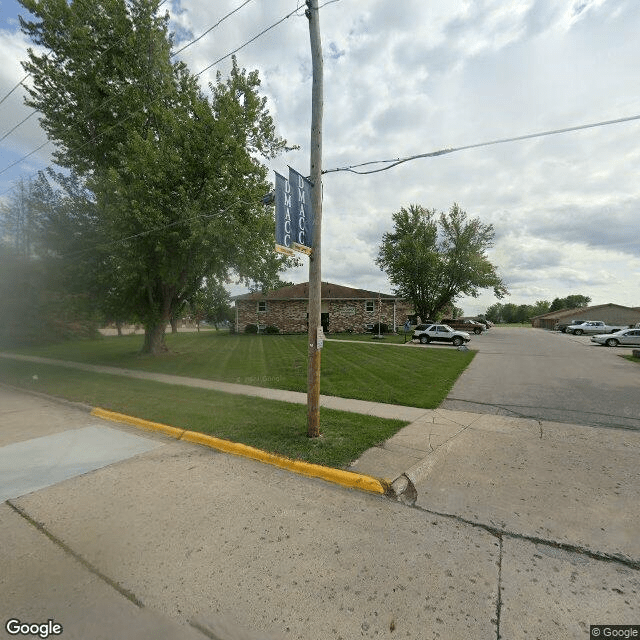
1130 Hancock Drive, Boone, IA 50036
To contact a resident: (515) 230-4490
For more information about senior living options: (866) 208-4318
Hancock Apartments Costs & Pricing
Hancock Apartments offer competitive pricing in the context of both Hamilton County and the broader state of Iowa. For a one-bedroom unit, residents can expect to pay $575 per month, which aligns perfectly with the average rental cost in Hamilton County but stands in stark contrast to the significantly higher state average of $2,862. Similarly, for a two-bedroom apartment, the monthly rent is set at $675 - again matching local county rates while remaining well below Iowa's statewide average of $3,329. This positions Hancock Apartments as an attractive option for prospective renters seeking affordability without compromising on quality within the region.
| Floor plans | Hancock Apartments | Hamilton County | Iowa |
|---|---|---|---|
| 1 Bedroom | $575 | $575 | $2,863 |
| 2 Bedrooms | $675 | $675 | $3,329 |
Overall Review of Hancock Apartments
Pros
 Residents enjoyed living at Hancock Apartments; neighbors are friendly and respectful, and management is always available for any needs.
- The building is nice, quiet, and clean, with secure entry and timely maintenance, and it has a great location.
- Jerry and Don were extremely nice.
Cons
 Her mom would not be able to navigate the steps.
Review
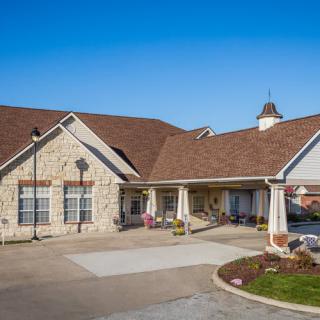
Hancock Apartments in Boone is best suited for independent seniors who want a quiet, well-maintained living environment with friendly neighbors, reliable on-site management, and a secure, convenient location. This community rewards residents who value low-stress daily life, where upkeep is orderly, and concerns are promptly addressed. It is a solid fit for those who can manage their own routines, can navigate stairs without difficulty, and do not require structured care or on-site medical oversight. Families seeking a higher level of assistance or accessibility options beyond standard apartment living should consider alternatives.
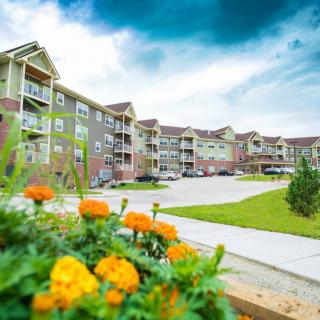
The strongest selling points center on people and process. Neighbors are consistently described as friendly and respectful, creating a stable, supportive atmosphere that reduces social friction and isolation. Management is noted for accessibility, quickly addressing needs and inquiries which translates into fewer headaches for residents and their families. The building itself is quiet and clean, with a secure entry that enhances safety for a population that values privacy and control over who enters the premises. Maintenance is described as timely, preventing small problems from becoming disruptive, which is crucial for ongoing comfort.
A clear caveat comes with mobility and entry access. One reviewer highlighted that their mother “would not be able to navigate the steps,” underscoring a functional barrier for residents with limited mobility or who rely on walkers or wheelchairs. The absence of an elevator is implied rather than stated, and the stair access can be a significant daily obstacle for those contemplating long-term independence. While the staff care and community feel are strong, this physical limitation can erode the benefits for individuals who need easier access to common spaces or who anticipate increasing mobility challenges over time.
When weighing pros and cons, the positive elements strongly offset the drawbacks for a subset of potential residents. The friendly, respectful neighborhood dynamic, coupled with responsive management and a clean, secure environment, creates a dependable backdrop for stable living. The convenient location adds practical value, shortening trips to groceries, services, and casual social opportunities. For someone who can manage stairs, the overall quality of life at Hancock appears robust: minimal nightly disturbances, predictable maintenance, and a sense of belonging within a tight-knit community.
Nevertheless, it is prudent to direct attention to who may want alternatives. Prospective renters with limited mobility or those who anticipate needing hands-on assistance should explore options with zero-step entry, an elevator, or on-site caregiving services, features more common in traditional assisted living settings or single-level independent living communities. Families seeking meals, daily nursing, or more structured social programming may find Hancock’s offerings do not align with those needs. Even so, for seniors who prize independence, a quiet environment, and a friendly, well-managed building, Hancock remains a compelling choice.
In the end, Hancock Apartments deliver a practical, well-run option for independent seniors who prize quiet surroundings, neighborly rapport, and dependable management. The key decision hinges on mobility and future accessibility needs: if stairs are workable now and independence trumps on-site care, this community offers real value and peace of mind. If accessibility, elevator access, or scheduled care are non-negotiables, families should confidently broaden the search to alternatives designed around those requirements, ensuring the selected option aligns with both current capabilities and anticipated future needs.
 Active Adult Communities (55+)

 Comprehensive Guide to Blood Pressure Charts for Older Adults: Understanding Normal and High Readings by Age
 Financing Long-Term Nursing Home Care Through Social Security: A Thorough Exploration
 Essential Knowledge on Pneumonia in Older Adults