Maple Manor Village in Aplington, IA

Save
Maple Manor Village Maple Manor Village

Maple Manor Village in Aplington, IA

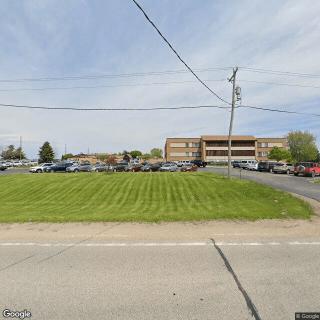
343 Parriott, Aplington, IA 50604

For more information about senior living options: (844) 490-3973

3.8 from 5 reviews
5 stars
3
4 stars
0
3 stars
1
2 stars
0
1 stars
1

Overall Review of Maple Manor Village

Pros

  • pro The staff are welcoming and treat residents like family.
  • pro The continuum of care with Assisted Living, Skilled Care, and Long Term Care is very beneficial in their rural area.
  • pro He is getting good care at Maple Manor Village.
  • pro The cook takes good care of dad.
  • pro The staff try as hard as they can.

Cons

  • pro The staff at Maple Manor Village are not professional.
  • pro They do not truly care about residents.
  • pro The facility is understaffed; there were only three CNAs and one nurse per shift for about 24 residents, which stretches the staff thin.
  • pro Residents have to push a call button to summon help, delaying assistance.
  • pro The facility feels like a typical nursing home, which is sad.
  • pro Rising rates are a concern, making care less affordable.
  • pro Moderate care costs exceed $1,000 per month, and full-time residency could run about $8,000 per month.

Review

Maple Manor Village in Aplington, IA is best suited for families seeking a single-campus option that covers assisted living, skilled nursing, and long-term care in a rural setting. This community works well for seniors who prize a warm, family-like staff atmosphere and a straightforward path as needs evolve. In practical terms, it serves residents who want to avoid periodic moves to different towns or facilities, and who value the stability of staying within the same small community while accessing higher levels of care as required. It is especially appropriate for couples or individuals who anticipate a gradual transition rather than an abrupt relocation later in life.

There are clear boundaries where alternatives should be considered. If staffing reliability and professional standards are non-negotiable, Maple Manor Village may require careful scrutiny, since some reviews flag concerns about professionalism and responsiveness. If a resident’s condition demands aggressive daily therapy, frequent hands-on rehabilitation, or very high nurse-to-resident ratios, this campus may feel under-equipped at times. Cost is another decisive factor: moderate care can exceed $1,000 per month, and full-time long-term residency has been cited around $8,000 monthly. Families weighing long horizon plans or tighter budgets may want to compare pricing structures and consider facilities with more transparent or stable pricing, stronger staffing models, or different rehab intensity.

On balance, the strongest positives can meaningfully offset the downsides for many families. The continuum of care is a standout feature, residents can move from assisted living into skilled nursing, and eventually long-term care, without leaving Maple Manor Village or re-establishing connections in a new community. Staff are described as welcoming and capable of treating residents like family, which translates into everyday warmth, personalized attention, and a sense of belonging that matters as daily routines shift. The on-site kitchen and covertly important nutrition contribute to comfort and morale, a practical benefit when energy and appetite influence recovery and overall well-being. For rehab needs, Medicare and other insurance coverage can help manage costs during the recovery phase, which can be a significant relief for families facing a short-term rehabilitation plan.

The drawbacks are real and demand attention. Staffing pressure is the most persistent concern: reports of low nurse-to-resident ratios and multiple shifts stretched thin can affect responsiveness and consistency of care. Descriptions calling the operation “typical nursing home” reflect systemic challenges common to rural facilities, including remodeling efforts and occupancy fluctuations that strain resources. These realities help explain price sensitivity; while some families experience relief from Medicare-covered rehab, long-term rates can be daunting, undermining confidence in budget predictability. Therapy frequency is another friction point; a daily 30-minute physical therapy session, with the resident responsible for prompting attention, may slow progress for those focused on aggressive recovery goals. Even when food is praised, the combination of staffing strain and cost concerns leaves a gap in overall satisfaction for some residents and families.

For families evaluating Maple Manor Village, practical due diligence makes all the difference. Inquire about current shift staffing levels, actual patient-to-staff ratios by time of day, and the typical response time to calls. Obtain a concrete rehab schedule that shows how often therapy is delivered beyond the once-daily session, and confirm what is included in each pricing tier, what is covered by Medicare, what requires private payment, and how costs may change if care needs escalate. Talk to current residents or family members to capture a real-world sense of day-to-day operations, responsiveness, and the emotional climate on the floor. Compare with nearby facilities that offer stronger staffing or more intensive rehabilitation programs, and ask about wait times for transitions between levels of care. A thorough site visit, with direct observation of staff interactions and resident engagement, will reveal whether Maple Manor Village aligns with the specific expectations and rhythms of the loved one.

In the end, Maple Manor Village occupies a distinct and practical niche: a rural, campus-style community that can deliver continuity of care and a home-like, family-oriented atmosphere when those attributes matter most. For families prioritizing a seamless progression through care levels, reliable access to on-site dining, and a sense of community that reduces the emotional burden of aging in place, Maple Manor Village offers a credible solution. Yet the facility is not a universal fit. Staffing realities and the potential for substantial long-term costs warrant careful scrutiny, especially for residents who require high-intensity daily therapy or whose budgets demand tighter predictability. If those criteria are decisive, exploring alternatives with stronger staffing ratios, more aggressive therapy protocols, or clearer, more stable pricing may prove wise. Maple Manor Village should be on the short list for consideration, but only after a rigorous comparison of staffing quality, therapy cadence, and long-range financial implications.

Features

Housing

  • 36 resident community capacity 36 resident community capacity
  • 1-bedroom apartments 1-bedroom apartments1-bedroom apartments are important for seniors because they provide a sense of independence, privacy, and autonomy while still offering the necessary space for comfortable living. These apartments allow seniors to maintain their own personal space and lifestyle preferences in a supportive community setting.
  • 2-bedroom apartments 2-bedroom apartments2-bedroom apartments are important for seniors because they provide extra space for guests, hobbies, and caregivers, as well as potential for additional income through roommates or rental.
  • 3-bedroom apartments 3-bedroom apartments3-bedroom apartments are important for seniors as they provide ample space for visiting family, caregivers, or live-in assistance. This extra room can also be utilized for hobbies, storage, or a home office, allowing seniors to maintain independence and flexibility in their living arrangements.
  • Condos / townhomes Condos / townhomesCondos and townhomes provide seniors with a low-maintenance, community-oriented living option that allows for social interaction and access to amenities while also offering the freedom of independent living.
  • Detached homes Detached homesDetached homes are important for seniors because they provide independence and privacy, allowing them to maintain a sense of autonomy in their living space. Additionally, detached homes often offer more space for hobbies and activities, as well as outdoor areas for gardening or relaxation. This can contribute to a better quality of life and overall well-being for seniors.
  • Studio apartments Studio apartmentsStudio apartments are important for seniors because they offer a smaller, more manageable living space that is easier to navigate and maintain as physical abilities decline. Additionally, studio apartments provide seniors with independence and privacy while still being part of a community that offers support and social opportunities.

Types of Care

  • Assisted Living Assisted LivingAssisted living facilities provide crucial support and care for seniors who may need help with daily tasks such as medication management, bathing, and meal preparation. These communities offer a safe and comfortable environment where seniors can maintain their independence while receiving the assistance they need to thrive in their golden years.

Amenities

  • Beautician on-site Beautician on-siteHaving a beautician on-site at a senior living community is important for seniors as it allows them to easily access grooming and personal care services, boosting their self-esteem and overall well-being. It also provides convenience and helps seniors maintain their sense of independence and personal style.
  • Beauty salon Beauty salonBeauty salons are important for seniors because they provide a space for them to feel pampered, socialize, and maintain their personal grooming and hygiene. Regular visits to a beauty salon can help boost seniors' self-esteem and overall well-being.
  • Cable or satellite TV Cable or satellite TVCable or satellite TV is important for seniors because it provides entertainment, news, and companionship, helping to combat loneliness and boredom. It also offers a wide range of programming options tailored to different interests and preferences.
  • Computer center Computer centerA computer center is essential for seniors as it provides access to technology, communication tools, and resources that can enhance their daily lives. It allows them to stay connected with loved ones, engage in online activities, and learn new skills, ultimately promoting socialization and mental stimulation.
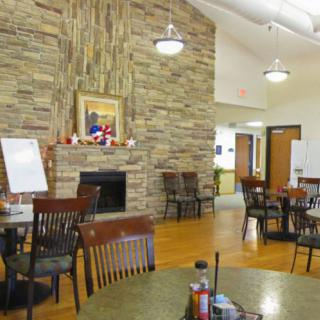
  • Dining room Dining roomDining rooms are important for seniors as they provide a space for socialization, connection, and nutritious meals. They offer opportunities for residents to bond over shared meals, foster a sense of community, and promote healthy eating habits. Dining rooms also ensure that seniors have access to well-balanced meals tailored to their dietary needs and preferences.
  • Financial aid Financial aidFinancial aid is crucial for seniors as it can help them cover the costs of essential living expenses such as housing, food, and healthcare. Many seniors have limited incomes and savings, so financial assistance programs can provide them with the necessary support to maintain a decent quality of life in their retirement years.
  • Financing advice Financing adviceFinancing advice is crucial for seniors as they navigate the complexities of retirement planning, including managing fixed incomes, healthcare costs, and potential long-term care needs. Proper financial guidance can help ensure seniors maintain financial stability and security in their golden years.
  • Full kitchen Full kitchenHaving a full kitchen in a senior living facility is important for seniors because it allows them to maintain their independence and prepare their own meals. This promotes healthy eating habits, saves money on dining out, and provides a sense of familiarity and comfort for residents.
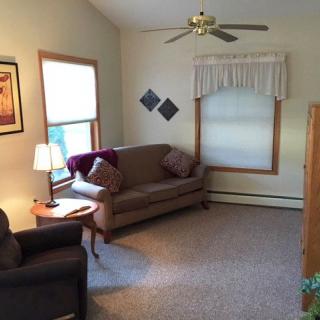
  • Fully furnished Fully furnishedFully furnished senior living communities are important for seniors because they provide convenience, comfort, and a hassle-free moving experience. Seniors can easily settle into their new living space without the stress of having to buy and move furniture. This allows them to focus on enjoying their new home and community.
  • Garden GardenGardens are important for seniors as they provide a peaceful and therapeutic environment for relaxation, physical activity, and socialization. Being in nature has been shown to reduce stress, improve mood, and promote overall well-being. Gardens also offer opportunities for seniors to engage in gardening activities, which can improve mobility, flexibility, and cognitive function. Additionally, gardens create a sense of community and connection with others who share a passion for plants and outdoor spaces.
  • Guasts at mealtime Guasts at mealtime"Guests at mealtime" offer seniors the opportunity for social interaction, companionship, and a sense of community during meals, which can help combat feelings of loneliness and isolation commonly experienced in senior living environments. It can also enhance their overall dining experience and improve their mental and emotional well-being.
  • Hiking trails Hiking trailsHiking trails are important for seniors as they provide opportunities for exercise, socialization, and connecting with nature. This physical activity can help improve overall health and well-being, while also promoting mental clarity and reducing stress. Additionally, hiking can be a fun and enjoyable way for seniors to stay active and engaged in their community.
  • Home sale assistance Home sale assistanceHome sale assistance is important for seniors because it can help alleviate the stress and complexities of selling their home. This service can provide guidance, support, and practical assistance throughout the entire selling process, allowing seniors to transition to a new living situation with ease and peace of mind.
  • Housekeeping services Housekeeping servicesHousekeeping services are important for seniors because they help maintain a clean and safe living environment, promote independence, and reduce the risk of accidents or illnesses. Additionally, having assistance with household chores can alleviate physical strain and allow seniors to focus on other aspects of their well-being.
  • Kitchenette KitchenetteKitchenettes are important for seniors living in senior living communities because they provide the convenience and independence of being able to prepare simple meals and snacks in the comfort of their own living space. This can help promote a sense of autonomy and well-being for seniors, allowing them to maintain some level of control over their dietary choices and daily routines.
  • Laundry LaundryLaundry services are important for seniors as they may have difficulty with physical tasks such as bending, lifting, or carrying heavy loads. Having access to laundry services can help seniors maintain personal hygiene, cleanliness, and independence in their daily lives.
  • Move-in coordination Move-in coordinationMove-in coordination is important for seniors because it helps ease the transition into their new living environment. It ensures that all logistics, such as packing, organizing movers, and setting up utilities are taken care of, allowing seniors to focus on settling in and adjusting to their new home. Having a smooth move-in process can alleviate stress and anxiety, making the transition smoother and more enjoyable for seniors.
  • Outdoor space Outdoor spaceOutdoor spaces are important for seniors as they provide opportunities for physical activity, social interaction, exposure to natural light and fresh air, and a sense of connection to nature. Having access to outdoor spaces can improve overall well-being and quality of life for older adults living in senior communities.
  • Party space Party spaceHaving access to party space is important for seniors as it provides opportunities for socialization, connection, and enjoyment. These spaces allow seniors to celebrate special occasions, host gatherings with friends and family, and participate in community events, enhancing their overall well-being and quality of life.
  • Resident parking Resident parkingResident parking is crucial for seniors in a senior living community as it provides convenience, accessibility, and safety for residents who may have limited mobility or rely on personal vehicles for transportation. Having designated parking spaces ensures that seniors can easily access their homes without having to walk long distances or navigate crowded parking lots, ultimately enhancing their overall quality of life and sense of independence.
  • Respite or short term stays offered Respite or short term stays offeredRespite or short term stays provide seniors with a temporary solution when their regular caregiver is unavailable, offering them the opportunity to receive additional care and support during times of need, while also giving caregivers a chance to rest and recharge.
  • Restaurant-style dining Restaurant-style diningRestaurant-style dining is important for seniors because it allows them to enjoy delicious, nutritious meals in a social and upscale setting. This enhances their dining experience, promotes healthy eating habits, and fosters socialization with fellow residents, ultimately contributing to their overall well-being and quality of life.
  • Small library Small librarySmall libraries are important for seniors as they provide access to a variety of reading materials, including books, newspapers, and magazines. This can help stimulate their minds, keep them engaged, and provide a sense of community through book clubs and other social activities. Additionally, reading has been shown to improve cognitive function and overall mental well-being in older adults.
  • Spa SpaSpas are important for seniors because they provide relaxation, stress relief, and therapeutic benefits which can improve their overall well-being and quality of life. Additionally, spa treatments such as massages, hydrotherapy, and aromatherapy can help alleviate common age-related ailments such as arthritis, joint pain, and circulation issues. Seniors deserve to enjoy a pampering experience that promotes physical and emotional wellness.
  • TV room TV roomTV rooms are important for seniors in senior living communities because they provide a space for social interaction, entertainment, and relaxation. Watching TV can help reduce feelings of loneliness and boredom, and create a sense of community among residents. Additionally, TV rooms offer a break from daily routines and can be a source of comfort and familiarity for seniors.
  • Telephone TelephoneTelephones are important for seniors as they provide a lifeline for communication with loved ones, emergency services, and healthcare providers. They offer a sense of security and independence, enabling seniors to stay connected and access assistance when needed.
  • VA Benefits Consultation VA Benefits ConsultationVA Benefits Consultations are important for seniors because they provide valuable information on the benefits and resources available to them as veterans. These consultations can help seniors access financial assistance, healthcare services, and other support that can greatly improve their quality of life in their later years.
  • Wi-Fi/high-speed internet available Wi-Fi/high-speed internet availableWi-Fi/high-speed internet is important for seniors to stay connected with loved ones, access online resources, and participate in virtual activities to combat feelings of loneliness and isolation. It also allows them to easily manage healthcare needs, access entertainment, and engage in lifelong learning opportunities.

Transportation

  • Waterloo Municipal (24 miles away) Waterloo Municipal (24 miles away)
  • Transportation & parking Transportation & parkingTransportation and parking are vital for seniors as they offer access to essential services, activities, and social interactions. Reliable transportation options can help seniors maintain independence, stay connected within their community, and enjoy a higher quality of life. Additionally, convenient parking facilities ensure that seniors can easily access necessary resources and amenities without added stress or difficulty.

Care Services

  • 24-hour call system 24-hour call system24-hour call systems are important for seniors because they provide peace of mind and immediate assistance in case of emergencies. This technology ensures that help is always available, promoting safety and security for elderly individuals living alone or in assisted living facilities.
  • 24-hour supervision 24-hour supervision24-hour supervision is important for seniors to ensure their safety, well-being, and access to immediate assistance in case of emergencies or health issues. This constant support provides peace of mind for both seniors and their loved ones, allowing them to age in place with dignity and security.
  • Activities of daily living assistance Activities of daily living assistanceActivities of daily living assistance are important for seniors because they provide essential support with tasks such as eating, bathing, dressing, and mobility. This assistance helps seniors maintain their independence, dignity, and overall quality of life as they age.
  • Assistance with bathing Assistance with bathingAssistance with bathing is crucial for seniors as it helps maintain personal hygiene, prevents infections, and ensures their overall well-being and comfort. It also provides a sense of dignity and independence for seniors who may struggle with this task on their own.
  • Assistance with dressing Assistance with dressingAssistance with dressing is important for seniors because it helps maintain their independence, promotes personal hygiene, prevents accidents and injuries, and improves overall quality of life. This service ensures that seniors can continue to dress comfortably and confidently, despite any physical limitations they may have.
  • Assistance with transfers Assistance with transfersAssistance with transfers is crucial for seniors as it helps prevent falls and injuries, maintains their independence, and ensures they can safely navigate their living environment. It also provides peace of mind for both seniors and their loved ones.
  • Diabetes diet Diabetes dietA diabetes diet is crucial for seniors as it helps manage blood sugar levels, reduce risks of complications, and improve overall health and well-being. By following a balanced and nutritious diet tailored to their specific needs, seniors can better control their diabetes and enhance their quality of life.
  • Hospice care Hospice careHospice care is important for seniors as it provides specialized end-of-life support, pain management, and emotional comfort for both the senior and their loved ones. It allows seniors to maintain dignity, receive personalized care, and spend their remaining time in a peaceful and comfortable environment.
  • Meal preparation and service Meal preparation and serviceMeal preparation and service are crucial for seniors as they may have limited mobility or energy to cook nutritious meals. Having access to healthy and convenient food options can ensure they are getting the proper nutrition needed to maintain their overall health and well-being.
  • Medication management Medication managementMedication management is crucial for seniors to ensure they are taking the right medications at the correct dosages and times. This helps prevent adverse drug interactions, reduces the risk of medication errors, and promotes overall health and well-being. Proactive management also allows for adjustments as needed based on changing health conditions or new prescriptions.
  • Mental wellness program Mental wellness programMental wellness programs are essential for seniors as they promote cognitive stimulation, emotional support, and social engagement. These programs help prevent isolation, depression, and cognitive decline, ultimately enhancing the overall quality of life for older adults.
  • Physical therapy Physical therapyPhysical therapy is essential for seniors to maintain and improve their mobility, strength, and overall quality of life. It helps reduce pain, prevent falls, and enhance independence in daily activities. By promoting movement and function, physical therapy can help seniors stay active, healthy, and engaged in their communities.
  • Special dietary restrictions Special dietary restrictionsSpecial dietary restrictions are important for seniors because age-related changes in metabolism and health conditions can make it difficult for their bodies to process certain foods. By following a diet tailored to their specific needs, seniors can maintain their overall health and well-being, manage chronic conditions, and reduce the risk of complications such as malnutrition or food interactions with medications.

Dining

  • Diabetes diet Diabetes dietA diabetes diet is crucial for seniors as it helps manage blood sugar levels, reduce risks of complications, and improve overall health and well-being. By following a balanced and nutritious diet tailored to their specific needs, seniors can better control their diabetes and enhance their quality of life.
  • Special dietary restrictions Special dietary restrictionsSpecial dietary restrictions are important for seniors because age-related changes in metabolism and health conditions can make it difficult for their bodies to process certain foods. By following a diet tailored to their specific needs, seniors can maintain their overall health and well-being, manage chronic conditions, and reduce the risk of complications such as malnutrition or food interactions with medications.

Activities

  • Activities off-site Activities off-siteActivities off-site are crucial for seniors as they provide opportunities for socialization, mental stimulation, and physical activity outside of their usual routine. This helps combat feelings of isolation and boredom, promotes overall well-being, and allows seniors to remain engaged in the community.
  • Arts and crafts Arts and craftsEngaging in arts and crafts activities provides seniors with a creative outlet, promotes cognitive function, enhances dexterity and fine motor skills, fosters social interaction, and boosts overall well-being and mental health.
  • Community-sponsored activities Community-sponsored activitiesCommunity-sponsored activities are important for seniors as they provide opportunities for social interaction, mental stimulation, and physical activity. These activities can help improve overall well-being, combat loneliness and isolation, and promote a sense of belonging and purpose among older adults.
  • Cooking club Cooking clubCooking clubs are important for seniors as they provide social interaction, mental stimulation, and the opportunity to learn new recipes and cooking techniques. These clubs also promote healthy eating habits and can improve overall well-being and quality of life for seniors.
  • Fitness programs Fitness programsFitness programs are crucial for seniors as they help improve strength, flexibility, balance, and overall well-being. Staying active can reduce the risk of chronic diseases, improve mental health, and enhance quality of life in older adults.
  • Games GamesGames are an essential part of senior living as they help promote cognitive function, social interaction, and overall well-being. Playing games can improve memory, concentration, and decision-making skills while also providing a fun and engaging way to connect with others. Seniors who participate in games regularly tend to experience higher levels of satisfaction and happiness in their daily lives.
  • Gardening club Gardening clubGardening clubs are important for seniors because they provide a sense of community, promote physical activity and mental well-being, and offer opportunities for socialization and connection with nature. Gardening can also improve cognitive function and overall quality of life for seniors.
  • Resident-run activities Resident-run activitiesResident-run activities are important for seniors as they encourage social interaction, creativity, and a sense of autonomy. These activities empower seniors to stay engaged and active in their community while fostering meaningful connections with their peers.
  • Scheduled daily activities Scheduled daily activitiesScheduled daily activities are important for seniors because they provide structure, socialization, mental stimulation, and physical activity. Engaging in regular activities can improve overall well-being and quality of life for seniors living in a community setting.

Languages Spoken

  • English EnglishEnglish is important for seniors as it allows them to communicate effectively with healthcare providers, understand important information related to their health and medications, stay connected with loved ones, and engage in social activities within their communities. It also opens up opportunities for lifelong learning and intellectual stimulation.

Description

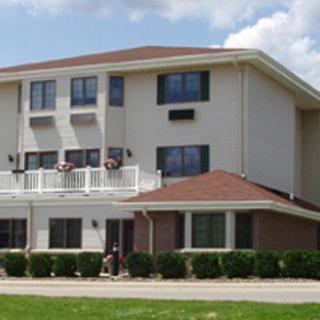
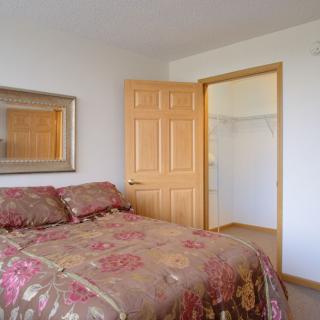
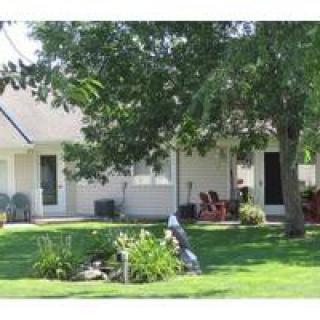
Maple Manor Village in Aplington, IA is an assisted living community that offers a variety of housing options including 2-bedroom apartments, 3-bedroom apartments, condos/townhomes, detached homes, and studio apartments.

Residents at Maple Manor Village can enjoy a range of amenities such as a beauty salon, cable or satellite TV, computer center, dining room, financial aid and financing advice, full kitchen, fully furnished accommodations, garden areas, guests welcome at mealtime, hiking trails for outdoor enthusiasts, home sale assistance for those looking to downsize or move in to the community permanently, housekeeping services to ensure a clean and comfortable environment, kitchenettes for residents who prefer to prepare their own meals or snacks within their living spaces, laundry facilities on-site for convenience and ease of use.

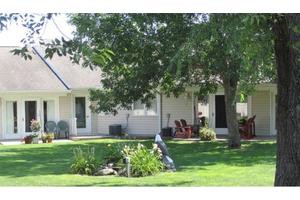
The community also offers various resources such as move-in coordination assistance for new residents looking to transition smoothly into their new homes. Outdoor spaces are available within the facility's grounds where residents can enjoy nature and fresh air. Additionally, there is party space available for social gatherings and special occasions. Resident parking is provided for those who wish to have their own vehicles on-site.

For individuals requiring short-term stays or respite care options are offered. The dining experience at Maple Manor Village is restaurant-style with special dietary restrictions accommodated.

Care services provided include 24-hour supervision by trained staff members who are available to assist with activities of daily living (ADLs) such as bathing and dressing. Assistance with transfers is also available for those who require it. Specialized diets such as diabetes diets can be catered to. Hospice care services are offered along with medication management by trained professionals. Mental wellness programs are available to support emotional health and well-being. Physical therapy services are accessible on-site for those requiring rehabilitation or assistance in improving/maintaining mobility.

Residents at Maple Manor Village can participate in a variety of activities including arts and crafts sessions, community-sponsored events, cooking clubs for culinary enthusiasts, fitness programs to promote physical well-being, games, gardening clubs for green thumbs, and resident-run activities where residents can take charge in planning events or creating their own unique activities. Scheduled daily activities ensure that there is always something fun and engaging happening within the community.

The location of Maple Manor Village is also advantageous as there are two parks nearby for outdoor recreation and relaxation. There is one pharmacy and one physician nearby ensuring easy access to healthcare services. Additionally, with seven restaurants in close proximity along with twelve places of worship, residents have a range of options when it comes to dining out or attending religious services. Furthermore, there is one hospital nearby providing healthcare resources when needed.

Overall, Maple Manor Village offers a comprehensive assisted living experience with various housing options, a wide range of amenities and care services designed to meet individual needs and preferences. The community encourages an active lifestyle through its diverse activity offerings while also providing the necessary support for daily living tasks and medical requirements.

Nearby Places of Interest

Restaurants

  • Peppercorn Pantry (0.5 miles)
  • Stinky's Bar & Grill (0.6 miles)
  • Todd's Neighborhood Grill (4.4 miles)
  • 3 C's Family Restaurant (4.4 miles)
  • Sip N Shop (4.4 miles)
  • Jd's Sports Pub (4.4 miles)
  • Matt's Grill & Bar (4.5 miles)

Places of Worship

  • Aplington Evangelical Church (0.5 miles)
  • Aplington Baptist Church (0.6 miles)
  • Student Connection (0.7 miles)
  • Bethel Reformed Church (2.8 miles)
  • Evangelical Lutheran Synod (4.3 miles)
  • Hope Reformed Church (4.4 miles)
  • Stout Gospel Hall (4.4 miles)

Parks

  • Miracle Park (4.2 miles)
  • Ed Thomas Field (4.9 miles)
  • Big Marsh Wildlife Management Area (5.7 miles)
  • Beaver Roadside Park (9.4 miles)
  • Ackley City Park (12.4 miles)
  • Steamboat Rock Wayside State Park (15.8 miles)
  • Orion Park (16 miles)

Pharmacies

  • Parkersburg Pharmacy (4.4 miles)
  • Stefl Pharmacy (16.1 miles)
  • Manly Drug Store (16.2 miles)
  • Clarksville Pharmacy (17.4 miles)

Physicians

  • Aplington-Parkersburg Family Practice (4.4 miles)
  • Allison Family Practice (12.5 miles)
  • Covenant Clinic (17.1 miles)

Hospitals

  • Parkersburg Medical Center (4.4 miles)
  • Presbyterian Village (9.1 miles)
  • Ackley Medical Center (9.3 miles)
  • Ellsworth Municipal Hospital (9.4 miles)
  • Allison Chiropractic Office (12.5 miles)
  • Allison Health Care Center (12.6 miles)
  • Grundy County Memorial Hospital Emergency Room (16.5 miles)

Transportation

  • Sleepy Creek Tannery & Fur Dressing (10.4 miles)
  • Twin Creek Taxidermy (14.3 miles)
  • U-Haul (15.9 miles)
  • U-Haul Neighborhood Dealer (16 miles)

Theaters

  • Center Theatre (16.1 miles)

Frequently Asked Questions

What floor plans and room types does Maple Manor Village offer?
Where is Maple Manor Village?

Nearby Communities

  • Parker Place

    Parker Place

    Parkersburg, IA

    4.3 from 25 reviews
    $4,400 to $6,100 / month

    pro Friendly staff with engaging activities in a clean, welcoming environment.

  • Prairie Village of Parkersburg

    Prairie Village of Parkersburg

    Parkersburg, IA

    4 from 5 reviews
     

    pro Serene community with easy access to parks, dining, healthcare services, and places of worship.

  • Grand JiVante

    Grand JiVante

    Ackley, IA

    4.3 from 12 reviews
     

    pro Comprehensive care options (including memory care and skilled nursing) with robust amenities.

  • Elm Springs Assisted Living Apts

    Elm Springs Assisted Living Apts

    Allison, IA

    4.9 from 17 reviews
     

    pro Small, intimate community with 24/7 care, medication management, and restaurant-style dining.

  • Dutchman's Oaks Assisted Living

    Dutchman's Oaks Assisted Living

    Dumont, IA

     
    $1,353 to $4,350 / month

    pro Diverse care options in a small, resident-focused community with competitive pricing and notable amenities.

  • Arlington Place Of Grundy Center

    Arlington Place Of Grundy Center

    Grundy Center, IA


    pro Specialized memory care with 24-hour supervision.

  • Bartels Lutheran Retirement Community

    Bartels Lutheran Retirement Community

    Waverly, IA

    3.9 from 7 reviews
     

    pro Continuum of care (CCRC) including independent living, memory care, and skilled nursing.

  • Pillar Of Cedar Valley

    Pillar Of Cedar Valley

    Waterloo, IA

    4.5 from 51 reviews
     

    pro Extensive amenities and 24/7 care support.

  • Bridges

    Bridges

    Waterloo, IA

    4.8 from 41 reviews
    $1,795 to $27,950 / month

    pro Caring staff, engaging activities, and welcoming atmosphere.

Assisted Living in Nearby Cities

Related Resources

  • assisted living insuranceAssisted Living Expenses and Long-Term Care Insurance: A Comprehensive Exploration

    The article discusses assisted living expenses, the importance of long-term care insurance in covering these costs, and various financing options, highlighting the need for careful policy review and early planning to address potential needs. It also clarifies common misconceptions about Medicare and private health insurance limitations regarding long-term care coverage.

  • how to pay for assisted livingSecuring Financial Support for Assisted Living: A Comprehensive Overview

    Assisted living facilities offer crucial support for older adults needing help with daily activities but come with varying and significant costs, which can be financed through personal savings, government assistance programs, long-term care insurance, and home equity options. Professional guidance from experts can aid families in navigating these financial complexities to establish a sustainable budgeting approach for assisted living services.

  • assisted living for seniors on social securitySocial Security Benefits and Assisted Living: Navigating Options Across the U.S.
    Assisted living costs often exceed Social Security benefits, necessitating a combination of funding sources like state aid and Medicaid. Understanding the interaction between Social Security programs and available financial support is essential for affording such care.