
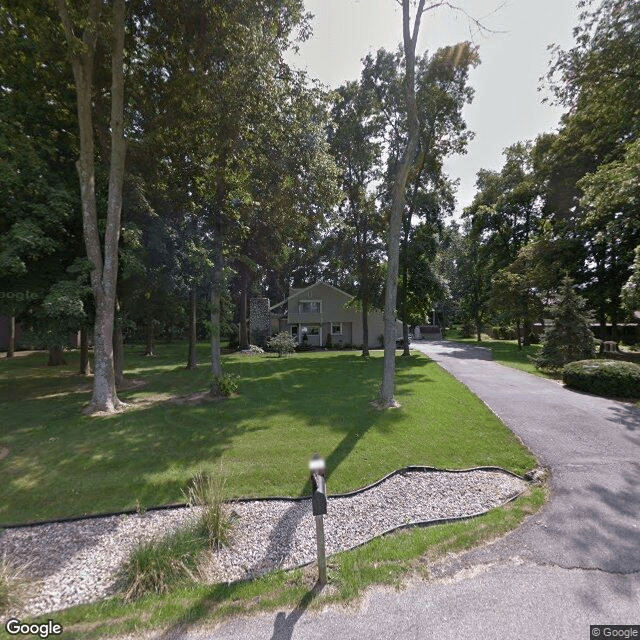
287 E High Circle Dr, Warsaw, IN 46580
To contact a resident: (574) 372-2273
For more information about senior living options: (866) 208-4318
Overall Review of Home Helpers & Direct Link - Warsaw, IN
Cons
 The company has not submitted her payments for over a month and a half after she sent them.
- The bills are not mailed on time, forcing her to go in and pay in person.
- The company changes billing dates without notifying customers and provides no advance notice.
- There are always excuses for the service problems.
- When asked for the corporate office phone number or location, the company says they do not know it.
- This behavior is very suspicious.
- If issues are not fixed, they will switch providers and will not recommend the company.
Review
This community is best suited for families seeking in-home support in Warsaw, IN, with a built-in fall monitoring system, for seniors who require daily assistance and safety oversight but can tolerate imperfect administrative communication. The arrangement offers local access to care and a safety net that can reduce the need for hospital visits by catching falls quickly. It suits households that value a hands-on, nearby care team and are willing to stay actively engaged with billing and scheduling to keep services flowing. In short, it delivers essential in-home support with safety monitoring, but it does not promise a frictionless back-office experience.
Those should consider alternatives are families that depend on clean, predictable billing and immediate corporate accessibility. If statements, late payments, and a lack of clear contact to the corporate office raise red flags, another agency with stronger billing systems and transparent processes is worth exploring. If consistent communication channels, documented procedures, and timely invoicing are non-negotiable, this option risks inconsistency that can erode trust over time. Also, if there is a need for seamless escalation to a national or regional office, the current setup may fall short.
On the upside, the core service, the in-home care presence and the fall monitoring element, addresses real safety and daily living needs. Local support reduces the burden on family caregivers and can prevent complications that come from delayed assistance. These practical benefits are meaningful and can compensate to a degree for the care continuity that families want. Yet the main cons, payments arriving late, bills not being mailed, and a lack of straightforward access to the corporate office, are not minor quirks. They threaten financial clarity and the sense of reliability essential to long-term caregiving agreements.
The payment and communication gaps undermine confidence, particularly when bills come a month and a half late or get lost in the mail. The absence of timely invoicing can disrupt budgeting and complicate whether care services will be sustained. The experience described also points to a troubling disconnect with administrative leadership, making families wary about what will happen if a problem arises. In practice, the care component can keep delivering necessary support, but the back-office failures dilute the overall value and risk a lost trust that is hard to repair.
Decision-making guidance: demand a transparent billing protocol before enrolling. Require a written schedule for when statements are issued, how payments are processed, and who to contact for billing questions. Insist on an accessible corporate or regional point of contact and a clear process for dispute resolution. Ask for a live demonstration of the fall monitoring system and verify that responders are available 24/7. Seek references from other families and consider a short-term trial period to test billing reliability alongside care quality. If any red flags persist, compare with other agencies that demonstrate consistent billing, prompt communication, and robust caregiver oversight.
Bottom line: for families that prioritize safety monitoring and the continuity of in-home care and are prepared to actively manage billing and communications, this community can be workable. The real-world friction in invoicing and corporate accessibility is a decisive factor, however, and for those who cannot tolerate monthly administrative surprises, alternatives with stronger governance and more predictable billing are the prudent choice. In the end, the strongest decision aligns care reliability with financial reliability, balancing a tangible safety net against a reliable, transparent administrative foundation.

 Specialized memory care with 24/7 supervision and cognitive programming.





 Understanding the Nuances of Palliative Care and Hospice: A Comprehensive Exploration
 Fecal Incontinence in Older Adults: A Comprehensive Guide
 Nurturing Well-Being Through Gardening: A Detailed Guide for Senior Enthusiasts