

600 N Colfax St, Warsaw, IN 46580
To contact a resident: (574) 269-4334
For more information about senior living options: (866) 208-4318
Courts of Colfax Costs & Pricing
The Courts of Colfax offers a competitive rental option with its one-bedroom units priced at $565 per month. In comparison, the average cost for similar accommodations in Kosciusko County stands at around $2,366, while statewide figures in Indiana reach approximately $3,300. This significant disparity highlights Courts of Colfax as an attractive choice for individuals seeking affordable housing without compromising on quality, making it a desirable location for potential renters looking to maximize their budget in the current market.
| Floor plans | Courts of Colfax | Kosciusko County | Indiana |
|---|---|---|---|
| 1 Bedroom | $565 | $2,366 | $3,300 |
Overall Review of Courts of Colfax
Pros
 The staff at Courts Of Colfax is amazing.
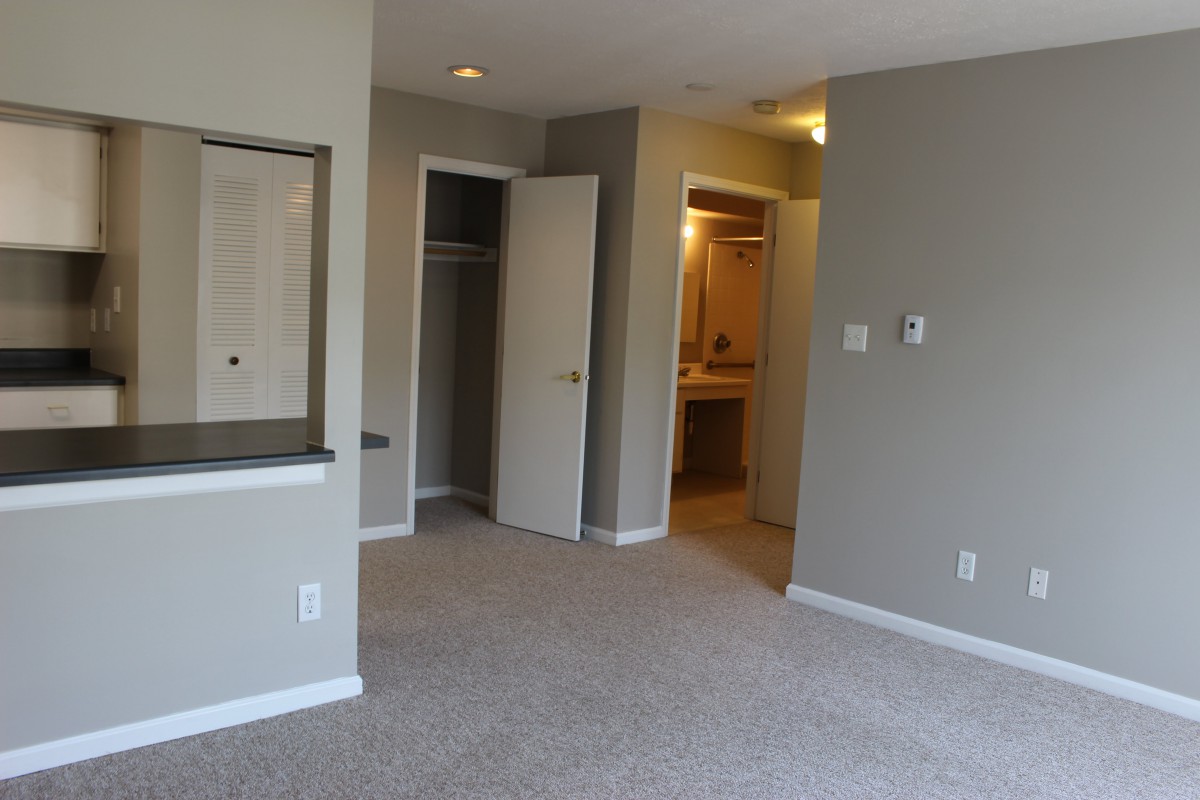
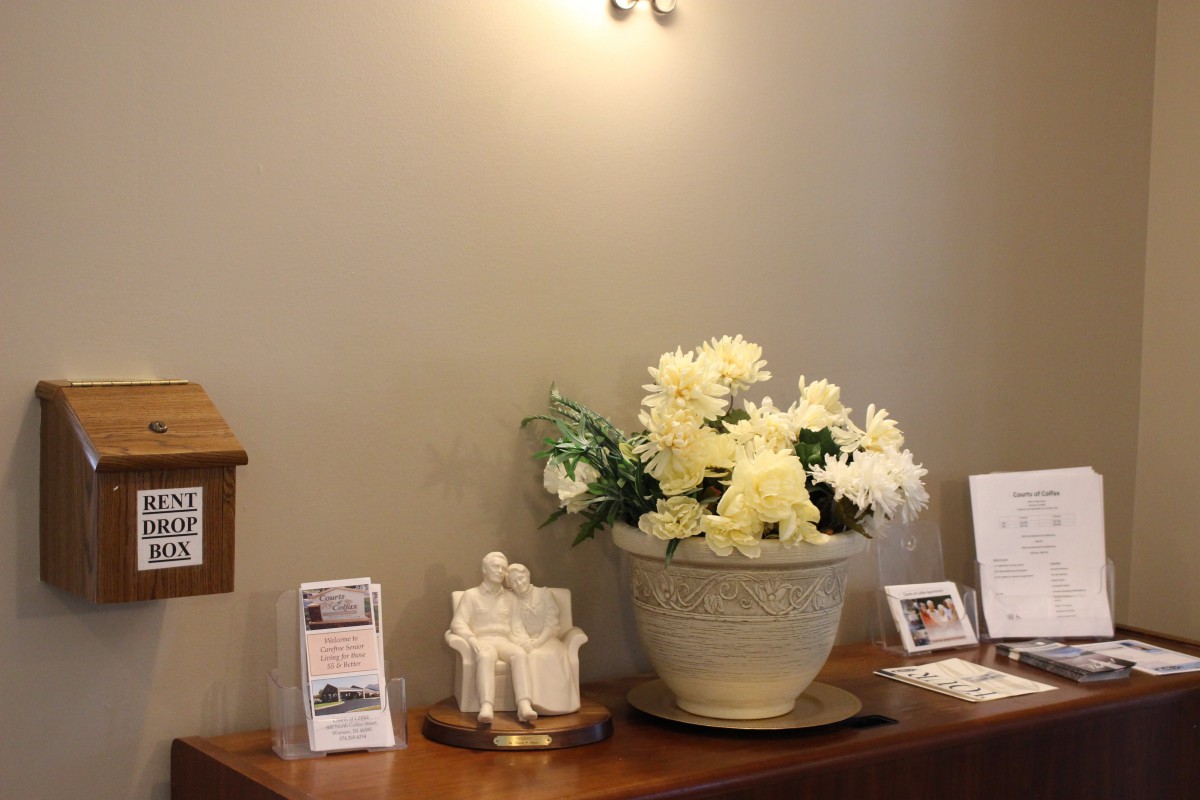
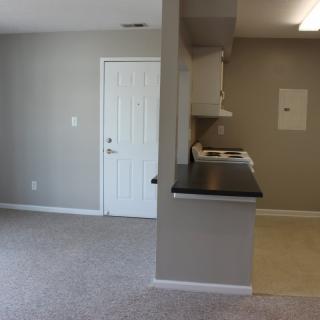
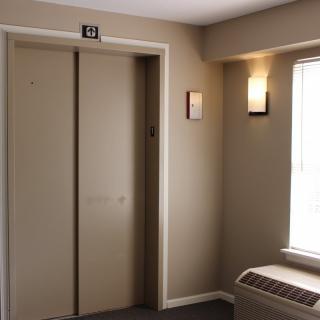
- The interior is beautiful, nonsmoking, in a good location, with a helpful leasing agent.
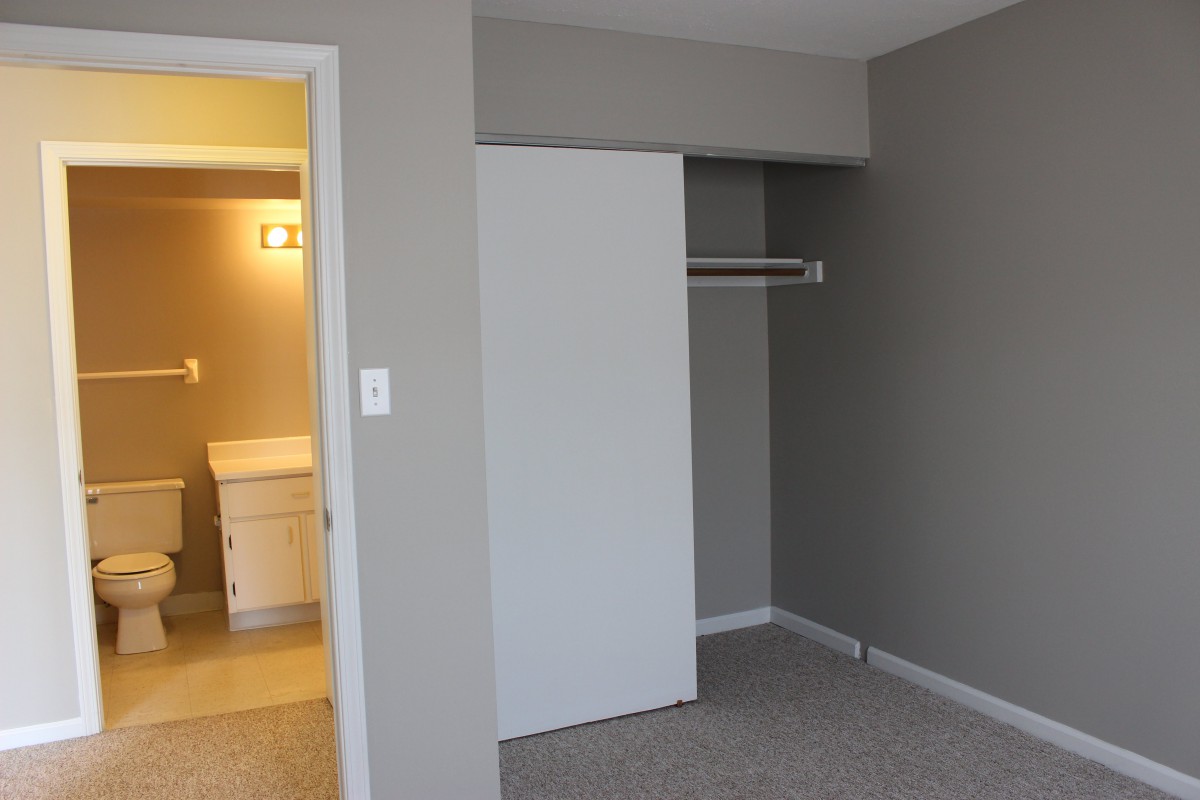
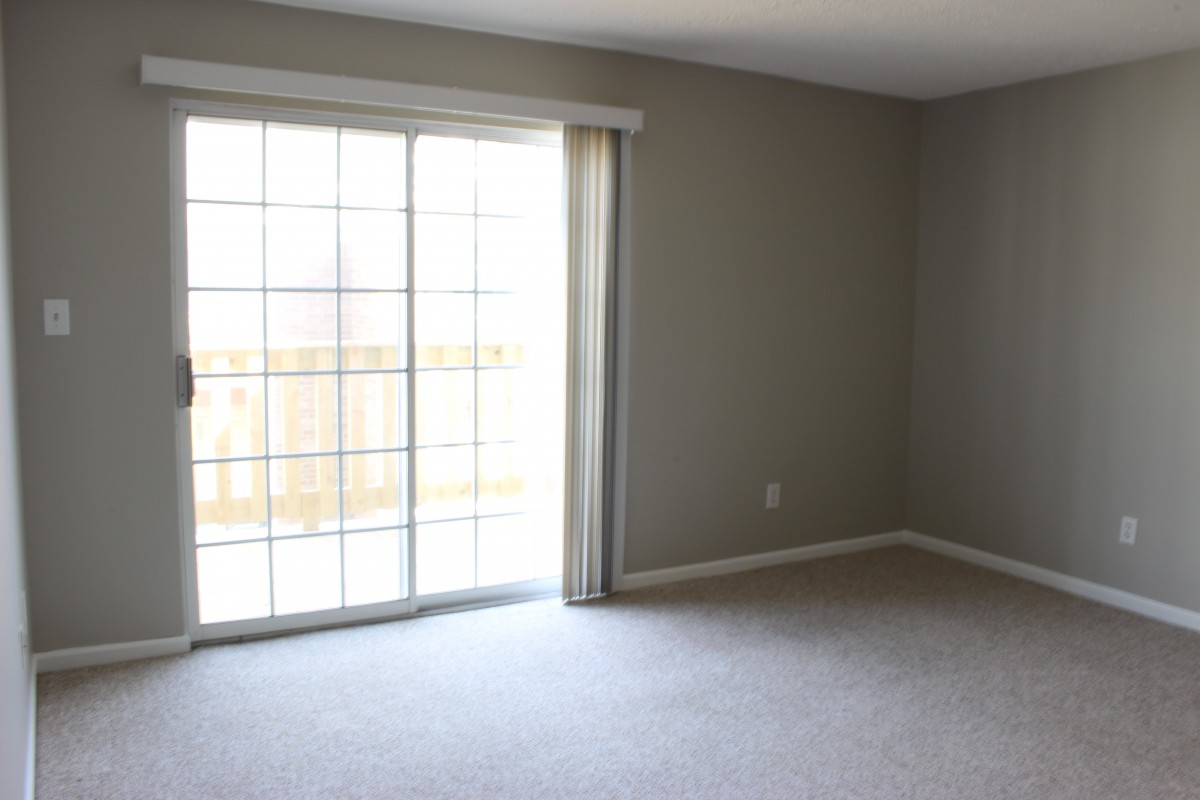
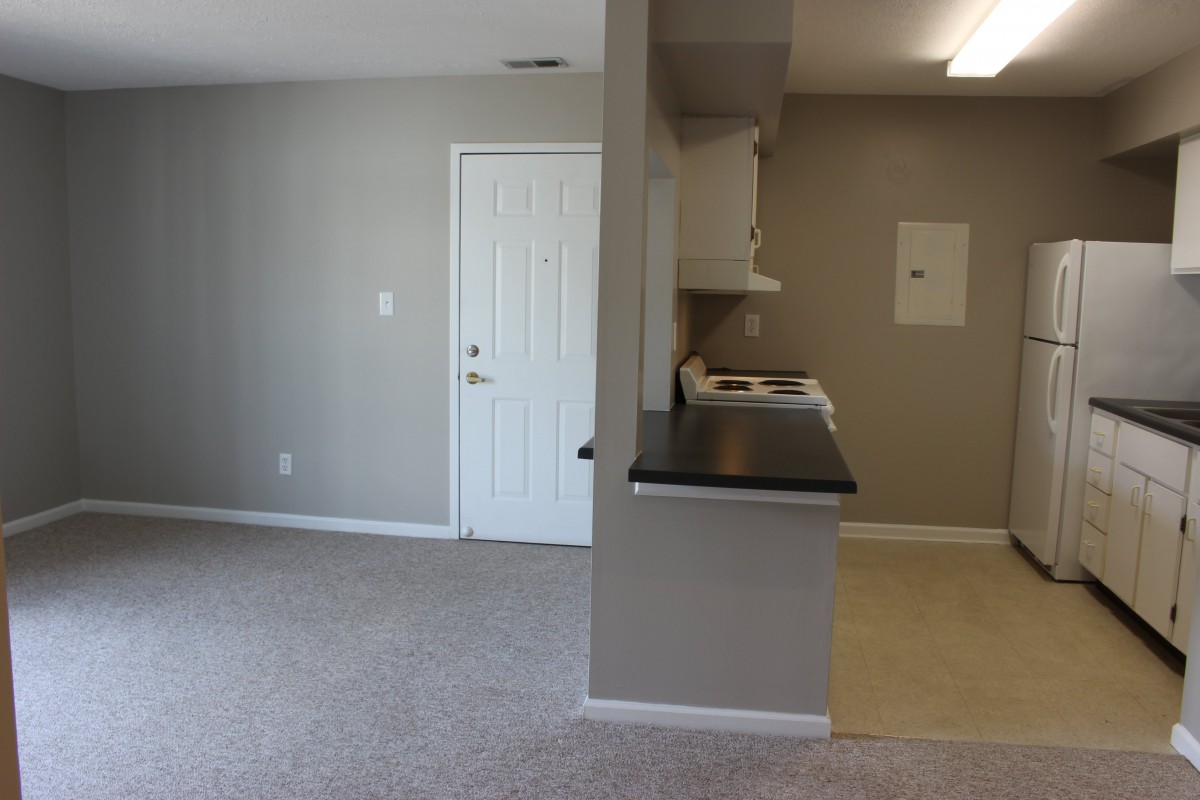
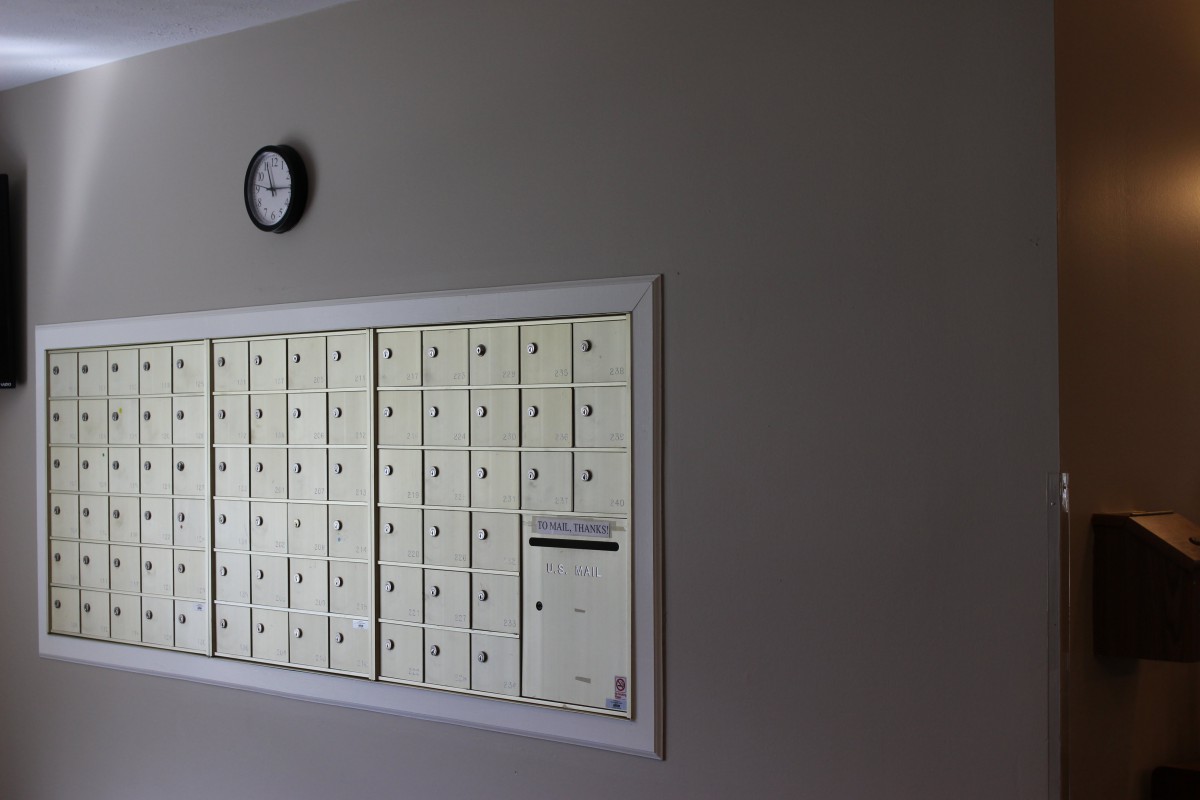
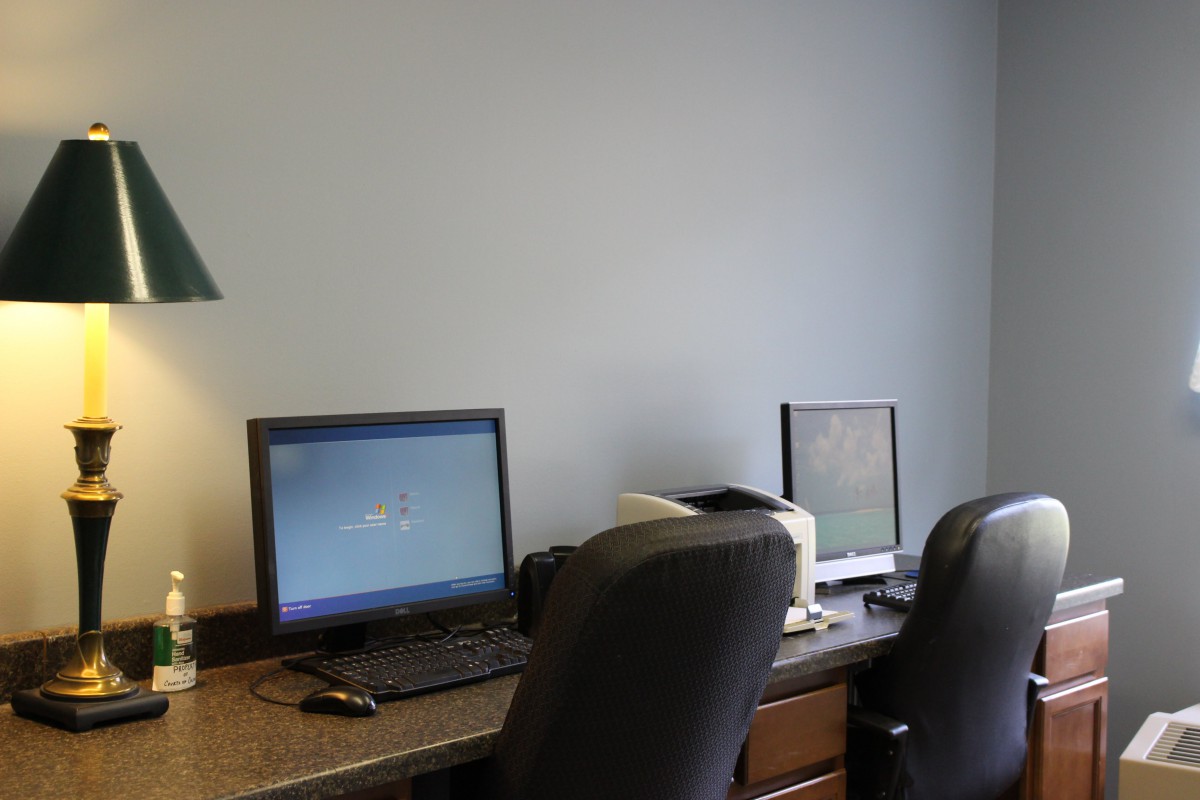
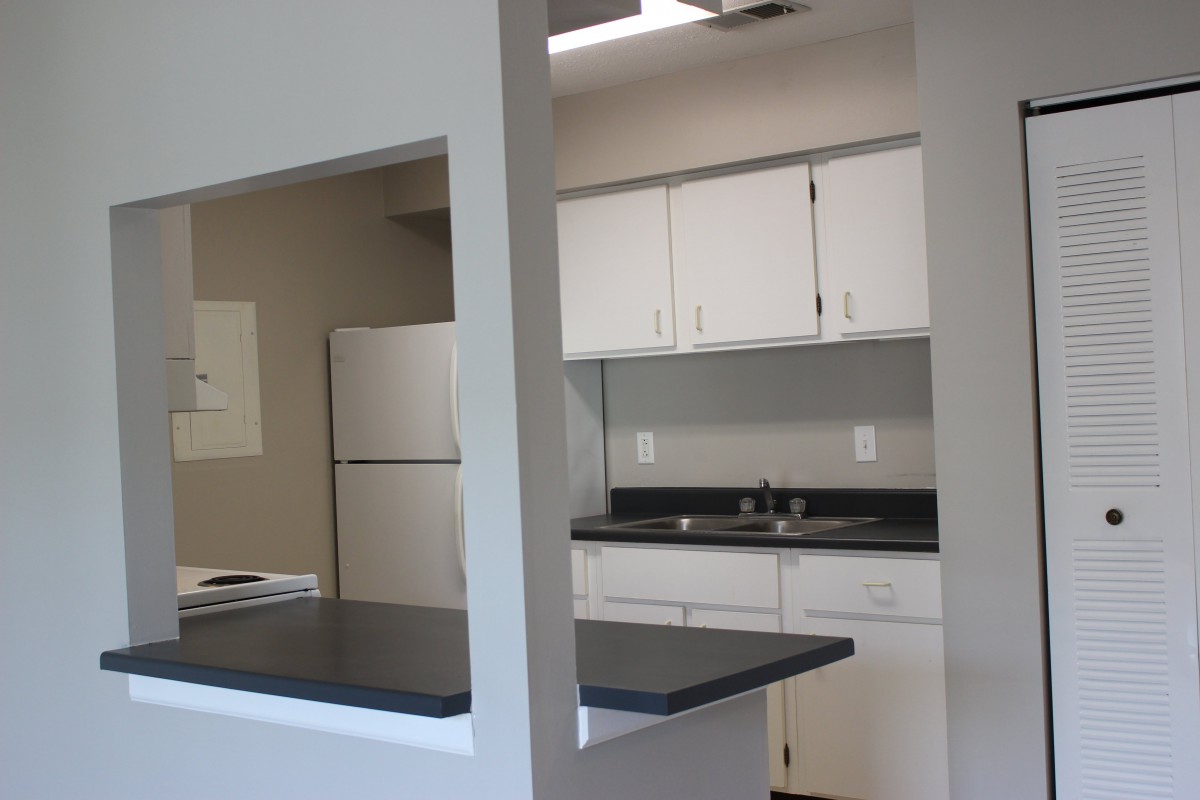
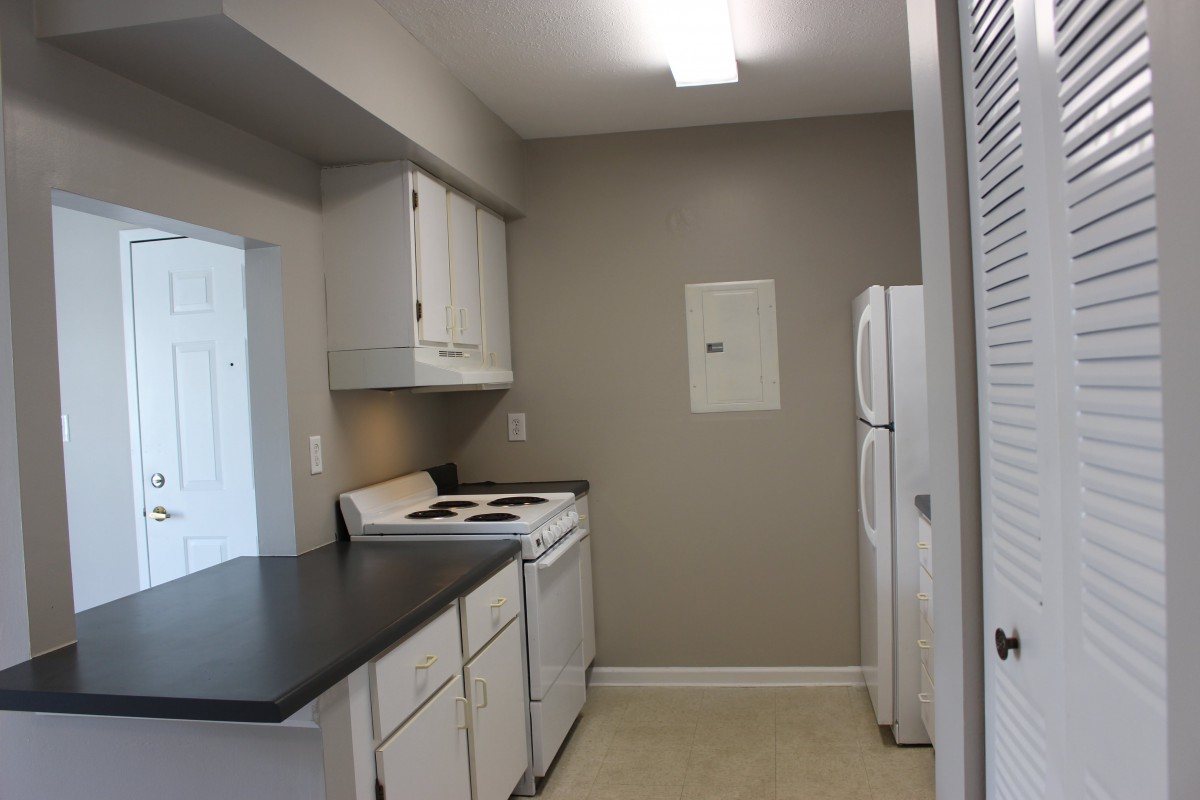
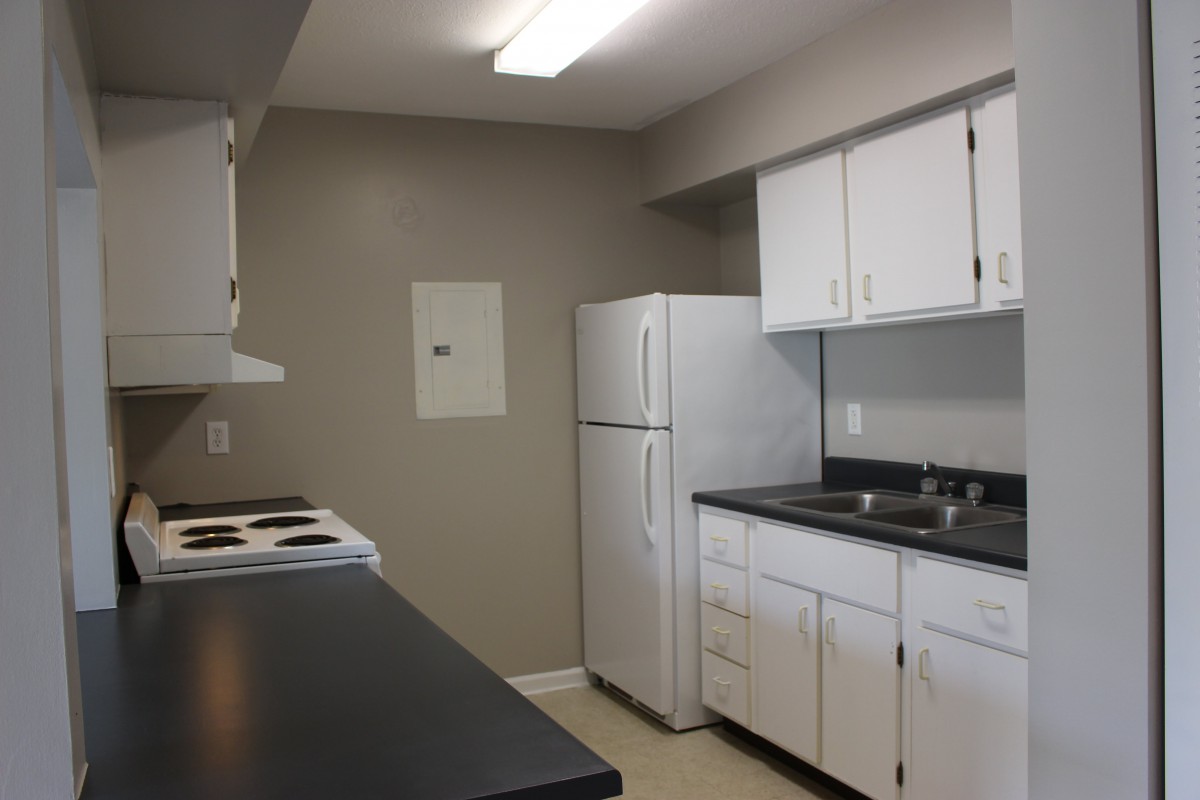
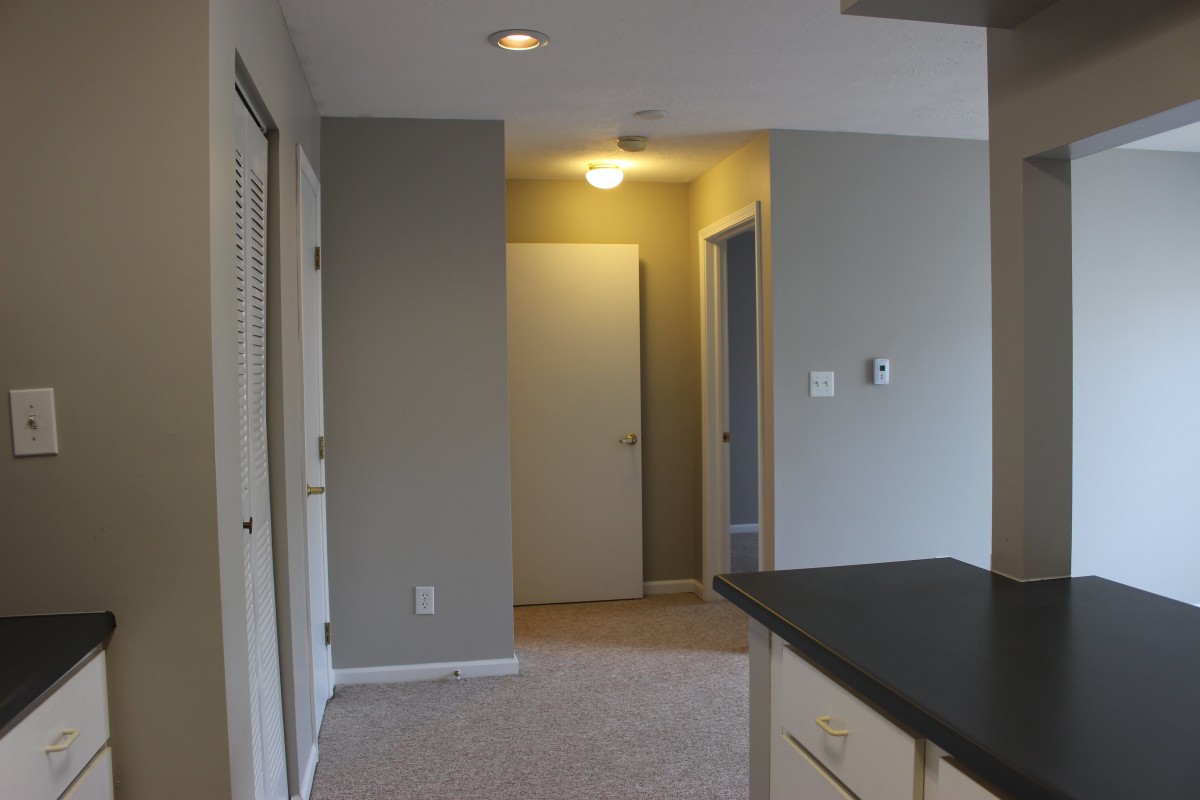
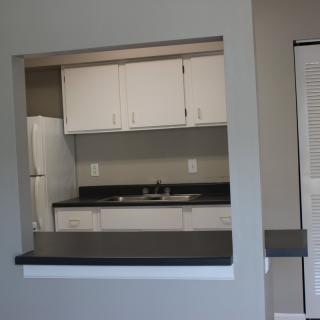
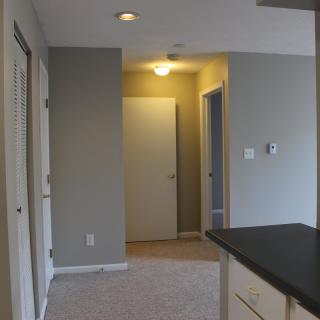
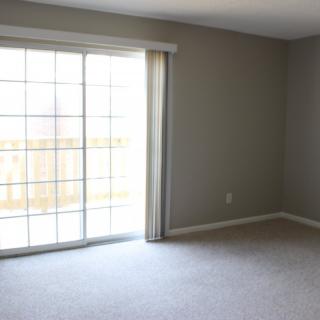
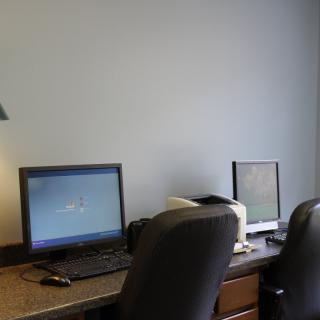
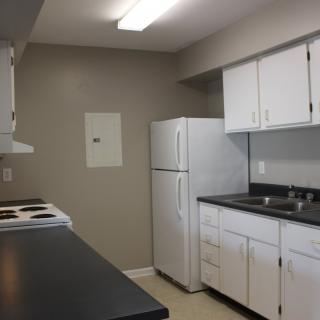
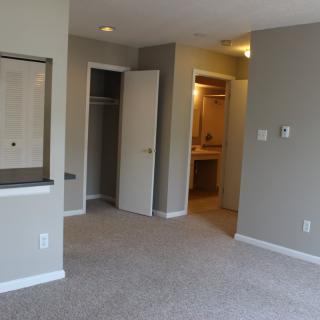
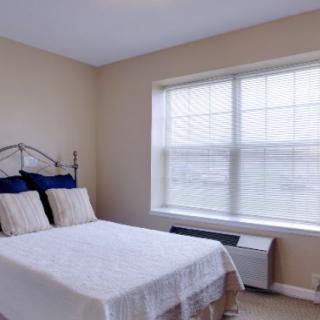
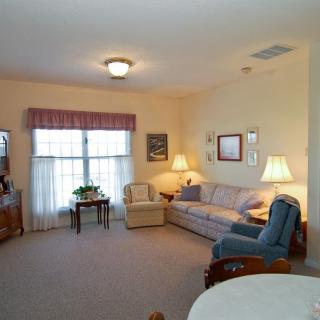
- The apartments have nice amenities and spacious rooms with storage in a beautiful location.
- Visitors describe the residents as very friendly and say it seems like a real nice place to live.
Cons
 They should not move there.
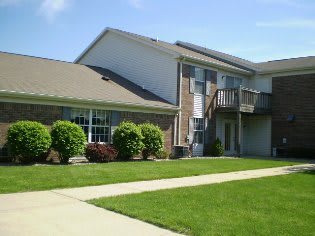
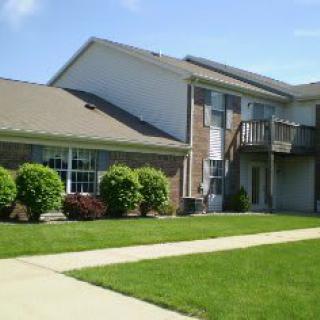
- The ramp is cracked and littered with rocks and pebbles, making it unsafe for a walker or a wheelchair.
- They charge about $747 a month in rent, yet upgrades and maintenance are lacking.
- The company that owns the property is not willing to invest the necessary money and seems to fix things as cheaply as possible.
- The community seems to rent to many non-seniors, contrary to being marketed as a senior living community.
- There are frequent changes of management, which is concerning.
Review
Courts of Colfax is best suited for independent seniors and active adults who prize a polished, non-smoking environment, a convenient Warsaw location, and generously laid-out apartments with solid storage. The community reads as a value-oriented, apartment-style option rather than a full-service care setting, making it appealing to residents who want comfort, privacy, and a straightforward leasing experience without heavy assisted-living obligations. The interior presentation is attractive, and the leasing process is approachable, which helps new residents settle in with relative ease. In short, it serves well those who want a pleasant living environment, solid apartment features, and a favorable locale, provided expectations are aligned with what the property realistically delivers outside the unit.
Those who should consider alternatives are residents with demanding safety needs or clear expectations for ongoing, facility-wide investments. The most salient flag is infrastructure reliability: a ramp described as cracked, with rocks and pebbles that impede wheelchair and walker access, which signals a fundamental safety concern for mobility-restricted individuals. Additionally, ownership appears reluctant to fund necessary upgrades, raising questions about long-term capital improvements and the consistency of amenities. A community that enrolls a broader mix of residents beyond strictly seniors, coupled with frequent management changes, can complicate programming, oversight, and a stable living rhythm. Families prioritizing a strictly age-qualified environment, steady leadership, and unwavering facilities upkeep should weigh stronger alternatives.
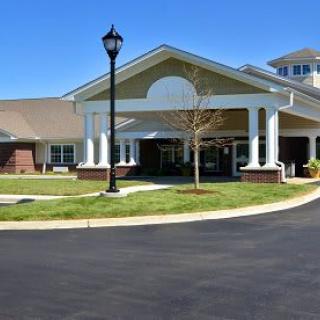
On the positive side, the asset-rich elements of Courts of Colfax are hard to overlook. The interior is beautiful, non-smoking policies are enforced, and the location is advantageous for shopping, services, and access to nearby amenities. The apartments themselves have generous room sizes and storage, which translates into practical daily living benefits. The leasing staff earns praise for their responsiveness and professionalism, and the overall feel of the community is welcoming; residents described as friendly contribute to a social atmosphere that can be reassuring for newcomers. For someone who values a tidy, aesthetically pleasing space and a cordial social environment, these are meaningful advantages that can significantly enhance everyday quality of life.
Yet the notable downsides cannot be dismissed. The ramp safety issue raises a concrete, ongoing risk that cannot be mitigated by a pleasant lobby or a well-appointed unit. When combined with a pattern of underinvestment in the property, this creates a disconnect between the appealing interior and the less reliable exterior reality. Management turnover compounds this risk, producing inconsistent service levels, slower repairs, and a lack of centralized accountability. The resident mix, perceived as including non-seniors, can alter programming relevance, create noise or activity levels that arenā€™t aligned with a purely senior living experience, and complicate the governance of safety protocols. Taken together, these factors tilt the risk-reward calculus away from a flawless fit for every prospective resident, particularly for those who require predictable infrastructure and stable administration.
The core trade-off here is clear: the pros deliver comfort, aesthetics, and a welcoming social vibe, but the cons threaten day-to-day safety, reliability, and long-term value. For families weighing options, the pleased-to-visit facets, beautiful interiors, sizable units, and a pleasant resident community, can offset some disappointment if attention to health and mobility is minimal. However, when mobility challenges exist or are likely to intensify, the safety gaps become decisive deterrents, especially in a setting where help and consistent maintenance are essential. The rent-level perception matters as well; a premium feel in the apartments may not fully justify the ongoing investment gap if the common-area and exterior upkeep lag behind expectations. In short, the favorable features do not fully neutralize the core risks, which means a careful, issue-by-issue evaluation is non-negotiable.
For families making a decision, the prudent path is a rigorous, firsthand assessment that centers on accessibility, maintenance responsiveness, and governance stability. Key steps include requesting a current ramp inspection and a comprehensive maintenance history for both the exterior and common areas, and inquiring about recent and upcoming capital projects. Gather precise data on staff turnover, resident mix policy, and the frequency of routine service calls to gauge consistency. Compare the overall cost of living, including what rent covers and how increases are handled, against nearby communities with stronger claims to safety infrastructure and steadier management. If a strictly senior-only environment with predictable upkeep is non-negotiable, alternative options with proven investment in facilities and steadier leadership will likely offer more peace of mind. If the priority is a well-appointed, social, and conveniently located home and the family accepts the trade-offs as manageable, Courts of Colfax can still be a reasonable choice, provided clear expectations are set and the decision is anchored in a robust, facility-specific risk assessment.
 Active Adult Communities (55+)
 Activities off-site
 Air-conditioning
 Beautician on-site
 Devotional services off-site
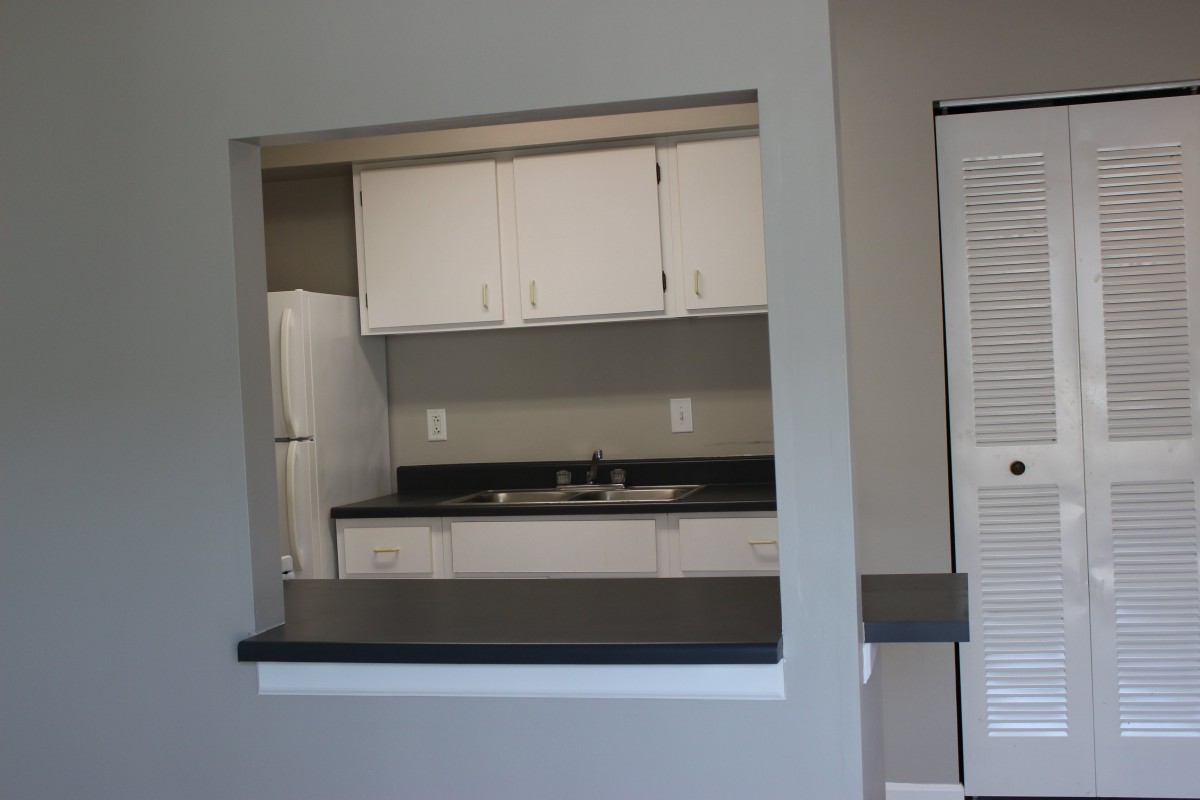
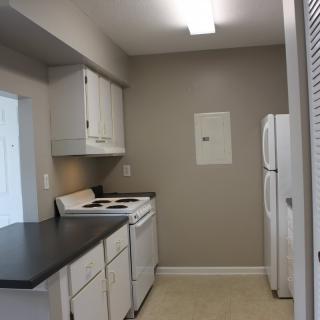
 Full kitchen
 Ground floor units
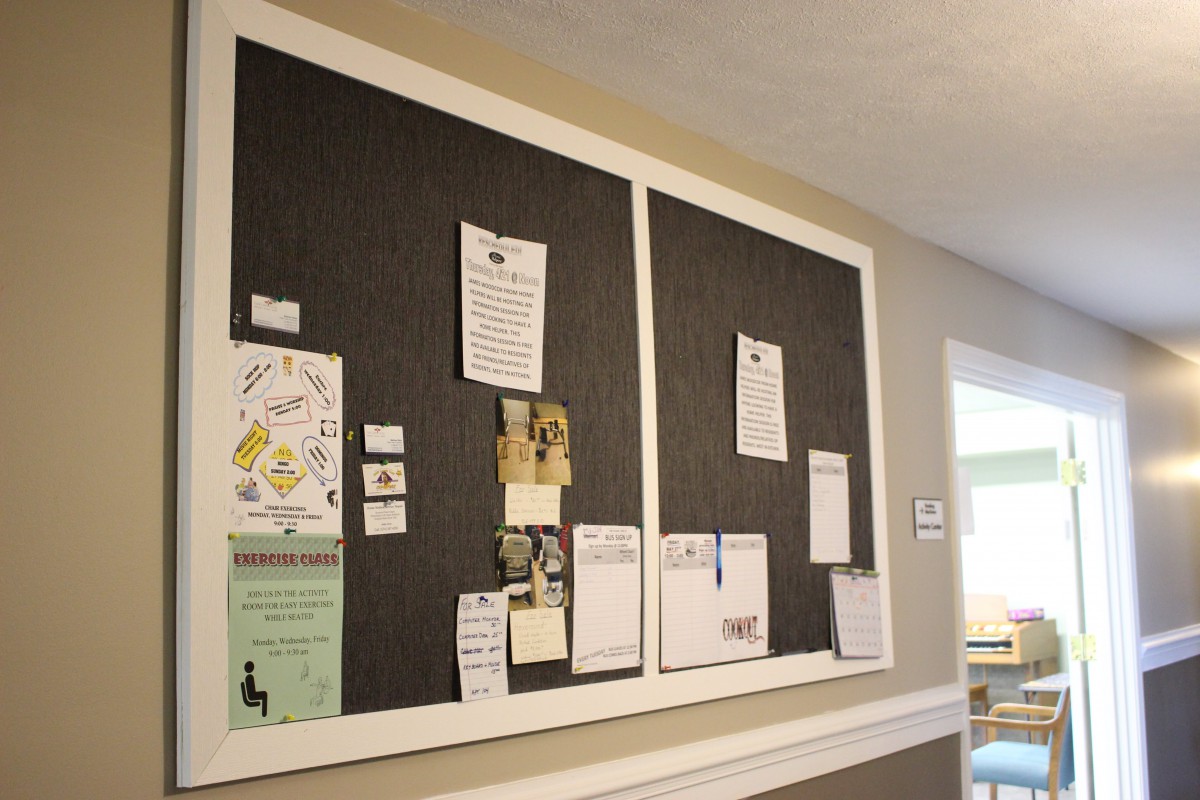
 Indoor common areas
 Outdoor common areas
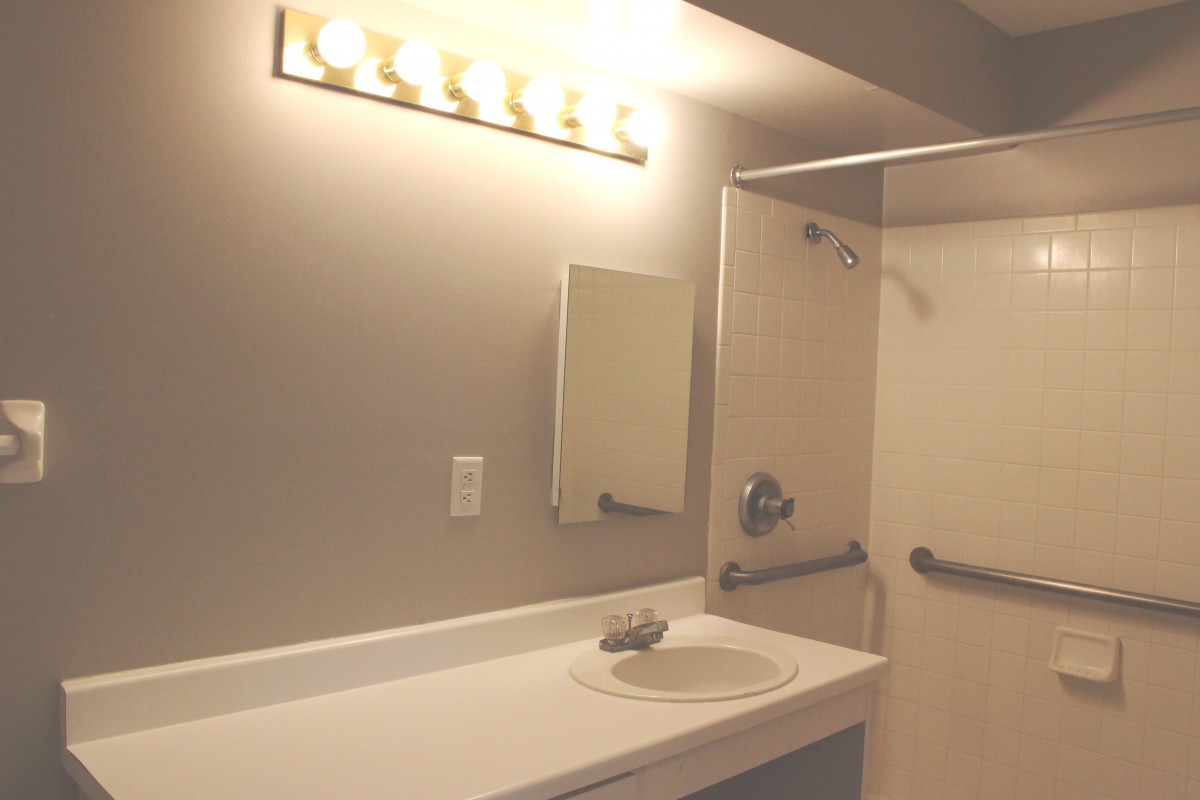
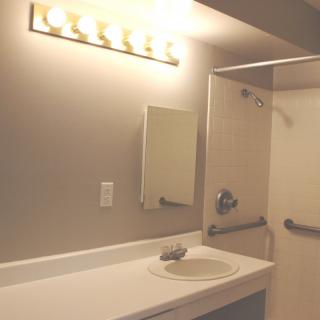
 Wheelchair accessible showers
 Wi-Fi/high-speed internet available
 Understanding Hospice Care at Home: Comprehensive Services, Key Benefits, and Eligibility
 Understanding the Full Cost of 24/7 In-Home Care: A Detailed Overview
 Exploring the World of Home Health Nurses: Qualifications, Roles, and Hiring Tips