



125 West Margaret Avenue, Terre Haute, IN 47802
For more information about senior living options: (866) 208-4318
Overall Review of Westridge Health Care Center
Pros
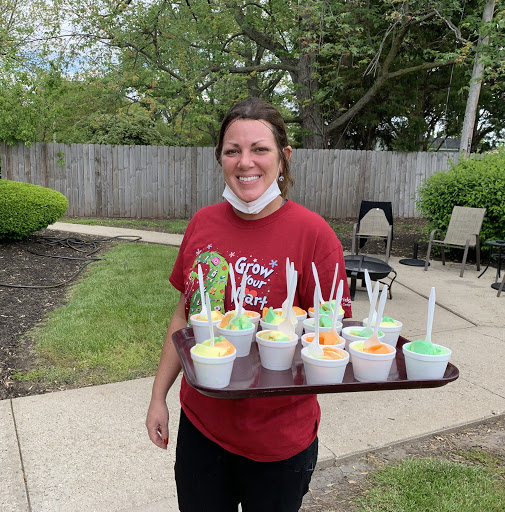
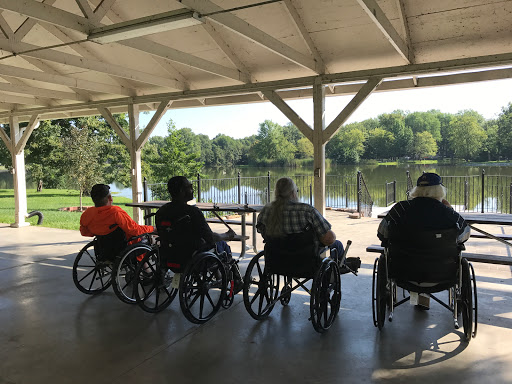
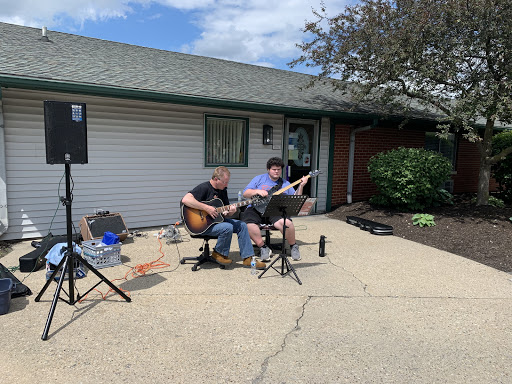
 The social services and activities are amazing here.
- The social services director Angie and her staff are the best; they truly care.
- West Ridge Healthcare is a clean facility with fantastic staff.
Cons
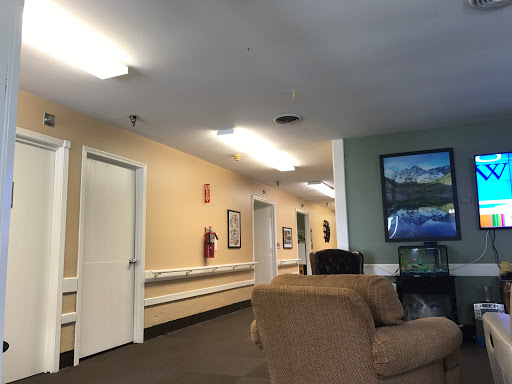
 The facility smelled strongly of urine and was dirty.
- A cat was allowed to roam the facility, which is problematic for residents with allergies.
- The reviewer would not recommend the place.
- The patient suffered multiple falls with bruises and stitches.
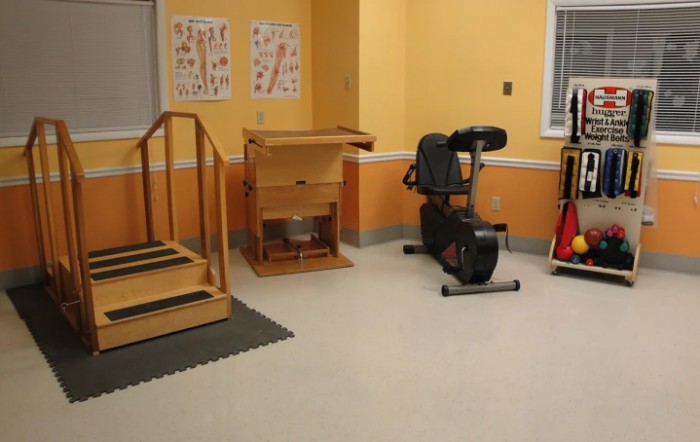
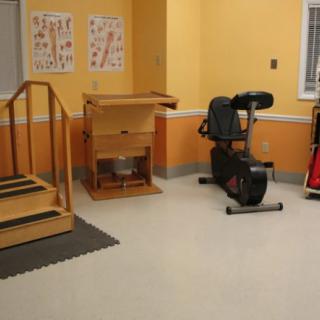
- The facility did not provide the therapy it claimed to offer.
- Access to the patient was restricted; the supervisor was reportedly in meetings for days.
- Adult protective services had to be called to check on the family member due to visitation issues.
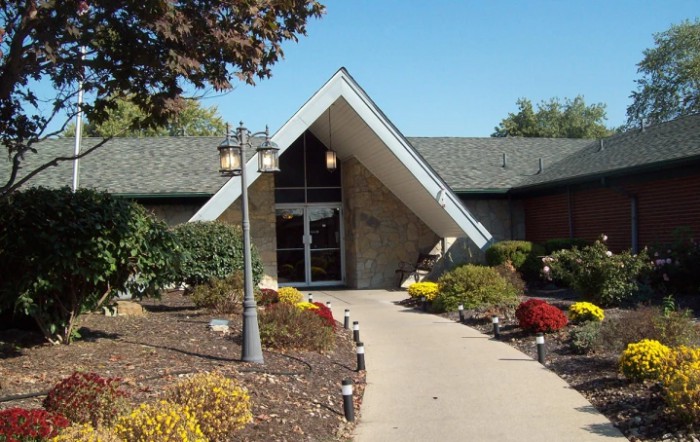
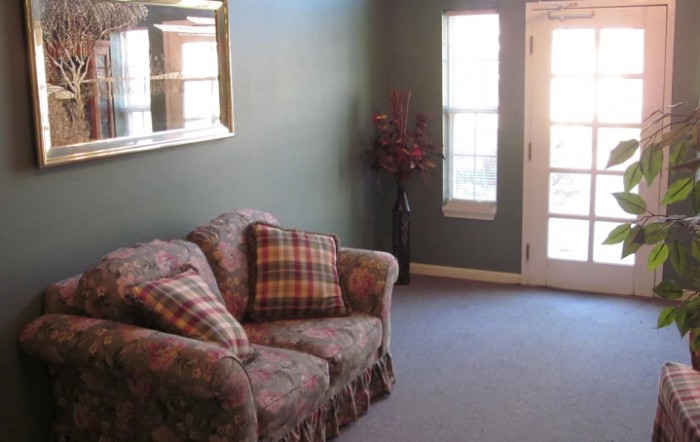
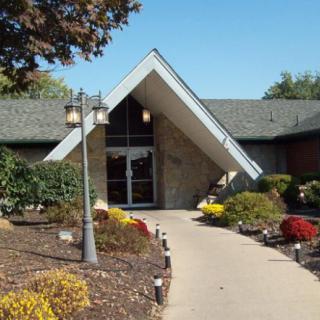
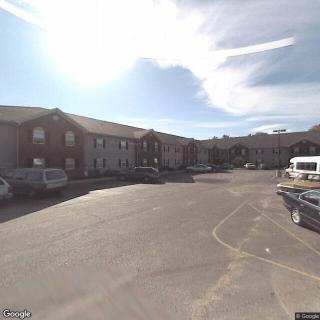
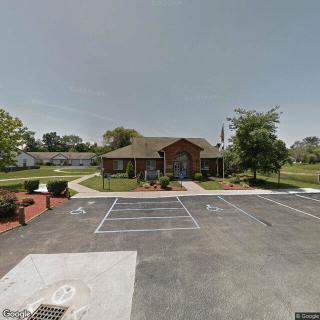
- The front door glass was shattered and taped up during the visit.
Review
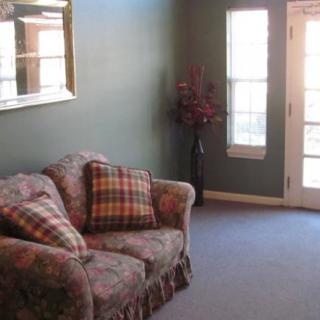
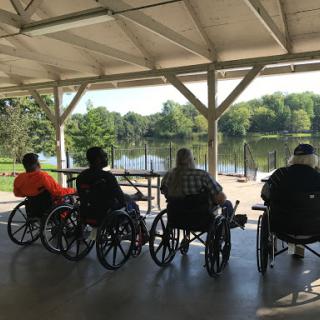
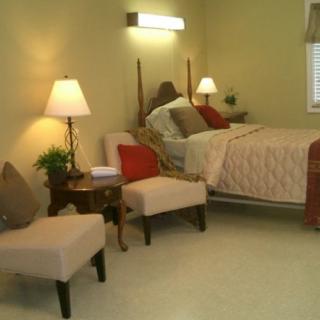
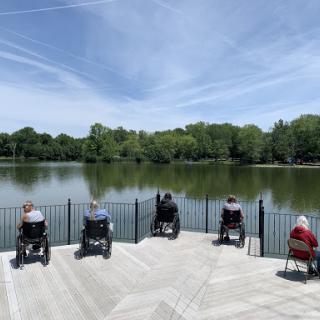
Westridge Health Care Center in Terre Haute is best suited for families seeking a small, relationship-driven community where social engagement and meaningful activities are the centerpiece of daily life. The standout asset is the social services program, led by Angie and her team, whose enthusiasm and care come through in the programming and resident interaction. For a loved one who thrives on structured activities, regular social contact, and a sense of belonging, this facility can deliver a quality of life that feels personal and responsive. It is important to recognize, however, that this appeal sits alongside ongoing questions about medical intensity, safety systems, and maintenance.
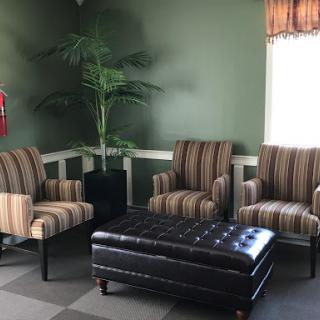
Those who should consider alternatives are residents with high medical or rehabilitative needs, or families who require consistently rigorous oversight and therapy services. The reviews suggest uneven attention to clinical care and therapy, with many calling out gaps in therapy provision despite claims to the contrary. Allergy-prone families may also want to steer clear, given reports of pets roaming the building. And anyone sensitive to odors or cleanliness will want to investigate further, since cleanliness and sanitary conditions are repeatedly flagged as significant concerns. A facility with a newer look and more modern infrastructure could be a better fit for those prioritizing a pristine environment.
The primary positives, strong social programming and attentive, compassionate staff in the activity and social services spheres, can offset several of the more troubling drawbacks if the priority is daily life quality and resident happiness. A smaller footprint often translates to more personal interaction, and when staff are engaged, residents appear to receive warm, individualized attention. The neutral-to-positive comments about cleanliness and staff in at least one visit underscore that this care setting can feel like a close-knit community on good days, which can be a meaningful counterweight to clinical limitations.
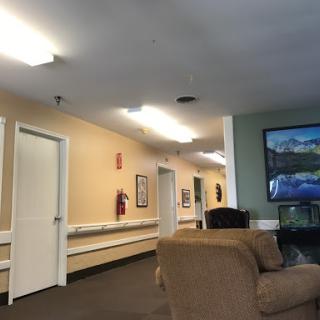
Yet the cons are hard to ignore and can overwhelm the positives in a crisis or during periods of higher medical need. Reviews describe strong, persistent odors and dirty environments, worn flooring, and general upkeep that hasn’t kept pace with newer facilities. Concrete examples include outdated paper charting, safety concerns around facility condition, and structural signs like shattered glass in the entryway. Reports of residents being left without timely therapy or visits from family, and even flirtations with protective services, point to gaps in oversight discipline and communication. These issues are not isolated anecdotes but recurring themes that prospective families must weigh against any perceived warmth or activity program.
A notable tension emerges when contrasting experiences: a compact but clean facility with staff described as fantastic in some reviews versus accounts of neglect or indifference in others. This divergence suggests care quality at Westridge can swing with management, shifts, and perhaps unit-level leadership. Families should expect a wide variance in day-to-day experience, and should plan to form a strong, ongoing line of communication with administration, social services, and direct care staff. The presence of genuine caring and a well-run activities schedule does not automatically translate into consistently reliable medical care or spotless conditions.
In deciding, the prudent path is to schedule a thorough, in-person evaluation that probes not only the activities calendar but also the realities of clinical care, safety practices, and environmental upkeep. Questions should target the availability and quality of therapy, fall-prevention measures, staffing ratios, infection-control practices (even if covid protocols are no longer front-and-center), and the facility’s responsiveness to family concerns. Request candid discussions with current residents and families about daily life, and observe the environment for odors, cleanliness, and overall safety. For families prioritizing social engagement and a warm community, Westridge may be a fit if a careful oversight plan is in place; for those needing robust medical oversight, cleaner facilities, or allergy considerations, exploring alternatives is strongly advised.
 66 resident community capacity
 Assisted Living
 Skilled Nursing Facility
 Air-conditioning
 Beauty salon
 Cable or satellite TV
 Computer center
 Dining room
 Fitness room
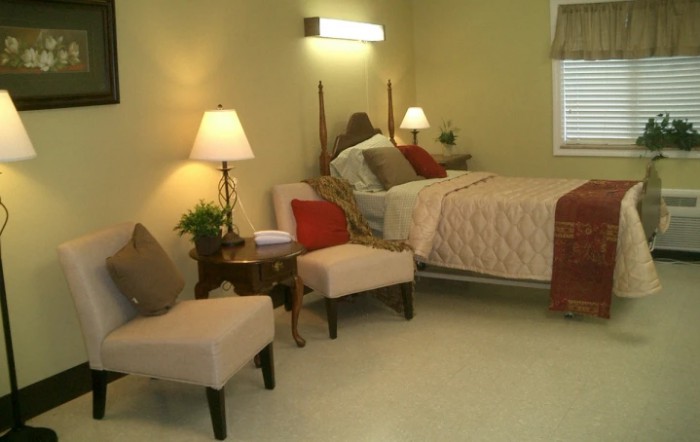
 Fully furnished
 Gaming room
 Garden
 Housekeeping services
 Kitchenette
 Move-in coordination
 Outdoor space
 Private bathrooms
 Restaurant-style dining
 Small library
 Telephone
 Wellness center
 Wi-Fi/high-speed internet available
 Community operated transportation
 24-hour call system
 Activities of daily living assistance
 Assistance with bathing
 Assistance with dressing
 Assistance with transfers
 Diabetes diet
 Medication management
 Special dietary restrictions
 Concierge services
 Planned day trips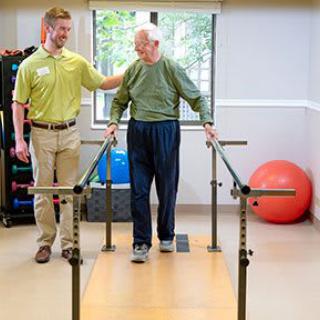



 When to Transition from Assisted Living to Memory Care: Key Indicators, Steps, and Finding the Right Community
 Assisted Living and Memory Care: Understanding Their Core Differences
 Beyond the Bingo Hall: 50+ Enriching Activities for Seniors in Assisted Living