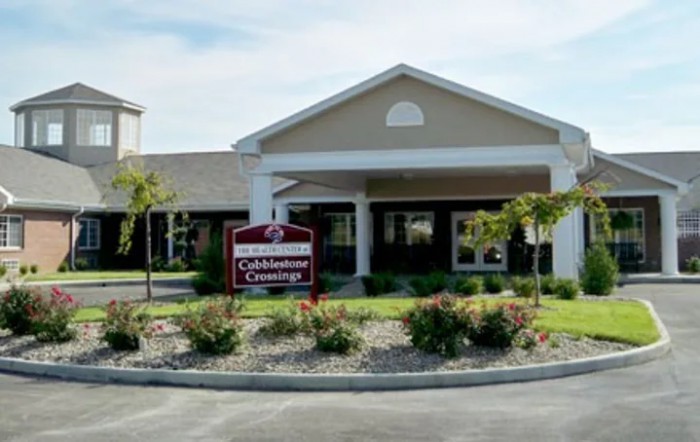
1850 East Howard Wayne Drive, Terre Haute, IN 47802
For more information about senior living options: (866) 208-4318
Overall Review of Cobblestone Crossings Health Campus
Pros
 They describe Cobblestone Crossings as an excellent facility with skilled nursing.
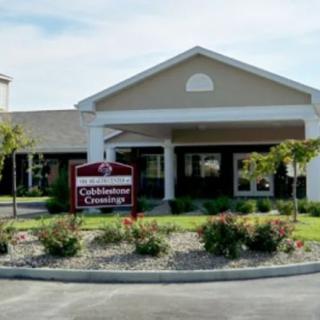
- The grounds and location are excellent, neat and tidy.
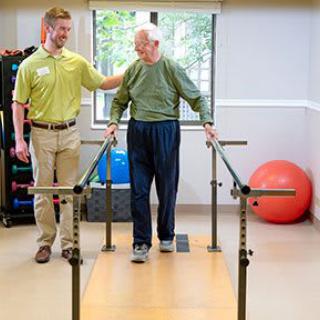
- The rehab program is outstanding, with a wonderful, clean facility and fantastic food.
- The memory care unit is a nice and welcoming place, with loving and attentive nurses and aides.
- The independent living duplex is well-maintained and freshly painted, with Andy handling maintenance and needs efficiently.
- The community is small, friendly, and neighborly, where everyone looks out for one another.
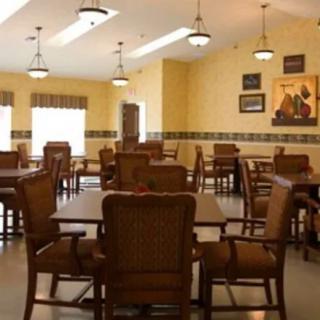
- The dining is convenient and social, with a dining area across the street and Friday happy hours.
- The facility also offers a day care program, adding extra value.
Cons
 The traffic in Greenwood scared them to death.
- They had activities, but Covid has stopped many of them.
- They’ve done away with a lot of the activities.
- They don’t interact much with the staff because they’re independent.
- Usually they wouldn’t like these places, but they love this one.
Review
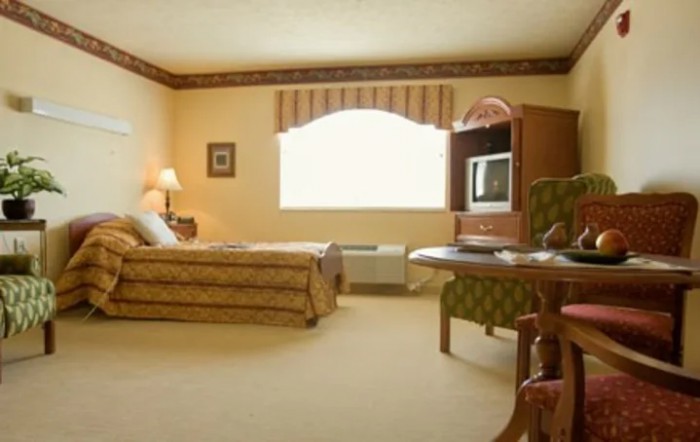
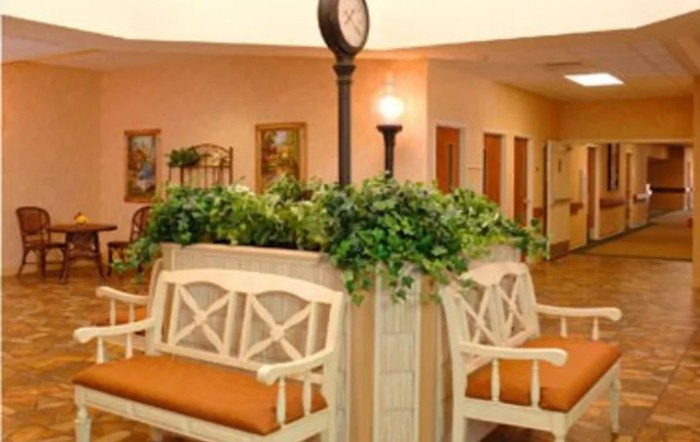
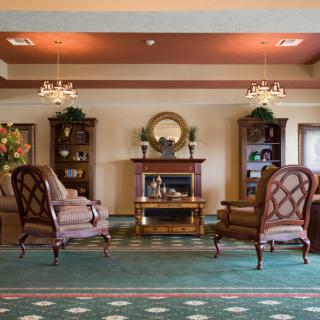
Cobblestone Crossings Health Campus in Terre Haute is best suited for active seniors and couples who want a straightforward, financially predictable independent-living setup within a small, walkable community. The duplex villas with attached garages create a home-like atmosphere that preserves autonomy while reducing the chores of home maintenance. Proximity to a dining area and a street-front sense of neighborhood keeps meals, social contact, and daily routines convenient without reliance on round-the-clock caregiving. The Terre Haute setting matters as well: a smaller-city footprint makes errands and visits more manageable than in larger metro areas, supporting sustained independence for longer.
Those who should consider alternatives include residents who expect daily hands-on care or constant supervision, or who need integrated memory-care services on-site. Cobblestone Crossings presents an independent-living model with access to higher levels of care rather than a full-service campus, and memory care is located across the street rather than housed within the same buildings. Families seeking a robust, on-site activity calendar or a campus designed for intensive daily programming may find alternatives with larger scale or more comprehensive on-site services a better fit. For seriously medically complex seniors, this arrangement may feel too hands-off.
The strongest advantages are financial and logistical. At roughly $2,100 per month for a 1,400-square-foot duplex, the option is markedly more affordable than comparable setups in nearby Greenwood, translating into meaningful budget relief for many households. Maintenance and minor repairs are managed by a reliable point person, commonly named Andy, who coordinates fixes without demanding family involvement. The community’s intimate scale fosters genuine neighborliness: residents walk the grounds, know each other by name, and naturally watch out for one another. The dining area is walkable, and social moments, like a Friday gathering, emerge organically, offering low-pressure opportunities to stay connected without structured programming taking over every day.
Yet there are conspicuous tradeoffs. The activity slate has been pared back relative to peak years, limiting opportunities for organized engagement on certain days and reducing the consistency of social programming some families expect from independent-living campuses. Interaction with staff naturally skews toward maintenance and routine upkeep rather than daily care assistance, which can leave families needing more hands-on oversight feeling under-supported. Relying on a single staff touchpoint for repairs can become a bottleneck if that contact is unavailable, introducing a small but real risk for timely responses. For those who want a highly monitored, activity-rich environment or who will require ongoing on-site medical attention, Cobblestone Crossings may feel incomplete.
Even so, the continuum of care options nearby adds meaningful value. The setting supports rehab needs and emphasizes quality facilities and nutrition, with repeatedly praised cleanliness and food. Memory care for a loved one is accessible across the street, where nurses and aides are described as patient, attentive, and engaged, a crucial factor for families navigating memory challenges. The availability of these higher levels of care within a short distance reduces the anxiety of future transitions and provides a practical path for long-term planning. Regular updates, delivered by email, offer a transparent line of communication for families who want visibility without daily intrusion.
In sum, Cobblestone Crossings Health Campus makes practical sense for families prioritizing affordability, independence, and neighborhood familiarity while keeping a clear pathway to more intensive care if needed. It is not the best fit for those requiring constant daily assistance or a highly active on-site programmatic life. For families willing to trade some built-in programming for budget relief and location convenience, the transition to independent living appears smooth, with ready access to memory care and skilled nursing should circumstances change. The bottom line: this community belongs on the informed shortlist for those seeking a quiet, neighborly Terre Haute base with evolving care options, rather than a one-stop, full-service campus.
 99 resident community capacity
 1-bedroom apartments
 Condos / townhomes
 Assisted Living
 Independent Living
 Memory Care
 Skilled Nursing Facility
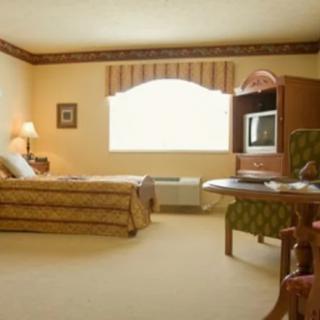
 Air-conditioning
 Beautician on-site
 Cable or satellite TV
 Computer center
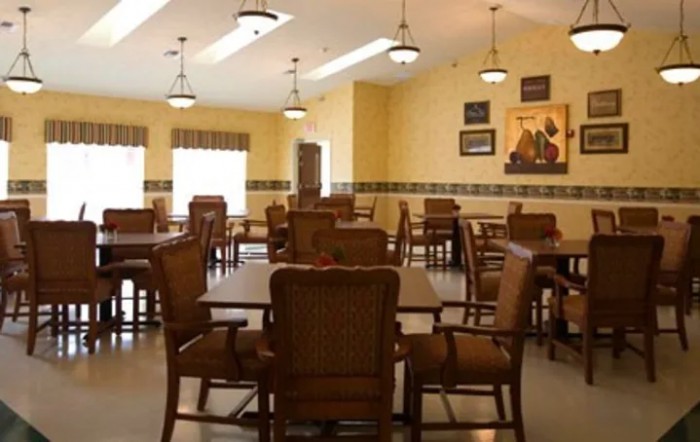
 Dining room
 Fitness room
 Full kitchen
 Fully furnished
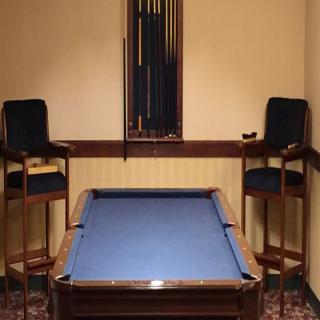
 Gaming room
 Garden
 Housekeeping services
 Laundry
 Move-in coordination
 Outdoor patio
 Outdoor space
 Overnight guests
 Private bathrooms
 Resident parking
 Respite or short term stays offered
 Restaurant-style dining
 Small library
 Telephone
 Wellness center
 Wi-Fi/high-speed internet available
 Community operated transportation
 24-hour call system
 Activities of daily living assistance
 Assistance with bathing
 Assistance with dressing
 Assistance with transfers
 Diabetes diet
 Medication management
 Mental wellness program
 Physical therapy
 Special dietary restrictions
 Concierge services
 Planned day trips
 Religious services
 English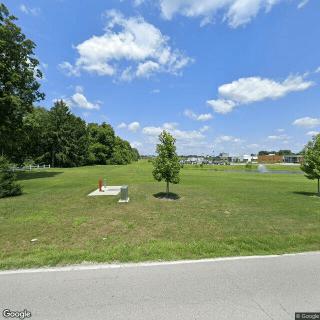


 Why Do Dementia Patients Sleep So Much? Understanding Oversleeping, Stages, and Care Approaches
 8 Key Indicators That Suggest It May Be Time to Transition from Assisted Living to Skilled Nursing Care
 Nourishing the Mind: Essential Dietary Approaches for Dementia